Necklace Snake Chain Anatomy: Gauges, Kinks, and Metal Fatigue
Explore the technical anatomy of a necklace snake chain. Learn about gauge thickness, metal fatigue, kink prevention, and pendant weight limits.

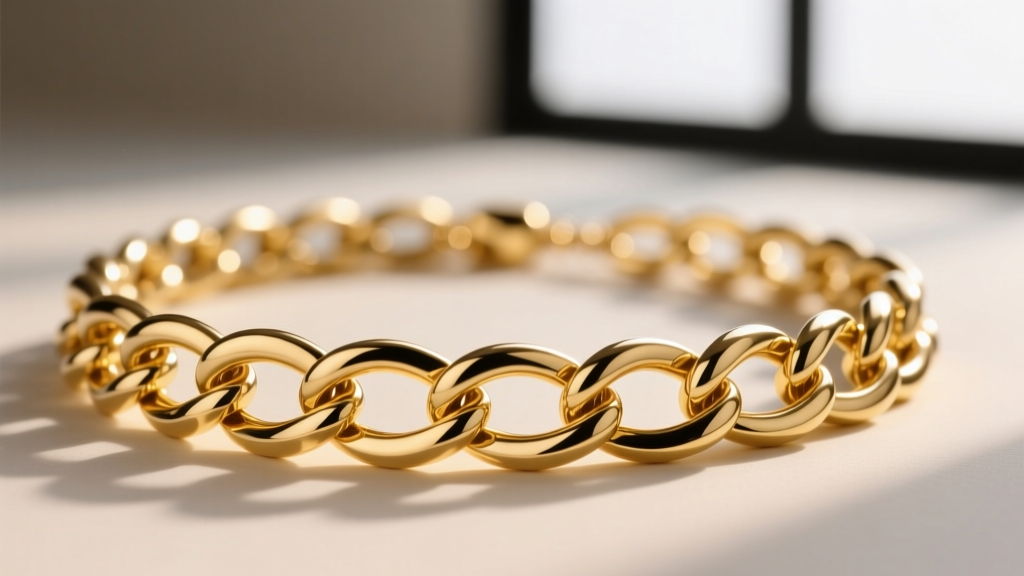
When evaluating fine jewelry, the structural integrity of the chain is just as critical as the pendant it holds. Among the most elegant yet structurally misunderstood designs is the necklace snake chain. Known for its sleek, liquid-metal drape and seamless surface, the snake chain is a marvel of micro-engineering. However, its unique construction also makes it highly susceptible to metal fatigue, kinking, and catastrophic failure if paired with the wrong pendant weight.
In this expert deep dive, we deconstruct the metallurgy, gauge tolerances, and failure modes of snake chains, providing you with the technical data needed to select, wear, and maintain them properly in 2026 and beyond.
The Micro-Engineering Behind the Snake Chain
Unlike cable or curb chains, which rely on interlocking oval or round jump rings with visible articulation points, a snake chain is constructed from a series of tightly interlocking wavy or "S-shaped" metal rings. These rings are stamped, woven together, and often soldered or compressed to form a continuous, flexible tube. The result is a chain with virtually no visible gaps, offering a smooth, skin-friendly surface that catches light uniformly.
According to manufacturing specifications outlined by Rio Grande's chain manufacturing catalog, the flexibility of a snake chain comes from the microscopic lateral movement between these interlocking plates. However, this lateral movement is strictly limited to a specific radius. When the chain is bent beyond its engineered yield point, the metal plates crush into one another, resulting in a permanent deformation known as a kink.
Round vs. Flat Snake Chains: Structural Differences
While the classic tubular (round) snake chain is the most common, flat snake chains—sometimes confused with herringbone chains—also exist. From a structural engineering perspective, round snake chains offer superior tensile strength because the interlocking rings form a 360-degree tubular matrix. Flat snake chains, while visually striking, have a lower threshold for torsional stress and are significantly more prone to snapping when subjected to twisting forces.
Gauge Thickness and Pendant Load Limits
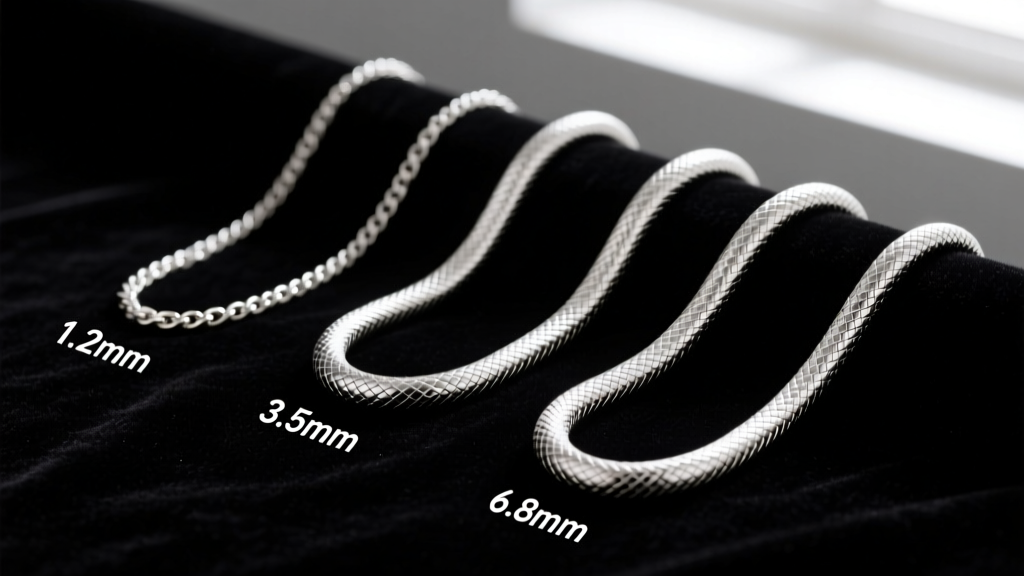
The most common mistake consumers make is treating a snake chain like a cable chain of the same millimeter thickness. Because the load-bearing joints of a snake chain are friction-fit or micro-soldered plates rather than fully closed jump rings, their shear strength is considerably lower. Below is a technical load-bearing matrix based on 925 sterling silver and 14k gold alloys.
| Chain Gauge (mm) | Classification | Max Pendant Weight | Best Use Case |
|---|---|---|---|
| 0.9mm - 1.1mm | Ultra-Delicate | 1.5g - 3.0g | Micro-pave pendants, solitaire diamond floats |
| 1.2mm - 1.5mm | Standard | 4.0g - 8.0g | Medium gemstone drops, lightweight lockets |
| 1.6mm - 2.0mm | Heavy / Statement | 10.0g - 18.0g | Solid metal charms, heavy signet pendants |
| 2.5mm+ | Collar / Choker | 25.0g+ | Worn standalone as a rigid statement collar |
Note: Exceeding these weight limits accelerates metal fatigue at the clasp junction and the bail loop, leading to sudden chain separation.
The Physics of Metal Fatigue and Kinking
To understand why a necklace snake chain kinks, we must look at the crystalline lattice structure of the metal. When a chain is bent sharply, the metal undergoes plastic deformation. In jewelry making, this is related to work hardening. As the metal bends, dislocations in its crystal structure multiply and tangle, making the localized area harder but vastly more brittle.
Once a snake chain kinks, the interlocking plates at the bend have been crushed past their yield strength. The Gemological Institute of America (GIA) notes that precious metals like 925 silver and high-karat gold are particularly susceptible to this due to their inherent malleability. Unlike a cable chain, which can often be bent back into shape without structural compromise, a kinked snake chain has suffered localized structural collapse.
Material Grades: Silver vs. Gold vs. Steel
The base material drastically alters the longevity and maintenance requirements of a snake chain:
- 925 Sterling Silver: The most common and affordable option. However, silver work-hardens quickly. Silver snake chains require careful storage (laid flat or hung vertically) to prevent memory kinks.
- 14k and 18k Gold: Gold alloys offer a slightly higher resistance to kinking than silver due to the specific hardening agents (like zinc and copper) used in the alloy mix. 14k gold is structurally superior to 18k for snake chains because the higher alloy content increases tensile strength.
- 316L Stainless Steel: Highly resistant to kinking due to its immense yield strength. The trade-off? If a steel snake chain does break or kink severely, it is nearly impossible for a traditional jeweler to solder it back together without specialized laser welding equipment.
- Platinum: Dense, heavy, and highly durable. Platinum snake chains are rare and expensive, but they possess a unique "springiness" that resists permanent kinking better than almost any other precious metal.
Troubleshooting and Repair: Can You Fix a Kink?
The short answer is: rarely to perfection. When a client brings a kinked snake chain to a master jeweler, the repair options are limited by the chain's seamless topology.
Technique 1: Mandrel Rolling (For Minor Stiffness)
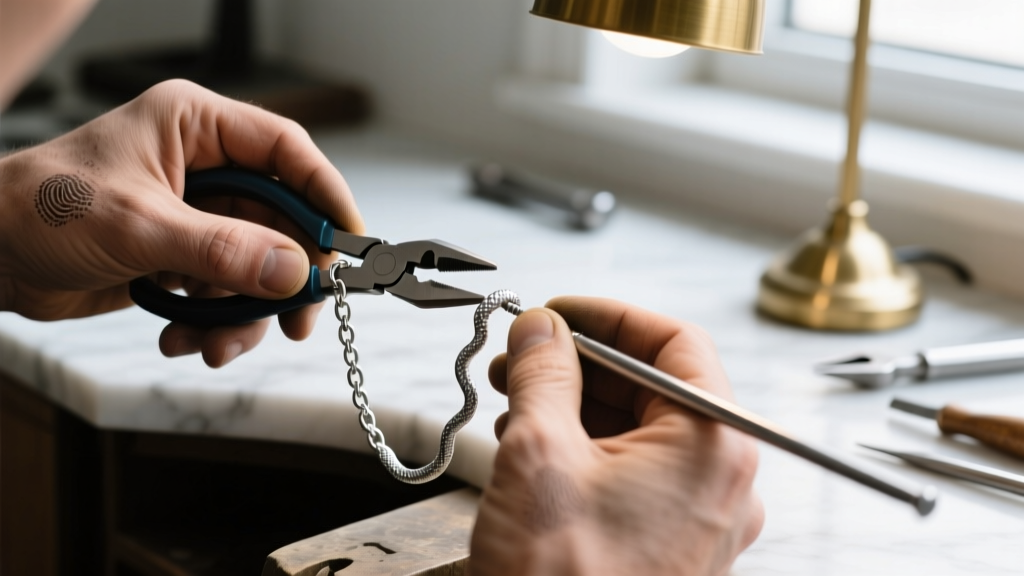
If the chain has developed a gentle curve or "memory bend" rather than a sharp, acute kink, a jeweler can wrap the chain tightly around a polished steel mandrel and roll it under a rawhide mallet. This gently realigns the interlocking plates without crushing them. This technique is standard maintenance for vintage snake chains.
Technique 2: Laser Excision and Soldering (For Sharp Kinks)
If the chain has a sharp, folded kink, the metal at that exact point is dead and brittle. Attempting to bend it back will cause it to snap. In 2026, advanced jewelry repair shops utilize precision laser welders to excise the damaged 2mm section and fuse the two healthy ends back together. While this restores the chain's structural integrity, it will leave a microscopic, visible scar where the continuous tube was interrupted.
Expert Warning: Never attempt to pull a kink out of a snake chain with your fingers or standard pliers. The localized torsional stress will instantly snap the micro-soldered joints, turning a repairable bend into a complete break.
Expert Verdict: Selecting the Right Snake Chain
The necklace snake chain remains a pinnacle of sleek, modern jewelry design, offering an unmatched liquid-metal aesthetic that perfectly complements geometric and bezel-set pendants. However, it demands respect for its mechanical limitations.
When purchasing, always verify the millimeter gauge and cross-reference it with the exact gram weight of your intended pendant. Opt for 14k gold or platinum if you require daily-wear durability, and strictly adhere to proper storage protocols—always hang your snake chains vertically or lay them perfectly flat in a lined jewelry box. By understanding the metallurgy and micro-engineering behind this beautiful chain style, you can ensure it remains a flawless, kink-free staple in your collection for decades.


