How to Tie Slip Knots for Necklaces: Cord Trends & Techniques
Learn how to tie slip knots for necklaces with our expert guide. Explore 2026 cord trends, material grades, and step-by-step adjustable sliding techniques.

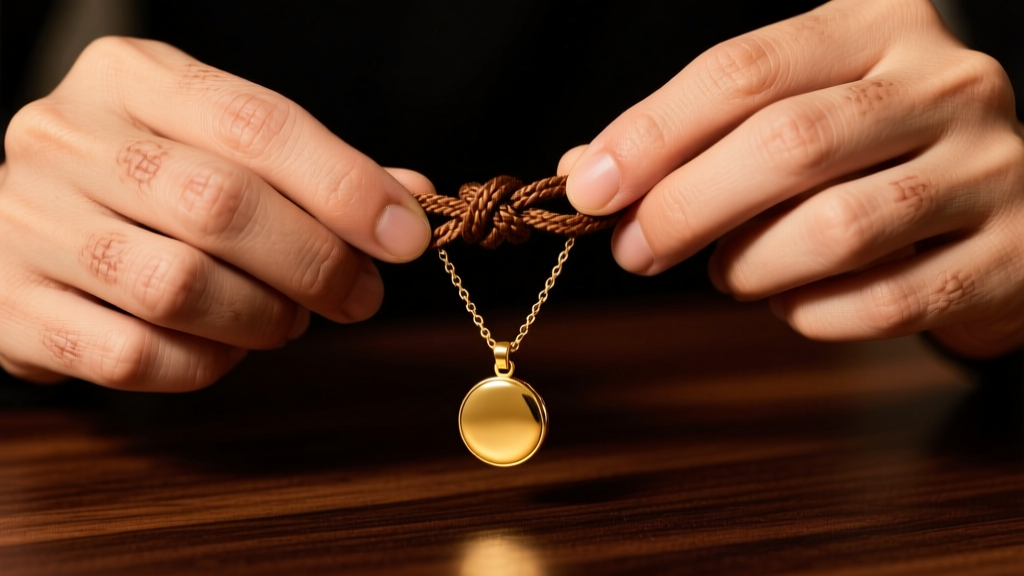
The 2026 Shift: Why Adjustable Cord Jewelry Dominates
In the landscape of contemporary jewelry design, the rigid constraints of traditional chain clasps are giving way to fluid, customizable silhouettes. As we navigate the 2026 style landscape, the "quiet luxury" movement has heavily influenced the necklaces and pendants category, prioritizing utilitarian adaptability and organic textures. Understanding how to tie slip knots for necklaces is no longer just a DIY crafting skill; it is a fundamental technique for high-end bespoke jewelry makers and trend-conscious stylists alike. Adjustable cord necklaces allow the wearer to seamlessly transition a single pendant from a 16-inch choker length to a 24-inch opera drop, maximizing wardrobe versatility without the need for multiple chains.
Material Science: Selecting the Optimal Cord
The success of any sliding knot relies entirely on the friction coefficient and structural integrity of the cord. A cord that is too slick will fail to hold the knot under the weight of a heavy stone pendant, while a cord with too much texture will make adjusting the necklace frustrating and abrasive against the skin. According to the Fire Mountain Gems Encyclopedia, matching the cord material to the pendant weight is the most critical step in jewelry fabrication.
| Cord Material | Diameter Range | Melting Point | Best Knot Type | Friction Level |
|---|---|---|---|---|
| Nylon (C-Lon) | 0.5mm - 1.0mm | ~220°C (428°F) | Macrame Square Knot | Medium-High |
| Waxed Polyester | 0.8mm - 1.5mm | ~260°C (500°F) | Sliding Overhand | High |
| Griffin Silk | 0.3mm - 0.8mm | Burns to ash | Lark's Head / Loop | Low |
| Round Leather | 1.0mm - 2.0mm | Non-melting | Simple Barrel Knot | Very High |
Mastering the Technique: How to Tie Slip Knots for Necklaces
Creating a durable, smooth-gliding adjustable closure requires precision. Below are the two most reliable methods used by professional bench jewelers and fiber artists.
Method 1: The Macrame Sliding Square Knot
This is the gold standard for heavy pendants. It requires a core cord (the main necklace loop) and a working cord (the piece used to tie the knot). For optimal results, use a 0.8mm nylon core cord and a 1.0mm waxed polyester working cord. The slight difference in thickness ensures the knot grips tightly but still slides when intentional pressure is applied.
- Prepare the Core: Lay the two ends of your main necklace cord parallel to each other, overlapping by about 4 inches.
- Anchor the Working Cord: Take a 12-inch piece of your working cord. Fold it in half and place it under the overlapping core cords at the center point.
- First Half Knot: Bring the left working cord over the core cords and under the right working cord. Bring the right working cord under the core cords and up through the loop on the left. Pull tight.
- Second Half Knot: Reverse the direction. Right over the core, under the left. Left under the core, up through the right loop. Pull tight.
- Repeat: Alternate these steps until you have a square knot barrel approximately 1/2 inch long.
Method 2: The Minimalist Overhand Loop
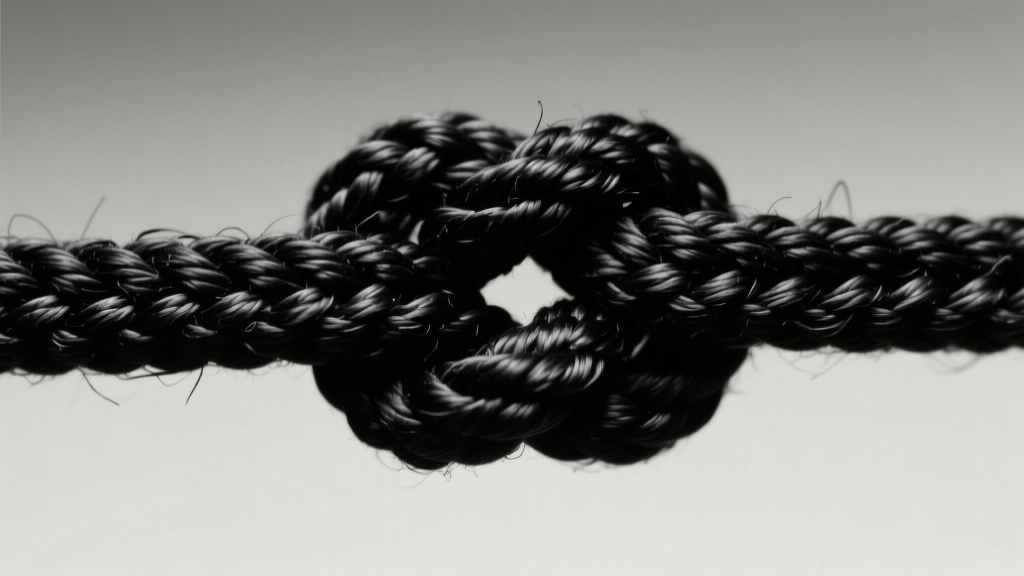
For delicate silk cords or ultra-thin 0.5mm nylon carrying lightweight gold vermeil charms, a bulky macrame knot ruins the aesthetic. Instead, use the overhand loop slip knot. Take the left cord, form a small loop, and wrap the right cord around the base of the loop twice before passing the end through the loop. Pull snug. This creates a tiny, low-profile toggle that catches on a corresponding loop on the opposite end of the necklace. As highlighted in the Artbeads Jewelry Tutorials database, this method preserves the drape of fine silk while providing adequate security for pendants under 15 grams.
Troubleshooting Common Knot Failures
Even experienced jewelers encounter slippage or seizing. Here is how to diagnose and fix structural issues in your adjustable closures:
- Knot Seizing (Won't Slide): You likely used a cord with a high-friction wax coating on both the core and working cords. Fix: Switch to a smooth, unwaxed nylon for the core cord to reduce surface drag.
- Knot Slipping (Won't Hold): The core cord is too thick relative to the working cord, preventing the knot from cinching down properly. Fix: Increase the number of square knot repetitions from 3 to 5 to create a longer, heavier barrel that generates more surface tension.
- Fraying Ends: Cutting synthetic cords without sealing them leads to rapid unraveling. Fix: Use a specialized thread burner set to 400°F to melt nylon ends into a smooth, rounded bead, rather than a flat lighter flame which leaves sharp, scratchy burrs.
Finishing and Sealing the Knots
The final step in learning how to tie slip knots for necklaces is properly finishing the tails of your working cord. For synthetic materials like nylon and polyester, trim the tails to 2mm and apply a micro-flame or thread burner until the material turns to a liquid bead, then press it flat against the knot body using a pair of flat-nose pliers. For natural fibers like silk or cotton, melting is impossible. Instead, apply a microscopic drop of cyanoacrylate (jewelry-grade super glue) to the cut end, let it cure for 60 seconds, and trim flush. Never use standard craft glue, as it will dry brittle and crack under the repetitive bending motion of an adjustable necklace.
Styling Adjustable Lengths for Modern Necklines
The true value of an adjustable slip-knot necklace lies in its styling potential. In 2026, layering is less about uniform chains and more about mixed-media juxtapositions. Pairing a thick, waxed cotton cord necklace with a delicate 14k gold chain creates a striking visual contrast.

"The beauty of the slip-knot closure is that it democratizes the neckline. A single piece can act as a choker over a high-neck ribbed sweater in the morning, and be dropped to a princess length over a silk camisole for the evening. It is the ultimate sustainable jewelry investment."
— Elena Rostova, Lead Accessories Editor
Final Thoughts on Customizable Closures
Mastering these techniques elevates your jewelry game from amateur crafting to professional design. By understanding the physics of cord friction, selecting the appropriate material grades, and executing precise knot structures, you ensure that your necklaces are not only visually stunning but mechanically sound. Whether you are designing a rugged leather piece for everyday wear or a delicate silk pendant for formal occasions, the adjustable slip knot remains an indispensable tool in the modern jeweler's repertoire.


