How to Transport Necklaces Safely: A Beginner's Guide
Learn how to transport necklaces safely without tangles or tarnish. Discover expert packing tips, anti-tarnish hacks, and TSA travel advice for jewelry.

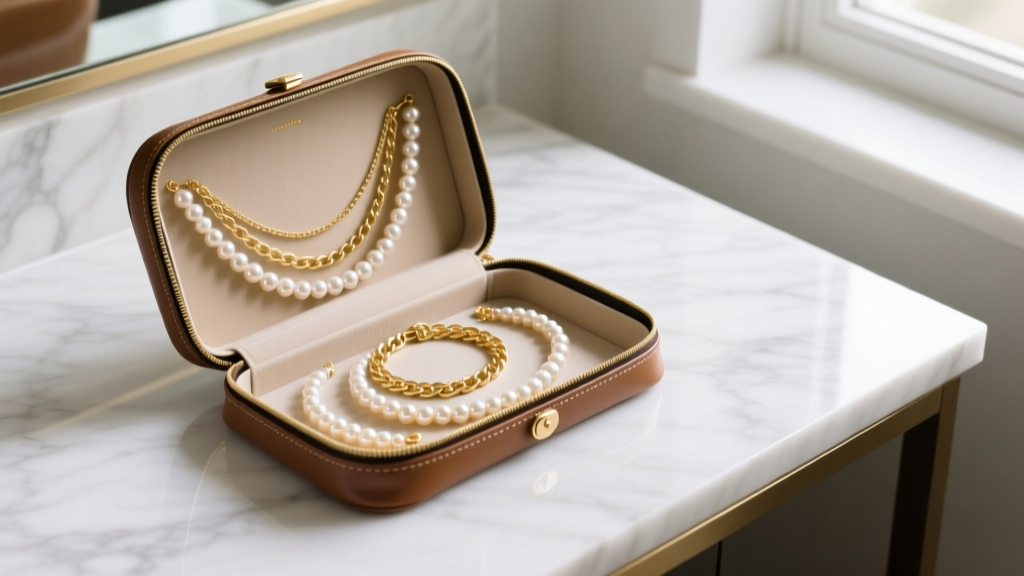
The Anatomy of a Necklace Tangle (And Why They Happen)
Before you can master how to transport necklaces, you need to understand the physics of why they tangle in the first place. Tangles are not just bad luck; they are the result of friction, chain weave geometry, and kinetic movement. When you toss multiple necklaces into a single pouch, the microscopic gaps between chain links act like tiny hooks.
According to jewelry experts, the weave of your chain dictates its travel risk. Rope chains and Herringbone chains are notorious for knotting and kinking because their complex, multi-directional links easily interlock with one another. On the other hand, Box chains and Cable chains (especially in gauges thicker than 1.2mm) have smoother, uniform profiles that naturally resist tangling. Furthermore, the clasp type matters. Spring ring clasps have a tiny lever that frequently catches on delicate mesh or snake chains, whereas smooth lobster clasps or magnetic clasps are far less likely to cause transit snags.
Step-by-Step: How to Transport Necklaces Using the Straw Hack
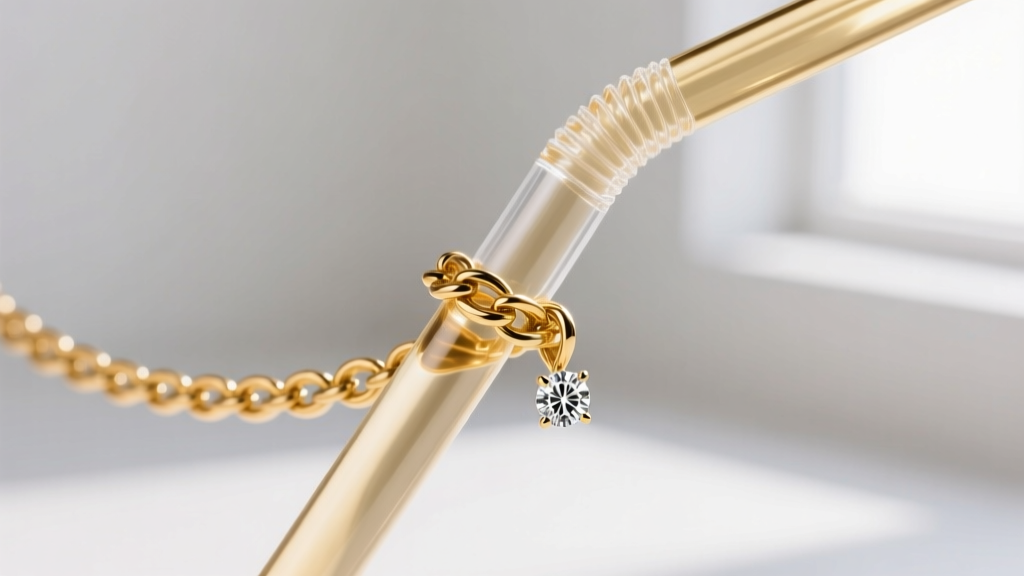
If you are traveling light and do not want to invest in a specialized jewelry roll, the "straw hack" is a legendary, beginner-friendly method for transporting delicate chains (0.5mm to 1.5mm gauge) without tangling. Here is how to execute it flawlessly:
- Prepare the Straw: Use a rigid, reusable acrylic straw or a sturdy paper straw. Avoid flimsy single-use plastic straws, as they can bend and trap the chain.
- Unclasp and Thread: Unclasp the necklace. Hold the straw vertically and drop the chain through the top. Gravity will pull the links down, but if the chain is thick, use a bobby pin to gently guide it through.
- Secure the Pendant: Allow the pendant or focal gemstone to rest outside the bottom of the straw. This prevents the metal setting from scratching the chain links inside the tube.
- Clasp it Shut: Pull the top of the chain through the top of the straw and fasten the clasp. The necklace is now locked in a rigid, untangleable tube.
This method is particularly vital for Snake chains, which are highly susceptible to permanent kinking if bent at sharp angles inside a crowded suitcase.
Commercial vs. DIY Transport Solutions: A Comparison
Choosing the right vessel for your jewelry depends on the volume of pieces you own and the nature of your trip. Below is a structured comparison of the most effective transport methods.
| Method | Best For | Pros | Cons |
|---|---|---|---|
| Velvet Jewelry Roll | Multi-day trips, varied collections | Individual snap-tabs prevent movement; soft lining prevents scratches. | Bulky; zippers can sometimes catch on fine mesh chains. |
| Hard-Shell EVA Case | Checked luggage or rough transit | Crush-proof; protects delicate gemstone settings from impact damage. | Heavy; lacks flexibility for oversized statement pendants. |
| Weekly Pill Organizer | Budget travelers, fashion jewelry | Extremely cheap; rigid compartments keep pieces 100% separated. | Unlined plastic can cause micro-scratches on high-polish gold. |
| Ziploc + Anti-Tarnish Strip | Sterling silver, long-term storage | Airtight seal blocks humidity; strips absorb corrosive gases. | High risk of tangling if multiple chains share one bag. |
Material-Specific Transport Rules
Not all metals and gemstones react to travel environments equally. The Gemological Institute of America (GIA) emphasizes that environmental factors like humidity, temperature shifts, and airborne pollutants can degrade specific materials in transit.
Sterling Silver: The Tarnish Threat
Sterling silver (92.5% silver, 7.5% copper) tarnishes when the copper alloy reacts with hydrogen sulfide and moisture in the air. If you are traveling to a humid coastal destination, your silver necklaces will rapidly oxidize if left exposed. Always transport sterling silver in an airtight ziplock bag containing a 3M Anti-Tarnish Strip. These strips absorb corrosive gases and can protect silver for up to 6 months in a sealed environment. Never wrap silver in rubber bands or standard tissue paper, as the sulfur in these materials accelerates blackening.
Pearls and Opals: The Moisture Paradox
Unlike silver, organic gems like pearls and porous stones like opals require a degree of ambient moisture to prevent cracking. Never transport pearl necklaces in airtight plastic bags for extended periods, as this will dehydrate the nacre, leading to dullness and peeling. Instead, wrap pearl strands in a soft, breathable linen or untreated cotton pouch. Furthermore, never transport pearls in direct contact with harder metals or diamonds, as pearls rank a mere 2.5 on the Mohs hardness scale and will scratch instantly.
Fine Gold and Platinum: Scratch Prevention
While 14k and 18k gold, as well as platinum, are highly resistant to tarnish, they are relatively soft metals. Platinum, in particular, develops a "patina" (micro-scratches) when rubbed against other jewelry during transit. Transport fine gold and platinum chains in individual soft flannel slots. According to Blue Nile's Jewelry Care Guide, keeping high-polish metals separated is the only way to maintain their mirror-like finish without requiring frequent professional re-polishing.
Navigating Airport Security and Hotel Safes
Transporting jewelry involves more than just preventing tangles; it also requires strategic security planning. The Transportation Security Administration (TSA) strongly advises against packing valuable jewelry in checked luggage due to the high risk of loss or theft. Always keep your necklaces in your carry-on bag.
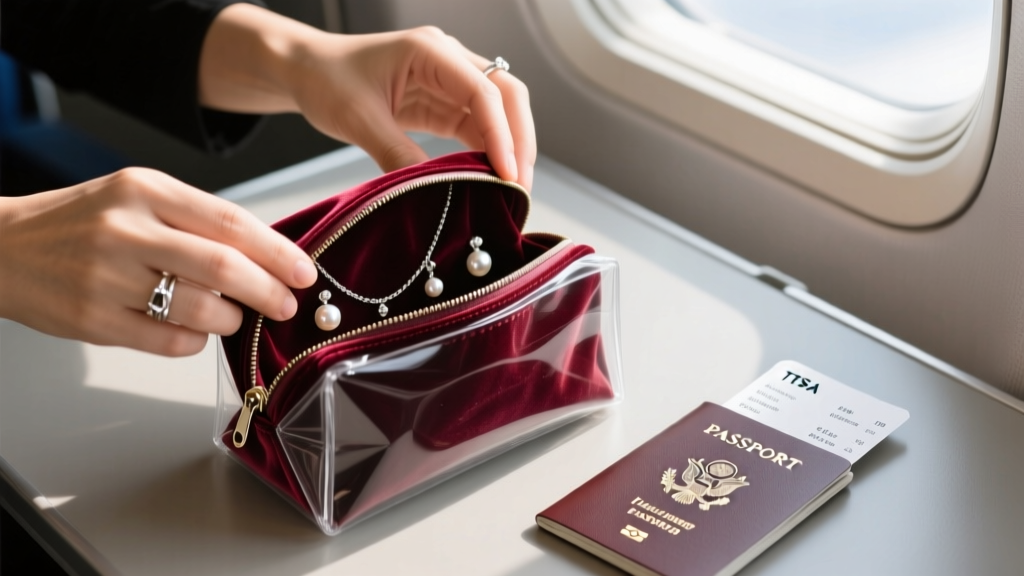
When passing through the security checkpoint, you are not required to remove fine necklaces. However, bulky statement pieces or heavy metal chokers may trigger the metal detector or body scanner. To avoid the stress of placing your jewelry in the communal, unlined gray plastic bins (where theft and scratching are common), pack a small, dedicated velvet pouch in your carry-on. Place the jewelry inside the pouch and put the entire pouch through the X-ray belt.
Once at your hotel, be wary of the in-room safe. Hotel safes are notoriously vulnerable to master codes and insider theft. If you are leaving a highly valuable diamond pendant behind, consider utilizing the hotel's main safety deposit box at the front desk, which requires dual-key authentication, or simply wear the piece.
The Emergency Detangling Protocol
Even with the best preparation, a rogue necklace may occasionally knot itself into a tight ball. If this happens, do not pull at the chain—this will only tighten the microscopic links and risk snapping the metal.
Instead, use the powder and needle method:
- Place the tangled chain on a flat, well-lit surface (a white plate works best for contrast).
- Dust the knot lightly with baby powder, cornstarch, or talcum powder. This acts as a dry lubricant, reducing the friction between the metal links.
- Take two fine sewing needles or straight pins. Insert the tips into the center of the knot and gently wiggle them in opposite directions to loosen the core.
- Work from the center outward, gently pulling the loose ends away from the knot until the chain slides free.
- Wipe the chain down with a microfiber polishing cloth to remove the powder residue before wearing.
By understanding the mechanics of your chains, utilizing smart barriers like the straw hack, and respecting the chemical needs of your metals, you can transport your entire necklace collection across the globe without a single tangle or tarnished link.


