How to Unravel a Necklace Without Ruining Its Value
Learn how to unravel a necklace safely to prevent kinks and breakage. Discover DIY untangling methods that protect your fine jewelry's resale value.

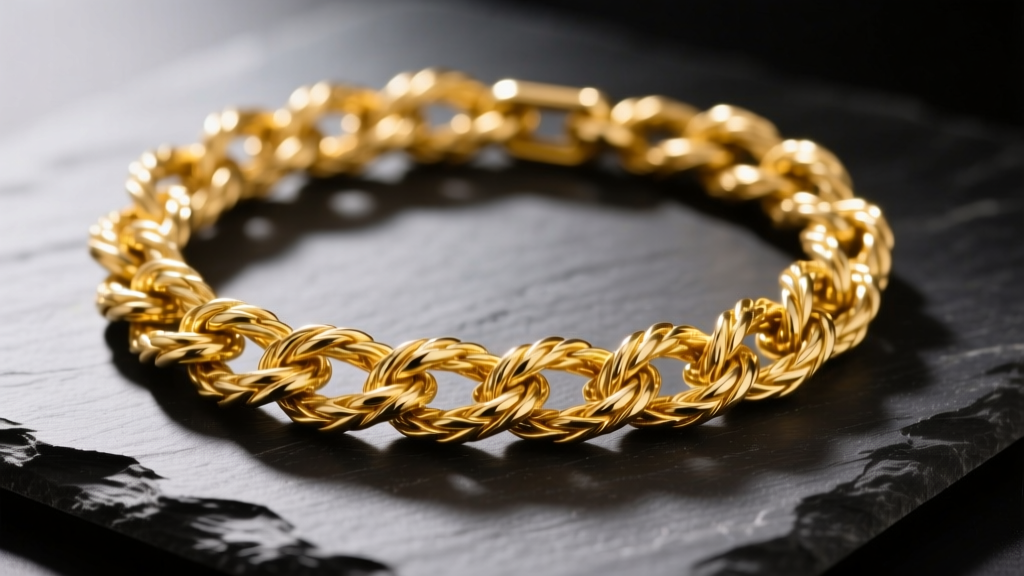
For jewelry collectors and everyday wearers alike, discovering a knotted chain inside a jewelry box is a moment of pure frustration. However, from a financial perspective, a tangled chain is more than just an annoyance—it is a direct threat to your jewelry's structural integrity and resale value. Learning how to unravel a necklace properly is a critical skill for preserving the investment you have made in fine metals and gemstones.
When precious metal chains are yanked or improperly untangled, they suffer from metal fatigue, micro-fractures, and permanent kinking. This guide approaches the untangling process through the lens of budget and value assessment, helping you weigh the risks of DIY repair against professional bench fees while providing expert-level techniques to safely restore your chains.
The True Cost of a Tangled Chain
Before attempting to pull a knot apart, it is essential to understand the financial stakes. According to industry standards tracked by Jewelers of America, the average bench fee for a jeweler to professionally untangle a severely knotted chain ranges from $35 to $75, depending on the complexity of the weave and the karat of the gold.
However, if a DIY attempt goes wrong and the chain snaps, the repair costs escalate dramatically. Laser welding a broken chain starts at $65 and can exceed $150 for complex weaves like herringbone or snake chains. Furthermore, a repaired chain rarely retains its original resale value. Buyers and appraisers look for structural continuity; a visible solder mark or a kinked section can depreciate the piece's secondary market value by 20% to 40%. Therefore, taking 20 minutes to carefully untangle a knot at home is a highly cost-effective way to protect your asset.
Chain Weave Vulnerability & Value Retention
Not all chains react to tangling in the same way. The structural geometry of the weave dictates both how easily it tangles and how much value it loses when damaged. Understanding these differences is crucial when deciding how aggressive you can be when trying to loosen a knot.
| Chain Type | Tangle Risk | Kink Vulnerability | Value Impact if Damaged | Avg. Repair Cost |
|---|---|---|---|---|
| Herringbone | Low | Extreme | Severe (Up to 50% loss) | $85 - $150 |
| Box | Moderate | Low | Minimal (Easy to fix) | $45 - $75 |
| Serpentine / Snake | Low | High | High (Permanent bends) | $75 - $120 |
| Cable / Link | High | Very Low | Low (Retains value well) | $35 - $60 |
| Rope | High | Moderate | Moderate (Fraying risk) | $60 - $95 |
As the Gemological Institute of America (GIA) notes in their jewelry care guidelines, flat-laying chains like herringbone should never be pulled forcefully when knotted, as the interlocking flat links will permanently fold, creating a weak point that reflects light poorly and ruins the chain's liquid-drape aesthetic.
Step-by-Step: How to Unravel a Necklace Safely
To protect the financial value of your jewelry, you must eliminate friction. Pulling a dry metal chain against itself creates micro-scratches and work-hardens the metal, making it brittle. Follow these professional-grade methods to loosen knots without applying destructive tensile stress.
Preparation and Tool Selection
Clear a flat, hard surface and lay down a piece of dark, non-textured paper or a silicone jewelry mat. This provides high contrast, allowing you to see the exact entry and exit points of the knot. Do not use your fingers to pull the ends of the chain; finger oils add stickiness, and pinching the chain distorts the links.
Instead, use two fine-pointed tools. A standard 0.30mm sewing needle is ideal for micro-chains (under 1.5mm width), while a #17 or #18 beading needle (0.8mm shaft) provides better leverage for heavier chains. Alternatively, straightened paperclips or dental picks work in a pinch, though they lack the precision of a needle.
The Baby Powder Method for Silver and Gold
For standard knots in cable, curb, or box chains, friction is the primary enemy. Talc-free baby powder or pure cornstarch acts as a dry lubricant.
- Generously dust the knot with the powder, ensuring it works into the center of the tangle.
- Use your two needles to gently tap and vibrate the knot. Do not pry outward yet; the goal is to let the powder settle between the metal links.
- Once the powder has coated the interior links, insert the needles into the center of the knot and gently push outward in opposite directions.
- As the knot loosens, use the needles to lift individual links out of the center, working from the inside out.
The Mineral Oil Technique for Stubborn Knots
If the knot is pulled tightly enough that the metal links are biting into one another, powder will not penetrate. In this case, you need a liquid lubricant. Use food-grade mineral oil. Never use WD-40 or household cleaning sprays, as these contain harsh solvents that can strip the patina from antique silver or degrade the porous structure of pearls and opals if they are attached to the chain.
- Apply a single drop of mineral oil directly to the center of the knot using a toothpick.
- Allow it to sit for three to five minutes to break the surface tension and seep into the microscopic gaps between links.
- Place the chain flat on your mat and use your needles to gently massage the knot, rolling the links over one another rather than pulling them apart.
- Once unraveled, immediately wash the chain in warm water with a drop of mild dish soap to remove the oil, then dry thoroughly with a microfiber cloth to prevent dust accumulation.

When to Stop: Assessing the Break-Even Point for Professional Help
Knowing when to abandon a DIY attempt is just as important as knowing how to unravel a necklace. If you have spent 15 minutes applying lubricant and gentle pressure, and the knot remains completely rigid, you have reached the break-even point where the risk of metal fatigue outweighs the cost of a professional bench fee.
If you notice the metal links beginning to warp, stretch, or change color (a sign of extreme stress on gold alloys), stop immediately. Taking the piece to a certified bench jeweler who has access to professional ultrasonic vibrations and specialized micro-pliers is the most financially sound decision. Paying a $45 untangling fee is a fractional premium to insure a $1,200 chain against catastrophic failure.
Long-Term Storage Solutions to Protect Your Investment
Once you have successfully unraveled and cleaned your necklace, proper storage is required to ensure you never have to repeat the process. Tangles occur when chains are subjected to kinetic movement in confined spaces, allowing the clasps to hook into open links.
Value-Preserving Storage Rules:
- Always fasten the clasp: An open clasp acts as a grappling hook. Securing it eliminates 80% of tangle risks.
- Use polyethylene zip bags: Store individual chains in small, archival-safe polyethylene bags. Leave the clasp hanging outside the sealed zipper line to prevent it from sliding down the chain.
- Incorporate anti-tarnish strips: For sterling silver chains, place a 3M anti-tarnish strip inside the storage bag. Tarnish creates microscopic surface roughness, which increases friction and makes future tangles much harder to undo.
- Hang heavy pendants: If the necklace features a heavy pendant (over 15 grams), store it hanging vertically on a padded jewelry stand or rolled loosely in a flannel pouch to prevent the weight of the pendant from pulling the chain into a knot.
"Preserving the value of fine jewelry is less about occasional polishing and more about the daily mitigation of structural risks. A carefully untangled and properly stored chain will outlast and outvalue a neglected one by decades."
By treating the untangling process as an exercise in asset preservation rather than a mere chore, you safeguard both the physical beauty and the financial worth of your jewelry collection. With the right tools, lubricants, and patience, you can safely restore any knotted chain to its pristine, liquid-drape condition.


