Hummingbird Pendant Necklace: 2026 Trend Analysis & Style Guide
Discover why the hummingbird pendant necklace is the breakout jewelry trend of 2026. Explore styling tips, metal grades, and chain pairings.

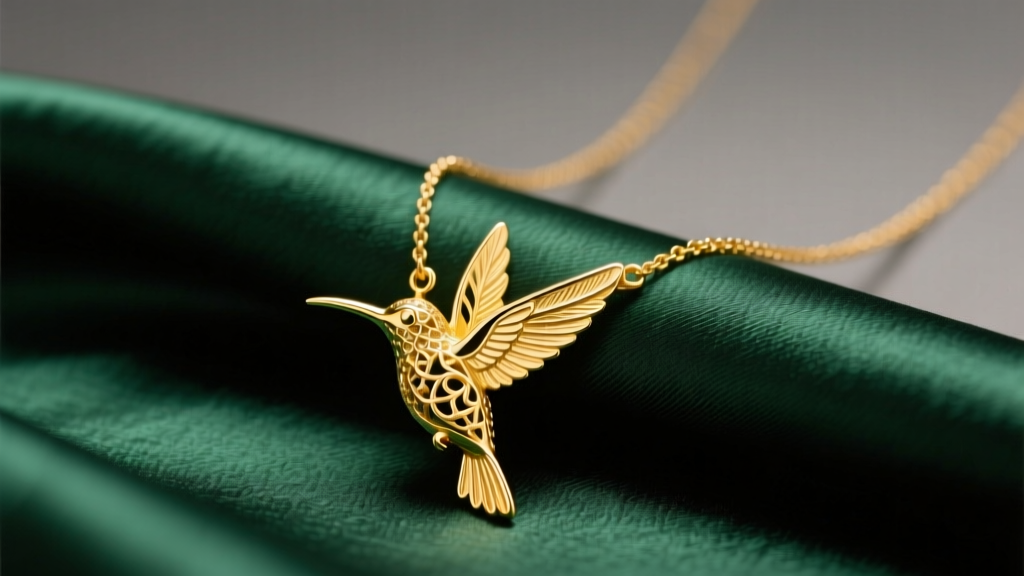
The Resurgence of Avian Motifs in 2026 Fine Jewelry
As we navigate the 2026 jewelry landscape, a distinct shift is occurring away from the stark, minimalist geometry that dominated the early 2020s. In its place, organic, kinetic motifs are taking center stage, with the hummingbird pendant necklace emerging as a definitive breakout piece. According to trend forecasters at Vogue, the modern consumer is seeking jewelry that embodies movement, resilience, and a connection to the natural world. The hummingbird, with its iridescent plumage and rapid, hovering flight, perfectly captures this zeitgeist.
Unlike heavier, static animalier jewelry of the past, today's hummingbird pendants are masterclasses in micro-artistry. Jewelers are utilizing advanced CAD modeling and traditional lost-wax casting to create articulated wings and micro-pavé diamond accents that catch the light with every breath the wearer takes. This is not merely a novelty charm; it is a sophisticated statement piece that bridges the gap between fine jewelry and wearable art.
Symbolism Meets Micro-Artistry
Beyond its aesthetic appeal, the hummingbird carries profound symbolism. In various cultures, it represents joy, healing, and the ability to navigate life's challenges with agility. For the 2026 collector, wearing a hummingbird pendant necklace is a talisman of resilience. Artisans are highlighting this symbolism by incorporating vibrant gemstones—such as tsavorite garnets for the throat and Paraíba tourmalines for the wings—to mimic the bird's natural iridescence without relying solely on enamel.
Material Breakdown: Choosing the Right Metal and Enamel
The defining feature of a high-quality hummingbird pendant is often its use of color. While gemstones provide sparkle, enamel provides the deep, saturated hues necessary to replicate the bird's feathers. However, not all enamel is created equal. Understanding the difference between modern epoxies and traditional vitreous enamels is critical for assessing both the value and longevity of your piece.
| Enamel Type | Process & Material | Price Range (14k/18k Gold) | Durability & Care |
|---|---|---|---|
| Cold Enamel (Epoxy) | Poured resin cured at room temperature. | $250 - $600 | Low. Prone to scratching and yellowing from UV exposure over time. |
| Guilloché | Vitreous glass fused over engine-turned metal grooves. | $1,200 - $3,500 | Medium. Brilliant depth, but glass can chip if dropped on hard surfaces. |
| Plique-à-jour | Backless vitreous enamel suspended in metal cells (stained glass effect). | $4,500 - $12,000+ | High Fragility. Heirloom quality; requires meticulous, careful wear. |
For everyday wear, a hummingbird pendant featuring champlevé or high-grade guilloché enamel set in 14k solid gold offers the best balance of vibrancy and structural integrity. Avoid cold enamel if you intend to wear the piece daily in direct sunlight, as the epoxy will inevitably degrade.
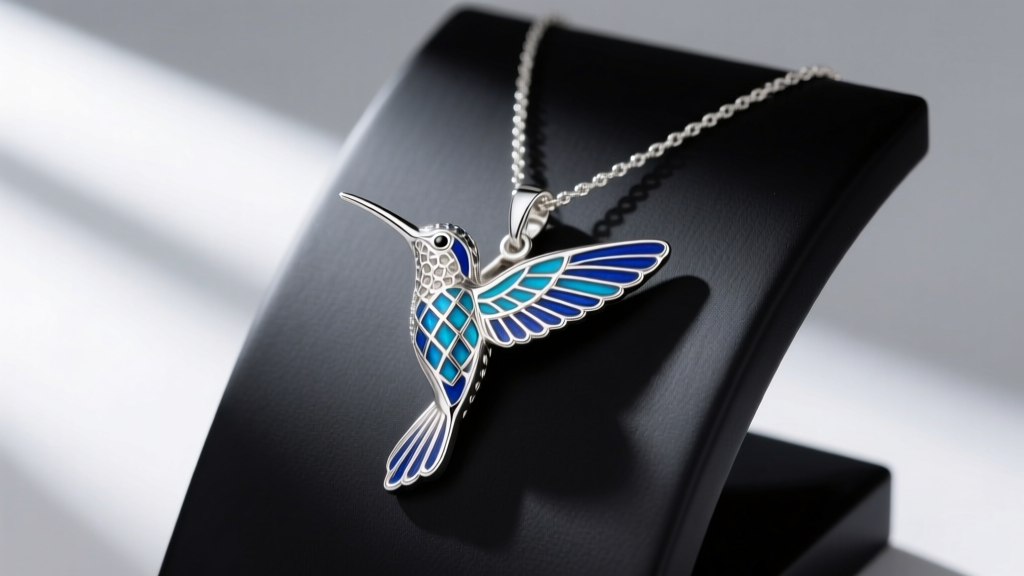
Chain Pairings: Matching the Pendant to the Right Chain
A common mistake collectors make is pairing an intricate, lightweight hummingbird pendant with an overly thick or heavy chain. The bail (the loop connecting the pendant to the chain) on these micro-sculptures is typically petite, measuring around 3mm by 4mm. Therefore, your chain must be proportionate, secure, and capable of sliding through the bail without friction.
- 1.0mm - 1.2mm Cable Chain: The gold standard for pendants weighing under 6 grams. The simple, unadorned links allow the hummingbird to remain the focal point. Ensure the links are soldered to prevent pulling apart.
- 1.1mm Box Chain: Offers a slightly more modern, geometric contrast to the organic shape of the bird. Box chains are exceptionally strong due to their interlocking square links, making them ideal for 18k gold pieces that are naturally softer than 14k.
- 0.9mm Wheat (Spiga) Chain: Provides a beautiful, braided texture that mimens the organic feel of the pendant. However, wheat chains can sometimes trap body oils and lotions, requiring more frequent ultrasonic cleaning (provided the pendant has no enamel or fracture-filled gems).
Pro Tip: Always check the clasp. A 1.2mm chain requires a sturdy lobster clasp or a secure spring ring. Avoid decorative toggle clasps for lightweight pendants, as the weight distribution is often insufficient to keep the toggle locked in place.
Styling the Hummingbird Pendant Necklace for Every Neckline
The versatility of the hummingbird pendant necklace lies in its ability to adapt to various necklines, provided you adjust the chain length accordingly. The kinetic nature of the pendant means it should always rest in a zone where it can catch the light and move freely.
V-Necks and Scoop Necks
For V-necks and deep scoop necks, an 18-inch chain is optimal. This length allows the hummingbird to rest precisely in the negative space of the neckline, creating a natural focal point. If the pendant features a diamond halo or micro-pavé wings, the exposure of the décolletage will maximize light return. Pair this with 14k or 18k yellow gold to warm up the skin tone and contrast beautifully with navy, emerald, or black fabrics.
High Collars and Turtlenecks
When styling with high collars, cashmere turtlenecks, or structured blouses, opt for a 20-inch to 22-inch chain. This transforms the hummingbird pendant into a longer, sweeping layering piece. In this configuration, the pendant rests on the fabric rather than the skin. To ensure the piece doesn't get lost in the texture of a heavy knit, choose a hummingbird pendant with a high-polish gold finish or bright enamel accents that provide stark contrast against the matte fabric.
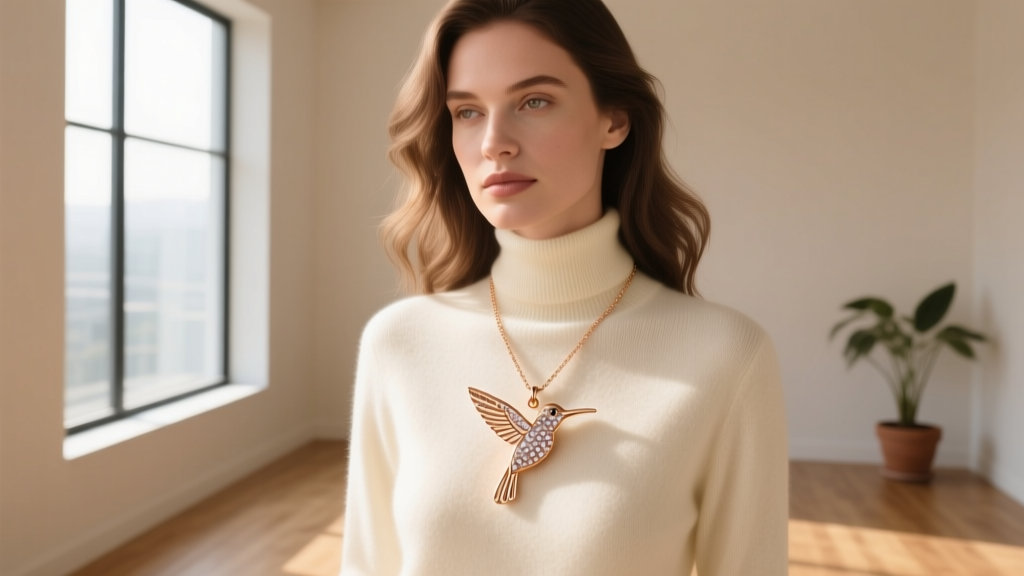
Investment and Care: Maintaining Enamel and Gemstone Accents
Investing in a fine jewelry hummingbird pendant requires a commitment to proper maintenance, particularly if the piece incorporates vitreous enamel or delicate gemstone inlays. The Gemological Institute of America (GIA) consistently warns against the careless use of ultrasonic cleaners and steamers on treated stones and enameled jewelry.
'Vitreous enamel is essentially glass fused to metal. While it is highly resistant to chemicals and UV light, it is susceptible to thermal shock and hard impacts. Ultrasonic vibrations can cause micro-fractures in the enamel, leading to eventual crazing or chipping.' - GIA Jewelry Care Guidelines
Your Cleaning Protocol:
- Daily Care: Wipe the gold or platinum setting with a soft, lint-free microfiber cloth to remove skin oils and lotions.
- Deep Cleaning (Gemstones Only): If your hummingbird features diamonds or sapphires (and no enamel), you can use a soft-bristled baby toothbrush with warm water and a drop of mild, ammonia-free dish soap.
- Deep Cleaning (Enamel Pieces): Never submerge enameled pendants. Instead, use a barely damp Q-tip to gently clean around the metal settings, avoiding direct pressure on the enamel cells.
Final Verdict: Is the Hummingbird Pendant Worth the Investment?
The hummingbird pendant necklace is far more than a fleeting seasonal fad. Its roots in classical jewelry motifs, combined with modern micro-casting techniques and a profound symbolic resonance, give it lasting power in a well-curated collection. Whether you opt for an accessible sterling silver and cold enamel piece for daily whimsy, or commission a bespoke 18k gold and plique-à-jour heirloom, this avian marvel offers a unique blend of artistry and personal expression that will remain relevant long after 2026 concludes.


