16 18 20 Inch Necklace Materials: Drape & Durability
Discover how metal density and chain gauge impact the drape of a 16 18 20 inch necklace. Expert material comparisons for optimal durability and style.

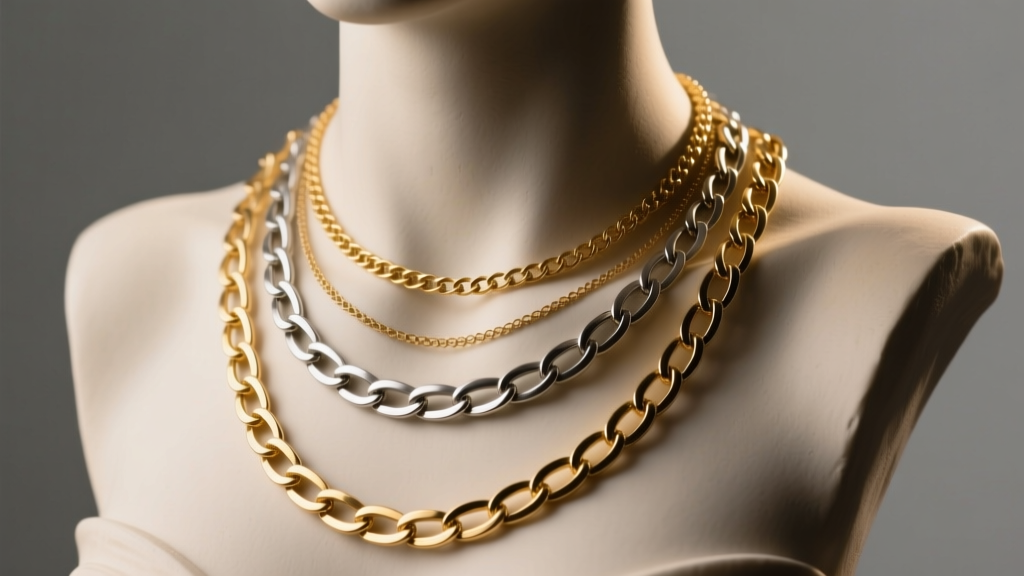
The Physics of Necklace Lengths: Why Material Matters
When building a versatile jewelry wardrobe, understanding the mechanics behind a 16 18 20 inch necklace progression is critical. Most style guides focus purely on aesthetics—where the chain falls on the collarbone or chest. However, as any master jeweler will tell you, the length of a chain fundamentally alters its physical behavior, tension points, and material wear rate. A 16-inch choker experiences vastly different friction and skin-contact dynamics than a 20-inch matinee chain that swings freely with the wearer's movement.
The interplay between metallurgical density, chain link geometry, and overall length dictates how a piece drapes, how it ages, and how it interacts with human skin chemistry. According to the Gemological Institute of America (GIA), the alloy composition of precious metals not only determines their color but also their Vickers hardness and tensile strength. When we apply these material properties to specific necklace lengths, a clear framework for selection emerges.
16-Inch Collar & Choker: High-Friction Dynamics
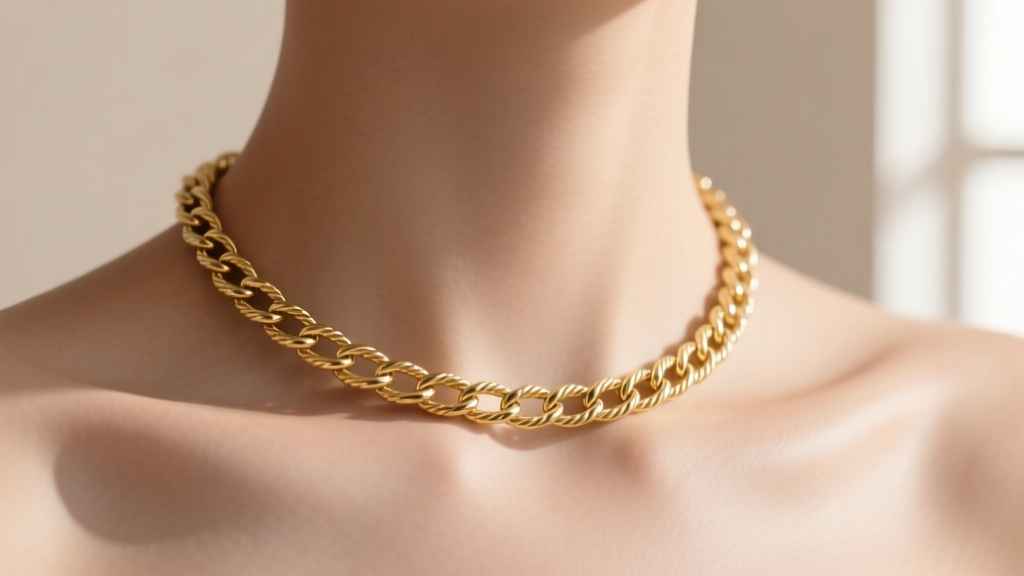
The 16-inch length sits snugly at the base of the throat or directly on the collarbone. Because it moves with the neck and maintains near-constant contact with the skin, this length is subject to high friction, sweat exposure, and cosmetic transfer. Therefore, the material must possess a low friction coefficient and high corrosion resistance.
Optimal Materials for 16-Inch Chains
- 18k Yellow Gold (75% Pure): With a Vickers hardness of roughly 110-130 HV, 18k gold is relatively soft. For a 16-inch chain, this softness is actually an advantage; it allows the chain to articulate fluidly around the neck without stiff kinking. However, it requires a thicker gauge (minimum 1.5mm) to prevent stretching.
- Platinum 950: Extremely dense (21.45 g/cm³) and hypoallergenic. A 16-inch platinum chain will feel substantial and will not degrade from skin acids. The Rio Grande jewelry manufacturing experts note that platinum's durability makes it ideal for tight-fitting collars that endure daily tension.
- 316L Surgical Steel: Highly rigid and resistant to oxidation. While excellent for durability, steel lacks the micro-flexibility of gold, meaning a 16-inch steel chain must utilize highly articulated links (like a woven mesh or fine rope) to prevent it from feeling like a stiff wire against the throat.
18-Inch Princess: The Pendant Anchor
The 18-inch princess length is the industry standard, resting just below the collarbone. This length is the primary workhorse for pendant necklaces. Because it acts as an anchor for added weight, the material's tensile strength and the clasp's mechanical integrity are the most vital properties to evaluate.
A chain is only as strong as its weakest link, but an 18-inch necklace is only as secure as its clasp-to-chain jump ring connection. Always inspect the gauge of the jump ring holding your pendant.
Weight Distribution and Chain Styles
At 18 inches, the chain forms a wider parabolic curve, distributing the weight of a pendant across the back of the neck rather than concentrating it at the nape. For heavy stone pendants (over 15 grams), avoid delicate cable chains. Instead, opt for Box chains or Rolo chains in 14k gold or platinum. Box chains, constructed from interlocking square links, offer superior structural rigidity and resist the micro-abrasions caused by the constant swaying of a heavy pendant bail.
If you are utilizing sterling silver for an 18-inch piece, be aware that the friction from a swinging pendant bail will accelerate oxidation at the center-front links. Rhodium plating can mitigate this, but it will eventually wear away at the bail contact point, requiring periodic re-plating.
20-Inch Matinee: Swing, Snag, and Weight Distribution
Dropping to the 20-inch matinee length introduces a new physical variable: momentum. A 20-inch chain swings away from the body, making it prone to snagging on clothing and experiencing sudden tensile shocks if caught. Furthermore, the sheer volume of metal required for a 20-inch chain means that dense materials will become uncomfortably heavy and fatigue the cervical spine over long wear periods.
Lightweight & High-Strength Alternatives
- Grade 23 Titanium (Ti-6Al-4V ELI): With a density of just 4.43 g/cm³ (about a quarter that of gold), titanium allows for thick, bold, 20-inch statement chains that weigh mere grams. Its immense tensile strength ensures it will snap the clothing it catches on before the chain itself breaks.
- Anodized Aluminum: Frequently used in avant-garde or oversized link designs. Aluminum is virtually weightless, making it the only viable material for massive, chunky 20-inch link chains that won't cause physical discomfort.
- Hollowed 14k Gold Tubing: For traditional precious metals, manufacturers use hollow tube technology to create voluminous 20-inch rope chains. While lightweight, these are highly susceptible to crushing if snagged violently, as the thin gold walls cannot rebound from impact.
Material Weight & Tensile Strength Comparison Chart
To visualize how different metals behave across the 16 18 20 inch necklace spectrum, review the material properties table below. This data assumes a standard 2.0mm diameter cable chain profile.
| Material Grade | Density (g/cm³) | Approx. Weight at 20" (2mm) | Vickers Hardness (HV) | Best Length Application |
|---|---|---|---|---|
| 14k Yellow Gold | 12.9 | 24.5 grams | 130 - 150 | 18" Princess (Pendants) |
| 18k Yellow Gold | 15.2 | 28.8 grams | 110 - 130 | 16" Choker (Fluid Drape) |
| Platinum 950 | 21.45 | 41.2 grams | 110 - 130 | 18" Heavy Pendant Anchor |
| 316L Surgical Steel | 8.0 | 15.5 grams | 150 - 200 | 20" Durable Everyday |
| Grade 23 Titanium | 4.43 | 8.4 grams | 320 - 350 | 20"+ Lightweight Statement |
Clasp Mechanics Across Different Gauges
The material of your necklace must be matched with an appropriately scaled clasp. A common failure point in jewelry design is the mismatch of clasp weight to chain length and material density.
For a 16-inch 18k gold chain, a 5mm spring ring clasp is sufficient. The chain is short enough that the clasp naturally migrates to the back of the neck and stays hidden. However, for a 20-inch platinum or heavy gold chain, a small spring ring will fail to counterbalance the weight of the front drape. The chain will constantly slide forward, bringing the clasp to the front of the chest. To solve this, jewelers utilize heavier 12mm lobster clasps or integrated magnetic slide clasps, which add just enough counterweight at the nape to keep the chain properly oriented.
Final Verdict: Matching Your Metal to Your Measurement
Selecting the perfect piece requires looking beyond the mirror and considering the physics of wear. If you prefer the intimate, high-friction fit of a 16-inch choker, prioritize soft, hypoallergenic precious metals like 18k gold or platinum that articulate smoothly against the skin. If you need an 18-inch workhorse to carry heavy gemstone pendants, rely on the tensile strength of 14k gold box chains or platinum rolo links. Finally, if you are stepping into the 20-inch matinee territory where swing and snag hazards increase, pivot toward high-strength, low-density materials like Grade 23 titanium to ensure your necklace survives the momentum of daily life.


