Indian Necklace Wedding Trends 2026: Polki, Jadau & Modern Styles
Explore 2026 Indian necklace wedding trends. Compare Polki, Kundan, and Temple jewelry, master bridal layering, and avoid material scams.

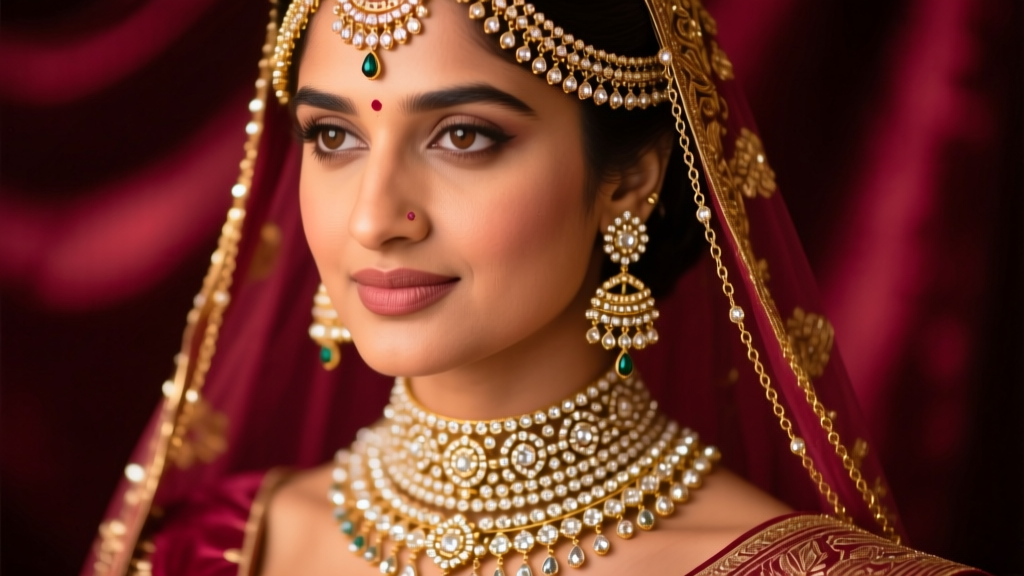
The 2026 Shift: Heritage Meets Contemporary Bridal Styling
The landscape of bridal jewelry is undergoing a massive transformation. When modern brides search for the perfect indian necklace wedding piece, they are no longer settling for single, overwhelmingly heavy heirlooms that sit in a locker after the big day. The 2026 bridal season is defined by modularity, versatile layering, and a demand for transparency in material sourcing. Today’s bride wants a heritage piece that can be deconstructed—a heavy Jadau choker that separates into a minimalist pendant and a delicate chain for the reception, or a Temple jewelry set that transitions seamlessly from the mandap to a corporate gala.
This shift is driven by a desire for investment value without sacrificing aesthetic agility. Designers are responding by engineering hidden clasps, detachable layers, and lightweight 18k gold backing structures that maintain the opulent look of traditional 22k gold while reducing the physical strain on the bride’s neck. Understanding the nuances of these designs, from the exact karat purity to the specific gemstone setting techniques, is critical for making an informed bridal investment.
Decoding the Big Three: Jadau, Polki, and Temple Jewelry
To navigate the market, you must understand the distinct craftsmanship behind the three most coveted styles of Indian bridal necklaces. The terminology is often misused by retailers, leading to costly mistakes.
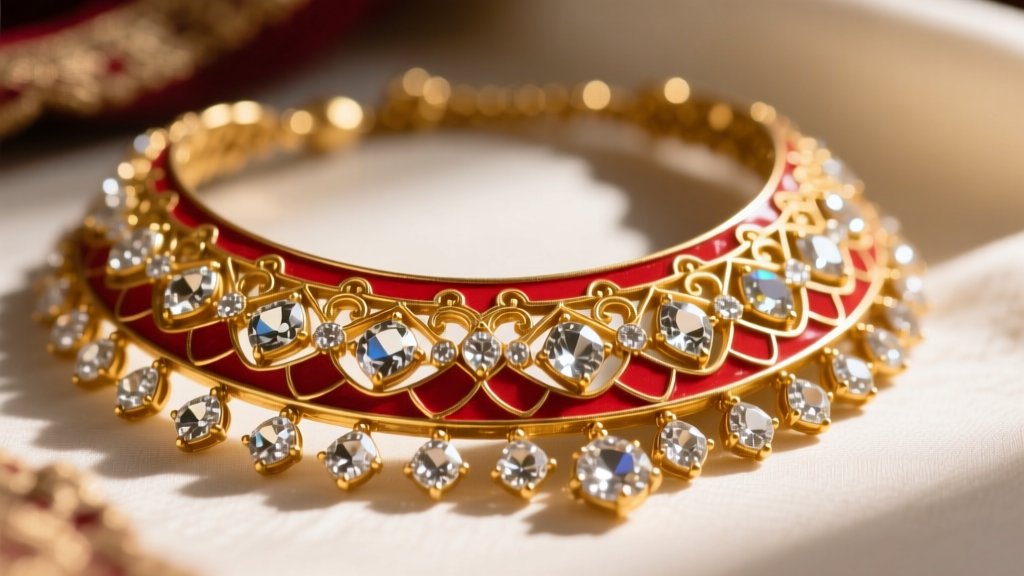
1. Polki and the Jadau Technique
Polki refers to uncut, unpolished natural diamonds. They lack the faceted brilliance of modern cut diamonds but offer a soft, ethereal glow. Jadau, on the other hand, is not a stone but a setting technique originating from Rajasthan. According to the Gemological Institute of America (GIA), authentic Polki diamonds are natural and should be verified for their untreated origin. In the Jadau process, artisans use pure 24k gold foil (varak) to secure the Polki stones into a 22k gold framework without prongs. The reverse is often adorned with intricate Meenakari (enamel work).
2. Kundan: The Glass Alternative
Often confused with Polki, traditional Kundan jewelry uses highly refined glass or synthetic stones instead of diamonds, set using the same gold foil technique. While visually striking and significantly more affordable, it lacks the intrinsic gemological value of Polki. In 2026, high-end designers are using lead-free, high-refractive-index glass to mimic the depth of diamonds, but buyers must be wary of retailers passing off Kundan glass as Polki diamonds.
3. Temple Jewelry: The Matte Gold Standard
Originating from the Chola dynasty, Temple jewelry features matte-finished 22k gold depicting deities like Lakshmi and peacocks. The matte texture is achieved through meticulous acid-washing and brushing. A genuine Temple bridal choker is heavy, often weighing between 80g and 150g, and relies on interlocking links rather than stone settings, making it one of the most durable and easily resizable options available.
Material & Pricing Comparison Chart
| Jewelry Type | Primary Material | Base Metal | Average Bridal Weight | 2026 Price Range (USD) |
|---|---|---|---|---|
| Authentic Polki (Jadau) | Uncut Natural Diamonds | 22k Gold (916) | 90g - 180g | $8,000 - $45,000+ |
| Traditional Kundan | Refined Glass / Synthetics | Gold-Plated Silver or 18k Gold | 60g - 120g | $600 - $3,500 |
| Temple Jewelry | Matte Gold, Rubies, Emeralds | 22k Gold (916) | 80g - 200g | $4,500 - $15,000 |
| Pachchikam | Uncut Semi-Precious / Glass | Silver with Gold Plating | 50g - 100g | $300 - $1,200 |
The Art of the 2026 Bridal Layer: Necklines & Proportions
The modern indian necklace wedding aesthetic is all about the stack. However, layering heavy heritage pieces requires a strict adherence to proportional spacing to avoid a cluttered, chaotic look. The golden rule of bridal layering is a minimum 4-inch drop between each necklace tier.
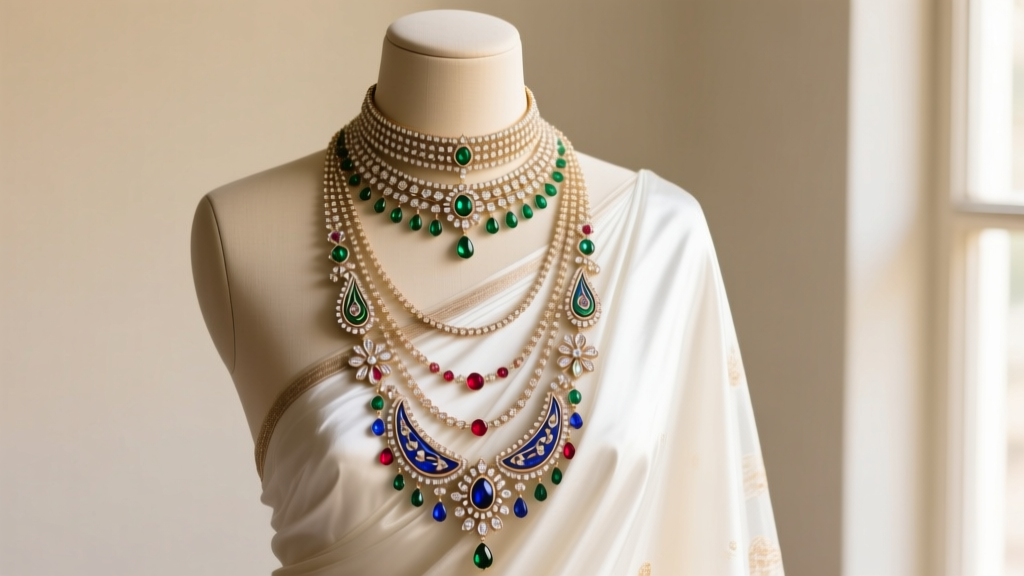
- The Choker (14 to 16 inches): Sits flush against the collarbone. Ideal for sweetheart and high-neck blouses. In 2026, detachable chokers with a central removable pendant are trending, allowing the bride to lighten the piece for post-wedding events.
- The Rani Haar (20 to 24 inches): The princess-length layer that rests on the upper chest. This is where you introduce colored gemstones—think emerald drops or ruby cabochons—to contrast with the gold or diamond choker above it.
- The Satlada / Opera (28 to 36+ inches): The Satlada (meaning 'seven strings') is a statement piece that falls below the bust. Because of its immense weight, modern iterations use hollow gold beads and silk thread cores to reduce the strain on the cervical spine while maintaining the opulent drape.
Stylist Pro-Tip: Never layer a heavy Polki choker with a heavily embroidered zari neckline. The metallic threads in the fabric will scratch the soft 24k gold foil backing of the Jadau setting. Always use a velvet or silk neckline buffer.
Material Grades & Authenticity: Avoiding Failure Modes
The most common point of failure in Indian bridal jewelry is premature tarnishing and structural warping. Understanding the metallurgy behind your purchase is non-negotiable.
The Silver-Base Tarnish Trap
To reduce costs and weight, many mid-tier designers craft Kundan and Polki sets on a sterling silver base, plated with gold. If the gold plating is less than 2.5 microns thick, the silver will react with sulfur in the air and the bride’s perspiration. This causes the silver to oxidize, turning the gold surface a sickly black or green within months. Always demand a gold-plating thickness certificate or opt for a solid 18k gold base, which is structurally sound and tarnish-resistant.
Verifying the 916 Hallmark
For Temple jewelry and solid gold chains, purity is everything. The Bureau of Indian Standards (BIS) mandates the 916 hallmark for 22-karat gold, meaning the piece contains 91.6% pure gold. In 2026, laser-hallmarking is standard. Inspect the clasp and the back of the central pendant under a jeweler's loupe for the BIS triangle logo, the 916 mark, and the jeweler’s unique identification number. If the hallmark is stamped rather than laser-engraved on a new piece, proceed with caution.
Investment vs. Costume: Navigating the Price Spectrum
Bridal budgets vary wildly, and the market has segmented to accommodate both generational investments and single-day fashion statements.
The Investment Tier ($10,000+)
Authentic Jadau Polki sets crafted in solid 22k gold. These pieces appreciate in value based on the rising cost of raw, uncut diamonds and gold. They require professional ultrasonic cleaning (with strict avoidance of the Meenakari backing) and should be stored in airtight, anti-tarnish cloths with silica gel packets.
The Heirloom Alternative ($2,000 - $8,000)
High-quality Temple jewelry and 18k gold sets featuring lab-grown Polki alternatives or high-grade cubic zirconia set in authentic gold. These offer the exact visual weight and drape of traditional pieces but rely on the gold value rather than gemstone rarity for their baseline cost.
The Fashion Tier (Under $1,000)
Silver-based Kundan and Pachchikam sets. Perfect for brides who prioritize intricate design and color over intrinsic material value. To maximize the lifespan of these pieces, apply a clear, jewelry-grade nano-coating spray to the back and edges before wearing to create a moisture barrier against sweat.
Final Styling Verdict for the Modern Bride
The 2026 approach to the indian necklace wedding ensemble is about intentionality. It is no longer about wearing every piece of gold the family owns. It is about selecting a meticulously crafted, hallmarked choker that honors heritage, layered with a fluid, lightweight Rani Haar that allows the bride to move, dance, and breathe. By demanding transparency in gemstone origins, verifying gold plating microns, and mastering the 4-inch layering rule, you secure a bridal look that is both culturally resonant and flawlessly modern.


