Infinity Necklace with Birthstones: 2026 Trend Guide
Discover how the infinity necklace with birthstones is evolving in 2026. Explore setting techniques, metal grades, and layering frameworks.

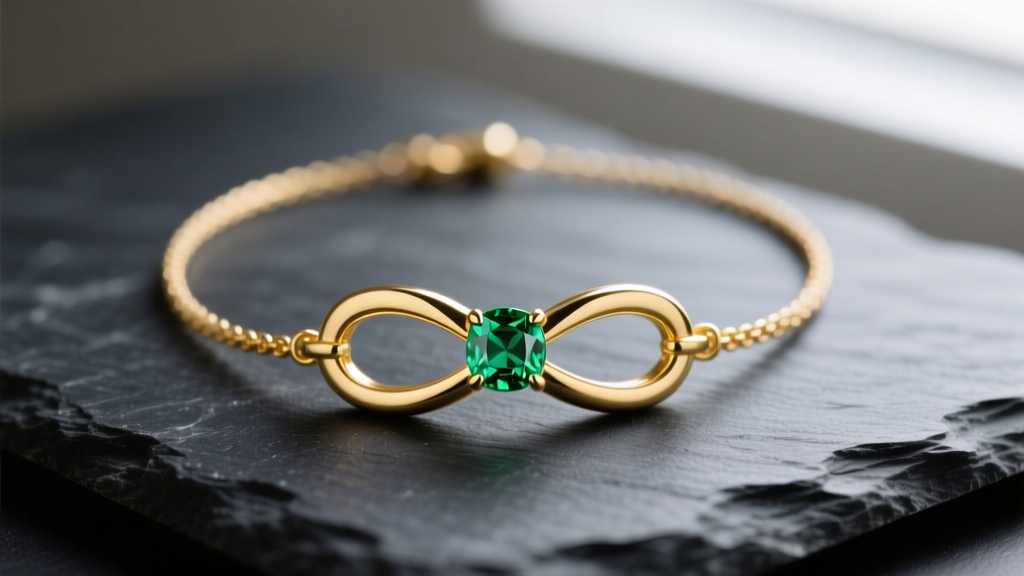
The infinity necklace with birthstones has long occupied a specific niche in the jewelry market: the sentimental, accessible gift. Historically, this meant hollow-cast pendants, thin gold plating over brass, and synthetic stones glued into basic prong settings. However, as we navigate the 2026 jewelry landscape, a massive stylistic and structural shift is underway. Driven by the 'quiet luxury' movement and a consumer demand for hyper-personalization, the infinity motif is being reimagined by bespoke jewelers and fine jewelry houses alike. Today, we are analyzing the technical and stylistic evolution of this iconic piece, breaking down exactly what to look for in metal grades, stone settings, and chain engineering.
The 2026 Shift: From Sentimental Novelty to Heirloom Fine Jewelry
In previous decades, the infinity symbol was heavily commercialized, often resulting in flimsy designs that tarnished or broke within months. The 2026 consumer, heavily influenced by sustainable buying habits and investment dressing, is rejecting disposable jewelry. According to the Bain & Company Global Luxury Report, modern buyers are increasingly prioritizing 'emotional durability'—pieces that hold sentimental value but are constructed to last generations. This means the modern infinity necklace with birthstones is being forged in solid 14k and 18k gold, featuring precision CAD-designed galleries and ethically sourced, precision-cut gemstones.
Material & Setting Matrix: Engineering the Modern Infinity
When investing in a personalized infinity pendant, the metal alloy and the stone setting technique dictate the piece's lifespan. The infinity loop requires structural integrity at the crossover point, which is a common failure zone in poorly engineered jewelry. Below is a technical breakdown of the materials dominating the 2026 market.
| Metal Grade | Purity & Composition | Best Setting Technique | 2026 Price Premium |
|---|---|---|---|
| 14k Solid Gold | 58.5% Gold, alloyed with copper/zinc | Prong or Flush (Gypsy) Set | Baseline (Standard) |
| 18k Solid Gold | 75% Gold, richer color, softer tensile strength | Bezel Set (for stone protection) | +25% to 35% |
| 950 Platinum | 95% Platinum, 5% Ruthenium/Iridium | Micro-Pavé or Shared Prong | +60% to 80% |
The Crossover Vulnerability
The exact point where the infinity symbol crosses over itself is structurally vulnerable if cast too thinly. High-end 2026 designs utilize a 'tapered overlap' where the top ribbon is cast at 1.2mm thickness and the bottom ribbon at 0.8mm, creating a shadow line that gives a 3D illusion without compromising the tensile strength of the pendant. Always inspect the crossover point; if light passes through a gap that looks smaller than 0.5mm, the piece is at high risk of snapping under the torque of daily wear.
Birthstone Sourcing: Mohs Hardness and Setting Compatibility
Not all birthstones are created equal, and treating them identically in an infinity setting is a recipe for chipped gems. The Gemological Institute of America (GIA) emphasizes the critical importance of the Mohs scale of mineral hardness when determining how a stone should be set in a daily-wear pendant.
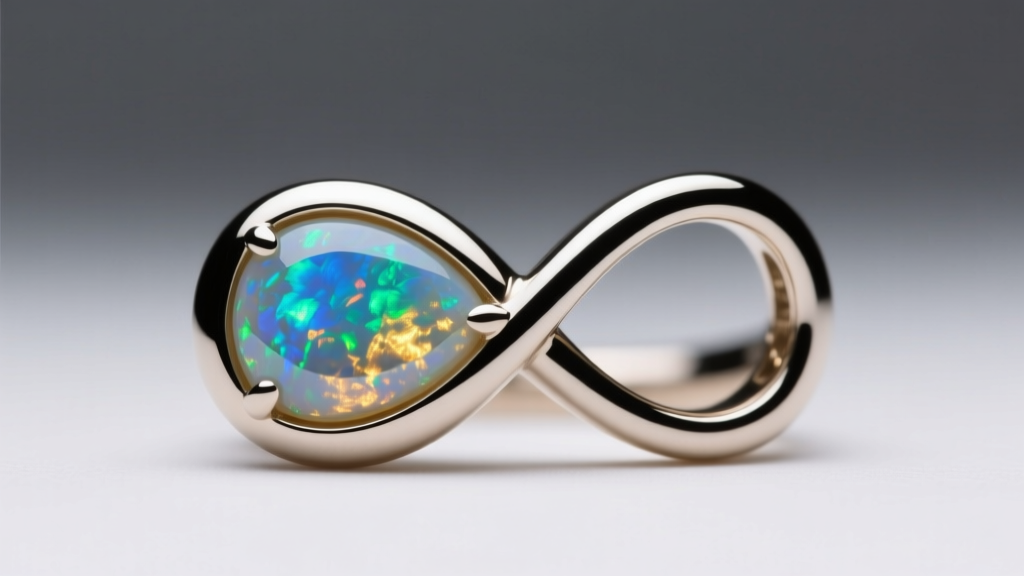
If you are designing or purchasing an infinity necklace with birthstones for months like October (Opal, Mohs 5.5-6.5) or June (Pearl, Mohs 2.5-4.5), traditional prong settings are a liability. Prongs expose the girdle and culet of the stone to impacts. For softer stones, 2026 trend leaders are utilizing flush settings (where the stone is embedded directly into the metal ribbon of the infinity symbol) or rub-over bezel settings that completely encase the stone's edge. Conversely, for April (Diamond, Mohs 10) or September (Sapphire, Mohs 9), delicate micro-prong settings are highly encouraged to maximize light return and brilliance across the infinity loop.
Pro-Tip: If your birthstone is an Emerald (May, Mohs 7.5-8), remember that while it is relatively hard, it is highly brittle and heavily included. Avoid setting emeralds in the curved apex of the infinity loop where metal bending could fracture the stone.
Chain Engineering: Matching Pendant Weight and Gauge
A common failure mode in personalized necklaces is the mismatch between the pendant's weight and the chain's gauge. The infinity necklace with birthstones often features multiple stones, pushing the pendant weight into the 3.5 to 6.0-gram range. A standard 0.8mm cable chain will stretch and eventually snap at the jump ring under this load.
- 0.9mm - 1.1mm Cable Chains: Only suitable for minimalist, single-stone infinity pendants weighing under 2.5 grams.
- 1.5mm - 2.0mm Rolo or Wheat Chains: The 2026 standard for multi-stone infinity pendants. The interlocking links of a wheat chain distribute weight evenly, preventing kinking.
- Clasp Hardware: Discard the spring-ring clasp. Upgrade to a 5mm or 6mm solid lobster clasp with a reinforced soldered jump ring to ensure the necklace stays secure.
Styling Framework: Layering the Infinity Motif
The era of wearing a single, isolated sentimental pendant is fading. In 2026, the infinity necklace with birthstones is treated as the foundational anchor in a curated, asymmetrical necklace stack. To achieve a high-end, editorial look rather than a cluttered one, follow the 'Rule of Ascending Geometry'.
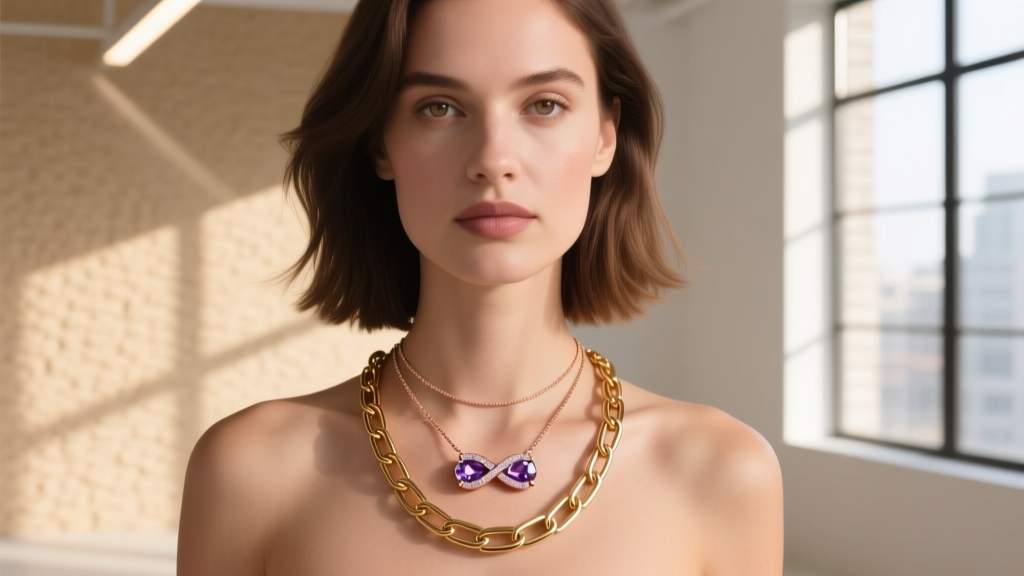
Start with your infinity birthstone necklace on a 16-inch chain, sitting flush against the collarbone. This serves as your intimate, personalized anchor. Next, add a 18-inch solitaire pendant (such as a simple bezel-set diamond or a solitary pearl) on a slightly heavier chain. Finally, finish the stack with a 20-inch or 22-inch structural chain, like a 3mm paperclip or Cuban link chain, featuring no pendants. This spacing prevents the infinity symbol from tangling with other charms and allows the birthstones to catch the light without visual competition.
2026 Price Tiers & Market Benchmarks
Understanding the pricing architecture of fine jewelry will protect you from overpaying for heavily marked-up mall brands. Here is what you should expect to pay for a quality infinity necklace with birthstones in the current market:
Entry-Level Fine ($250 - $450): Solid 10k or 14k gold, featuring lab-grown birthstones (like lab sapphires or synthetic spinels) in cast prong settings. Excellent for daily wear, though stones may lack the optical depth of natural gems.
Mid-Tier Bespoke ($600 - $1,200): Solid 14k or 18k gold, natural earth-mined birthstones, hand-polished galleries, and upgraded wheat chains. This is the sweet spot for heirloom-quality sentimental gifts.
High-End Luxury ($1,800+): Platinum or 18k gold, featuring precision custom-cut birthstones calibrated exactly to the CAD model of the infinity ribbon, often accented with VS-clarity diamond micro-pavé along the secondary loop.
By prioritizing structural engineering, Mohs-appropriate settings, and intelligent layering, the infinity necklace with birthstones transcends its novelty roots, cementing its place as a sophisticated, deeply personal staple in the 2026 fine jewelry wardrobe.


