Sweet Alhambra Necklace Fixes: Stop Flipping & Breakage
Troubleshoot common sweet alhambra necklace issues. Learn expert fixes for flipping motifs, delicate chain breakage, and hardstone care to protect your jewelry.

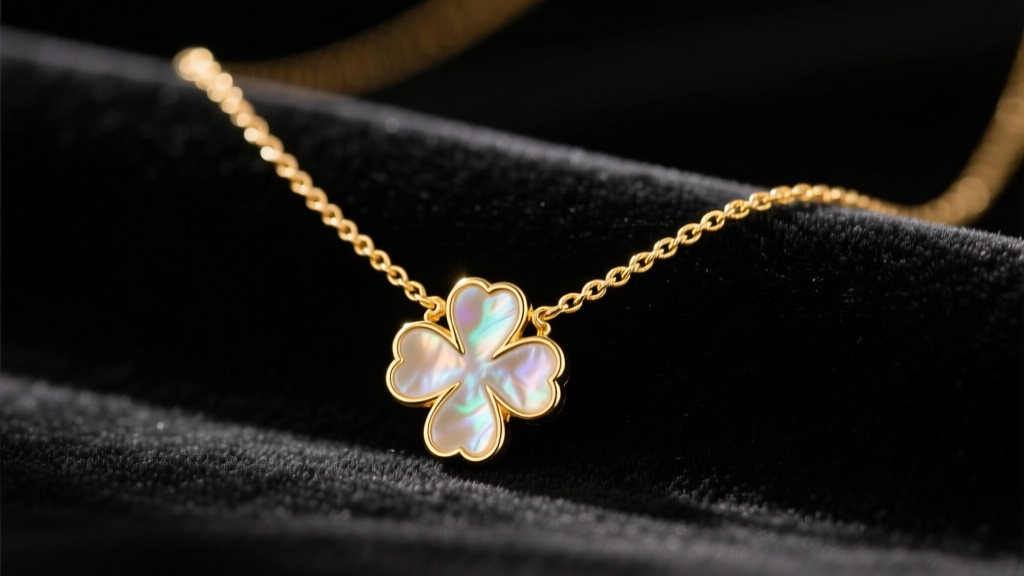
The sweet alhambra necklace is a masterpiece of delicate jewelry design. Featuring scaled-down, lightweight clover motifs suspended on ultra-fine chains, it offers a subtle, everyday elegance that its larger vintage counterparts cannot match. However, this very delicacy introduces a unique set of structural and material vulnerabilities. Because the motifs are smaller and the chains are exceptionally fine (often measuring between 0.8mm and 1.0mm in diameter), wearers frequently encounter specific mechanical and cosmetic issues.
If your pendant refuses to lay flat, your chain snags on everything, or your vibrant hardstones are losing their luster, you are not alone. This comprehensive troubleshooting guide addresses the most common problems associated with the sweet alhambra necklace and provides actionable, expert-level solutions to restore and protect your piece.
The Infamous "Flipping Motif" Dilemma
The most frequently reported issue with any lightweight, flat pendant is the "flipping" phenomenon. Because the sweet alhambra motifs are small and have a high center of gravity relative to their single top bail, natural body movement and the friction of clothing cause the pendant to rotate. You end up constantly adjusting the necklace to show the stone face rather than the gold backing.
Expert Fixes for Motif Rotation
Do not resort to bending the bail, as this weakens the solder joint and risks snapping the motif off entirely. Instead, use one of these targeted solutions:
- The Silicone O-Ring Method: Slide a micro-clear silicone jewelry spacer (often sold as "necklace noodles" or 1.5mm O-rings) onto the chain directly behind the bail. This creates just enough friction against the skin and the back of the motif to keep it anchored face-forward without damaging the gold.
- The Bezel Grip Trick: If your motif features a beaded or milgrain edge, a master jeweler can apply a microscopic drop of clear, non-yellowing UV resin to the top inside curve of the bail. This increases friction against the chain link, slowing the rotation significantly.
- Chain Weight Rebalancing: Sometimes the chain itself is too light. Having a bench jeweler swap the bottom three links (where the bail rests) for slightly heavier, solid oval links can lower the center of gravity, naturally pulling the motif flat against the chest.
Delicate Chain Breakage and Micro-Kinks
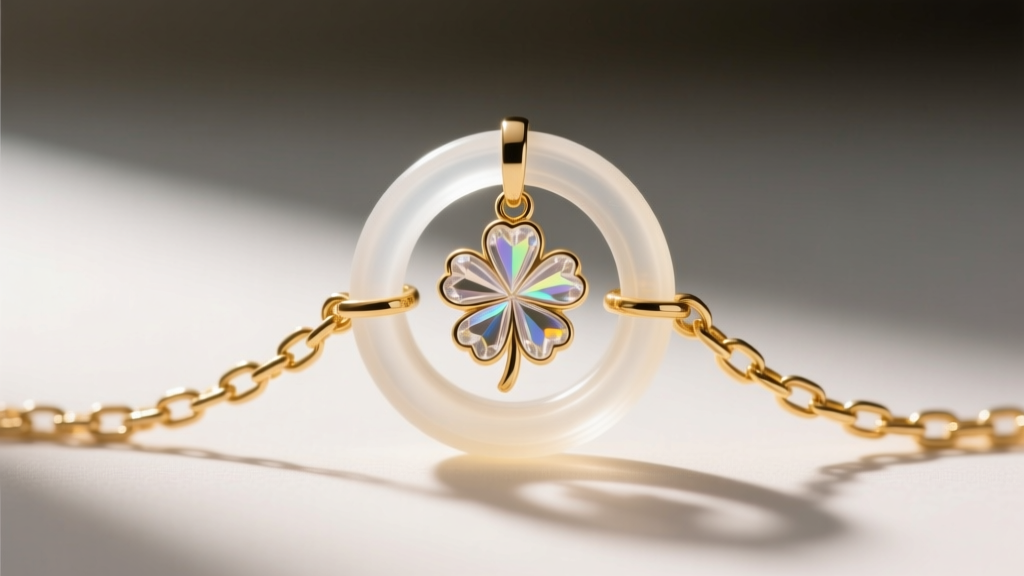
The chains used for sweet alhambra necklaces are typically fine cable or oval link chains, measuring around 0.85mm. While beautiful, they are highly susceptible to micro-kinking and snagging on knitwear. When a fine chain kinks, the individual links are stressed beyond their yield point, leading to sudden, catastrophic failure (snapping) weeks later.
"Never pull a kinked 0.8mm gold chain. The tensile strength of fine gold at that gauge is remarkably low. Pulling it will stretch the link into an oval, creating a weak point that will inevitably snap under the weight of the pendant." — Master Bench Jeweler Insights
How to Safely Detangle and Unkink
If your chain has tangled into a tight knot or developed a micro-kink, abandon the tweezers. Instead, lay the necklace flat on a white ceramic plate or glass surface. Dust the knot generously with talcum powder or cornstarch to eliminate metal-on-metal friction. Using two fine-gauge sewing needles (size 10 or 12), gently work the needles into the center of the knot to loosen the links from the inside out. Once untangled, inspect the links under a 10x jeweler's loupe; if any link is stretched or warped, it must be replaced by a professional before wearing.
Hardstone Vulnerability Matrix: What You Must Know
The sweet alhambra necklace frequently features porous, organic, or relatively soft hardstones. Treating these stones with standard jewelry cleaners will result in irreversible damage. According to the Gemological Institute of America (GIA), understanding the Mohs hardness and porosity of your specific stone is critical for longevity.
| Stone Material | Mohs Hardness | Primary Vulnerability | Approved Cleaning Method |
|---|---|---|---|
| Mother-of-Pearl | 2.5 - 4.5 | Acids, perfumes, ultrasonic waves | Dry microfiber cloth only |
| Malachite | 3.5 - 4.0 | Lactic acid (sweat), heat, chemicals | Damp (water only) soft cloth, immediate drying |
| Carnelian | 6.5 - 7.0 | Prolonged UV exposure (fading) | Mild soap, lukewarm water, soft brush |
| Onyx (Dyed Agate) | 6.5 - 7.0 | Harsh solvents stripping the dye | Damp cloth, avoid chemical dips |
The Ultrasonic Cleaner Disaster
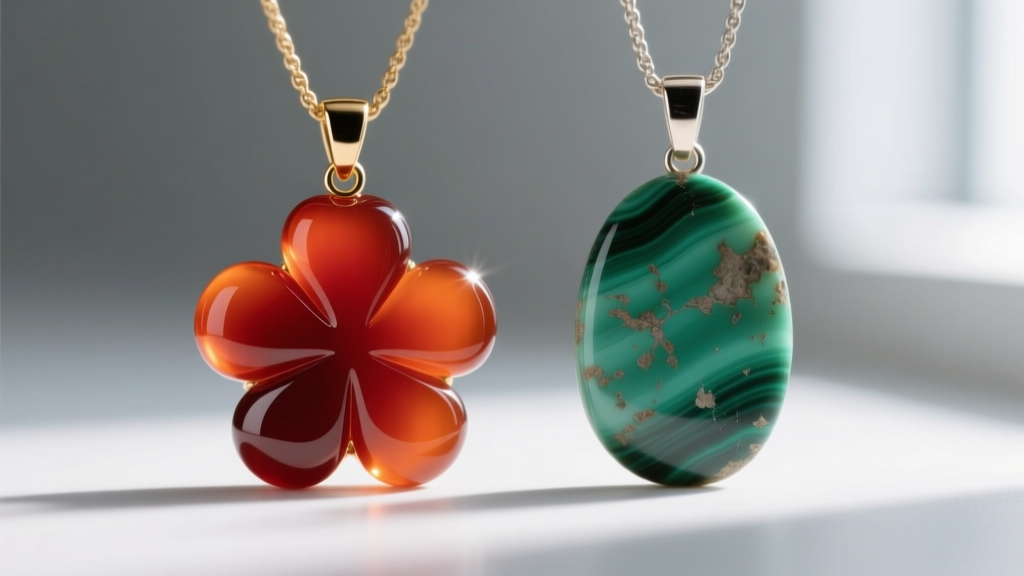
Never place a malachite or mother-of-pearl sweet alhambra pendant in an ultrasonic cleaner. The high-frequency vibrations will cause micro-fractures in the banded structure of malachite, and the heat from the solution can dehydrate mother-of-pearl, causing it to crack or peel away from the gold bezel. Furthermore, malachite is highly reactive to the lactic acid present in human sweat. If you wear your malachite pendant on a hot day, wipe it gently with a damp, chemical-free cloth immediately upon taking it off to prevent permanent surface etching.
Bezel Prong Snagging and Stone Shifting
Unlike prong settings, the sweet alhambra motifs use a micro-bezel or rubbed-over setting to secure the hardstones. Over time, impacts against hard surfaces (like typing on a keyboard or hitting a steering wheel) can slightly deform the soft 18k gold bezel. This creates a tiny lip that catches on silk blouses and sweaters.
The Fix: If you feel a snag, do not pull the fabric. Unhook the thread carefully with a needle. Take the necklace to a jeweler to have the bezel "burnished" or rubbed down flush against the stone. If the stone shifts or clicks when you tap it, the internal wax or epoxy bed has degraded, and the bezel must be tightened immediately to prevent the stone from falling out.
DIY vs. Bench Jeweler: A Repair Decision Guide
Knowing when to intervene yourself and when to seek professional help is crucial for preserving the value and structural integrity of your necklace. Follow this decision matrix based on Jewellers of America care guidelines:
- Clasp Spring Failure: If the lobster clasp feels loose or fails to snap shut, do not attempt to bend the lever. The internal spring is compromised. Action: Bench Jeweler (requires laser welding or clasp replacement).
- Surface Scratches on Gold: Minor hairline scratches on the gold bezel are normal patina. Action: DIY (use a specialized jewelry polishing cloth, avoiding the stone entirely).
- Chain Link Separation: If a link has pulled open but not snapped. Action: Bench Jeweler (requires precise pliers and potential soldering; DIY attempts usually warp the adjacent links).
- Dull Mother-of-Pearl: If the MOP looks cloudy. Action: DIY (wipe with a slightly damp cloth and buff with a dry silk cloth to restore natural luster without chemicals).
By understanding the specific mechanical and material properties of the sweet alhambra necklace, you can transition from constant frustration to confident, lifelong wear. Proper storage in a soft, anti-tarnish pouch, mindful wearing habits, and targeted troubleshooting will ensure your delicate clover motifs remain as flawless as the day you acquired them.


