Iron Cross Necklace Guide: History, Metals & Styling Tips
Discover everything about the iron cross necklace. Learn its history, choose the right metal grade, and master styling with our beginner-friendly guide.
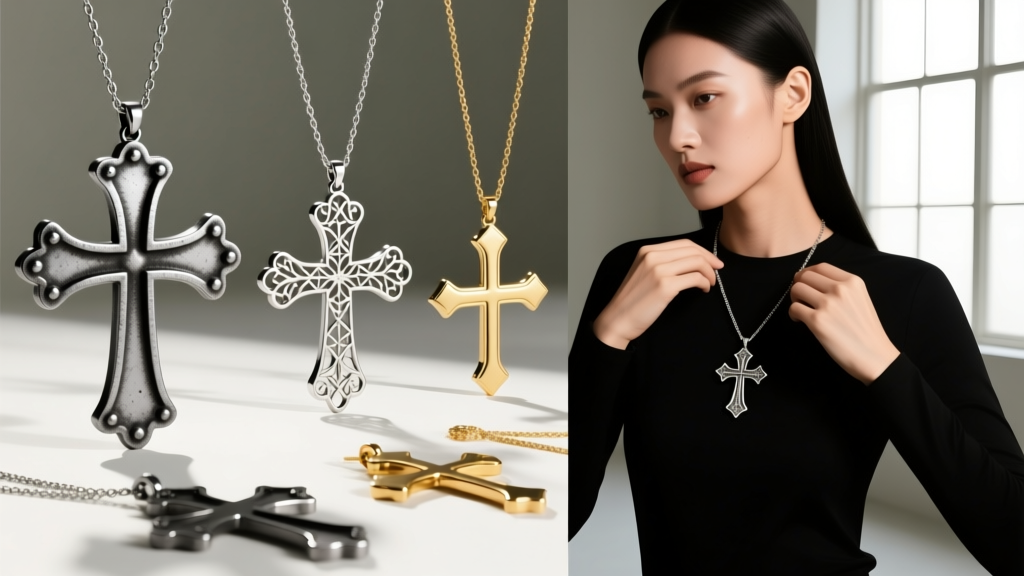

The Enduring Appeal of the Iron Cross Necklace
The iron cross necklace is one of the most recognizable, historically complex, and stylistically versatile pendants in modern jewelry. Whether you are drawn to its bold geometric lines, its deep historical roots, or its prominent place in alternative streetwear, choosing your first iron cross pendant requires more thought than simply picking the first design you see online. For beginners, navigating the vast market of chain necklaces and pendants can be overwhelming. This comprehensive guide breaks down the history, metallurgy, chain pairing, and styling techniques you need to know before making your purchase.
What is an Iron Cross? (History & Symbolism)
To truly appreciate this piece of jewelry, you must understand its origins. The cross pattée design—characterized by arms that are narrow at the center and broader at the perimeter—dates back to the 13th century and the Teutonic Knights, a Catholic military order. However, the specific motif we recognize today was formalized in 1813 when King Frederick William III of Prussia established it as a military decoration.
According to historical archives from Encyclopædia Britannica, the award was unique for its time because it was given to soldiers of all ranks for bravery, rather than just the nobility. The design was later co-opted by various historical regimes, which complicated its symbolism in the 20th century. However, in the realm of fashion and jewelry, the iron cross was reclaimed and radically recontextualized.
From Subculture to Mainstream Fashion
In the 1960s and 1970s, the iron cross necklace became a staple in outlaw biker culture, symbolizing rebellion and a rugged, anti-establishment ethos. By the 1980s, it was heavily adopted by the punk, goth, and thrash metal scenes. Today, the iron cross has transcended its subcultural boundaries. High-end streetwear brands and independent silversmiths frequently feature the design, transforming it into a versatile statement piece that bridges the gap between vintage military aesthetics and modern minimalist fashion.
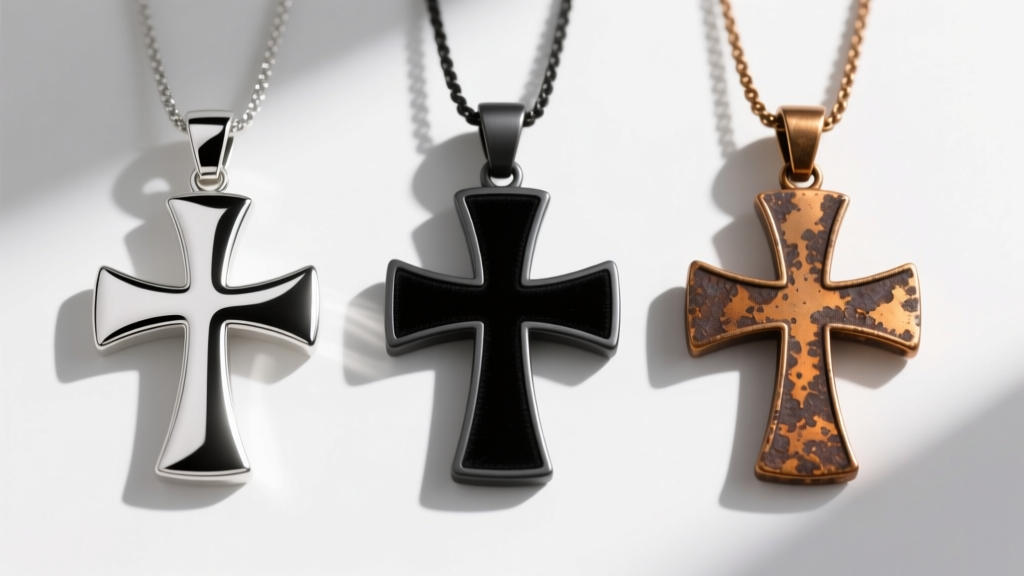
Choosing the Right Metal: Beyond Actual Iron
Despite the name, purchasing a pendant made of literal, unalloyed iron is highly discouraged for everyday wear. Unsealed iron reacts rapidly with moisture, humidity, and the natural acids in your skin. This leads to oxidation (rust), which can stain your clothing, irritate your skin, and degrade the structural integrity of the bail (the loop that holds the pendant).
Instead, modern jewelers utilize advanced metallurgical alternatives that mimic the weight, color, and durability of iron without the drawbacks. As noted in the educational resources provided by the Gemological Institute of America (GIA), understanding metal properties is crucial for jewelry longevity. Below is a comparison of the best materials for an iron cross pendant.
| Metal Grade | Pros | Cons | Estimated Price Range |
|---|---|---|---|
| 316L Surgical Stainless Steel | Tarnish-free, substantial weight, highly hypoallergenic, scratch-resistant. | Very difficult to resize or solder if the bail breaks. | $25 - $85 |
| 925 Sterling Silver (Oxidized) | Premium luster, holds intricate cast details beautifully, easily repaired. | Requires occasional polishing, softer metal prone to deep scratches. | $90 - $250 |
| Grade 5 Titanium (Aerospace) | Ultra-lightweight, incredibly strong, completely corrosion-proof, dark grey hue. | Expensive to machine, limited to simpler CNC or milled designs. | $120 - $300 |
| Oxidized Brass or Bronze | Authentic vintage patina, heavy feel, very affordable. | Can cause green skin discoloration if the clear-coat sealant wears off. | $15 - $45 |
Expert Recommendation: For beginners seeking a balance of durability, weight, and cost, 316L Stainless Steel with a brushed or matte black PVD (Physical Vapor Deposition) coating is the ultimate choice. It provides the dark, rugged look of historical iron while remaining completely impervious to water and sweat.
Chain Pairing: Matching the Cross to the Right Chain
A common mistake beginners make is pairing a heavy, oversized iron cross pendant with a flimsy, lightweight chain. A solid 316L stainless steel cross can easily weigh between 20 and 45 grams. Suspending this weight on a 1.5mm chain will result in a broken chain and a lost pendant.
The Weight-to-Width Ratio Rule
The Golden Rule of Pendants: Your chain's thickness (in millimeters) should visually and structurally support the bail of the pendant. For a standard 1.5-inch iron cross, aim for a chain width between 3mm and 5mm.
- Cuban Link / Curb Chains (4mm - 6mm): The absolute best choice for heavy iron crosses. The flat, interlocking links distribute weight evenly and provide a masculine, streetwear-ready aesthetic.
- Rope Chains (3mm - 5mm): Excellent for a more classic, textured look. The twisted design catches the light and contrasts beautifully with the flat, geometric planes of the cross pattée.
- Box Chains (2.5mm - 4mm): Best for smaller, lighter crosses (under 15 grams). They offer a sleek, modern, and minimalist vibe but can kink if subjected to heavy pulling.
Length and Drop
For a traditional look that rests just below the collarbone, an 18-inch or 20-inch chain is ideal. If you prefer the pendant to rest lower on the chest—a common styling choice in streetwear and skater fashion—opt for a 24-inch or 26-inch chain. Always check the inner diameter of the pendant's bail to ensure your chosen chain's clasp can actually pass through it.

How to Style an Iron Cross Necklace
The beauty of the iron cross necklace lies in its chameleon-like ability to adapt to various wardrobes. Here are three beginner-friendly styling frameworks to help you integrate the piece seamlessly into your daily rotation.
1. The Minimalist Streetwear Approach
Let the pendant be the sole focal point. Pair a 22-inch, 4mm oxidized silver Cuban link chain with a heavy, matte-finish iron cross. Wear it over a heavyweight, plain white or charcoal cotton t-shirt. The high contrast between the dark metal and the light fabric draws the eye directly to the chest, creating an effortless, rugged silhouette.
2. The Layered Grunge Technique
Layering requires varying lengths and textures to avoid a tangled, cluttered look. Start with a 24-inch stainless steel ball chain (dog tag style) as your base layer. Add your 20-inch iron cross necklace as the secondary layer. Finish with a chunky, 18-inch silver herringbone chain. This tri-level layering technique adds immense depth to flannel shirts, denim jackets, and vintage knitwear.
3. Smart-Casual Contrast
Yes, you can wear an iron cross in a smart-casual setting. Choose a smaller, highly polished 925 sterling silver cross pattée on a refined 2.5mm rope chain. Tuck the chain inside a dark navy or black merino wool turtleneck, allowing just the pendant to rest visibly against the dark fabric. This subtle nod to alternative jewelry elevates a sophisticated outfit without overpowering it.
Care and Maintenance for Dark Metals
Maintaining the rugged aesthetic of your necklace requires specific care routines, especially if you choose an oxidized or antiqued finish.
- Never use ultrasonic cleaners on oxidized sterling silver or antiqued brass crosses. The high-frequency vibrations and chemical baths will strip the dark patina from the crevices, leaving you with a flat, overly bright pendant that loses its vintage character.
- For routine cleaning, use a soft microfiber cloth and a few drops of mild dish soap mixed with warm water. Gently rub the surface, avoiding aggressive scrubbing in the engraved grooves.
- Storage is critical. Keep your iron cross necklace in a dry, cool environment. If you own a sterling silver piece, store it in an anti-tarnish ziplock bag with a silica gel packet to prevent sulfur in the air from causing yellowing or blackening.
By understanding the rich history, selecting the appropriate modern metallurgy, and pairing your pendant with a structurally sound chain, your iron cross necklace will serve as a durable, timeless anchor in your jewelry collection for decades to come.


