Italian Horn Necklace Meaning: Material Properties Guide
Discover the italian horn necklace meaning and compare material properties like gold, coral, and silver to choose the perfect cornicello amulet.

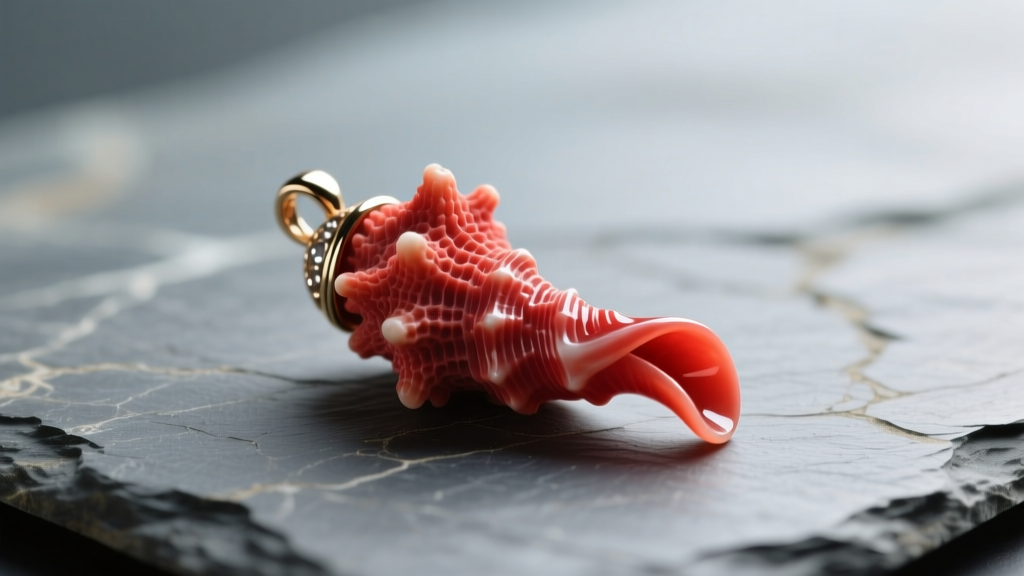
The Italian Horn Necklace Meaning: Beyond the Amulet
When exploring the italian horn necklace meaning, most jewelry enthusiasts immediately think of the cornicello’s role as a talisman against the malocchio (the evil eye). Rooted in ancient Mediterranean folklore, the horn shape mimics the crescent moon and the horns of sacred bulls, symbolizing fertility, virility, and protection. According to Britannica's historical archives on amulets, the physical shape was believed to distract malicious spirits, drawing their gaze to the sharp, curved tip rather than the wearer's soul.
"The true power of the cornicello lies not just in its shape, but in the earth-born materials from which it is carved. A manufactured horn holds the shape; a natural horn holds the earth's defensive energy." — Traditional Neapolitan Jewelers' Proverb
However, as we navigate the jewelry market in 2026, understanding the italian horn necklace meaning requires looking past folklore and into metallurgy and gemology. The material you choose dictates the pendant's structural longevity, its reaction to human skin chemistry, and its ultimate value retention. Let us break down the material properties that define the modern cornicello.
Traditional vs. Modern Materials: A Property Breakdown
Red Coral (The Original Standard)
Historically, Mediterranean red coral (Corallium rubrum) was the undisputed standard for the italian horn. The deep red color was associated with the blood of life and the goddess Venus. From a gemological standpoint, coral is an organic gemstone primarily composed of calcium carbonate. According to the Gemological Institute of America (GIA), coral ranks a mere 3.5 to 4 on the Mohs hardness scale.
Failure Modes & Properties: Coral is highly porous and reacts aggressively to acidic environments. Daily exposure to human sweat (which has a pH of 4.5 to 7.0), perfumes, and citrus-based lotions will cause the calcium carbonate to dissolve microscopically, leading to a dull, chalky finish over time. If you wear a coral horn daily, it must be wiped with a damp, neutral-pH microfiber cloth after every use.
14k vs. 18k Gold (The Modern Heirloom)
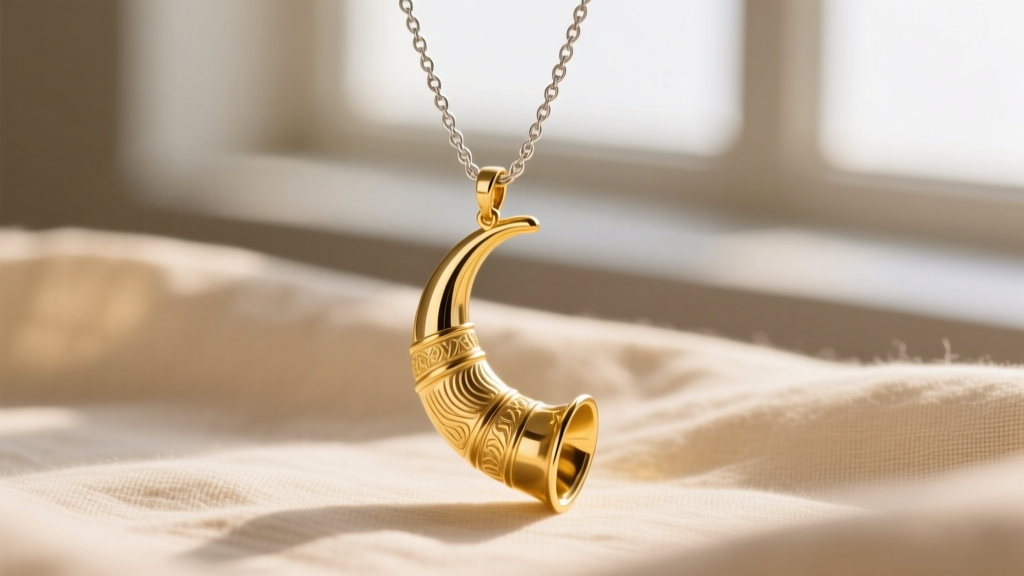
As coral harvesting became heavily regulated due to environmental protections, gold emerged as the premier material for the cornicello. But not all gold is created equal when shaping a pendant with a delicate, protruding tip.
- 18k Gold (75% Pure): Offers a rich, buttery yellow hue but has a Vickers hardness (HV) of roughly 90-110. The curved tip of an 18k gold horn is highly susceptible to deformation if dropped on a hard surface like porcelain tile.
- 14k Gold (58.5% Pure): Alloyed with copper, silver, and zinc, 14k gold achieves a Vickers hardness of 125-150 HV. This increased tensile strength makes 14k the superior choice for daily-wear Italian horns, as it resists bending and scratching at the high-friction points.
Sterling Silver & Obsidian (The Contemporary Edge)
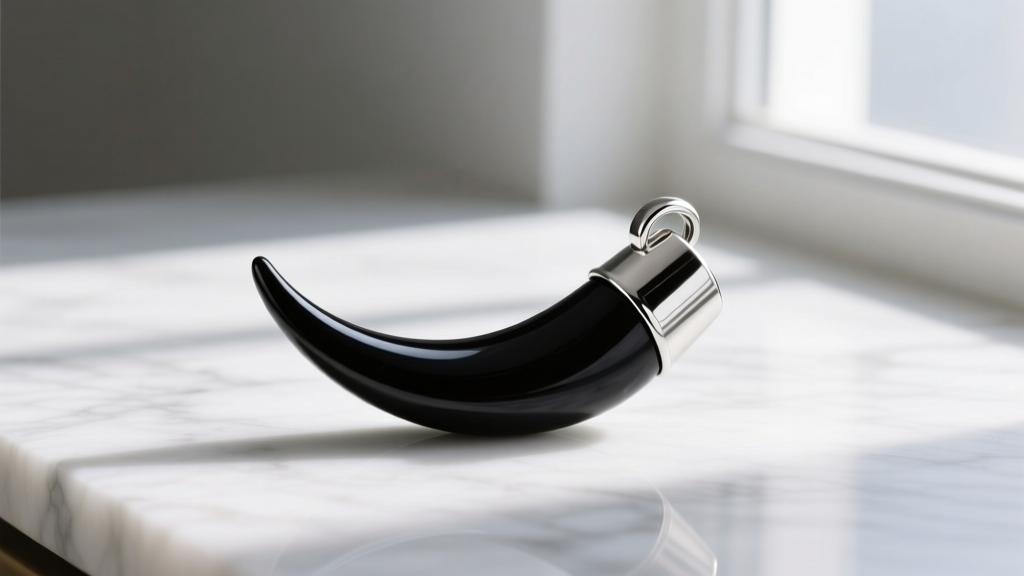
For a modern, monochromatic aesthetic, jewelers frequently pair .925 sterling silver caps with carved obsidian horns. Obsidian is a naturally occurring volcanic glass ranking 5 to 5.5 on the Mohs scale. While harder than coral, obsidian is amorphous and exhibits a conchoidal fracture pattern. This means that if a solid obsidian horn is struck laterally against a steering wheel or desk edge, it will not merely chip—it can shatter cleanly. Silver, meanwhile, is prone to galvanic corrosion and tarnishing (silver sulfide formation) when exposed to atmospheric sulfur and skin oils, requiring monthly polishing with a treated jeweler's cloth.
Material Durability and Wearability Matrix
To make an informed purchasing decision, reference this comparative matrix detailing the physical properties and current 2026 market pricing for standard 20mm Italian horn pendants.
| Material | Mohs Hardness | Corrosion / Tarnish Risk | Avg. Price Range (USD) | Maintenance Level |
|---|---|---|---|---|
| Mediterranean Red Coral | 3.5 - 4.0 | High (Acid Sensitive) | $450 - $1,200+ | High (Daily Wiping) |
| Solid 14k Yellow Gold | N/A (135 HV) | Very Low | $250 - $600 | Low (Occasional Soap Wash) |
| Solid 18k Yellow Gold | N/A (100 HV) | Very Low | $400 - $950 | Low (Avoid Hard Impacts) |
| .925 Sterling Silver | 2.5 - 3.0 | High (Sulfur Tarnish) | $60 - $150 | Medium (Monthly Polishing) |
| Carved Black Obsidian | 5.0 - 5.5 | None (Chemically Stable) | $40 - $120 | Medium (Impact Avoidance) |
The Anatomy of the Horn: Carving vs. Casting
When evaluating high-end Italian horns, the manufacturing method drastically alters the piece's structural integrity and light performance. Hand-carved horns (typical for coral and obsidian) possess a continuous, unbroken internal grain structure. The lapidary artist follows the natural striations of the material, ensuring the delicate tip is supported by the densest part of the stone.
Conversely, mass-market gold and silver horns are typically produced via lost-wax casting. If the jeweler does not properly compress the metal during the casting phase, microscopic porosity (gas bubbles trapped inside the metal) can occur. This porosity weakens the horn's tip and creates tiny surface pits that trap skin oils and dirt, making the pendant impossible to fully sanitize. Always inspect the bail (the loop at the top) and the tip under a 10x jeweler's loupe; a smooth, pore-free surface indicates high-quality centrifugal or vacuum casting.
Sizing, Chain Pairing, and Clasp Mechanics
A common mistake buyers make is pairing a heavy, solid-gold cornicello with an inadequate chain. The italian horn necklace meaning of "protection" is quickly lost if the chain snaps. A standard 25mm solid 14k gold horn weighs between 3.5 and 5.5 grams.
Chain Gauge Specifics:
- 0.8mm - 1.0mm Chains: Too fragile. The continuous pendulum motion of the horn will cause the chain links to rub against the bail, leading to rapid friction wear and eventual ovalization (stretching) of the links.
- 1.2mm - 1.5mm Box or Rope Chains: The optimal choice. Box chains offer flat, interlocking surfaces that resist pulling, while rope chains provide excellent tensile strength and a traditional Italian aesthetic.
Clasp Mechanics: Avoid spring-ring clasps for any solid gold or heavy stone horn. The internal spring mechanism is a known failure point under dynamic load. Always upgrade to a forged lobster clasp or a secure barrel clasp to ensure the amulet remains safely around your neck.
Authenticity and Sourcing in 2026
Due to the high cost of genuine Mediterranean coral, the market is flooded with simulants. Bamboo coral (a naturally pale, porous deep-sea coral) is frequently dyed with organic pigments and filled with clear epoxy resin to mimic Corallium rubrum. To test for authenticity, apply a microscopic drop of diluted hydrochloric acid (or white vinegar in a pinch) to an inconspicuous area near the bail. Genuine calcium carbonate will effervesce (bubble) slightly; plastic or glass simulants will not. Furthermore, when purchasing gold horns, ensure the piece is stamped with a recognized hallmark (e.g., 585 for 14k, 750 for 18k) and sourced from jewelers who provide transparent supply chain documentation, ensuring the gold is recycled or ethically mined.


