Material Guide: Choosing an Italian Red Pepper Necklace
Compare materials for your Italian red pepper necklace. Explore red coral, carnelian, and gold properties, durability, and authenticity tips.

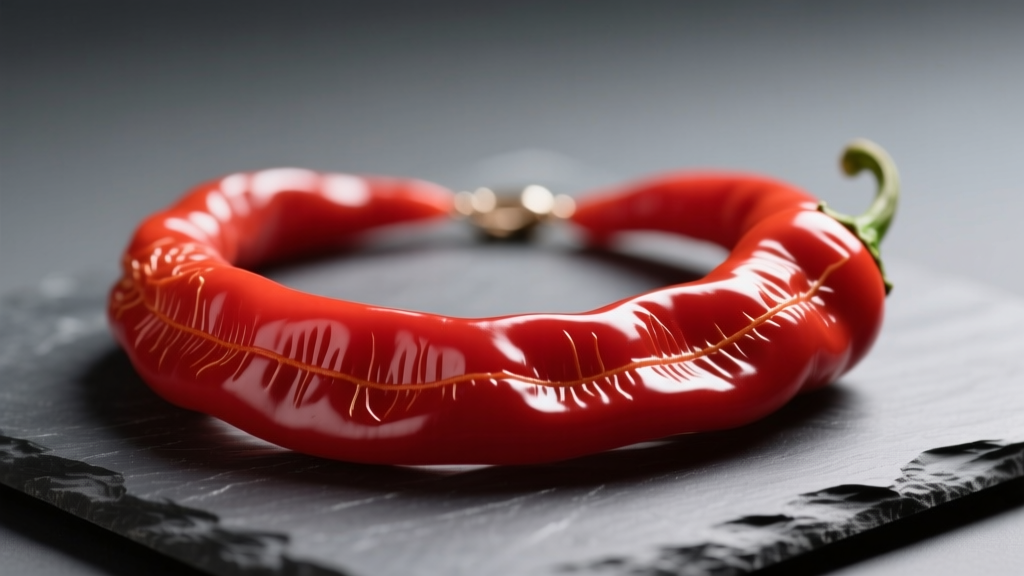
The Anatomy of the Cornicello: Beyond the Shape
The cornicello, widely recognized in English as the Italian red pepper necklace or Italian horn, is one of the most iconic apotropaic amulets in Mediterranean culture. While its twisted, chili-pepper-like silhouette is universally recognized, the material from which it is carved dictates its value, durability, and cultural authenticity. Historically, the horn shape was associated with the moon goddess and later adapted as a ward against the malocchio (evil eye). Today, jewelers craft these pendants from a wide spectrum of materials, ranging from organic gemstones to synthetic resins.
Choosing the right material requires understanding the gemological properties, structural vulnerabilities, and market realities of each option. A pendant meant for daily wear over the collarbone demands vastly different physical properties than one reserved for occasional evening wear. In this comprehensive guide, we break down the material science behind the Italian red pepper necklace to help you make an informed, authentic purchase.
Material Comparison: Coral vs. Carnelian vs. Glass
The vibrant red hue of the cornicello is its defining characteristic, but the origin of that color varies wildly. Below is a gemological comparison of the most common materials used in modern and vintage Italian horn pendants.
| Material | Mohs Hardness | Specific Gravity | Price Range (USD) | Best Use Case |
|---|---|---|---|---|
| Mediterranean Red Coral | 3.5 | 2.60 - 2.70 | $150 - $1,500+ | Heirlooms, occasional wear |
| Carnelian (Chalcedony) | 6.5 - 7.0 | 2.58 - 2.64 | $40 - $250 | Daily wear, high durability |
| Murano Glass | 5.5 | 2.40 - 2.60 | $30 - $120 | Fashion, cultural souvenirs |
| Dyed Howlite | 3.5 | 2.53 - 2.59 | $10 - $35 | Budget costume jewelry |
| Cellulose Acetate / Resin | 2.0 - 3.0 | 1.10 - 1.30 | $5 - $25 | Lightweight, casual wear |
Deep Dive: Authentic Red Coral (Corallium Rubrum)
For purists and traditionalists, genuine Mediterranean red coral (Corallium rubrum) is the only acceptable material for an Italian red pepper necklace. Unlike mineral gemstones, coral is an organic gemstone composed primarily of calcium carbonate (CaCO3) secreted by marine polyps. Its rich, oxblood-to-salmon coloration is caused by carotenoid pigments within its skeletal structure.
According to the Gemological Institute of America (GIA), genuine red coral exhibits a distinct wood-grain or fibrous structure when viewed under magnification. This is a critical identifier. Because coral ranks at a mere 3.5 on the Mohs hardness scale, it is highly susceptible to scratching, chemical etching from acidic skin pH, and thermal shock. Furthermore, strict CITES regulations and European Union harvesting bans have severely restricted the legal trade of wild-harvested Mediterranean coral, driving prices for verified, ethically sourced vintage or pre-ban stock into the thousands.
Identifying Dyed Howlite and Resin Fakes
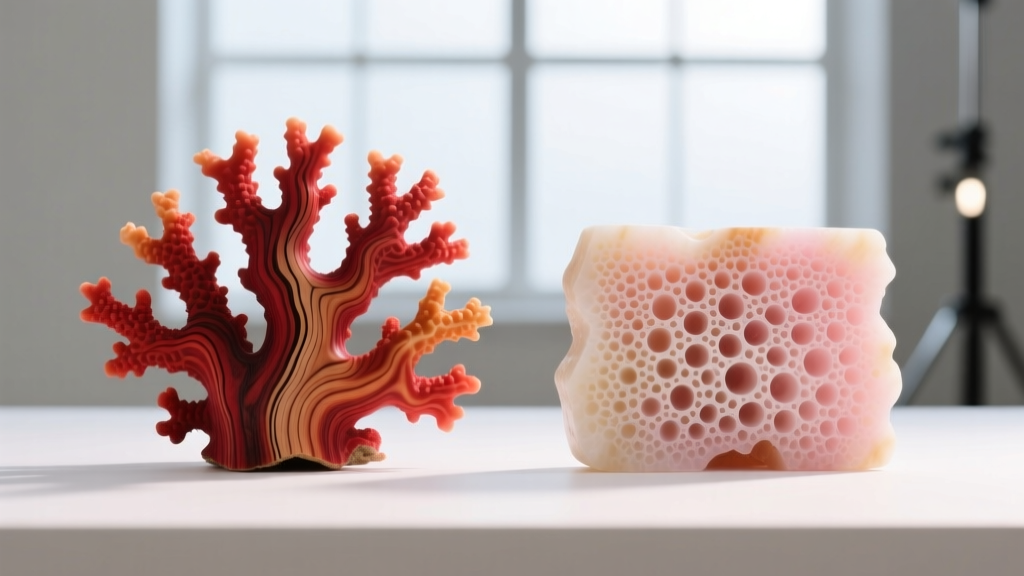
The market is currently flooded with dyed howlite and magnesite masquerading as red coral. Howlite is a porous borate mineral that easily absorbs chemical dyes. To differentiate the two, gemologists rely on a few key tests:
- The Acetone Test: Gently rubbing a cotton swab dipped in pure acetone (nail polish remover) over an inconspicuous area of the pendant. If the swab turns red, the stone is dyed howlite or magnesite. Genuine coral will not leach dye.
- Effervescence: Calcium carbonate reacts with weak acids. A drop of dilute hydrochloric acid (or even strong white vinegar) on genuine coral will produce tiny bubbles of carbon dioxide. Howlite will not react.
- Magnification: Under a 10x loupe, dyed howlite reveals a web-like or spiderweb pattern of dye concentrating in the natural fractures of the stone, whereas genuine coral shows parallel growth striations.
Carnelian: The Durable Alternative
For those who desire the deep red aesthetic of the cornicello but require a stone capable of withstanding the rigors of daily wear, carnelian is the superior gemological choice. Carnelian is a variety of chalcedony (cryptocrystalline quartz) colored by iron oxide impurities. Ranking between 6.5 and 7 on the Mohs scale, it is virtually impervious to the scratches and abrasions that would quickly ruin a coral pendant.
As noted in GIA's Carnelian Guide, high-quality carnelian exhibits a translucent, glowing reddish-orange hue when held to the light. While some commercial carnelian is heat-treated to deepen its red color—a stable and universally accepted practice in the gem trade—it remains a completely natural, highly durable material. A carnelian Italian red pepper necklace will easily survive accidental drops, exposure to cosmetics, and contact with harder metals without losing its polish.
Metal Caps and Bails: Karat Gold vs. Sterling Silver
The cornicello is rarely worn bare; it is traditionally capped at the top with a metal crown and bail. The metallurgy of these findings impacts both the longevity of the necklace and the safety of the stone.
14k vs. 18k Gold
Italian jewelers frequently use 18k yellow gold (75% pure gold) for luxury coral horns. While 18k gold offers a richer, deeper yellow hue that complements the red coral beautifully, it is relatively soft. The bail loop can warp over time if subjected to heavy pulling. For daily wear, 14k gold (58.5% pure gold) provides superior tensile strength and resistance to deformation, making it the pragmatic choice for heavier carnelian or glass pendants.
Sterling Silver and Galvanic Corrosion
Sterling silver (925) is a popular, cost-effective alternative. However, silver is prone to tarnishing when exposed to sulfur compounds in the air and human sweat. More importantly, if a silver bail is tightly fitted against a porous organic gemstone like coral, the moisture trapped between the metal and the stone can accelerate both the tarnishing of the silver and the degradation of the coral. Always ensure the metal cap has a protective inner lining or a precise tolerance that prevents moisture entrapment.
Sizing, Proportions, and Chain Pairing
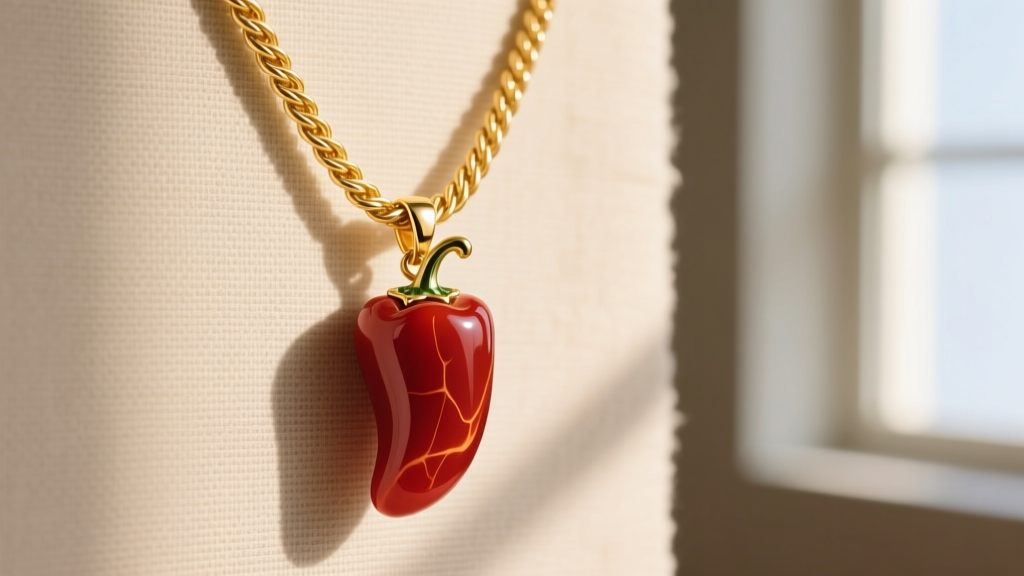
The physical dimensions of your Italian red pepper necklace must be balanced with the chain you select. A mismatched chain can cause premature wear on the bail or look visually disproportionate.
- Small (15mm - 25mm): Best paired with delicate 1.0mm to 1.5mm chains, such as a fine box chain or a slim cable chain. Ideal for a subtle, layered look.
- Medium (30mm - 45mm): The standard size for most men's and women's pendants. Requires a 2.0mm to 3.0mm chain. A 14k gold rope chain or a sturdy Figaro chain provides excellent structural support and visual weight.
- Large (50mm+): Often carved from glass or resin due to the weight constraints of solid stone. Requires heavy chains (4.0mm+) or leather cords. Ensure the bail's inner diameter is at least 6mm to accommodate thicker chains without friction.
Care and Maintenance by Material
Proper maintenance is strictly dictated by the pendant's material composition. Treating a coral horn like a quartz pendant will result in catastrophic damage.
For Red Coral and Howlite: Never use ultrasonic or steam cleaners. The high-frequency vibrations will fracture the internal structure of organic gems, and the heat will melt dyes or epoxies. Clean only with a damp, soft microfiber cloth and mild, pH-neutral soap. Apply perfumes, hairsprays, and lotions before putting on the necklace to prevent chemical etching.
For Carnelian and Murano Glass: These materials are highly resilient. They can be safely cleaned in an ultrasonic jewelry cleaner using a mild detergent solution. However, if the pendant features glued metal caps, limit ultrasonic exposure to under 30 seconds to prevent the adhesive from softening.
By understanding the exact material properties of your Italian red pepper necklace, you ensure that this ancient symbol of luck and protection remains a vibrant, enduring part of your jewelry collection for decades to come.


