Is a J.Crew Turquoise Necklace Worth It? Value Guide
Evaluating the true value of a J.Crew turquoise necklace. We break down materials, plating longevity, and budget alternatives for 2026.

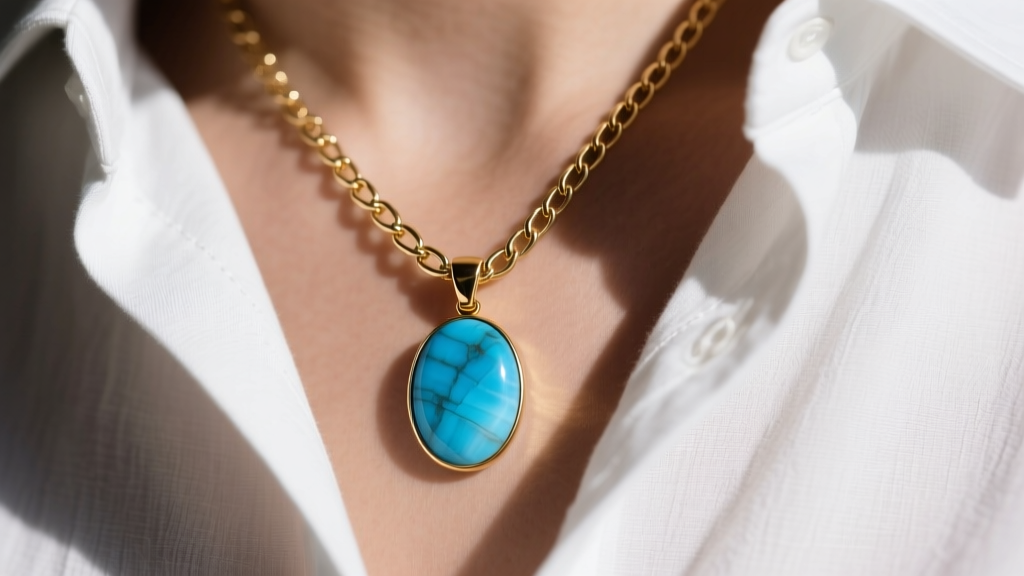
The Allure of the J.Crew Turquoise Aesthetic
There is a distinct, preppy-bohemian charm that has made the turquoise pendant a staple in American fashion. For years, shoppers have sought out the signature robin’s egg blue stone to add a pop of color to crisp linen shirts, cashmere sweaters, and summer dresses. Many consumers searching for a j crew necklace turquoise style are drawn to the brand’s masterful color palettes and accessible price points. But when we strip away the marketing and look strictly at gemological and metallurgical value, how does a J.Crew fashion piece hold up against genuine turquoise jewelry?
As a budget and value assessment guide, we are putting the J.Crew turquoise necklace under the microscope. We will evaluate the actual materials used, the longevity of the metalwork, the failure modes of fashion jewelry, and whether your hard-earned money is better spent on entry-level fine jewelry alternatives.
Material Breakdown: Genuine vs. Simulated Turquoise
To assess value, we must first identify what you are actually buying. Genuine turquoise is a hydrous phosphate of copper and aluminum, prized for its natural matrix (the webbing of host rock) and its porous, earthy texture. According to the Gemological Institute of America (GIA), natural turquoise is relatively soft, ranking between 5 and 6 on the Mohs hardness scale, and is frequently treated with wax or epoxy to stabilize it.
However, J.Crew and similar fast-fashion retailers rarely use genuine turquoise in their standard seasonal lines. Instead, a typical J.Crew “turquoise” pendant is crafted from one of the following simulants:
- Dyed Howlite: A naturally white or grey calcium borosilicate hydroxide mineral. It is highly porous, making it easy to dye a vibrant, uniform blue. It ranks a mere 3.5 on the Mohs scale, making it softer and more prone to scratching than real turquoise.
- Dyed Magnesite: Similar to howlite, this is a magnesium carbonate mineral that takes to dyes easily and is often cut into cabochons to mimic stabilized turquoise.
- Synthetic Resin or Enamel: In many statement pieces, the “stone” is actually a molded epoxy resin or a glass cabochon painted with a blue backing to simulate the opaque look of turquoise.
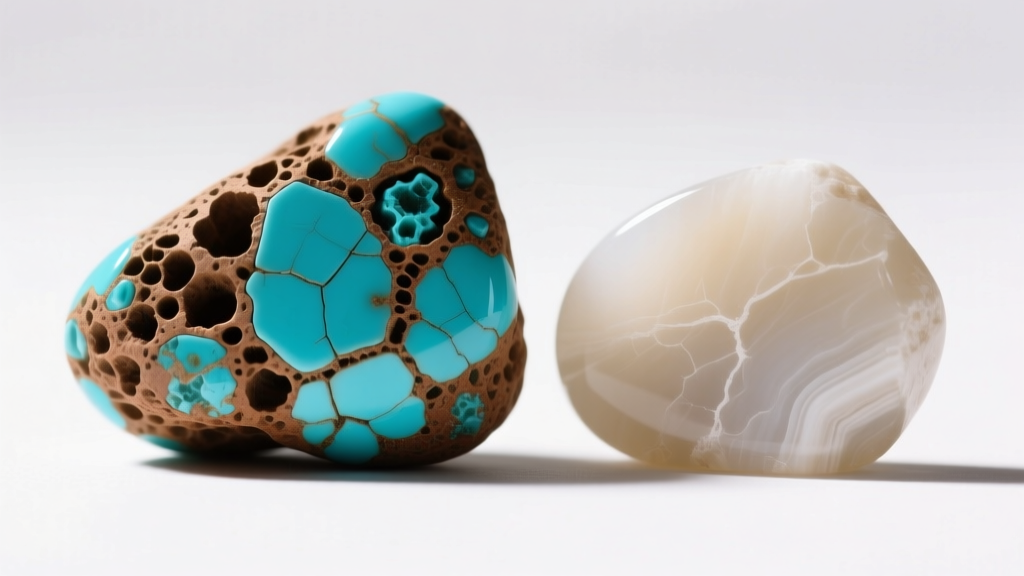
From a pure material standpoint, you are paying for a dyed, abundant mineral or synthetic plastic, rather than a scarce, copper-bearing gemstone. While the visual effect from a distance is nearly identical, the intrinsic geological value is virtually zero.
Pricing & Value Assessment Matrix
Is the price tag justified by the craftsmanship? Below is a comparative value matrix breaking down the economics of a J.Crew fashion piece versus authentic alternatives in the current market.
| Feature | J.Crew Fashion Necklace | Entry-Level Artisan (Etsy/Indie) | Fine Jewelry (e.g., Catbird) |
|---|---|---|---|
| Stone Material | Dyed Howlite, Magnesite, or Resin | Genuine Stabilized Turquoise (Kingman/Mojave) | Natural Sleeping Beauty Turquoise |
| Metal Base | Brass or Zinc Alloy | Solid Sterling Silver (925) | Solid 14k Recycled Gold |
| Plating | Flash Gold/Silver Tone (<0.15 microns) | None (Solid throughout) | None (Solid throughout) |
| Retail Price Range | $38.00 – $78.00 | $85.00 – $140.00 | $250.00 – $450.00+ |
| Resale Value | $10.00 – $25.00 (Depop/Poshmark) | $40.00 – $80.00 | Retains 60-80% of retail value |
| Expected Lifespan | 6 months – 2 years (with regular wear) | Lifetime (with basic care) | Generational / Heirloom |
Durability and Failure Modes of Fashion Turquoise
When conducting a budget assessment, the initial purchase price is only half the equation; cost-per-wear is the true metric of value. Fashion jewelry suffers from specific, predictable failure modes that drastically shorten its lifespan.
The Chain Quality and Plating Factor
The chains used in J.Crew necklaces are typically brass plated with a gold-tone or silver-tone finish. The Federal Trade Commission (FTC) outlines strict guidelines for metal plating, but fast-fashion jewelry usually utilizes “flash plating.” This means the gold or rhodium layer is less than 0.15 microns thick. With daily friction against the skin and clothing, this microscopic layer wears away in a matter of months, exposing the raw brass underneath.
The Verdigris Reaction
Once the brass is exposed, it reacts with the lactic acid, salts, and moisture in human sweat. This chemical reaction creates copper carbonate, commonly known as verdigris—the notorious green residue that stains the skin and ruins clothing. Furthermore, the dyed howlite or resin stones are often set with basic jeweler’s epoxy. Over time, exposure to UV light and skin oils can cause the epoxy to yellow, and the dye in the howlite can fade or bleed if exposed to heavy perspiration or perfume.
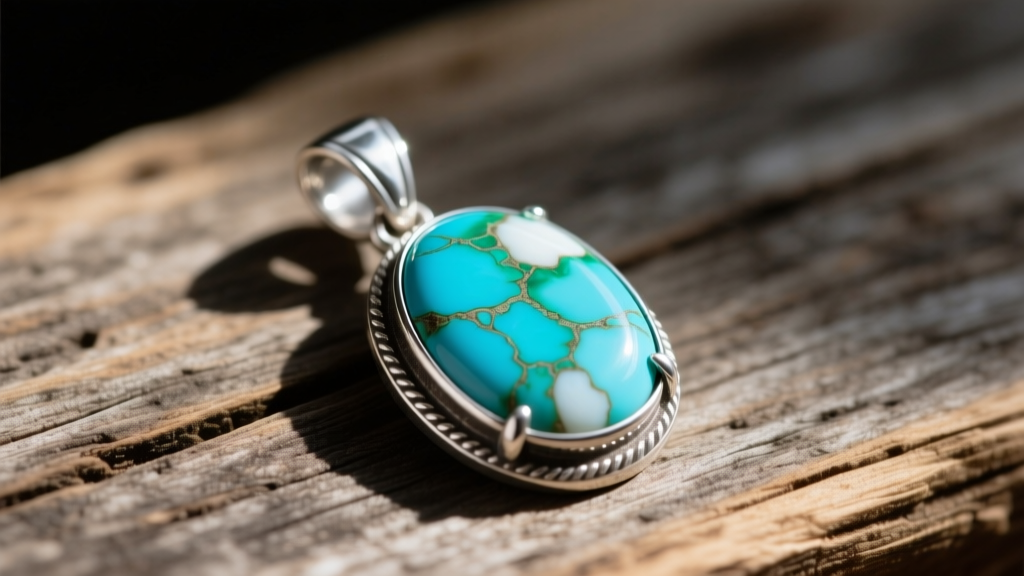
When to Buy J.Crew and When to Invest Elsewhere
Despite the material shortcomings, there are specific scenarios where purchasing a J.Crew turquoise necklace makes logical budget sense:
- Trend-Chasing: If you are buying into a hyper-specific seasonal trend (like an oversized, chunky resin turquoise bib necklace) that you will only wear for one summer, the low entry price is justified.
- Costume and Event Styling: For a single beach wedding or a vacation where you don’t want to risk losing or damaging expensive fine jewelry, a $45 simulated piece is a smart, low-risk choice.
- Gift-Giving on a Strict Budget: If your absolute ceiling is $50, J.Crew offers superior branding and packaging compared to unbranded mall-kiosk alternatives.
However, if you are looking for a daily-wear signature piece, a meaningful gift, or a necklace that will not turn your neck green, the J.Crew option fails the long-term value test.
Budget Alternatives for Genuine Turquoise
If your budget is between $80 and $150, you can easily pivot from fashion jewelry to entry-level fine jewelry. Instead of paying for a brand name and dyed howlite, allocate those funds toward authentic materials:
- Native American Artisans (Etsy/Instagram): Look for Navajo or Zuni silversmiths crafting pieces with solid 925 sterling silver and genuine stabilized Kingman or Pilot Mountain turquoise. These pieces offer incredible cultural heritage, genuine materials, and a price point that overlaps with J.Crew’s higher-end statement pieces.
- Indie Fine Jewelers: Brands like Catbird, Mejuri, or local boutique jewelers often feature delicate, solid gold or sterling silver bezel-set turquoise pendants. While the stones may be smaller, the metal will never flake, tarnish beyond a polishable patina, or stain your skin.
- Vintage and Estate Jewelry: The secondary market is flooded with 1970s and 1980s genuine turquoise and sterling silver squash blossom necklaces or simple pendants. Buying vintage ensures the materials have already proven their durability over decades.
The Final Verdict
A J.Crew turquoise necklace is a triumph of aesthetic styling, but a failure of material longevity. You are paying a premium for the brand’s curation and design, not the intrinsic value of the components. If you view it as an expendable seasonal accessory, it serves its purpose. But if you are seeking a lasting, valuable addition to your jewelry box, bypass the fashion simulants and invest an extra $40 into genuine turquoise set in solid sterling silver. Your skin, your wardrobe, and your jewelry collection will thank you in the long run.


