James Avery Butterfly Necklace: Silver vs Gold Material Guide
Compare the metallurgical properties of the James Avery butterfly necklace. Explore sterling silver vs 14k gold durability, tarnish, and chain strength.

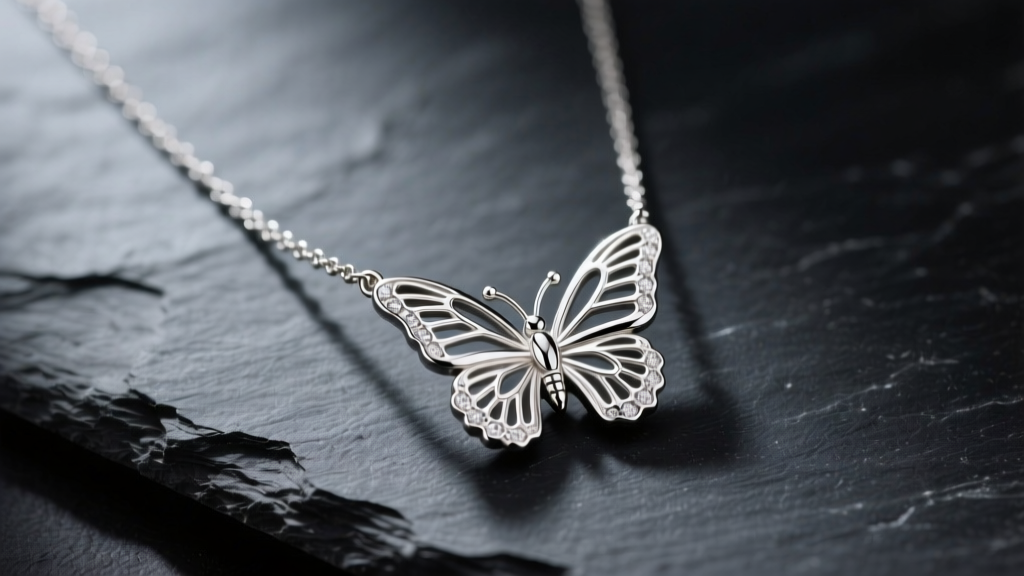
The James Avery butterfly necklace is more than just a regional staple of Southern jewelry culture; it is a masterclass in symbolic design and metallurgical craftsmanship. Whether you are drawn to the iconic Monarch silhouette, the delicate Open Heart Butterfly, or the intricate cutwork designs, choosing the right metal is a decision that extends far beyond simple color preference. As we navigate the jewelry market in 2026, understanding the underlying material properties of these pieces is critical for long-term wearability, maintenance, and structural integrity.
In this comprehensive material comparison, we will deconstruct the exact alloy compositions, hardness ratings, and environmental vulnerabilities of the metals used in the James Avery butterfly necklace collection. By examining the science behind sterling silver, 14k yellow gold, and 14k rose gold, you can make an informed decision that aligns with your lifestyle, skin chemistry, and maintenance tolerance.
The Metallurgy of Sterling Silver: Oxidation and Patina
The foundation of the James Avery brand is its sterling silver. Unlike pure silver (99.9% Ag), which is too soft for daily-wear pendants, James Avery utilizes standard 925 sterling silver. This alloy consists of 92.5% pure silver and 7.5% copper. The addition of copper is what gives the James Avery butterfly necklace the tensile strength required to hold detailed wing structures without bending under minor stress.
Intentional Antiquing and Crevices
A signature element of James Avery's silver butterfly designs is the intentional oxidation applied to the recessed areas of the wings. This blackened patina is not tarnish in the traditional sense; it is a controlled chemical reaction (often using liver of sulfur) that forces the copper in the alloy to oxidize rapidly, creating high contrast against the polished high points. Because the silver is generally left unrhodium-plated, the metal remains porous and reactive to the environment. This means the necklace will develop a natural, personalized patina over time based on the wearer's environment and habits.
Hardness and Scratch Resistance
Sterling silver sits at approximately 60 to 70 on the Vickers Hardness (HV) scale. While this is sufficient for a pendant that rests against the collarbone, it is highly susceptible to micro-scratches. If your butterfly necklace features a high-polish finish on the upper wings, expect a network of fine surface abrasions within the first year of daily wear, which many collectors embrace as a soft, satin-like vintage finish.
14k Gold Alloys: Yellow vs. Rose Gold Durability
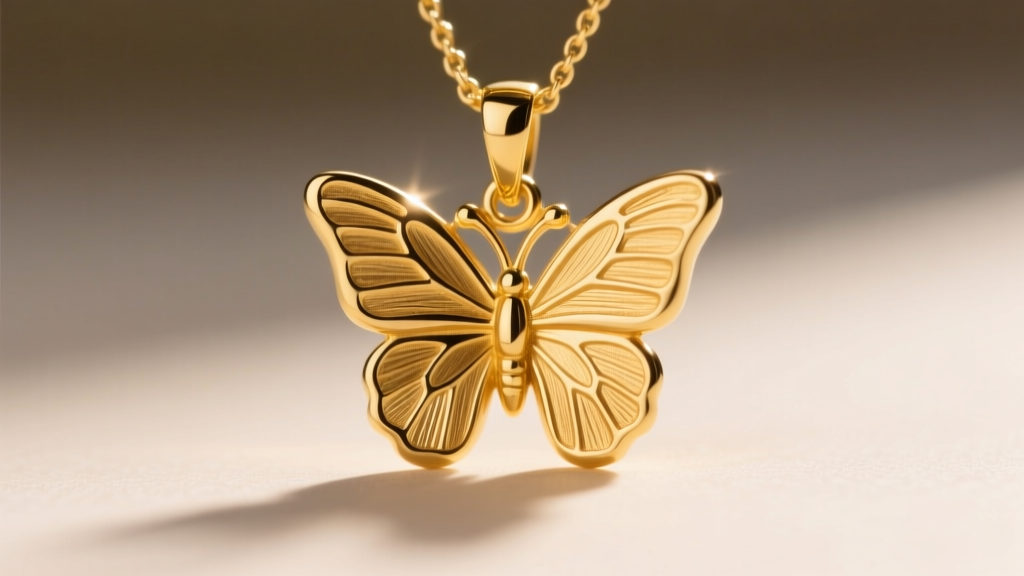
For those seeking a more inert, tarnish-resistant option, James Avery offers their butterfly motifs in 14k gold. Pure 24k gold is entirely unsuitable for intricate jewelry due to its extreme malleability. By alloying 58.3% pure gold with a mixture of copper, silver, and zinc, James Avery creates a durable matrix capable of holding the sharp, defined edges of the butterfly wings.
14k Yellow Gold: The Classic Standard
14k yellow gold typically contains roughly 12% copper and 29% silver. This specific ratio preserves the warm, traditional hue of gold while significantly increasing the Vickers Hardness to approximately 125 HV. According to the Gemological Institute of America (GIA), this alloy balance provides excellent resistance to stress corrosion cracking, making it ideal for the delicate jump rings and bail connections that secure the butterfly pendant to the chain.
14k Rose Gold: The Copper Advantage
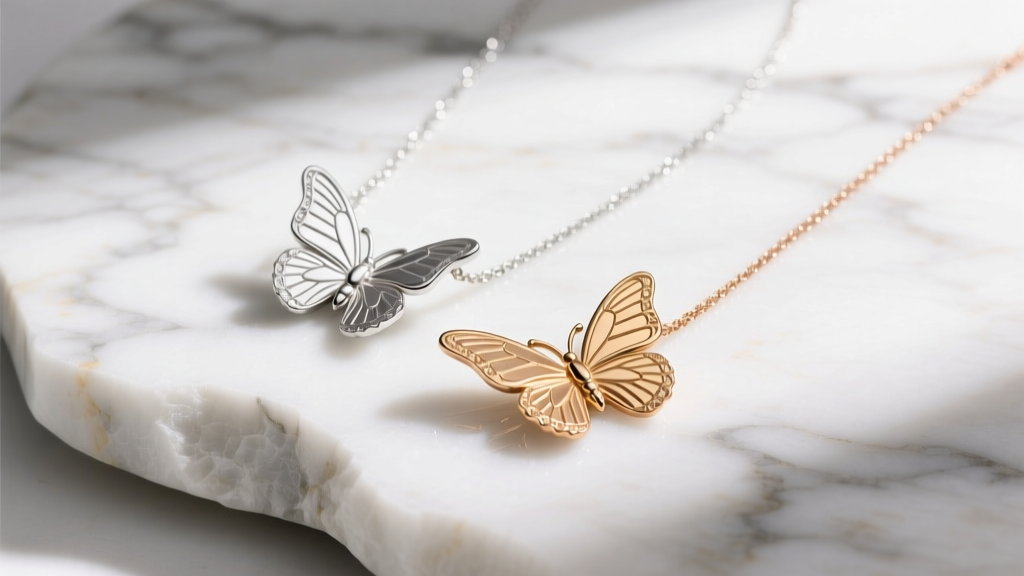
The striking pinkish hue of 14k rose gold is achieved by dramatically increasing the copper content (often up to 20% or more) while reducing the silver and zinc. From a purely metallurgical standpoint, this higher copper content makes 14k rose gold slightly harder and more scratch-resistant than its yellow counterpart, pushing the hardness closer to 140-150 HV. If you lead an active lifestyle and want a James Avery butterfly necklace that resists surface marring, rose gold is technically the superior choice among the gold options.
Chain Mechanics: Box vs. Snake Chain Tensile Strength
The pendant is only half the equation; the chain dictates the structural survival of the necklace. James Avery frequently pairs their butterfly pendants with either box chains or snake chains, typically ranging from 1.0mm to 1.5mm in gauge thickness.
- Box Chains (1.2mm - 1.5mm): Constructed from interlocking square links, box chains offer superior tensile strength and are highly resistant to kinking. They are the recommended choice for heavier, solid-cast butterfly pendants like the large Monarch designs.
- Snake Chains (1.0mm - 1.2mm): Made of tightly joined wavy rings forming a smooth, flexible tube. While they offer a beautiful, fluid drape that complements delicate butterfly silhouettes, snake chains are notoriously prone to permanent kinking if bent sharply. Furthermore, the tight seams can catch fine hair, which can lead to accidental pulling and chain deformation.
Material Comparison Matrix
| Material | Composition | Hardness (HV) | Tarnish Risk | Best Use Case |
|---|---|---|---|---|
| 925 Sterling Silver | 92.5% Ag, 7.5% Cu | 65 HV | High (Reactive) | High-contrast antique details, budget-conscious buyers |
| 14k Yellow Gold | 58.3% Au, 29% Ag, 12% Cu | 125 HV | Very Low | Everyday wear, heirloom longevity, warm skin tones |
| 14k Rose Gold | 58.3% Au, ~20% Cu, ~21% Ag | 145 HV | Very Low | Active lifestyles, maximum scratch resistance |
Skin pH and Environmental Tarnish Factors
When investing in a sterling silver James Avery butterfly necklace, it is vital to understand how your unique biology interacts with the metal. The 7.5% copper in sterling silver is highly reactive to sulfur and acidic environments. Individuals with a lower skin pH (more acidic sweat) or those who frequently use sulfur-based skincare products (like salicylic acid or sulfur acne treatments) will notice their silver tarnishing at an accelerated rate.
Conversely, 14k gold alloys are largely immune to standard skin acidity. However, prolonged exposure to chlorinated water (such as in swimming pools) can cause a metallurgical failure known as 'stress corrosion cracking' in 14k gold, particularly at the solder points of the chain clasp and the pendant bail. It is a strict rule of thumb to remove any gold or silver jewelry before entering heavily chlorinated water.
Enamel and Gemstone Accents: Material Stability
Certain limited-edition or specialized James Avery butterfly necklaces incorporate cold enamel or micro-pavé cubic zirconia accents. Enamel is essentially glass fused to metal, making it highly susceptible to thermal shock. Dropping an enamel-accented silver butterfly necklace into an ultrasonic cleaner with heated water can cause the enamel to fracture or pop out of its bezel. Similarly, while 14k gold prongs hold micro-stones securely, sterling silver prongs are softer and more likely to bend and release stones if the pendant is snagged on heavy clothing.
Material-Specific Maintenance Protocols
Proper care ensures the longevity of your piece. According to James Avery's official jewelry care guidelines, maintenance must be tailored to the specific metal:
- Sterling Silver: Use a treated jeweler's polishing cloth (like a Sunshine cloth) to gently buff the high-polish areas of the butterfly wings. Never use aggressive liquid silver dips, as these will strip the intentional black oxidation from the wing crevices, ruining the design's contrast.
- 14k Gold: Clean with a mild dish soap and warm water solution, using a soft-bristled baby toothbrush to dislodge lotion and sebum buildup from the intricate wing veining. Gold does not require chemical polishing agents.
- Storage: Store silver pieces in an airtight polyethylene bag with an anti-tarnish silica strip to halt copper oxidation. Gold pieces can be stored in standard fabric-lined jewelry boxes without risk of environmental degradation.
Ultimately, choosing the right James Avery butterfly necklace requires balancing your aesthetic desires with the physical realities of metallurgy. Sterling silver offers unparalleled depth and artistic contrast through oxidation, while 14k gold provides a resilient, low-maintenance canvas that will outlast generations of daily wear.


