James Avery Cascading Charm Necklace: The Ultimate Buying Guide
Discover our 2026 buying guide for the James Avery cascading charm necklace. Learn about chain gauges, authenticity hallmarks, and charm weight limits.

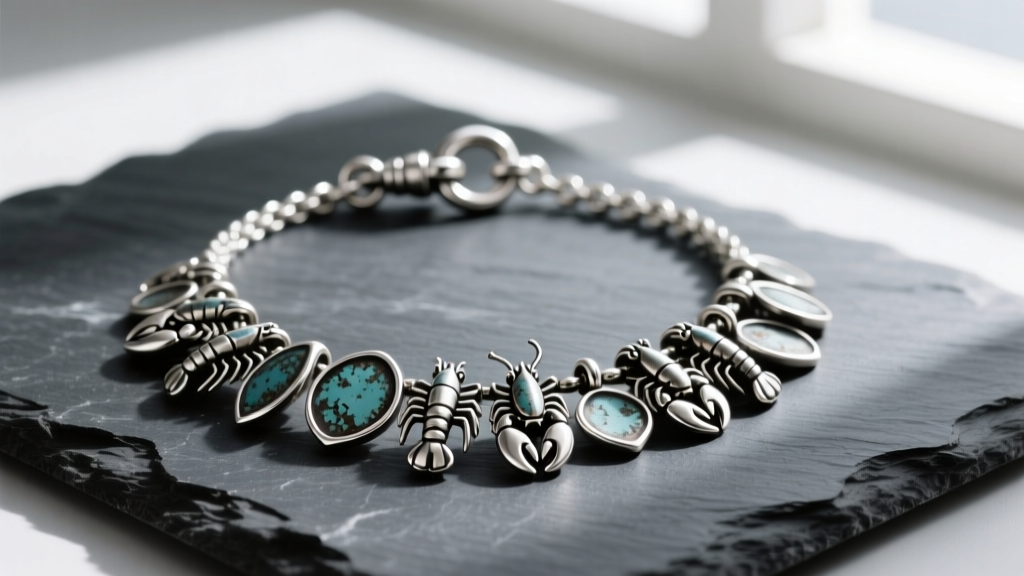
The Architecture of a Cascading Charm Necklace
When collectors and enthusiasts discuss the pinnacle of customizable artisan jewelry, the james avery cascading charm necklace consistently ranks at the top. Unlike standard single-pendant setups, a cascading arrangement relies on a meticulously balanced chain supporting multiple charms of varying weights, textures, and drop lengths. This creates a dynamic, layered visual effect that moves fluidly with the wearer. However, building a cascading setup is not as simple as sliding charms onto any available chain. It requires a deep understanding of metallurgy, tensile strength, and weight distribution to prevent chain fatigue and jump ring failure.
James Avery Artisan Jewelry has built a legacy on heavy-gauge sterling silver and richly oxidized details. To properly curate a cascading piece in 2026, buyers must navigate the nuances of chain weaves, clasp mechanics, and the secondary market for retired charms. This guide provides the exact specifications and decision frameworks needed to build a necklace that is both structurally sound and aesthetically flawless.
Decoding the Chain: Cable, Box, and Rolo Weights
The foundation of any cascading charm necklace is the chain. A delicate 1.0mm cable chain might look elegant on its own, but it is a structural liability when burdened with 25 grams of silver charms. The downward pull and lateral friction of multiple charms will quickly distort thin links, leading to micro-fractures at the solder points.
Gauge and Tensile Strength Requirements
For a true cascading setup featuring three to seven charms, you must select a chain with a minimum thickness of 1.5mm, though 2.0mm to 2.5mm is the optimal sweet spot for heavy vintage pieces. The James Avery Artisan Jewelry catalog frequently features sturdy rolo and box chains that are specifically engineered to handle the kinetic stress of charm movement.
- 1.2mm - 1.5mm Cable Chains: Suitable for lightweight, modern charms (under 15g total weight). Prone to kinking if twisted.
- 1.8mm - 2.2mm Rolo Chains: The ideal choice for medium cascading setups. The round, interlocking links distribute weight evenly and resist kinking.
- 2.5mm+ Box Chains: Best for heavy, oversized vintage charms. The square links lay flat and offer immense tensile strength, though they can pull fine chest hairs if not kept clean.
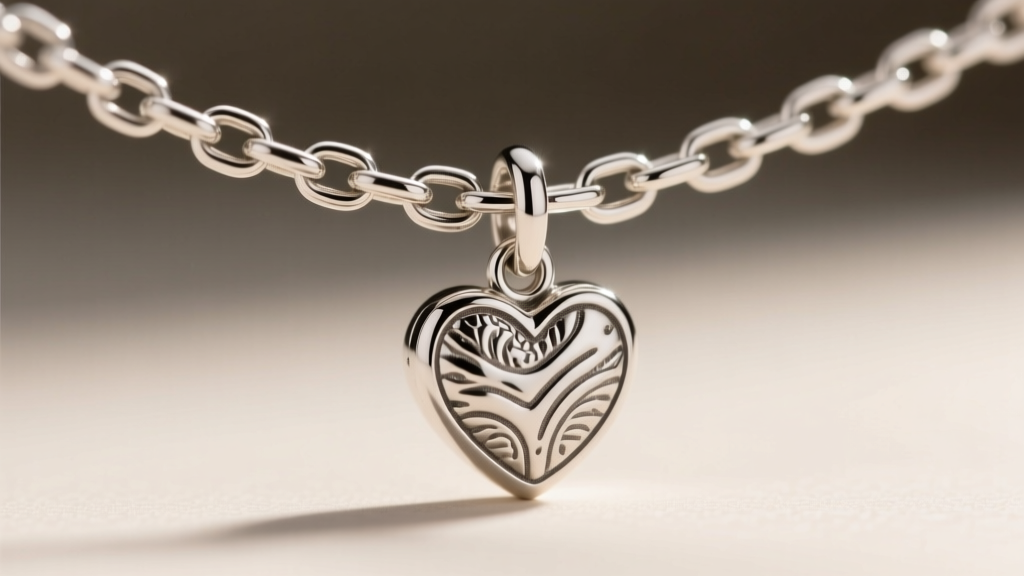
Charm Selection: Balancing Weight and Visual Flow
The defining characteristic of a cascading necklace is the staggered drop of the charms. This is achieved by using jump rings of varying diameters or by attaching charms to different links along the chain. However, weight distribution is critical. If you cluster three heavy solid-silver crosses on the left side and a single lightweight flower on the right, the chain will perpetually slide, causing the clasp to migrate to the front of the neck and wearing out the links asymmetrically.
Jump Ring Sizing and Failure Modes
James Avery charms typically come attached to a standard 4mm or 5mm jump ring. When building a cascade, ensure that the jump ring's outer diameter is at least 1.5mm larger than the thickness of the chain link it rests on. This allows the charm to pivot freely without grinding against the adjacent links. Furthermore, always verify that the jump ring is soldered closed or tightly pinched with flat-nose pliers. Unsoldered jump rings will inevitably pull apart under the swinging momentum of a cascading layout.
| Chain Type & Gauge | Max Total Charm Weight | Best Charm Style | Failure Risk Level |
|---|---|---|---|
| 1.2mm Cable | 12 grams | Hollow beads, thin cutouts | High (Link distortion) |
| 1.8mm Rolo | 28 grams | Standard flat charms, medium dangles | Low (Optimal balance) |
| 2.2mm Box | 45+ grams | Solid cast vintage, large gemstones | Very Low (High durability) |
Authenticity & Hallmarks: Spotting Genuine Pieces
Because James Avery pieces command high premiums on the secondary market, counterfeit charms and chains are increasingly common. Authenticating a james avery cascading charm necklace requires inspecting the hallmarks, which have evolved over the brand's history.
The Anatomy of a Genuine Stamp
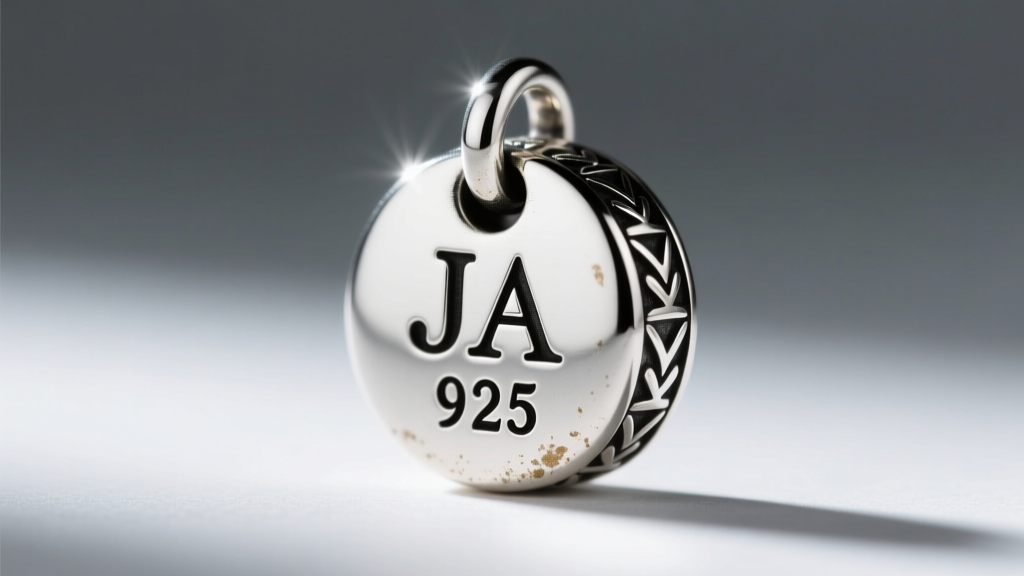
Every authentic piece will bear specific engravings, usually located on the back of the charm or on a small metal tag near the clasp on the chain. According to brand historians and archival data, you should look for the following combination:
- The 'JA' Stamp: Often stylized, this is the primary maker's mark.
- The Copyright Symbol (©): James Avery began using the copyright symbol in the late 1970s. Pieces lacking it are either very early vintage or potential fakes.
- Metal Purity: '925' for sterling silver, '14K' or '18K' for gold. Vintage pieces from the 1970s may simply say 'STERLING'.
Counterfeiters often use laser etching that looks too crisp and shallow, whereas genuine James Avery stamps are deeply struck with slightly softened edges due to the tumbling and polishing processes used in their Kerrville, Texas workshop.
Vintage vs. Retired vs. New: Market Pricing in 2026
Building a cascading necklace often requires sourcing retired charms from the secondary market. Understanding the pricing tiers is essential for budgeting your piece without overpaying.
- New (Current Catalog): Purchased directly from boutiques or the website. Silver chains range from $120 to $350 depending on weight. Standard charms retail between $55 and $165.
- Retired (Discontinued within 5 years): Found on platforms like eBay or Poshmark. Prices typically hover 10% to 20% above original retail due to collector demand.
- Vintage (1980s-1990s): Highly sought after for their heavier silver weight and deeper, hand-applied oxidation. Rare vintage cascading setups or large retired pendants (like the original large silver crosses or intricate gemstone pieces) can command $300 to $800+ per charm alone.
Clasp Mechanics and Security Upgrades
The clasp is the single most common point of failure on a charm necklace. James Avery chains traditionally come equipped with either a spring ring or a lobster claw clasp. For a cascading setup weighing over 20 grams, never rely on a spring ring. The internal spring mechanism degrades over time, and the small lever is easily snagged on clothing, popping open and dropping your investment.
Always upgrade to or verify the presence of a heavy-duty lobster claw clasp. If you are sourcing a vintage chain with a worn spring ring, take it to a local jeweler to have a 10mm or 12mm sterling silver lobster clasp soldered on. The cost is usually under $30 and provides immense peace of mind.
Care and Maintenance of Oxidized Details
James Avery is renowned for its heavy oxidation—the deliberate blackening of silver recesses to create contrast and highlight intricate textures. When maintaining your cascading necklace, avoid commercial liquid silver dips. As noted by the Silver Institute, harsh chemical baths will strip the oxidation entirely, leaving the charm looking flat, white, and devoid of its original artisan character.
Instead, use a treated silver polishing cloth (like a Sunshine cloth) and gently buff only the raised, high-friction areas of the charms. Let the tarnish remain in the deep crevices to preserve the three-dimensional depth of the cascading layout. Store the necklace flat in an anti-tarnish flannel pouch to prevent the chains from tangling and the charms from scratching one another during transit.
Styling and Neckline Pairing Framework
A cascading charm necklace is a statement piece that requires the right canvas. Because the charms drop at staggered lengths (often spanning 2 to 4 inches vertically), they pair best with open necklines that allow the silver to rest directly against the skin. Scoop necks, V-necks, and tailored button-down shirts left unbuttoned at the collar provide the ideal framing. Avoid high turtlenecks or heavily patterned fabrics, which will visually compete with the intricate, oxidized details of the cascading charms and cause unnecessary friction against the silver.


