James Avery Flower Necklace Buying Guide & Sizing Tips
Discover our expert buying guide for the James Avery flower necklace. Learn to authenticate retired pieces, pair chains, and care for silver patinas.

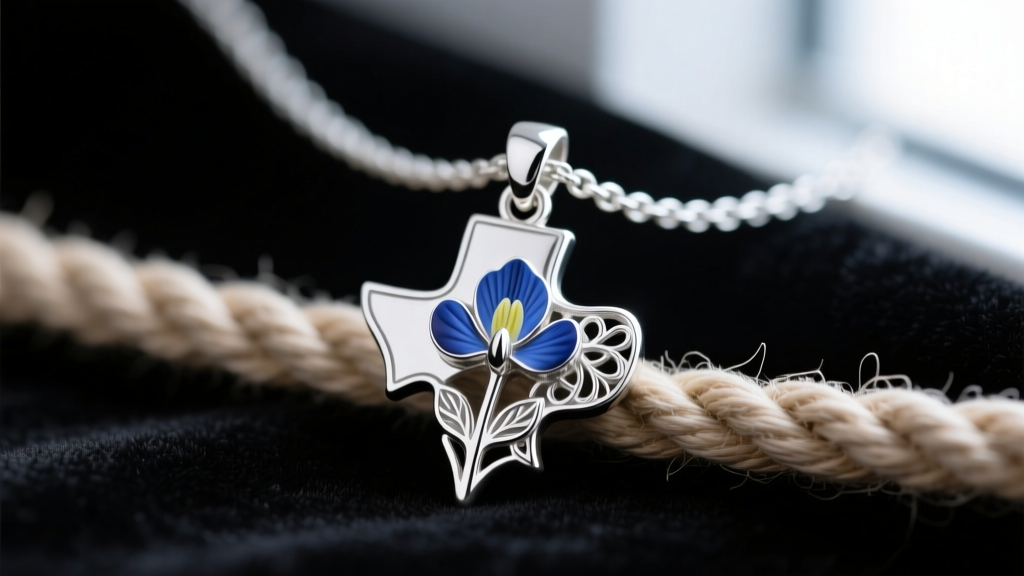
For decades, the James Avery flower necklace has remained a cornerstone of American artisan jewelry. Rooted in the Texas Hill Country, the brand’s botanical collections capture the intricate beauty of regional flora, translating delicate petals and leaves into enduring sterling silver and 14k gold. Whether you are hunting for a current retail piece or navigating the secondary market for a highly coveted retired design, buying a James Avery floral pendant requires an understanding of the brand's unique craftsmanship, hallmarking evolution, and specific care requirements.
This comprehensive buying guide will walk you through the most iconic floral motifs, how to authenticate vintage and modern pieces, chain pairing strategies, and the nuances of preserving the brand's signature oxidized finishes.
Iconic James Avery Floral Motifs: What to Look For
James Avery’s botanical lineup is vast, but a few specific flower designs have achieved legendary status among collectors. Understanding the differences between these motifs—and their production eras—will help you make informed purchasing decisions.
The Texas Bluebonnet
The state flower of Texas is arguably the brand's most recognizable floral motif. Early vintage bluebonnet pendants (produced in the 1970s and 1980s) often featured stunning champlevé enamel work, with deep blue and white enamel fired directly into the silver recesses. Today, most active bluebonnet necklaces rely on the brand's signature high-contrast oxidation to define the petals. If you are buying a vintage enameled bluebonnet, inspect the enamel under a loupe for micro-chipping, which significantly impacts the resale value.
The Dogwood and Rose Collections
The Dogwood flower pendant is a masterclass in silver sculpting, often featuring deep, dramatic veining in the petals and a prominent, textured center cluster. The Rose collection, alternatively, leans into romantic, tightly furled petals. When shopping for these specific James Avery flower necklace styles, pay attention to the bail (the loop that holds the pendant). Floral pendants with heavier silver weight require sturdy, soldered bails to prevent warping over time.
Decoding Authenticity: Hallmarks and Stamps
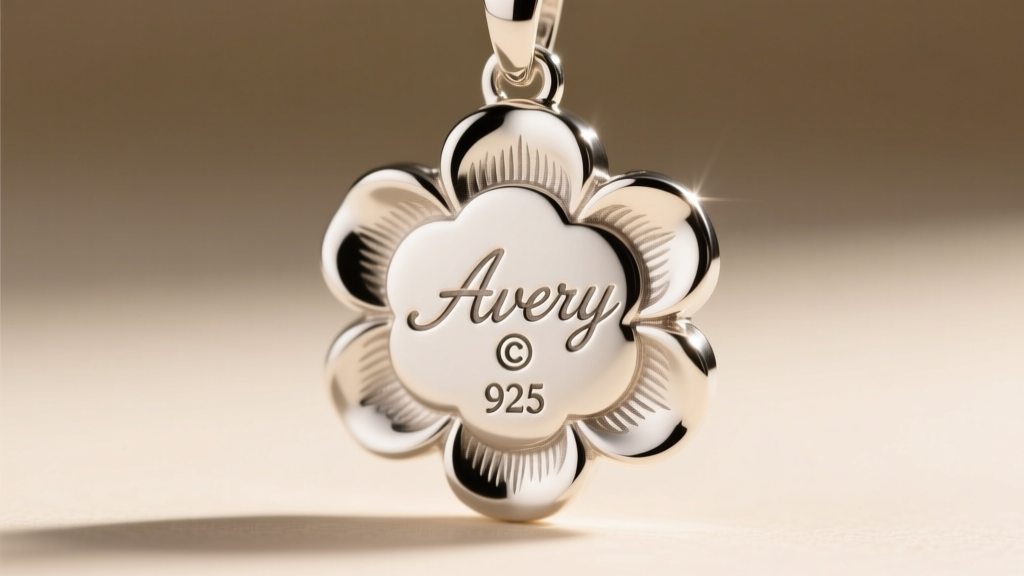
Because James Avery jewelry holds its value exceptionally well, the secondary market is unfortunately flooded with counterfeit pieces. Authenticating a James Avery floral pendant requires examining the hallmark stamps on the reverse side or along the edge of the bail.
- The Maker's Mark: Modern pieces feature a cursive "Avery" stamp. Older, vintage pieces (pre-1990s) may feature a block "AVERY" or simply an "A" inside a shield or circle.
- The Metal Stamp: Look for "925" or "STERLING" for silver pieces, and "14K" for gold. Some mixed-metal floral pendants will carry both stamps.
- The Copyright Symbol: Authentic pieces almost always include a © symbol next to the maker's mark.
- Casting Quality: Counterfeit pieces often have a "pitted" or porous texture on the back of the pendant. Genuine James Avery silver is cast using high-quality investment casting methods, resulting in a dense, smooth reverse, even if the front is heavily textured.
For a deeper understanding of how precious metals are stamped and regulated, the Lang Antiques hallmarking guide provides excellent context on reading vintage silver marks, which is invaluable when dating retired Avery pieces.
Chain Pairings: Matching Weight and Scale
A common mistake buyers make is pairing a heavy, solid silver floral pendant with a flimsy chain. James Avery pendants are notoriously substantial—many large flower pendants weigh between 10 and 18 grams. The bail on these pendants is typically wide, designed to accommodate thicker chains. Below is a structural guide for pairing your floral pendant with the correct chain.
| Chain Style | Best For | Recommended Thickness | Durability Rating |
|---|---|---|---|
| Rope Chain | Large Dogwood or Bluebonnet pendants | 2.0mm - 3.0mm | High (Excellent tensile strength) |
| Box Chain | Medium Rose or Daisy pendants | 1.5mm - 2.0mm | Medium-High (Resists kinking) |
| Omega Chain | Flat, wide floral collars or slides | 3.0mm+ | Low (Prone to permanent crimping) |
| Snake Chain | Small, delicate flower charms | 1.0mm - 1.5mm | Medium (Can catch on hair/sweaters) |
Navigating the Secondary Market for Retired Designs
James Avery frequently retires designs, moving them into their "Vault." When a popular James Avery flower necklace is retired, its price on the secondary market can skyrocket. Platforms like eBay, Poshmark, and specialized Facebook collector groups are the primary hunting grounds.
Pricing Expectations:
- Active Retail Florals: $65 – $150 (depending on size and gemstone accents).
- Recently Retired Silver Florals: $120 – $250.
- Vintage/Rare Enamel or Gold Florals: $350 – $800+.
When buying from independent sellers, always request high-resolution, macro photographs of the hallmark stamps and the inside of the bail. If the seller uses stock photos or the stamps appear blurred, blurred, or stamped over a polished-out area, walk away. Additionally, ask for the exact gram weight of the pendant; authentic large silver Avery florals rarely weigh less than 8 grams.
Preserving the Patina: Care and Maintenance
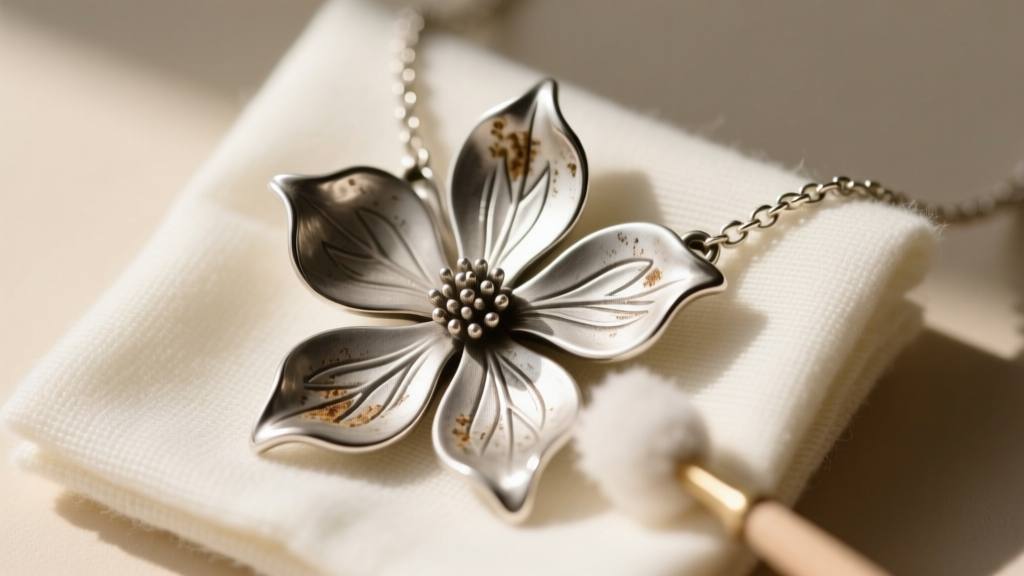
The most critical aspect of owning a James Avery botanical necklace is understanding the brand's finishing technique. James Avery utilizes intentional oxidation—a process where the silver is exposed to sulfur to turn the recessed areas black, creating a high-contrast, three-dimensional effect that highlights the intricate petal veining and stamen details.
The Golden Rule: Never Use Liquid Silver Dips
Chemical silver cleaners (like Tarn-X) or ultrasonic baths will strip the intentional oxidation from the crevices of your flower pendant, leaving it flat, stark white, and visually ruined. Once the factory oxidation is stripped, it is incredibly difficult to replicate the exact depth of contrast at home.
Proper Polishing Technique
To clean your James Avery flower necklace, use only a dry, untreated microfiber cloth or a specially treated silver polishing cloth (like a Sunshine cloth). Gently buff only the raised, high-polish edges of the petals and leaves. Avoid pressing the cloth into the deep grooves of the flower's center or the stem. For more detailed guidelines on preserving chemically treated silver finishes, refer to the official James Avery jewelry care guidelines, which explicitly warn against abrasive pastes and liquid dips.
Final Thoughts on Sizing and Layering
When selecting the length of your chain, consider the visual weight of the flower. A 16-inch choker length works beautifully for small, single-bloom daisies or roses, keeping them anchored at the collarbone. However, larger, multi-bloom floral clusters or heavy dogwood pendants require an 18-inch or 20-inch chain to allow the pendant to drape naturally without pulling the neckline of your garment. If you plan to layer your Avery floral pendant with other chains, stick to a minimum 2-inch length differential between necklaces to prevent the heavy silver bails from tangling and scratching adjacent pieces.


