James Avery Sunflower Necklace: Metal Comparison Guide
Compare sterling silver and 14k gold options for the James Avery sunflower necklace. Explore metal hardness, tarnish rates, and long-term value.

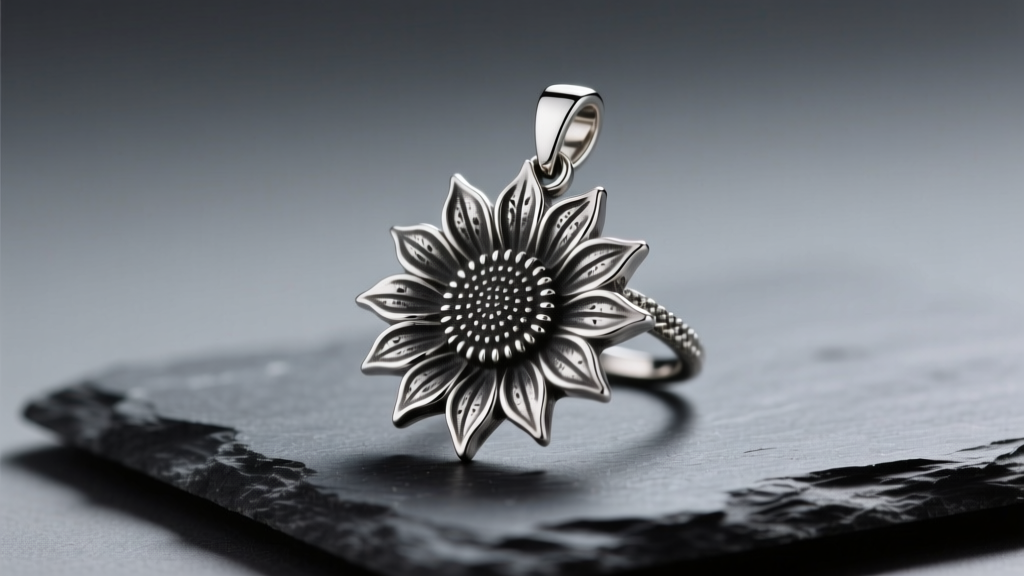
The James Avery sunflower necklace is an iconic staple in Southern and Southwestern jewelry wardrobes, celebrated for its intricate detailing and timeless botanical motif. However, when investing in this specific piece, buyers are frequently confronted with a critical decision: which metal variation best suits their lifestyle, budget, and long-term wearability goals? While the design remains constant, the metallurgical properties of sterling silver, 14k yellow gold, and 14k white gold drastically alter the pendant's durability, maintenance requirements, and heirloom potential. In this comprehensive material comparison, we break down the exact alloy compositions, Vickers hardness ratings, and real-world failure modes of the James Avery sunflower necklace to help you make an informed, expert-level purchasing decision.
The Metallurgy of the Sunflower Motif: Casting and Detail
Before analyzing the specific metals, it is vital to understand how the James Avery sunflower necklace is manufactured. The brand utilizes traditional lost-wax casting, a process where a wax model of the sunflower is encased in investment plaster, burned out, and replaced with molten metal. The sunflower design features deep crevices in the seed head and overlapping, paper-thin petals. This intricate topography requires metals with excellent fluidity and low shrinkage rates during the cooling phase. According to The Silver Institute, sterling silver possesses superior casting fluidity compared to higher-karat golds, allowing it to capture the microscopic textures of the sunflower seeds with exceptional sharpness straight out of the mold. However, the metal choice ultimately dictates how well those details survive decades of friction, impact, and chemical exposure.
Sterling Silver (925): The Classic Standard
The sterling silver James Avery sunflower necklace is the most popular and accessible iteration of the design. Stamped '925', this alloy consists of 92.5% pure silver and 7.5% copper. Pure silver is too soft for daily wear (rating roughly 25 HV on the Vickers hardness scale), so the copper addition raises the hardness to approximately 65-70 HV, providing the structural integrity needed for a pendant bail and delicate petals.
The defining characteristic of the silver sunflower is its intentional oxidation. James Avery artisans apply a liver of sulfur treatment to darken the recessed areas of the seed head and petal veins, creating a high-contrast, three-dimensional effect. Over time, the copper in the alloy will react with sulfur compounds in the air and on the skin, creating copper sulfide tarnish. While the high-polish areas of the petals can be easily maintained with a microfiber polishing cloth, owners must be careful not to aggressively rub the recessed crevices, as this will strip the intentional antiquing and leave the sunflower looking flat and overly bright. Priced generally between $75 and $130, the silver version offers the highest level of detail contrast but demands the most active maintenance.
14k Yellow and White Gold: Durability and Heirloom Value
For those seeking a low-maintenance, multi-generational piece, the 14k gold variations of the James Avery sunflower necklace represent a significant upgrade in metallurgical durability. 14k gold is composed of 58.5% pure gold and 41.5% alloy metals. According to the Gemological Institute of America (GIA), this specific ratio provides an optimal balance between the rich color of gold and the tensile strength required for daily wear jewelry.
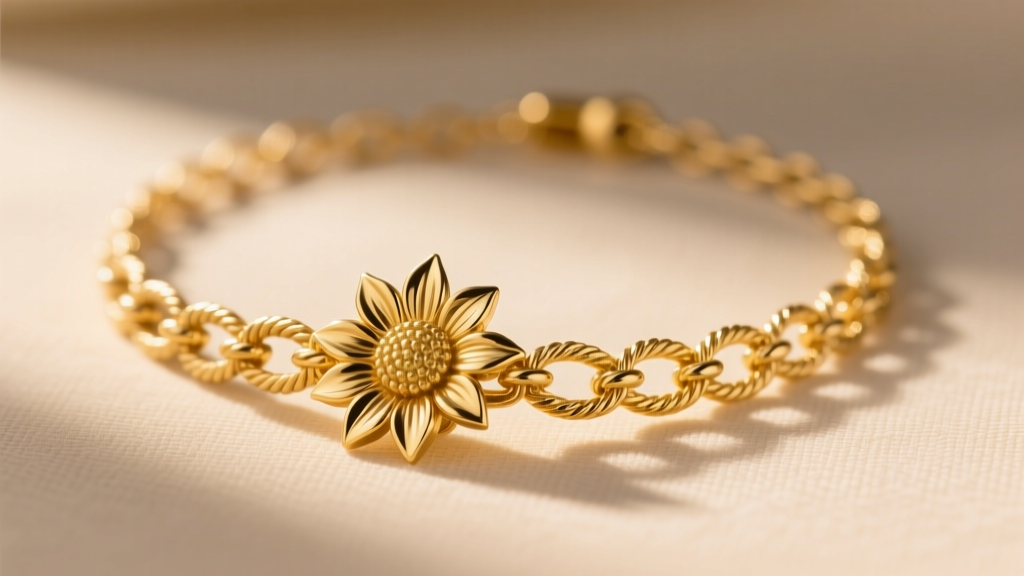
The 14k yellow gold sunflower is typically alloyed with copper and silver, pushing its Vickers hardness to roughly 135 HV—nearly double that of sterling silver. This increased hardness means the delicate tips of the sunflower petals are far less prone to bending, denting, or losing their crisp edges when bumped against hard surfaces. Furthermore, gold does not oxidize or tarnish in normal atmospheric conditions, meaning the high-polish finish will remain bright without the need for chemical dips or polishing cloths.
The 14k white gold version introduces a different set of properties. Alloyed with palladium or nickel and plated with a microscopically thin layer of rhodium, white gold offers a brilliant, silvery-white finish with a surface hardness exceeding 800 HV. However, the sunflower's raised petal edges experience high friction against clothing. Over a period of 3 to 5 years, the rhodium plating on these high-contact points will wear away, revealing the naturally warm, slightly yellowish undertone of the white gold alloy beneath. Re-plating is required to maintain the stark white aesthetic, adding a long-term maintenance cost that yellow gold and silver do not share.
Two-Tone and Mixed Metal Variations
James Avery occasionally releases two-tone versions of the sunflower necklace, typically featuring a sterling silver base with 14k yellow gold accents on the center seed head or the petal tips. From a metallurgical standpoint, mixed-metal casting introduces galvanic considerations. When two dissimilar metals are in constant contact in the presence of an electrolyte (like sweat or humidity), galvanic corrosion can occur. However, because the noble potential difference between 14k gold and sterling silver is relatively low, and the surface area of the gold accents is small, galvanic degradation in a two-tone sunflower necklace is virtually negligible in real-world wear. The primary concern with two-tone pieces is polishing; using abrasive silver polish on the oxidized silver sections can inadvertently scratch or dull the adjacent high-polish gold accents.
Material Comparison Matrix
To visualize the distinct physical and economic properties of the available metals, refer to the comparison matrix below. This data assumes a standard medium-sized sunflower pendant without diamond accents.
| Property | Sterling Silver (925) | 14k Yellow Gold | 14k White Gold |
|---|---|---|---|
| Composition | 92.5% Ag, 7.5% Cu | 58.5% Au, Cu/Ag/Zn | 58.5% Au, Pd/Ni/Cu |
| Vickers Hardness (HV) | ~65 - 70 HV | ~130 - 140 HV | ~135 HV (Base) / 800+ HV (Rhodium Surface) |
| Tarnish Resistance | Low (Requires regular polishing) | High (Will not tarnish) | High (Base won't tarnish, but plating wears) |
| Detail Retention | Excellent (Soft, but casts sharply) | Very Good (Harder, resists edge blunting) | Very Good (Harder, resists edge blunting) |
| Approx. Price Range | $75 - $130 | $650 - $950 | $700 - $1,050 |
Chain Mechanics and Clasp Durability
The pendant is only half of the equation; the chain material and mechanics dictate the overall security of the James Avery sunflower necklace. The brand typically pairs these pendants with either a box chain or a rope chain, ranging from 1.0mm to 1.5mm in gauge thickness. For a solid metal pendant of this weight, a 1.2mm or 1.5mm gauge is highly recommended. Thinner 1.0mm chains, particularly in softer sterling silver, are susceptible to kinking and structural fatigue at the link joints.
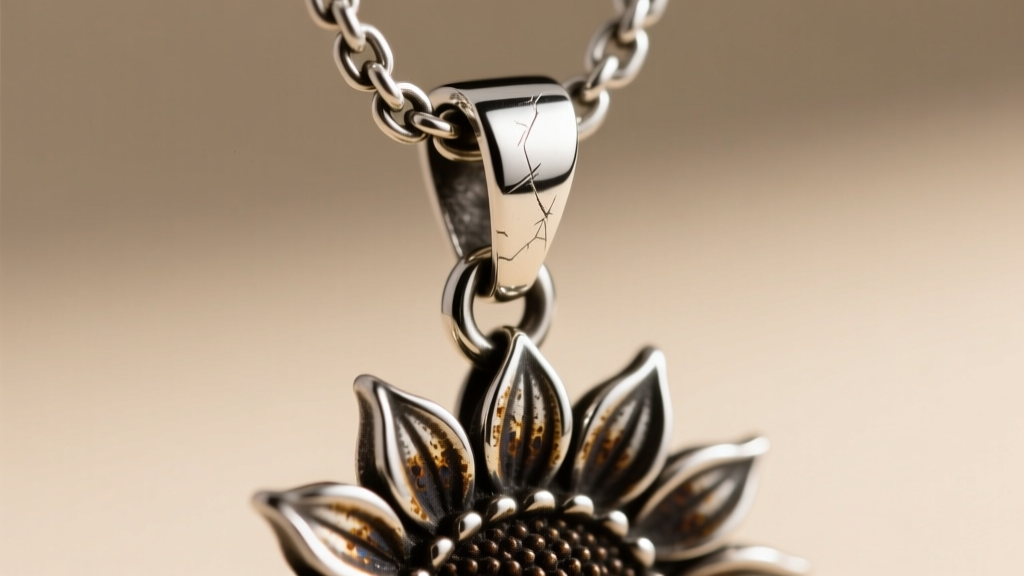
The most critical failure point on any necklace is the jump ring—the small circular wire that connects the chain to the pendant bail. On sterling silver chains, if the jump ring is merely butt-jointed (where the two ends of the wire meet but are not soldered), the weight and swinging momentum of the sunflower pendant can gradually pull the ring open, resulting in a lost pendant. When purchasing a silver sunflower necklace, inspect the jump ring closely. If it is not soldered closed, take it to a local jeweler to have the seam laser-welded or soldered shut for a nominal fee. Gold jump rings are generally more resilient due to the alloy's higher tensile strength, but soldering remains a best practice for heirloom security.
Real-World Failure Modes and Maintenance
Understanding how these necklaces fail in the wild allows you to preemptively protect your investment. The most common issue reported with the sterling silver sunflower is the flattening of the outer petal tips. Because the petals are cast relatively thin to mimic nature, resting against hard surfaces or catching on heavy knit sweaters can bend the silver. While a jeweler can gently reshape them, repeated bending will cause work-hardening, eventually leading to metal fatigue and cracking.
Chemical exposure is another major factor. The James Avery Official Care Guide explicitly warns against exposing their jewelry to harsh chemicals. Chlorine, commonly found in swimming pools and household bleach, is particularly destructive. In sterling silver, chlorine accelerates tarnishing and can cause severe pitting. In 14k gold, chlorine attacks the copper and zinc alloys within the metal matrix, leading to a phenomenon known as stress-corrosion cracking, which can cause the pendant bail to snap cleanly off without warning. Always remove your sunflower necklace before swimming or cleaning.
Final Verdict: Choosing Your Sunflower
Selecting the right metal for your James Avery sunflower necklace ultimately depends on your wear habits and aesthetic preferences. If you appreciate the high-contrast, artisanal look of darkened crevices and do not mind occasional polishing, the sterling silver version offers unparalleled visual depth and accessibility. If you require a 'wear-it-and-forget-it' piece that will withstand decades of daily friction without losing its structural integrity or requiring chemical cleaning, the 14k yellow gold iteration is the superior metallurgical choice. By understanding the exact properties, hardness ratings, and failure modes of these alloys, you can ensure your sunflower necklace remains a vibrant, enduring symbol of growth and resilience for years to come.


