How to Style & Authenticate Your Jane Seymour Open Heart Necklace
Master the art of wearing the Jane Seymour Open Heart necklace. Learn step-by-step authentication, cleaning routines, and expert layering techniques.

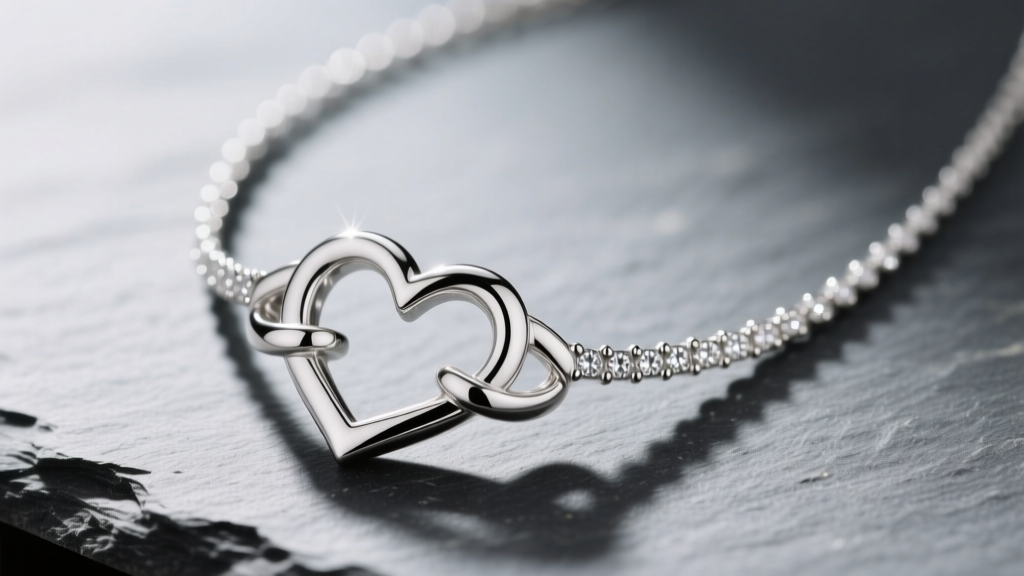
The Jane Seymour Open Heart necklace is far more than a celebrity-endorsed accessory; it is a masterclass in symbolic jewelry design. Anchored by the actress’s famous motto, “If you keep your heart open, love will find you,” the interlocking heart motif has become a staple in fine fashion jewelry. However, as the collection's popularity has surged through 2026, so has the market saturation of counterfeits and improper care methods that strip the vermeil finish.
Whether you own a sterling silver piece with genuine white topaz accents or a 14k gold vermeil pendant featuring created sapphires, this comprehensive, step-by-step guide will teach you how to authenticate your necklace, preserve its metallurgical integrity, and style it using professional layering matrices.
The Anatomy of the Open Hearts Collection
To properly care for and style your necklace, you must first understand its exact material composition. The Jane Seymour Open Hearts line is primarily crafted using a 925 sterling silver base. For the gold-toned variations, the brand utilizes gold vermeil rather than standard gold plating.
According to the FTC Jewelry Guides, standard gold plating can feature a brass base with a microscopic flash of gold (often less than 0.1 microns). Vermeil, by strict legal definition, must consist of a sterling silver base coated with a minimum of 2.5 microns of 10k, 14k, or 18k gold. This thickness ensures the necklace is hypoallergenic and significantly more resistant to tarnishing and wear. The pendants typically suspend from a 1.2mm to 1.5mm cable or rolo chain, secured by a spring-ring or lobster claw clasp with a standard 2-inch extender.
Step-by-Step Authentication Guide
Because the Open Heart motif is widely replicated, verifying the authenticity of your Jane Seymour piece requires a meticulous physical inspection. Follow this three-step protocol to ensure your necklace is genuine.
Step 1: Inspect the Hallmarks
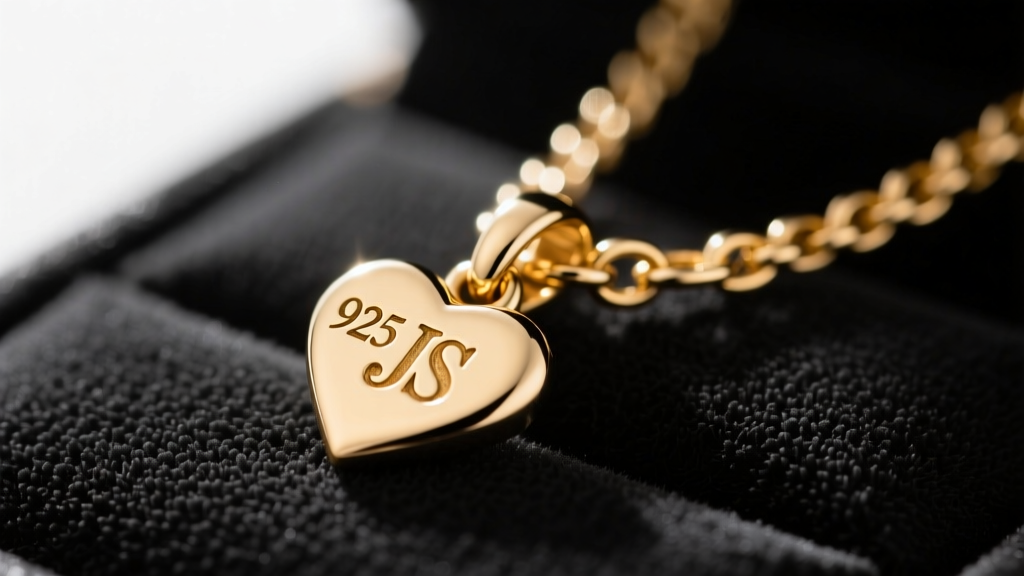
Genuine pieces are stamped with precise laser-engraved hallmarks. Use a 10x jeweler's loupe to examine the back of the pendant and the clasp tag. You should see a clear '925' stamp indicating sterling silver, alongside the 'JS' maker's mark. Counterfeits often feature shallow, blurry stamps or omit the JS mark entirely to avoid copyright infringement.
Step 2: Evaluate the Gemstone Settings
Many Open Heart necklaces feature accent stones, such as genuine white topaz or created sapphires. According to the Gemological Institute of America (GIA), created sapphires share the exact chemical composition (Al2O3) as mined stones but are grown in controlled environments. Authentic Jane Seymour pieces use precise prong or bezel settings with clean, polished metal edges. Fakes often use glued-in glass or cubic zirconia with rough, uneven prongs.
Step 3: Verify the Weight and Clasp Mechanics
Authentic pendants have a specific gravity and weight profile due to the solid sterling silver core. Below is a comparison matrix to help you identify discrepancies.
| Feature | Authentic Jane Seymour | Common Counterfeit |
|---|---|---|
| Base Metal | Solid 925 Sterling Silver | Brass, Copper, or Alloy |
| Pendant Weight | 3.5g - 6.0g (varies by style) | Under 2.5g (feels hollow/light) |
| Chain Thickness | 1.2mm - 1.5mm Cable/Rolo | Ultra-thin 0.8mm hollow chain |
| Clasp Type | Branded Lobster or Spring-Ring | Generic, poorly aligned lobster |
How to Clean and Preserve Your Necklace
The interlocking design of the Open Heart pendant creates microscopic crevices where sebum, lotions, and environmental dust accumulate. Improper cleaning can strip the gold vermeil or damage the gemstone accents. Follow this exact cleaning protocol.
The Safe Cleaning Protocol
- Prepare the Bath: Mix lukewarm distilled water with three drops of phosphate-free, non-bleach dish soap (e.g., Dawn). Avoid tap water, as trace minerals and chlorine can cause water spots on sterling silver.
- Submerge Briefly: Place the necklace in the solution for exactly 3 to 5 minutes. Do not exceed this time, as prolonged water exposure can weaken the adhesive in certain gemstone settings.
- Agitate Gently: Use a baby-soft toothbrush (bristle diameter under 0.1mm) to gently sweep the crevices of the interlocking hearts. Brush in a single direction to avoid micro-scratching the vermeil.
- Rinse and Dry: Rinse thoroughly with distilled water. Immediately pat dry with a lint-free microfiber cloth. Do not air dry.
Critical Warnings: What NOT to Do
- Never use ultrasonic cleaners: The high-frequency vibrations can fracture created sapphires and loosen prong settings.
- Avoid silver dip solutions: Chemical dips strip the oxidized detailing and will instantly remove gold vermeil plating.
- Do not use tissue paper: Wood-pulp-based tissues contain microscopic fibers that act like sandpaper on high-polish metal.
Mastering the Layering Technique
The Jane Seymour Open Heart necklace is traditionally sold in 16-inch and 18-inch lengths (the 'Princess' length). To elevate your styling in 2026, you must integrate it into a structured layering stack. The golden rule of necklace layering is maintaining a minimum 2-inch gap between chains to prevent tangling and visual clutter.
The 3-Point Layering Formula
1. The Anchor (14 inches): Start with a delicate 14-inch choker or collar chain. A simple 1.0mm sterling silver box chain or a subtle pearl strand provides a foundational baseline that draws the eye to the collarbone.
2. The Focal Point (16-18 inches): This is where your Jane Seymour Open Heart pendant sits. The interlocking motif requires visual breathing room. Ensure the pendant rests precisely in the center of the clavicle hollow.
3. The Elongator (22-24 inches): Finish the stack with a longer matinee-length chain featuring a vertical drop pendant or a simple lariat. This creates a V-shape optical illusion that elongates the neck and torso.
“When layering symbolic pieces like the Open Heart, let the motif dictate the spacing. The interlocking hearts need negative space around them to remain the undeniable focal point of the stack.” — Editorial Styling Notes, Jewel Style Radar

Neckline Pairing Matrix
A common styling error is pairing the wrong chain length with a specific garment neckline, which can cause the pendant to clash with the fabric's hem. Use this definitive matrix to match your Jane Seymour necklace to your wardrobe.
| Garment Neckline | Ideal Chain Length | Styling Rationale |
|---|---|---|
| Deep V-Neck | 18 inches (with extender) | Allows the pendant to rest just above the fabric's vertex, mirroring the V-shape and elongating the silhouette. |
| Crew Neck / T-Shirt | 16 inches | Sits perfectly just below the tight collar, providing a sharp contrast between casual cotton and fine vermeil. |
| Scoop Neck | 14 inches or 20 inches | Avoid the 16-inch length, as it will compete with the scoop's curve. Go shorter for a choker look, or longer to drop below the hem. |
| Off-the-Shoulder | 16 inches (Choker style) | Draws the eye horizontally across the exposed collarbones, complementing the romantic aesthetic of the Open Heart motif. |
| Button-Down Shirt | 18 inches + 24 inches | Unbutton the top two buttons and utilize the 3-point layering formula to fill the negative space with mixed metal tones. |
By understanding the precise metallurgy, adhering to strict authentication protocols, and applying structural layering mathematics, you transform your Jane Seymour Open Heart necklace from a simple accessory into a curated, lifelong staple of your jewelry wardrobe. For more in-depth guides on preserving fine fashion jewelry and mastering gemstone care, continue exploring our brand-specific archives and material science tutorials.


