JBK Necklace Value Guide: Budget & Quality Review
Assess the true value of a JBK necklace. We break down vintage vs. modern pricing, material grades, plating thickness, and quality hallmarks.

The JBK Necklace Landscape: Fashion vs. Heritage
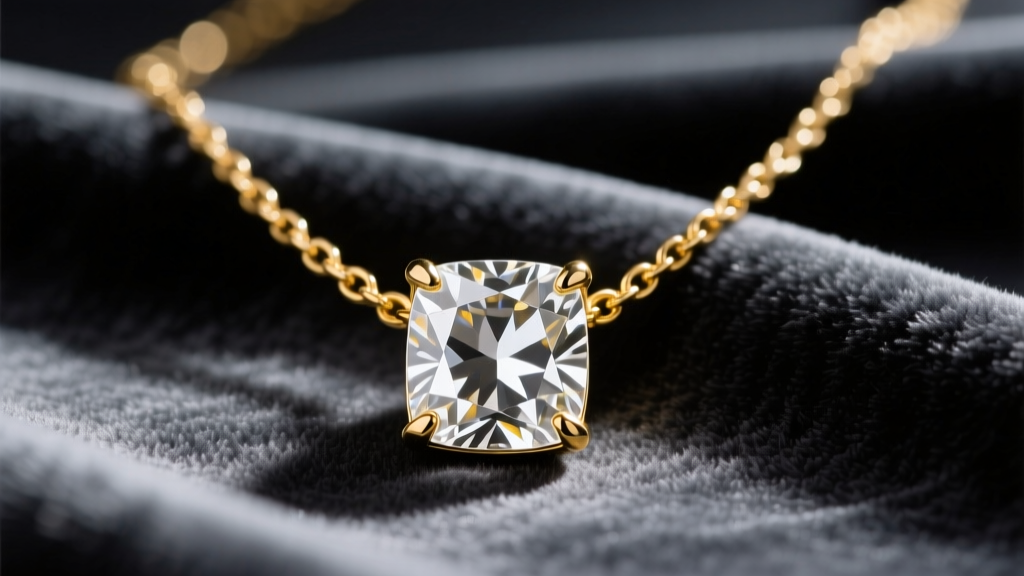
When evaluating the secondary market or department store clearance racks, the JBK necklace frequently appears as a point of curiosity for budget-conscious collectors and everyday wearers alike. JBK (often associated with JBK Jewelry and related fashion jewelry manufacturing lines) occupies a unique space in the accessories market. While primarily known for accessible, trend-driven fashion jewelry, older JBK pieces from the 1980s and 1990s have entered the vintage estate market, offering surprisingly robust construction for their original price points.
As we navigate the 2026 vintage jewelry resurgence, understanding the true value of a JBK necklace requires looking past the brand stamp and analyzing the metallurgy, stone settings, and chain engineering. Is a JBK piece a fleeting fast-fashion accessory, or a durable staple? This comprehensive budget and value assessment breaks down exactly what you are paying for.
Material Breakdown: Base Metals and Plating Microns
The foundational value of any fashion jewelry piece lies in its base metal and the thickness of its precious metal plating. According to the FTC Jewelry Guides, terms like 'gold plated' and 'gold electroplated' have strict micron thickness requirements that dictate a necklace's lifespan.
Modern JBK Lines (Post-2010)
Modern JBK necklaces typically utilize zinc-alloy or pewter bases. These metals are inexpensive to cast, allowing for intricate, heavy-looking pendant designs at a low cost. However, they are prone to pitting if the outer plating breaches. The plating on modern pieces is usually 'flash plated'—a microscopic layer of gold or rhodium (often less than 0.1 microns) applied via electroplating. This provides immediate visual appeal but will wear away within 6 to 12 months of daily wear, especially at high-friction areas like the clasp and jump rings.
Vintage JBK Lines (1980s-1990s)
Vintage JBK necklaces offer significantly better material value. The base metal is almost exclusively solid brass, which provides a smooth, non-porous surface for plating. Many vintage pieces feature Heavy Gold Electroplate (HGE), which must be at least 2.5 microns thick (usually 14K or 18K gold). This thickness ensures the necklace can withstand decades of wear without exposing the brass underneath, making vintage JBK a superior budget investment.
Chain Weave Durability and Hardware
A pendant is only as secure as the chain it hangs from. When assessing a JBK necklace, examine the chain weave and the soldering of the links.
- Cable Chains: Common in modern JBK pieces. They consist of simple oval links. If the links are unsoldered (meaning the seam is just pressed shut, not welded), they will easily pull apart if the necklace snags on clothing.
- Box and Rope Chains: Frequently found in vintage JBK collections. Box chains are incredibly resilient due to their interlocking square links, while rope chains offer high tensile strength. Vintage JBK box chains usually feature soldered links, vastly increasing their structural integrity and resale value.
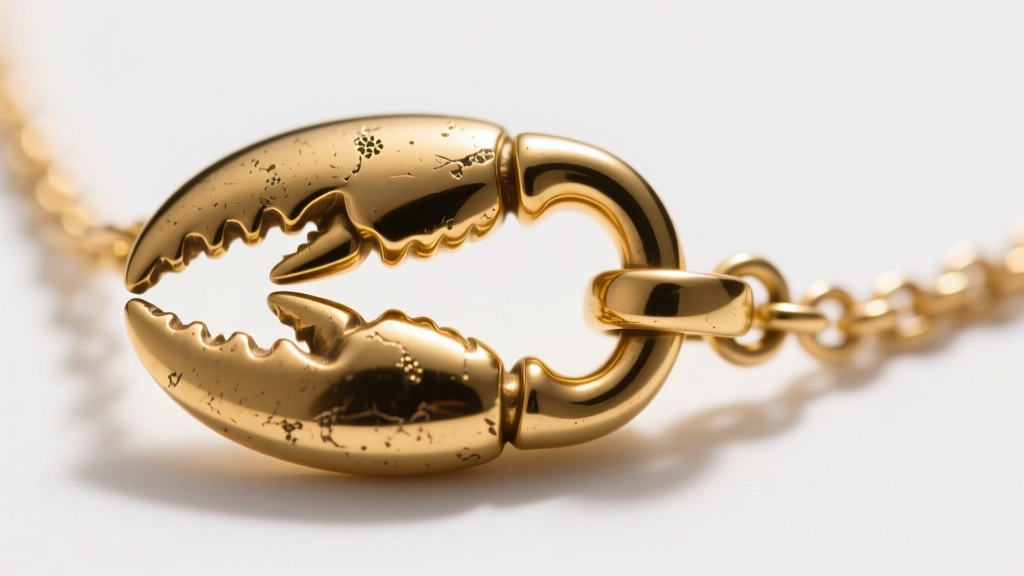
- Clasp Hardware: Modern budget pieces often rely on small spring-ring clasps, which suffer from weak internal springs and difficult handling. Vintage JBK necklaces predominantly use lobster claw clasps or sturdy fold-over clasps, which offer superior security and longevity.
Price Tiers: What Should You Actually Pay?
Whether you are browsing Etsy, eBay, or a local estate sale, pricing a JBK necklace accurately prevents overpaying for mass-produced items while helping you spot undervalued vintage gems. Below is a comparative breakdown of the current market tiers.
| Feature | Modern JBK ($15 - $45) | Vintage JBK ($40 - $150) |
|---|---|---|
| Base Metal | Zinc Alloy / Pewter | Solid Brass / Bronze |
| Plating Thickness | Flash Plated (<0.1 microns) | HGE / Thick Electroplate (2.5+ microns) |
| Stone Setting | Glued / Resin-set | Prong-set / Bezel-set |
| Chain Link Soldering | Unsoldered (Pressed) | Soldered (Welded) |
| Expected Lifespan | 1 - 3 Years (with careful wear) | 20+ Years (often outlives owner) |
The 4-Point Value Assessment Checklist
To determine if a specific JBK necklace is worth your hard-earned money, run it through this rapid diagnostic checklist used by estate jewelry appraisers.
1. Stone Refractivity and Setting
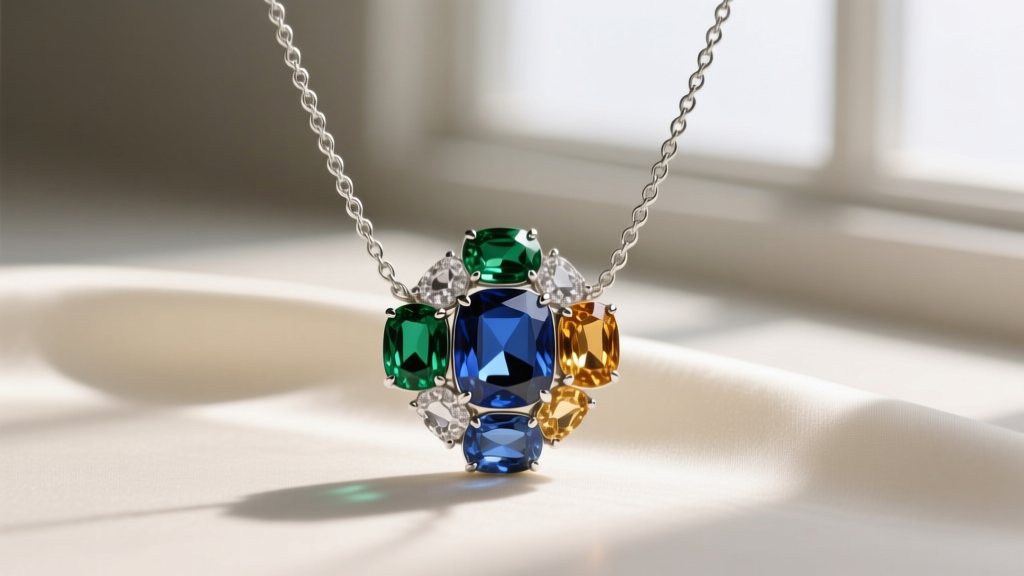
Budget fashion jewelry often substitutes Cubic Zirconia (CZ) or glass for genuine gemstones. According to the GIA Gem Encyclopedia, CZ has a high refractive index and exhibits strong dispersion (fire), whereas glass is duller and may contain microscopic bubbles or swirl marks. More importantly, check the setting. If the stones are glued into a smooth metal cup, moisture will eventually cloud the adhesive and the stones will fall out. If the stones are held by tiny metal prongs folded over the girdle of the stone, the piece has genuine craftsmanship value and can be cleaned safely.
2. The Hallmark and Stamp Audit
Turn the pendant and the clasp over. Authentic vintage JBK pieces will often be stamped with 'JBK' alongside a metal qualifier, such as '14K HGE' (Heavy Gold Electroplate) or '18K EP'. If the piece only says 'JBK' with no metal qualifiers, it is likely a later, lower-tier production run. The presence of an HGE stamp immediately elevates the necklace into the $50+ value tier, assuming the plating is intact.
3. Tarnish and Corrosion Mapping
Inspect the crevices of the pendant and the interior of the chain links. Brass-based vintage JBK will sometimes develop a dark, uniform patina if the plating wears thin, which can be gently polished. However, if you see green, powdery corrosion (verdigris), the base metal is actively degrading due to moisture exposure and skin acids. Verdigris compromises the structural integrity of the metal and is a major red flag that drastically reduces the necklace's value to near zero.
4. Weight and Drape Test
Pick up the necklace. A high-quality vintage JBK chain will have a noticeable, satisfying weight and will drape fluidly like liquid metal over your hand. Modern, budget-tier chains often feel hollow, overly rigid, or suspiciously lightweight, indicating thin, unsoldered alloy links that will kink permanently if bent.
Final Verdict: Who Should Buy a JBK Necklace?
The value of a JBK necklace is entirely dependent on its era and construction. If you are looking at a modern JBK piece under $30, view it as a short-term, seasonal fashion accessory. It is perfectly fine for occasional wear, but do not expect it to become an heirloom or withstand daily exposure to sweat, perfumes, and water. For daily wearers, the Jewelers of America recommends removing all plated fashion jewelry before swimming or applying lotions to preserve the finish.
However, if you are hunting in the vintage and estate market, a 1980s or 1990s JBK necklace represents an outstanding budget hack. You are essentially acquiring heavy brass, thick gold electroplating, and secure prong-set stones for a fraction of what a comparable demi-fine piece would cost today. By focusing on soldered chains, HGE stamps, and prong settings, you can build a highly durable, luxurious-looking jewelry collection without breaking the bank.


