JC 925 Necklace Care: Expert Cleaning & Tarnish Tips
Discover expert care, cleaning, and storage tips for your JC 925 necklace. Learn how to safely remove tarnish and preserve sterling silver.

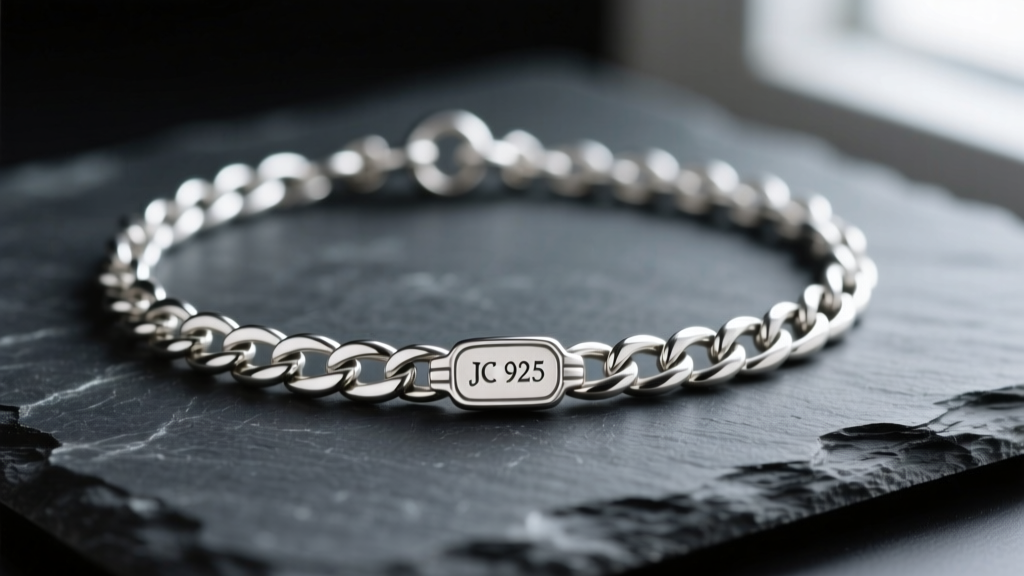
The Allure and Challenge of Stamped Sterling Silver
Finding a vintage or artisan piece stamped with a maker's mark is a thrill for any jewelry collector. When you encounter a JC 925 necklace, you are holding a piece of history crafted from sterling silver. However, owning vintage silver requires a modern, science-backed approach to maintenance. Unlike pure gold or platinum, sterling silver is a reactive alloy that demands specific care routines to prevent irreversible damage. In this comprehensive 2026 guide, we break down the exact metallurgy of your necklace, the chemistry of tarnish, and professional-grade cleaning protocols that will safely restore your silver without harming delicate chain links or vintage gemstones.
Decoding the "JC 925" Stamp on Your Necklace
To properly care for your jewelry, you must first understand its exact composition. The 925 stamp is the universal millesimal fineness mark for sterling silver, meaning the alloy consists of 92.5% pure silver and 7.5% secondary metals—most commonly copper. According to the Silver Institute, pure silver (999) is too soft for daily wear; a 1.5mm 999 silver rope chain would stretch and snap under the weight of a heavy pendant. The 7.5% copper addition provides the necessary tensile strength.
The JC stamp is the maker's mark or retailer hallmark. In vintage pieces, this often denotes specific mid-century silversmiths or legacy retail lines (such as vintage JCPenney jewelry collections). Knowing this is crucial because older JC 925 necklaces may feature traditional copper-heavy alloys that tarnish more aggressively than modern sterling blends, which sometimes substitute copper with zinc or platinum for added tarnish resistance.
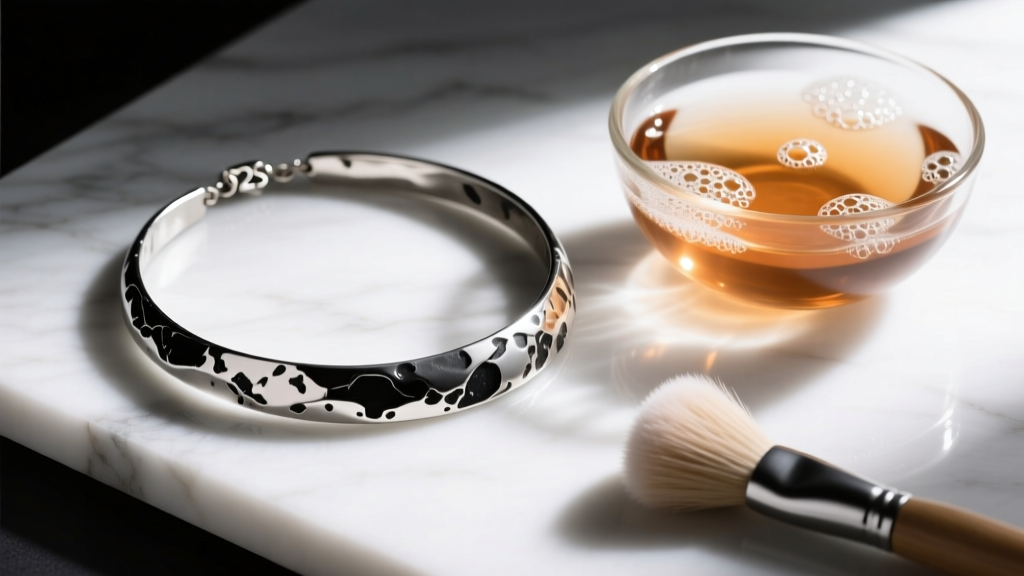
The Chemistry of Tarnish: Why Your Silver Turns Black
A common misconception is that silver tarnishes due to oxygen. In reality, silver oxidation is primarily a reaction with sulfur. When the copper and silver in your JC 925 necklace are exposed to hydrogen sulfide (H2S) in the atmosphere, they form silver sulfide (Ag2S) and copper sulfide (CuS). This manifests as a yellow, brown, or black film on the metal.
Expert Insight: High humidity, wool clothing, latex, and even certain cosmetics accelerate the sulfur reaction. If you live in a coastal or highly industrialized area, your silver will tarnish up to 40% faster due to elevated atmospheric sulfur compounds.
Step-by-Step Cleaning Methods for JC 925 Silver
The cleaning method you choose must be dictated by the severity of the tarnish and the presence of any gemstones. Always inspect your necklace for turquoise, opals, malachite, or pearls before applying any liquid treatment.
Method 1: The Gentle Surfactant Bath (Routine Maintenance)
For light yellowing and daily grime (sebum and lotion buildup), a gentle surfactant is all you need.
- Mix three drops of phosphate-free dish soap (like Dawn) into a bowl of lukewarm distilled water.
- Submerge the JC 925 necklace for exactly 3 to 5 minutes.
- Use a baby toothbrush (which has ultra-soft bristles that won't scratch the silver's Mohs 2.5-3 surface) to gently agitate the chain links and clasp mechanism.
- Rinse thoroughly under distilled water and pat dry with a lint-free microfiber cloth.
Method 2: The Galvanic Reduction Bath (Heavy Black Tarnish)
If your vintage JC necklace is heavily blackened and features no porous gemstones, you can reverse the chemical tarnish process using a galvanic reaction. This method converts silver sulfide back into pure silver without removing any metal.
- Line a glass baking dish with aluminum foil, shiny side up.
- Place the silver necklace on the foil, ensuring direct physical contact between the silver and the aluminum.
- Sprinkle 2 tablespoons of baking soda (sodium bicarbonate) over the jewelry.
- Pour boiling water into the dish. You will immediately see bubbling and smell a faint sulfur (rotten egg) odor. The aluminum acts as a sacrificial anode, pulling the sulfur away from the silver.
- Leave for 2 minutes, then remove with wooden tongs, rinse, and dry.
Polishing and Protecting Your Sterling Silver
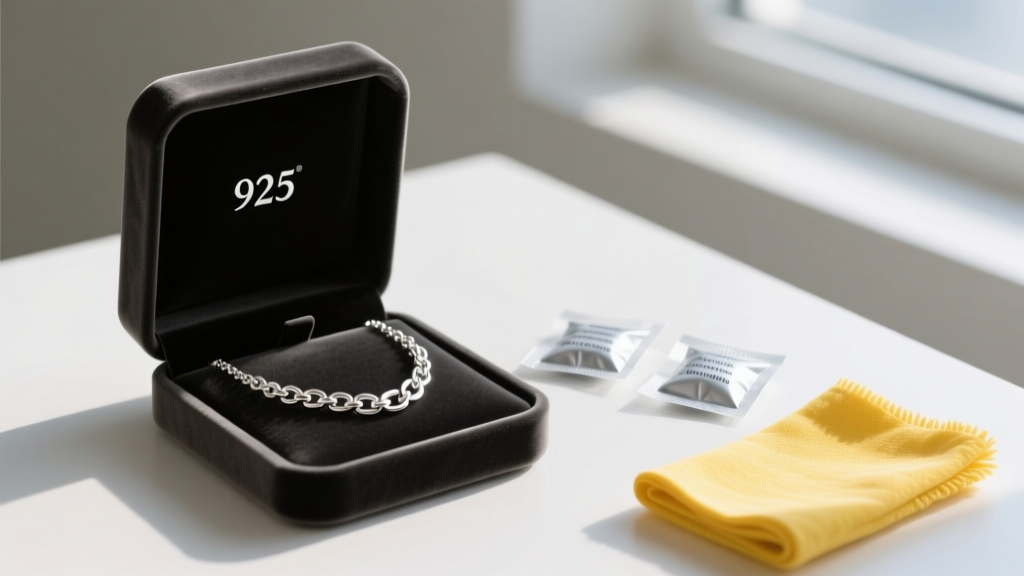
After cleaning, mechanical polishing restores the high-shine finish. Never use paper towels or tissues; they contain wood fibers that cause micro-scratches on 925 silver. Instead, use a dedicated jeweler's polishing cloth impregnated with micro-abrasives and anti-tarnish agents, such as the industry-standard Sunshine Cloth. For long-term storage, the Gemological Institute of America (GIA) recommends storing silver in airtight polyethylene bags alongside 3M anti-tarnish strips, which actively absorb atmospheric sulfur.
Comparison Chart: Cleaning Agents for 925 Silver
| Cleaning Method | Best Use Case | Risk Level | Estimated Cost |
|---|---|---|---|
| Mild Soap & Distilled Water | Light grime, routine weekly care | Very Low | < $1 |
| Aluminum Foil & Baking Soda | Heavy black sulfide tarnish | Medium (Ruins porous gems) | < $2 |
| Jeweler's Polishing Cloth | Restoring high-shine luster | Low | $8 - $15 |
| Commercial Silver Dip | Severe neglect, antique restoration | High (Strips patina, toxic) | $10 - $20 |
| Professional Ultrasonic | Deep crevice cleaning (diamonds only) | High (Shatters soft gems) | $45 - $120 |
Critical Mistakes That Ruin Sterling Silver
When caring for a vintage JC 925 necklace, avoiding damaging DIY hacks is just as important as using the right cleaning methods. Here are the most common failure modes we see in our repair studio:
- The Toothpaste Myth: Many online guides suggest using toothpaste to polish silver. Toothpaste contains hydrated silica, which has a Mohs hardness of 7. Silver is only 2.5 to 3. Scrubbing silver with toothpaste will permanently sandblast the surface, leaving a dull, matte finish that requires professional machine buffing to fix.
- Rubber Band Storage: Never secure your silver jewelry bags with standard rubber bands. Rubber is heavily processed with sulfur compounds. Leaving a rubber band resting against a 925 silver chain will cause deep, localized black pitting that is nearly impossible to polish out.
- Ultrasonic Cleaners with Fracture-Filled Gems: If your JC 925 necklace features vintage emeralds or turquoise, never put it in an ultrasonic cleaner. The high-frequency cavitation bubbles will shatter fragile stones and strip the protective oils and resins used to stabilize porous gems.
Preserving the Legacy of Your Jewelry
A JC 925 necklace is more than just an accessory; it is a wearable artifact. By understanding the galvanic chemistry of tarnish and utilizing gentle, scientifically sound cleaning methods, you can safely remove decades of oxidation without compromising the structural integrity of the chain or the clasp. Store your pieces mindfully, polish them with the correct micro-abrasive cloths, and your sterling silver will remain brilliantly luminous for generations to come.


