Fixing a Faded Photo Necklace Pendant: A Troubleshooting Guide
Is your custom photo necklace pendant fading or tarnishing? Learn expert troubleshooting tips to restore projection, enamel, and locket pendants.

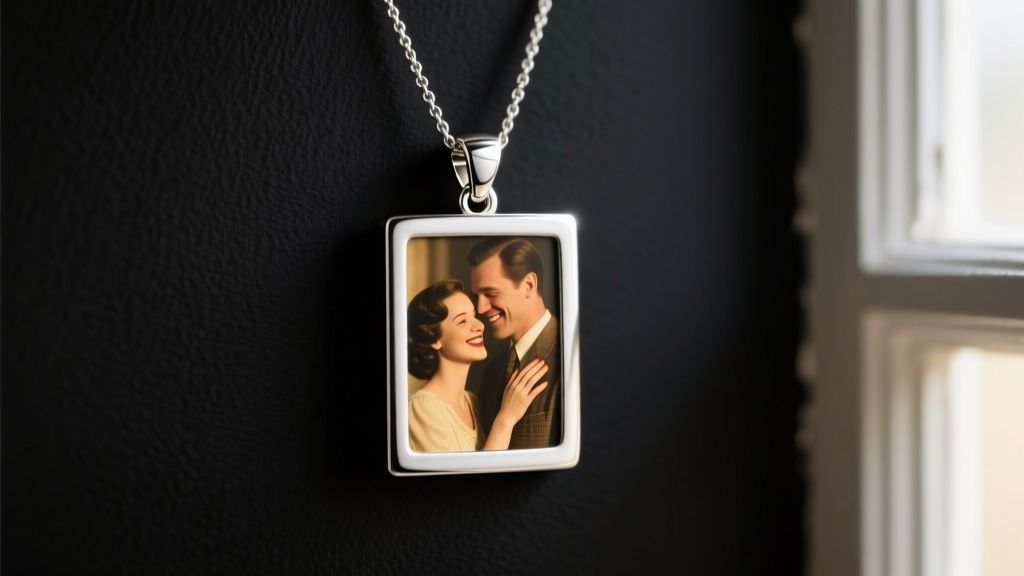
A custom photo necklace pendant is more than just an accessory; it is a wearable archive of your most cherished memories. However, the heartbreak of watching a beloved portrait fade, a projection lens cloud over, or a silver locket tarnish is a common issue that plagues many jewelry owners. The degradation of these pieces is rarely due to poor initial quality alone; rather, it is the result of environmental factors, improper cleaning methods, and a misunderstanding of the materials involved.
In this comprehensive troubleshooting guide, we will diagnose the specific failure modes of the four most popular types of photo pendants—projection, cold enamel, vitreous enamel, and traditional lockets. By understanding the chemistry and optics at play, you can rescue your fading jewelry and implement a preventative care routine that ensures your memories last a lifetime.
The Anatomy of Photo Necklace Pendants (And Why They Fail)
Before attempting any repairs, it is crucial to identify the exact manufacturing technique used for your pendant. The structural integrity and failure points vary wildly across different styles:
- Projection Pendants: Utilize a 3mm to 5mm micro-lens (often called a nano-diamond or glass bead) that refracts light through a microscopic etched or printed film.
- Cold Enamel (Epoxy Resin): A printed photo is sealed beneath a layer of poured, air-cured epoxy resin. This is the most common and most prone to UV degradation.
- Vitreous Enamel: The image is fused into powdered glass at temperatures exceeding 1400°F. Highly durable but susceptible to mechanical chipping.
- Traditional Lockets: A mechanical hinge and bezel hold a physical photograph behind a transparent window, usually made of acetate or PVC.
Troubleshooting Projection Photo Necklace Pendants
Projection necklaces have surged in popularity, but owners frequently report that the image becomes blurry, dim, or entirely invisible over time. This is rarely a failure of the internal film; it is almost always an optical issue caused by surface contamination.
The Sebum Interference Problem
The human skin naturally produces sebum (oil), which has a refractive index of approximately 1.46. When this oil transfers to the micro-lens of your pendant, it creates a microscopic film that causes destructive interference and light scattering. The light from your phone's flashlight cannot properly penetrate the lens to project the image.
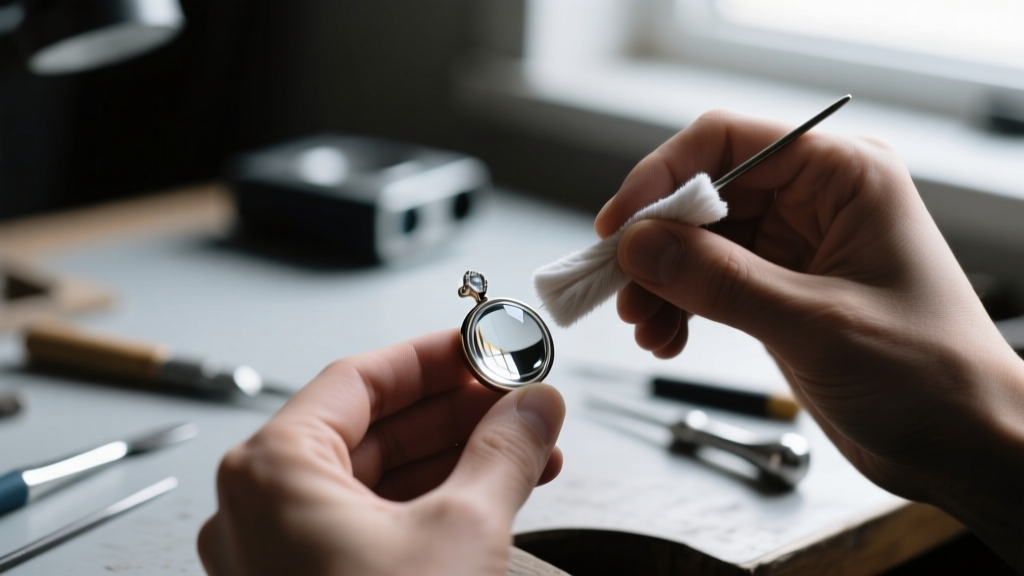
The Fix: Do not use standard jewelry polishing cloths, as they often contain micro-abrasives that will scratch the glass or nano-diamond surface. Instead, use a specialized microfiber swab dipped in 99% isopropyl alcohol. Gently swab the front and back of the 3mm lens. Allow it to air dry for 30 seconds. According to optical care guidelines referenced by the Gemological Institute of America (GIA), high-purity alcohol evaporates without leaving residue, restoring the lens's original refractive clarity.
Light Source Calibration
If the lens is clean but the image remains dim, your light source is the culprit. Projection pendants require a focused, high-lumen beam. A standard ambient room light will not work. Use an LED flashlight with a minimum output of 80 to 100 lumens. Hold the light source exactly 1.5 inches away from the flat back of the pendant, aiming it at a white wall in a darkened room. Moving the light closer than 1 inch will cause focal distortion, while moving it further than 3 inches will result in light dispersion.
Fixing Faded Enamel and Printed Photo Pendants
If your photo necklace pendant features a full-color image sealed under a clear, domed surface, it is likely coated in cold enamel (epoxy resin). The most frequent complaint with these pendants is a yellowing or "muddy" appearance that develops after 12 to 18 months of daily wear.
Understanding UV Photodegradation
Cold enamel is essentially a two-part polymer. When exposed to ultraviolet (UV) radiation from sunlight, the polymer chains undergo photo-oxidation. If the manufacturer used a standard Bisphenol A (BPA) based epoxy without a UV-absorber (like Tinuvin), the resin will inevitably yellow, acting like a sepia filter over your photograph.
The Fix: Unfortunately, chemical yellowing deep within the resin cannot be reversed with cleaners. However, you can restore the pendant's clarity through careful mechanical restoration. Using 2000-grit wet sandpaper, lightly buff the surface of the resin with a few drops of water to remove the oxidized top layer. Follow this with a plastic polishing compound (such as Novus No. 2) applied with a microfiber cloth. To prevent future yellowing, apply a thin coat of UV-stabilized aliphatic polyurethane clear coat, which will act as a sacrificial shield against sunlight.
Rescuing Tarnished Silver Photo Lockets
Traditional sterling silver lockets carry a different set of vulnerabilities. Sterling silver (925) is an alloy containing 92.5% silver and 7.5% copper. It is the copper that reacts with hydrogen sulfide and moisture in the air to form copper sulfide—the black tarnish that ruins the metal's luster.
The Moisture Trap and Acetate Failure
The most insidious problem with lockets occurs inside. The transparent windows are typically made of 0.2mm acetate or PVC. Over time, these plastics become brittle and warp, breaking the seal against the silver bezel. Microscopic amounts of moisture and sulfur-rich air enter the chamber, causing the silver rim inside the locket to tarnish aggressively. This off-gassing then stains and degrades the physical photograph trapped inside.
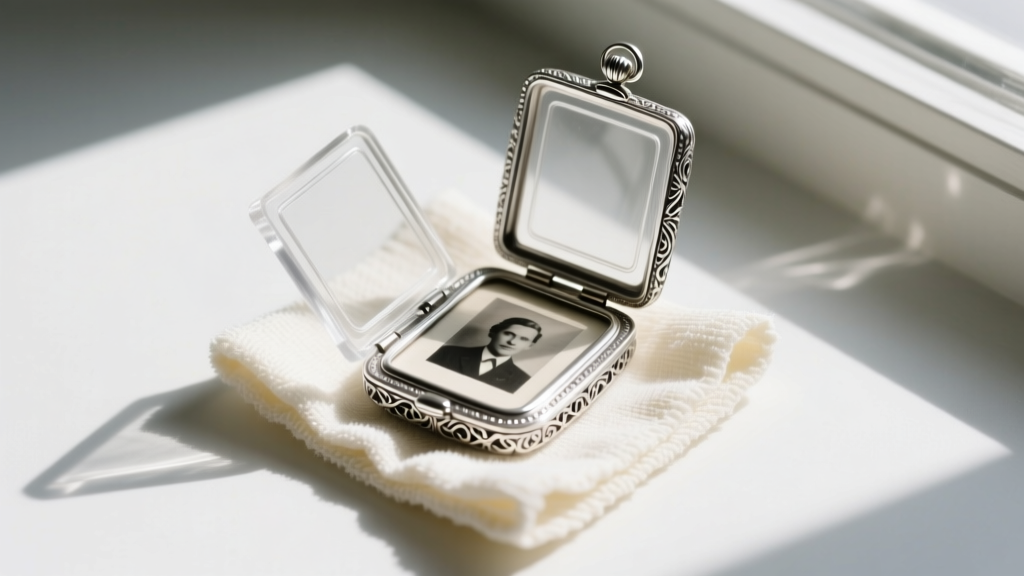
The Fix: Carefully pry open the locket using a plastic spudger to avoid scratching the silver. Remove the photograph immediately and store it in an acid-free archival sleeve. Clean the interior silver rim with a non-abrasive silver dip, ensuring it is completely dry before reassembly. Replace the warped acetate windows with custom-cut 0.5mm archival-grade PETG plastic, which is chemically inert and highly resistant to warping. Finally, place a small piece of a 3M anti-tarnish strip inside the locket behind the photo. As noted by Jewelers of America, these strips absorb corrosive gases and can protect enclosed silver for up to a year.
Material Comparison & Lifespan Expectancy
To help you understand the long-term viability of your jewelry, refer to the troubleshooting matrix below. This data highlights the primary failure modes and realistic repair expectations for each pendant type.
| Pendant Type | Core Material | Primary Failure Mode | Repair Difficulty | Estimated Fix Cost |
|---|---|---|---|---|
| Projection | Glass/Nano-diamond | Sebum smudging, LED failure | Low (Cleaning) | $0 - $15 |
| Printed Enamel | Epoxy Resin | UV yellowing, delamination | High (Sanding/Recoating) | $40 - $80 |
| Vitreous Enamel | Fused Glass | Mechanical chipping | Extreme (Requires Kiln) | $100+ |
| Photo Locket | 925 Sterling Silver | Sulfide tarnish, trapped moisture | Medium (Polish/Reseal) | $15 - $50 |
Preventative Maintenance Routine
The best way to troubleshoot a fading photo necklace pendant is to prevent the degradation from occurring in the first place. Implement this simple, three-step maintenance routine to protect your investment:
- The Post-Wear Wipe Down: After every wear, gently wipe the pendant (especially projection lenses and resin domes) with a clean, dry microfiber cloth. This removes acidic sweat and sebum before it can etch into the metal or cloud the optics.
- Chemical Isolation: Never wear your photo pendant in swimming pools, hot tubs, or while applying aerosol cosmetics. Chlorine and aerosol propellants will permanently cloud acrylic and resin surfaces within minutes.
- Archival Storage: When not in use, store the necklace in a sealed polyethylene bag with an anti-tarnish tab. Keep it in a dark drawer to eliminate UV exposure, which is the primary catalyst for resin yellowing and photographic fading.
Expert Insight: If you are commissioning a custom cold enamel photo necklace pendant in 2026, explicitly ask the jeweler if they use a UV-stabilized, aliphatic polyurethane resin rather than standard epoxy. This single material upgrade will increase the lifespan of your pendant's clarity from roughly 18 months to over a decade.
By understanding the specific vulnerabilities of your photo necklace pendant, you can move beyond frustration and take precise, actionable steps to restore its original beauty. Whether you are recalibrating a projection lens, buffing out resin oxidation, or resealing a vintage silver locket, the right troubleshooting approach ensures your most precious memories remain vividly on display.


