Jen Psaki Necklaces: Material Properties & Styling
Analyze the materials behind Jen Psaki necklaces. Discover why gold fill, vermeil, and matte finishes dominate broadcast journalism styling.


When analyzing the wardrobe of prominent broadcast journalists and political commentators, jewelry is rarely an afterthought. The "Jen Psaki necklace" aesthetic has become a masterclass in accessible authority. Whether appearing on cable news or streaming platforms, Psaki’s jewelry choices consistently project a polished, professional, and approachable image. But beyond the visual appeal, there is a rigorous science to the materials used in broadcast-ready necklaces.
In high-definition and 4K studio environments, the metallurgical properties of a necklace dictate how it interacts with light, how it withstands the heat of studio rigs, and how it holds up against the skin chemistry of a host working through a grueling taping schedule. This guide deconstructs the material properties, optical behaviors, and structural specifications that define the Jen Psaki necklace style, offering a blueprint for building a camera-ready jewelry wardrobe.
The Optics of Broadcast Jewelry: Why Material Finish Matters
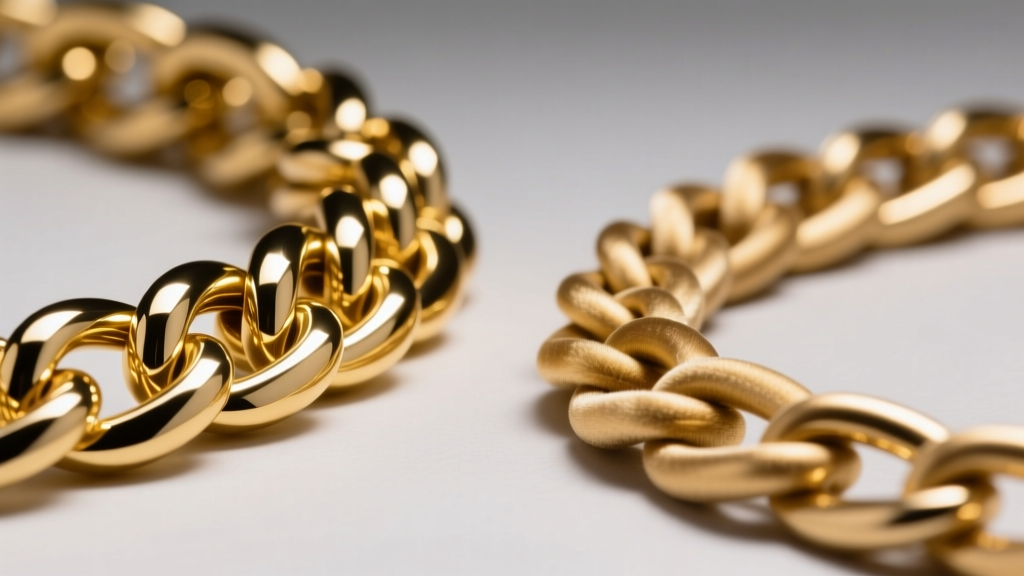
Modern television studios rely heavily on 5600K daylight-balanced LED panel lighting. While flattering for skin tones, these high-intensity, directional lights create a significant challenge for jewelry: specular bloom. When light hits a high-polish metal surface (like a mirror-finish platinum or high-karat gold chain), it reflects directly into the camera lens, creating a distracting white flare that draws the viewer's eye away from the host's face.
To combat this, the necklaces favored by Psaki and her peers typically utilize specific material finishes:
- Satin or Brushed Finishes: Micro-abrasions on the metal surface diffuse light, creating a soft, warm glow rather than a sharp reflection.
- Matte Enamel Accents: Opaque enamel pendants absorb light, providing a color-blocked contrast against solid-color blazers without reflecting studio rigs.
- Low-Reflectivity Gemstones: Instead of high-refractive-index stones like diamonds or moissanite (which cause rainbow dispersion on camera), broadcast stylists favor cabochon-cut stones, freshwater pearls, and opaque turquoise.
Core Materials in the Psaki Aesthetic
The layered, delicate chains often seen on the MS Now host are not typically solid 18k or 24k gold. Solid high-karat gold is exceptionally soft, prone to micro-scratches that dull its finish, and prohibitively expensive for everyday workhorse pieces. Instead, the broadcast standard relies on advanced bonded metals and specific plating standards.
14K Gold-Filled (The Durability Standard)
According to the Federal Trade Commission (FTC) Jewelry Guides, a material can only be legally marketed as "gold-filled" if it features a solid gold layer that constitutes at least 1/20th (5%) of the item's total weight, mechanically bonded to a brass or copper core.
For a broadcast journalist, 14K gold-filled chains are the ultimate workhorse. The thick outer layer of solid gold withstands the friction of microphone lavalier clips, resists the acidic breakdown caused by stage makeup, and will not flake or peel under hot studio lights. A 1.2mm gold-filled rolo chain provides enough structural integrity to hold a modest pendant without snapping, while remaining delicate enough to layer.
Heavy Gold Vermeil (The Sensitive-Skin Alternative)
Vermeil (pronounced ver-may) differs from standard gold plating. The FTC mandates that vermeil must consist of a sterling silver (925) base coated with a minimum of 2.5 microns of 10k, 14k, or 18k gold.
While vermeil offers the hypoallergenic benefits of a sterling silver core—ideal for hosts with nickel or brass allergies—the 2.5-micron gold layer is still susceptible to wear over time. Under the intense heat of studio lights, a host's body temperature rises, increasing sweat and sebum production. Over hundreds of hours of wear, the gold layer on vermeil pendants can thin, eventually exposing the silver beneath, which may oxidize and darken.
Rhodium-Plated Sterling Silver & Freshwater Pearls
When opting for silver tones, the Psaki aesthetic avoids raw, unpolished sterling silver, which tarnishes rapidly when exposed to sulfur and humidity. Instead, camera-ready silver necklaces are heavily plated in rhodium—a precious metal in the platinum family. Rhodium provides a cool, steely-white finish that is highly resistant to tarnish and offers a slightly darker, less reflective surface than polished silver, making it perfect for HD cameras. Paired with modest, near-round freshwater pearls (typically 6mm to 8mm in diameter), this combination adds organic texture without visual noise.
Material Performance Matrix for Studio Environments
To understand how these materials perform under the specific demands of broadcast journalism, we must evaluate them across optical, chemical, and physical stressors. The following matrix breaks down the properties of the most common materials used in this styling niche.
| Material | FTC / Industry Standard | Studio Reflectivity | Sweat & Makeup Resistance | Est. Price Range (16" Chain) |
|---|---|---|---|---|
| 14K Gold-Filled | 5% solid gold by weight, heat-bonded to brass | Moderate (depends on polish) | Excellent (Highly durable) | $45 - $85 |
| Gold Vermeil | 2.5+ microns of gold over 925 silver | High (if polished) | Moderate (Degrades with acids) | $60 - $120 |
| Rhodium-Plated Silver | 925 silver base with rhodium flash | Low-Moderate (Cool, steely tone) | Good (Rhodium prevents tarnish) | $40 - $90 |
| Solid 14K Gold | 58.5% pure gold alloy | High (Requires matte finish) | Excellent (Impervious to acids) | $250 - $450+ |
Failure Modes: Studio Heat, Friction, and Skin Chemistry
Jewelry failure in a broadcast environment rarely happens on the red carpet; it happens in the makeup chair and under the lights. Understanding these failure modes is critical for selecting the right pieces.

The Lavalier Friction Problem
Broadcast hosts are routinely mic'd up with lavalier microphones. The heavy cable and the sharp metal clip of the lav mic are often routed directly over the collarbone, intersecting with layered necklaces. Delicate chains (under 1.0mm) or standard gold-plated brass chains will quickly suffer from micro-abrasions. The friction strips the gold plating down to the base metal within weeks. The Fix: Always opt for mechanically bonded gold-fill or solid gold chains with a minimum wire gauge of 1.2mm to withstand daily mic-clip friction.
Makeup and Setting Spray Degradation
HD television requires heavy, silicone-based foundations and chemical setting sprays. When these products transfer onto a necklace, they create a microscopic film that dulls the metal's luster. More aggressively, the alcohols and solvents in setting sprays can break down the protective e-coatings often applied to vermeil jewelry. To maintain the optical clarity of broadcast jewelry, necklaces must be wiped down with a lint-free microfiber cloth and a mild, non-ammonia jewelry cleaner immediately after a taping session.
Building the Camera-Ready Layered Stack
The hallmark of the Jen Psaki necklace style is the effortless, non-tangled layered stack. Achieving this on camera requires strict adherence to spatial geometry and clasp mechanics.
The Two-Inch Differential Rule
Layering necklaces of similar lengths guarantees they will twist around one another, creating a messy, distracting visual on camera. A professional broadcast stack requires a strict two-inch differential between chains.
- Layer 1 (The Anchor): 16-inch cable chain (1.0mm thickness). Sits flush on the lower collarbone.
- Layer 2 (The Focal Point): 18-inch rolo or paperclip chain (1.5mm thickness). Drops to the upper sternum, typically holding a modest pendant (e.g., a 10mm freshwater pearl or a geometric matte-enamel disc).
Clasp Mechanics: Lobster vs. Spring Ring
While spring ring clasps are common on budget jewelry, they are a liability in a fast-paced studio environment. They are difficult to operate with one hand and prone to spring failure. The camera-ready standard is the lobster clasp. A high-quality, solid brass or sterling silver lobster clasp with a reinforced soldered jump ring ensures the necklace remains secure during wardrobe changes and mic placement. For an elevated, professional finish, many stylists now utilize oversized, decorative toggle clasps worn at the front of the neck as an intentional design element, eliminating the need to fumble behind the neck before going live.
Conclusion
The appeal of Jen Psaki’s necklace styling lies in its masterful balance of authority and approachability. However, replicating this look requires looking past the aesthetic and understanding the underlying material science. By prioritizing low-reflectivity finishes, investing in FTC-compliant gold-filled or rhodium-plated metals, and adhering to strict layering geometries, you can build a jewelry wardrobe that performs flawlessly under the unforgiving glare of studio lights. Whether you are stepping in front of a camera, a boardroom, or a Zoom lens, choosing materials based on optical and physical properties ensures your jewelry enhances your message rather than distracting from it.
For further reading on the legal and metallurgical definitions of jewelry materials, consult the FTC Guides for the Jewelry, Precious Metals, and Pewter Industries and the Gemological Institute of America (GIA) Gold Quality Factors database.


