Small Seashell Necklace Buying Guide: What to Look For
Discover what to look for in a small seashell necklace. Our buying guide covers shell grading, water-resistant chains, and ethical sourcing.

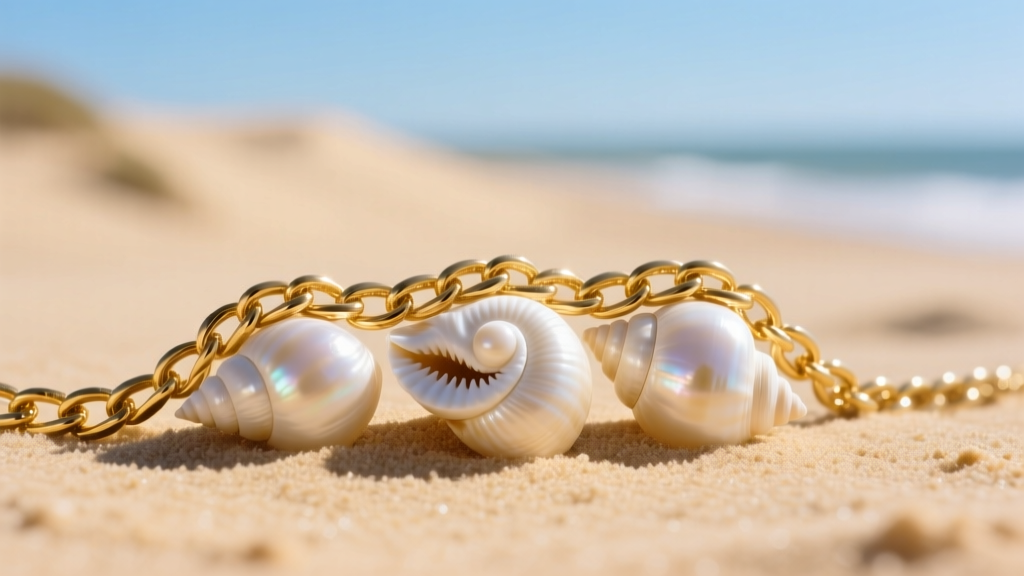
The Evolution of Coastal Jewelry
The small seashell necklace has undergone a radical transformation. Once relegated to tourist gift shops and fast-fashion beachwear, coastal jewelry has been reclaimed by fine and semi-fine jewelers. As we navigate the 2026 jewelry landscape, the demand for ethically sourced, micro-carved organic gems paired with high-quality metallurgy is at an all-time high. However, the market is simultaneously flooded with synthetic resin replicas and poorly constructed hardware that degrades after a single ocean swim. This comprehensive buying guide will equip you with the gemological and metallurgical knowledge required to invest in a small seashell necklace that is authentic, durable, and structurally sound.
Decoding Shell Materials: Natural vs. Synthetic
Seashells are primarily composed of calcium carbonate (CaCO3) secreted by marine mollusks. Because they are organic gems—much like pearls and coral—they possess unique physical properties that synthetic alternatives cannot perfectly replicate. When evaluating a small seashell necklace, authentication is your first step.
The Authentication Framework
- The Thermal Test: Natural shell has high thermal conductivity. When pressed against your skin or lips, it should feel distinctly cool and take a few seconds to warm up. Resin or plastic replicas will immediately feel room-temperature or warm.
- The Tooth Test: Gently rub the edge of the shell against the biting edge of your front tooth. Natural calcium carbonate will feel slightly gritty or sandy due to its microscopic crystalline structure. Glass or resin will feel perfectly, unnaturally smooth.
- Weight and Density: Natural shell is surprisingly dense. A 10mm cowrie shell will have a noticeable, satisfying heft compared to a hollow-feeling resin cast of the exact same dimensions.
Top Shell Varieties for Fine Jewelry
Not all shells are created equal. The Gemological Institute of America (GIA) classifies organic gems based on their structural integrity and nacreous quality. Here are the most common varieties used in premium small seashell necklaces:
| Shell Species | Average Size | Visual Characteristics | Durability (Mohs) | Best Use Case |
|---|---|---|---|---|
| Cowrie (Cypraeidae) | 8mm - 15mm | Naturally glossy, smooth, enamel-like dorsal surface. | 3.0 - 4.0 | Minimalist pendants, single-stone chokers. |
| Puka (Conus miliaris) | 4mm - 8mm | Cylindrical or disc-shaped with a naturally occurring central hole. | 2.5 - 3.5 | Multi-strand layering, casual beachwear. |
| Mother of Pearl (Nacre) | 5mm - 12mm | Iridescent, carved from the inner lining of mollusks. | 2.5 - 3.0 | Intricate carvings, elegant evening coastal wear. |
| Abalone (Haliotis) | 6mm - 10mm | Vibrant blues, greens, and purples; highly iridescent. | 3.0 - 4.0 | Statement micro-pendants, inlay work. |
Chain Metallurgy & Water Resistance
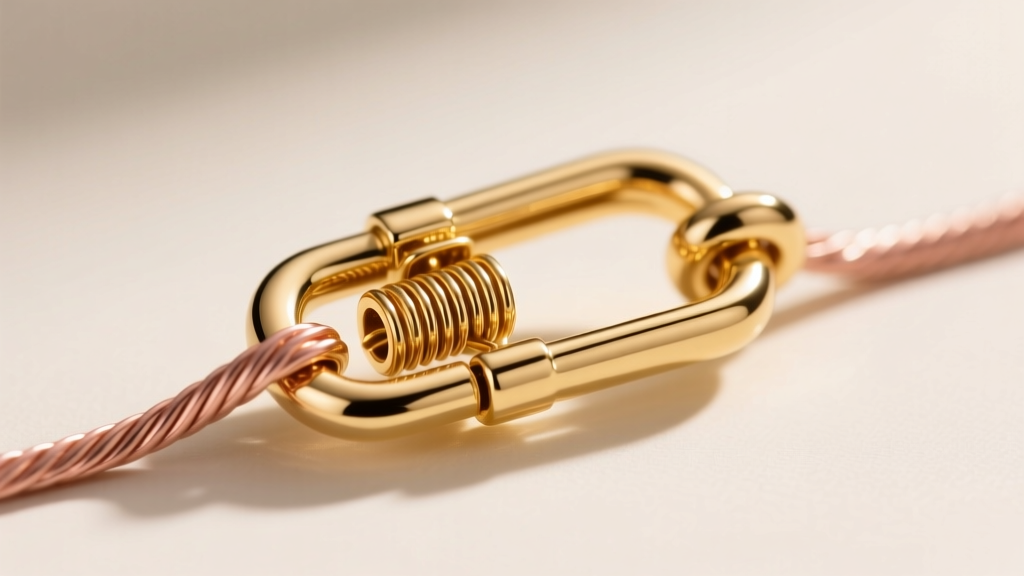
The most common failure point in a small seashell necklace is not the shell itself, but the metal hardware. Because these necklaces are frequently worn in saltwater, chlorinated pools, and high-humidity environments, the metallurgy of the chain and clasps must be meticulously selected.
Metals to Avoid
Gold Vermeil and Gold Plated Brass: Vermeil consists of a sterling silver base plated with gold. When exposed to saltwater, the silver base will rapidly oxidize and tarnish, causing the gold layer to flake and the chain to turn black. Brass and copper bases will react with the acids in your sweat and saltwater, turning your skin green and degrading the structural integrity of the chain within weeks.
Metals to Invest In
- Solid 14k or 18k Gold: The gold standard for coastal jewelry. Solid gold will not tarnish, rust, or degrade in saltwater. It is hypoallergenic and maintains its value.
- 316L Surgical Stainless Steel: An excellent, budget-friendly alternative. The 'L' stands for low carbon, and the addition of molybdenum makes 316L highly resistant to chloride corrosion (saltwater).
- Grade 2 Titanium: Completely impervious to saltwater and chlorine, making it ideal for daily swimmers and surfers.
Hardware Mechanics: Jump Rings and Clasps
When attaching a small 5mm to 10mm shell to a chain, the jump ring must be perfectly sized. A jump ring that is too thick (over 1.2mm in wire gauge) will require the jeweler to drill the shell's natural hole wider, creating micro-fractures in the calcium carbonate that will eventually cause the shell to snap. Look for 3mm to 4mm jump rings made from 20-gauge or 22-gauge wire. Furthermore, avoid magnetic clasps for beach jewelry; fine sand will inevitably become trapped in the magnetic housing, ruining the closure mechanism. Opt for a high-quality lobster clasp with a reinforced spring.
Stringing Materials: Beyond the Chain
Many traditional small seashell necklaces, particularly puka shell chokers, are strung rather than linked on a metal chain. If you are purchasing a strung necklace, the cord material is critical.
Expert Warning: Never buy a shell necklace strung on natural silk thread if you intend to wear it in the ocean. Silk is a protein fiber that will rapidly rot, stretch, and snap when exposed to saltwater and UV radiation.
Instead, look for necklaces strung on UHMWPE (Ultra-High-Molecular-Weight Polyethylene) braided line, often sold under brand names like Dyneema or Spectra. This material is completely waterproof, UV-resistant, and possesses a tensile strength up to 15 times greater than steel by weight. A 0.5mm UHMWPE cord will securely hold heavy shell clusters without stretching or degrading over years of ocean exposure.
Sizing, Proportions, and Layering Frameworks
The visual impact of a small seashell necklace relies heavily on the ratio between the shell size, the chain thickness, and the chain length. A 6mm shell on a thick 3mm rope chain will look unbalanced and lost, while a 15mm shell on a fragile 0.5mm chain risks snapping the metal.

The Layering Matrix
- The 14-Inch Choker (4mm - 6mm shells): Sits tightly at the base of the neck. Best suited for uniform puka shells or tiny 4mm cowrie beads. This length frames the collarbone and serves as the anchor in a layered stack.
- The 16-Inch Collarbone (8mm - 10mm shells): The most versatile length. A single, perfectly polished 10mm mother of pearl or abalone pendant on a 1mm satellite chain sits exactly at the clavicle, catching the light without overwhelming the neckline.
- The 18-Inch Chest (12mm+ shells): Ideal for slightly larger, more organic-shaped shells. This length pairs beautifully with deep V-necklines or unbuttoned linen shirts, providing a relaxed, bohemian silhouette.
Ethical Sourcing and Environmental Impact
As the popularity of organic gems rises, so does the environmental toll of overharvesting. When purchasing a small seashell necklace, provenance matters. The CITES Appendices strictly regulate the trade of endangered marine species, most notably the Queen Conch (*Strombus gigas*), which is listed in Appendix II. Purchasing jewelry made from protected species not only harms marine ecosystems but is illegal in many jurisdictions.
What to Look For in Ethical Sourcing
Seek out brands that transparently disclose their sourcing methods. The most sustainable small seashell necklaces are crafted from:
- Aquaculture Byproducts: Shells harvested from the food industry (such as oyster and mussel farms) that would otherwise be discarded.
- Beachcombing and Upcycling: Artisans who collect naturally deceased, empty shells washed ashore, ensuring no living mollusks are harmed.
- Invasive Species Management: In some regions, specific shell populations are invasive; harvesting them actually aids local marine conservation efforts.
Care and Maintenance Protocol
Despite their oceanic origins, finished jewelry shells are vulnerable to modern chemicals. Because calcium carbonate is highly reactive to acids, exposure to perfumes, citrus-based lotions, and even acidic sweat can dissolve the polished outer layer of the shell, leaving it dull and chalky.
The Post-Swim Routine
After swimming in the ocean or a chlorinated pool, immediately rinse your necklace in fresh, distilled water. Do not use tap water if you live in an area with hard water, as the mineral deposits will leave a white film on the shell. Gently pat the metal chain and shell dry with a microfiber cloth. Never place a seashell necklace in an ultrasonic jewelry cleaner; the high-frequency vibrations will exploit microscopic fissures in the organic material, causing the shell to shatter.
Final Verdict: Investing in Quality
A high-quality small seashell necklace is a masterclass in balancing organic fragility with metallurgical strength. By prioritizing solid 14k gold or 316L steel hardware, demanding authentic calcium carbonate over resin, and verifying ethical sourcing, you secure a piece of coastal elegance that will withstand both the tides and the test of time. Always review the Federal Trade Commission (FTC) Jewelry Guides to ensure brands are accurately disclosing their metal plating and organic material origins before making your final purchase.


