How to Layer and Style a Feather Pendant Necklace Perfectly
Learn how to layer, style, and care for your feather pendant necklace. Step-by-step guide on chain lengths, metals, and neckline pairings.

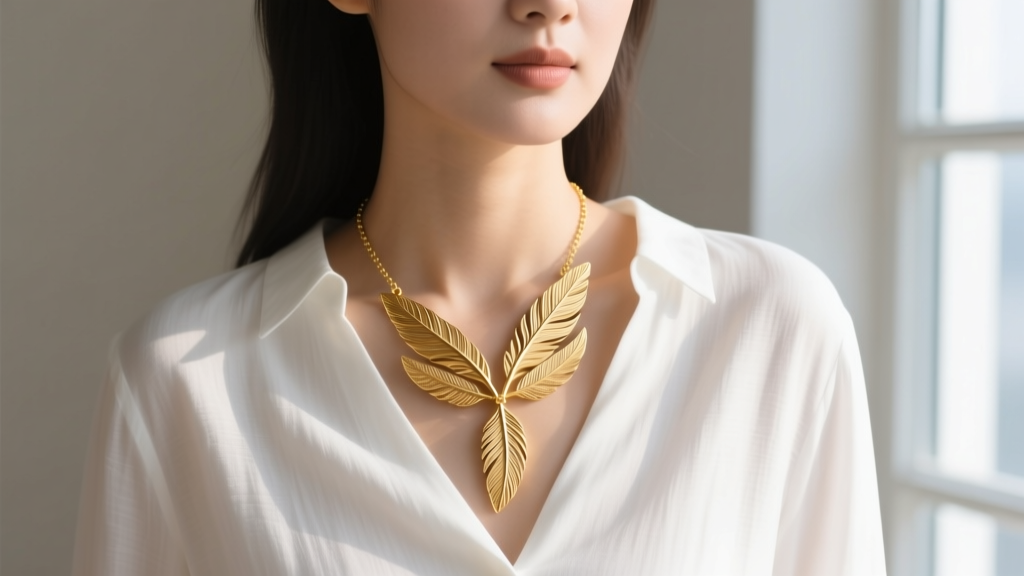
The Enduring Appeal of the Feather Motif
The feather pendant necklace has remained a staple in jewelry boxes for decades, symbolizing freedom, ascension, and truth. Unlike generic geometric pendants, a feather features intricate natural geometry—specifically the central shaft (rachis) and the branching barbs—which requires thoughtful styling and specialized care. Whether you are working with a delicate 14k solid gold casting or an oxidized sterling silver piece, mastering the art of styling this specific motif requires an understanding of chain weights, layering geometry, and metal maintenance. This step-by-step guide will walk you through the exact techniques to elevate your feather pendant from a standalone piece to a masterfully curated focal point.
Step 1: Selecting the Right Metal Grade and Chain Weight
Before you begin layering, you must understand the structural integrity of your feather pendant necklace. Feathers are often cast with varying thicknesses; a hollow-cast feather will require a much lighter chain than a solid-cast piece. Furthermore, the metal grade dictates how the piece will age against your skin.
| Metal Grade | Composition & Standards | Best Chain Pairing | Maintenance Level |
|---|---|---|---|
| 925 Sterling Silver | 92.5% pure silver, 7.5% copper. Prone to oxidation. | 1.2mm - 1.5mm Cable or Box chain. | High (requires regular polishing) |
| Gold Vermeil | Sterling silver base with ≥2.5 microns of gold plating (per FTC Guidelines). | 1.5mm - 2.0mm Rope chain to reduce friction. | Medium (avoid water and perfumes) |
| Solid 14k / 18k Gold | Alloyed gold (58.5% or 75% pure). Highly tarnish-resistant. | 2.0mm - 3.0mm Figaro or Cuban chain for contrast. | Low (occasional warm soapy wash) |
Pro Tip: Always check the clasp. A standard spring-ring clasp is often too weak for a solid-cast feather pendant. Upgrade to a lobster clasp with a minimum 5mm jump ring to support the pendant's weight without stressing the chain's end links.
Step 2: Mastering the 3-Point Layering Technique
A feather pendant necklace shines best when it acts as the anchor of a layered stack. To prevent the dreaded 'chain tangle' and ensure each piece is visible, you must follow the 2-inch drop rule. This means each subsequent chain should be exactly 2 to 4 inches longer than the one above it.
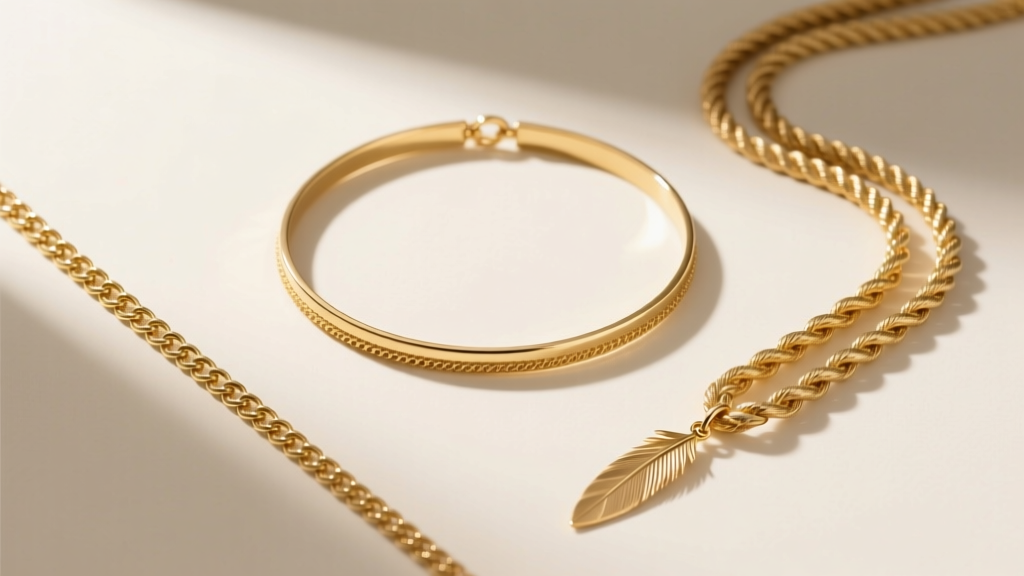
The Ideal Layering Stack
- Layer 1 (The Choker - 14" to 16"): Start with a minimalist chain that sits high on the collarbone. A 1.5mm Figaro chain or a simple 14-inch gold bead choker works perfectly. This layer frames the face and provides a baseline for the stack.
- Layer 2 (The Mid-Length - 18" to 20"): Introduce a secondary, smaller pendant or a textured chain. An 18-inch 1.2mm cable chain featuring a tiny 3mm bezel-set gemstone (like a moonstone or turquoise, which complements the earthy vibe of a feather) adds depth without competing for attention.
- Layer 3 (The Anchor - 24" to 28"): This is where your feather pendant necklace lives. A 24-inch or 28-inch 2.0mm rope chain provides the necessary visual weight to balance the elongated shape of the feather. The V-shape of the feather naturally draws the eye downward, elongating the torso.
Stylist Note: Never mix chain widths that are too similar. If your base choker is 1.5mm, your mid-chain should be distinctly thinner (1.0mm) or your anchor chain distinctly thicker (2.5mm+). Contrast in texture and width is what makes a stack look intentional rather than cluttered.
Step 3: Pairing with Necklines and Occasions
The elongated, tapering geometry of a feather pendant requires specific neckline pairings to avoid visual clashing. Here is how to match your necklace to your wardrobe:
- The V-Neck or Deep Scoop: This is the most harmonious pairing. The V-shape of the neckline mirrors the tapering tip of the feather pendant. Ensure the pendant rests at least one inch above the fabric line to prevent it from getting lost in the folds.
- The Button-Down Shirt: Leave the top three buttons undone. A 24-inch feather pendant layered over a crisp white or chambray button-down creates a sophisticated bohemian look that transitions easily from day to evening.
- The Turtleneck or Mock Neck: Opt for a single, bold feather pendant on a 28-inch or 30-inch chain. The dark, solid background of a turtleneck acts as a canvas, allowing the intricate striations of the feather metalwork to pop. Avoid layering here; the heavy fabric will tangle multiple chains.
- The Crew Neck T-Shirt: Keep it casual with a single 18-inch or 20-inch feather pendant. If the feather is highly detailed or oxidized, it adds a necessary edge to a basic cotton tee.
Step 4: Cleaning the Intricate Striations
The anatomy of a feather design—specifically the tiny grooves representing the barbs—makes it a magnet for skin oils, lotions, and environmental dust. Standard polishing cloths cannot reach these recessed areas. According to the Gemological Institute of America (GIA), improper cleaning can permanently damage textured metal finishes.
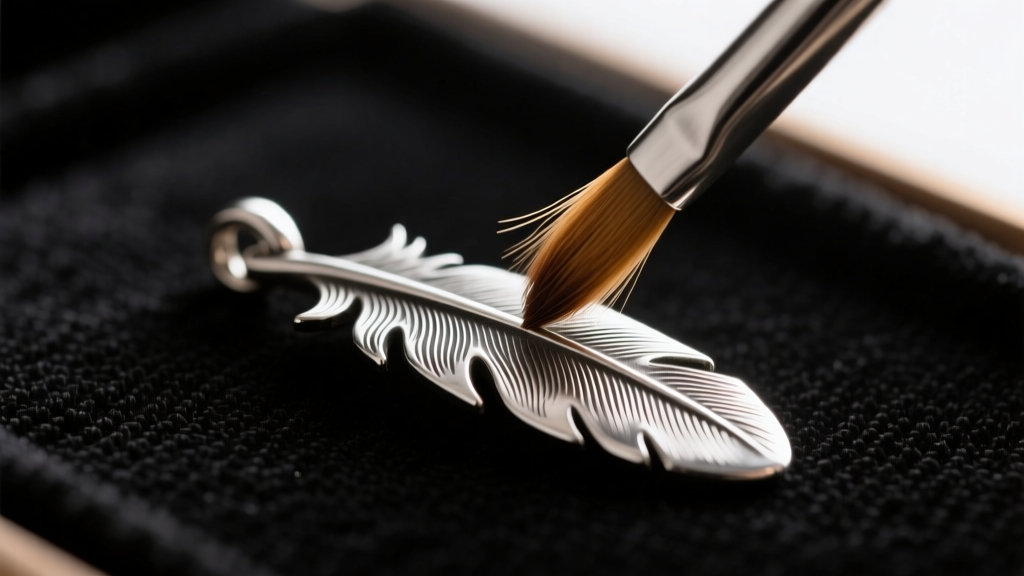
The Horsehair Brush Method
Never use a stiff-bristled toothbrush, as nylon bristles can leave micro-scratches on high-polish gold or silver. Instead, use a specialized soft horsehair jewelry brush.
- Mix a few drops of mild, phosphate-free dish soap into a bowl of lukewarm water.
- Dip the horsehair brush into the solution and gently tap it against the side of the bowl to remove excess water (you want it damp, not dripping).
- Brush the feather pendant in the direction of the cast striations (from the central rachis outward toward the edges). This mimics the natural grain of the design and lifts dirt out of the grooves.
- Rinse briefly under lukewarm water and pat dry with a lint-free microfiber cloth. Use a hair dryer on the 'cool' setting to blow water out of the deepest crevices to prevent water spots.
Crucial Warning: If your feather pendant necklace features an oxidized or antiqued finish (where the recessed areas are intentionally blackened to highlight the texture), never use liquid silver dips or ultrasonic cleaners. These will strip the oxidation and ruin the contrast of the piece.
Troubleshooting Common Feather Pendant Issues
Even with careful wear, the elongated shape of a feather pendant makes it susceptible to specific physical issues. Here is how to troubleshoot them like a professional jeweler:
1. Bent Feather Tips
Because the tip of the feather is the thinnest part of the casting, it can easily bend if caught on clothing or pressed against a hard surface. Do not use standard steel jewelry pliers to bend it back, as the metal teeth will gouge and scratch the finish. Instead, use nylon-jaw pliers. Apply gentle, incremental pressure to coax the metal back into alignment. If the piece is solid 14k gold, it will bend relatively easily; if it is sterling silver, be careful not to overwork the metal, as silver can suffer from work-hardening and snap if bent back and forth too many times.
2. Severe Chain Tangling
If your layered feather pendant necklace stack becomes a knotted mess, do not pull. Lay the tangle flat on a smooth surface. Sprinkle a small amount of baby powder or talcum powder directly onto the knot. The powder acts as a dry lubricant, reducing the friction between the metal links. Use two fine sewing needles to gently tease the center of the knot apart from the inside out. Once untangled, wash the chains using the soapy water method outlined in Step 4 to remove the powder residue.
3. The Pendant Flipping Over
A common annoyance with elongated pendants is the tendency to flip backward, showing the hollow or unfinished back of the casting. To fix this, ensure your bail (the loop connecting the pendant to the chain) is appropriately sized. If the bail is too large, the pendant will swing freely. A jeweler can easily solder a smaller, fixed bail or add a tiny silicone O-ring inside the bail to create friction and keep the feather facing forward.


