Jerusalem Cross Necklace Meaning: History, Symbolism & Styling Guide
Discover the jerusalem cross necklace meaning, its rich Crusader history, and how to choose the right metal, chain, and size for your everyday style.

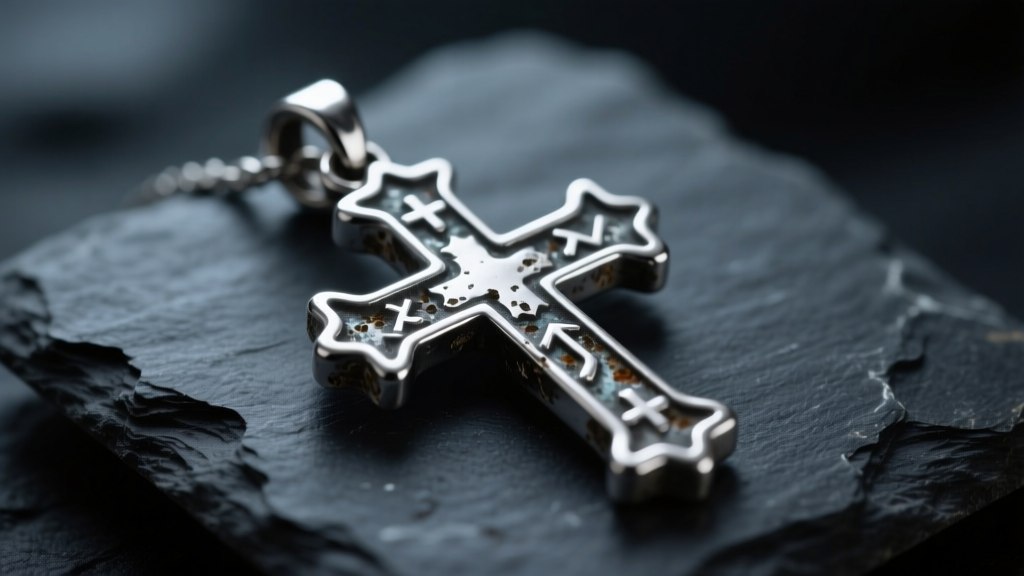
When it comes to jewelry with profound historical weight and striking geometric symmetry, few pieces command attention quite like the Jerusalem cross. Whether you have inherited a family heirloom, spotted one on a fashion-forward influencer, or are simply drawn to its bold architecture, understanding the jerusalem cross necklace meaning adds a rich layer of appreciation to the act of wearing it. This beginner-friendly explainer will decode the centuries-old symbolism of the Crusader’s cross and provide actionable, expert guidance on selecting the right metal, proportions, and chain pairing for your personal style.
The Origins: What is the Jerusalem Cross?
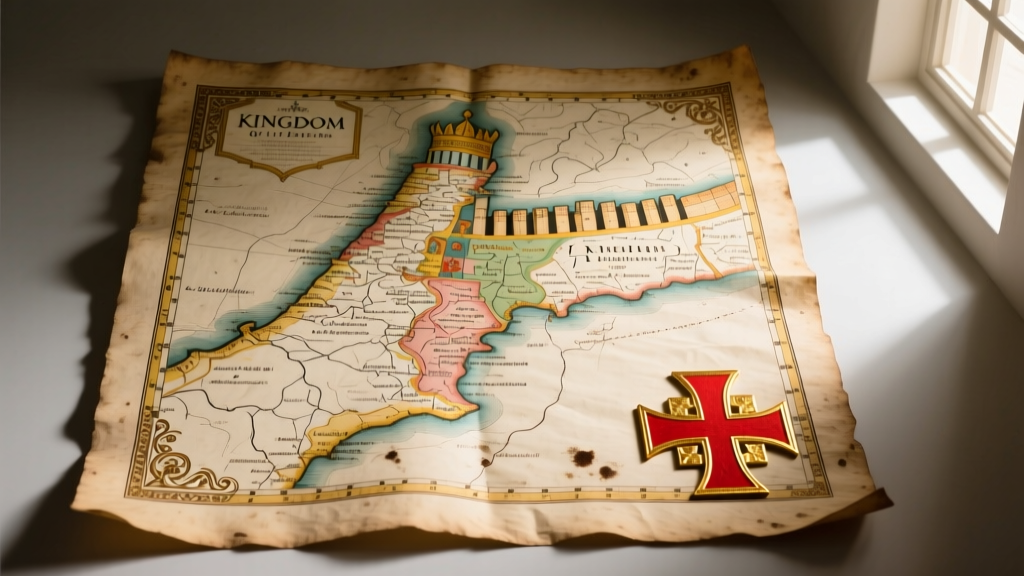
The Jerusalem cross—also known as the Crusader's cross or the Five-Fold cross—is a heraldic design consisting of one large central cross potent (a cross with small crossbars at the ends of its arms) surrounded by four smaller Greek crosslets in each quadrant. Its origins trace back to the 11th century, specifically to the aftermath of the First Crusade. According to Britannica's historical archives on the Kingdom of Jerusalem, the design was famously adopted by Godfrey of Bouillon, the first ruler of the Kingdom of Jerusalem, in 1099. It served as the royal coat of arms and a unifying emblem for Christian pilgrims traveling to the Holy Land. Over the centuries, it transitioned from a military and royal banner to a widely recognized symbol of faith, pilgrimage, and historical heritage.
Decoding the Jerusalem Cross Necklace Meaning
The true power of this pendant lies in its numerology and theological symbolism. The jerusalem cross necklace meaning is generally interpreted through two primary lenses:
- The Five Wounds of Christ: The most common theological interpretation is that the five crosses represent the five wounds Jesus suffered during the crucifixion (hands, feet, and side). The large central cross represents the piercing of his side, while the four smaller crosslets represent the nails in his hands and feet.
- Christ and the Four Evangelists: Alternatively, the large central cross symbolizes Christ, and the four surrounding crosslets represent the four Gospel writers (Matthew, Mark, Luke, and John), signifying the spreading of the Gospel to the four corners of the Earth.
Wearing this necklace today is often a deeply personal statement of faith, a nod to ancestral heritage (particularly among those of Levantine or Mediterranean descent), or an appreciation for medieval history and heraldic art.
Material Guide: Choosing the Right Metal
The intricate geometry of the Jerusalem cross requires a metal that can hold sharp edges and detailed milling. When shopping, you will encounter several material grades. Understanding these will help you balance your budget with longevity and skin sensitivity.
| Metal Type | Standard Grade | Price Range (2026) | Durability & Care | Best For |
|---|---|---|---|---|
| Sterling Silver | 925 Silver | $40 - $120 | Prone to tarnish; requires polishing. Often oxidized to highlight the 5 crosses. | Everyday wear, vintage aesthetics |
| Yellow Gold | 14k or 18k | $350 - $1,200+ | Highly durable, resists tarnish. 14k is harder and better for sharp edges than 18k. | Heirloom pieces, luxury styling |
| Surgical Steel | 316L Stainless | $20 - $50 | Extremely durable, hypoallergenic, zero tarnish. Cannot be resized or easily repaired. | Budget-friendly, active lifestyles |
| White Gold | 14k Rhodium Plated | $400 - $900 | Requires rhodium re-plating every 1-2 years to maintain bright white finish. | Modern, sleek, minimalist outfits |
Expert Tip: If you choose sterling silver, look for a pendant that features antiquing or oxidation. Jewelers use a chemical process to darken the recessed areas of the metal, which creates a high-contrast backdrop that makes the five distinct crosses visually pop. For gold, the Gemological Institute of America (GIA) notes that 14k gold (58.5% pure gold) offers superior structural integrity for sharp, geometric pendants compared to the softer 18k or 24k alternatives.
Sizing and Proportions: Finding the Perfect Fit
A common mistake beginners make is buying a pendant without considering its physical footprint on the chest. The Jerusalem cross is visually "heavy" due to its wide stance and four corner crosslets. Here is a precise sizing framework:
- The Subtle Minimalist (12mm - 15mm): Ideal for layering or wearing tucked under a collar. At this size, the crosslets become tiny accents. Best paired with a delicate 1.0mm to 1.2mm chain.
- The Everyday Standard (18mm - 22mm): The sweet spot for most wearers. It provides enough surface area to clearly distinguish the five crosses without overwhelming your neckline. Pairs perfectly with a 1.5mm to 2.0mm chain.
- The Statement Piece (25mm - 35mm+): A bold, masculine, or high-fashion choice. Often worn over t-shirts or sweaters. Requires a substantial chain (2.5mm to 4.0mm) to support the physical weight of the pendant and maintain visual balance.
Chain Pairings: What Chain Goes Best?
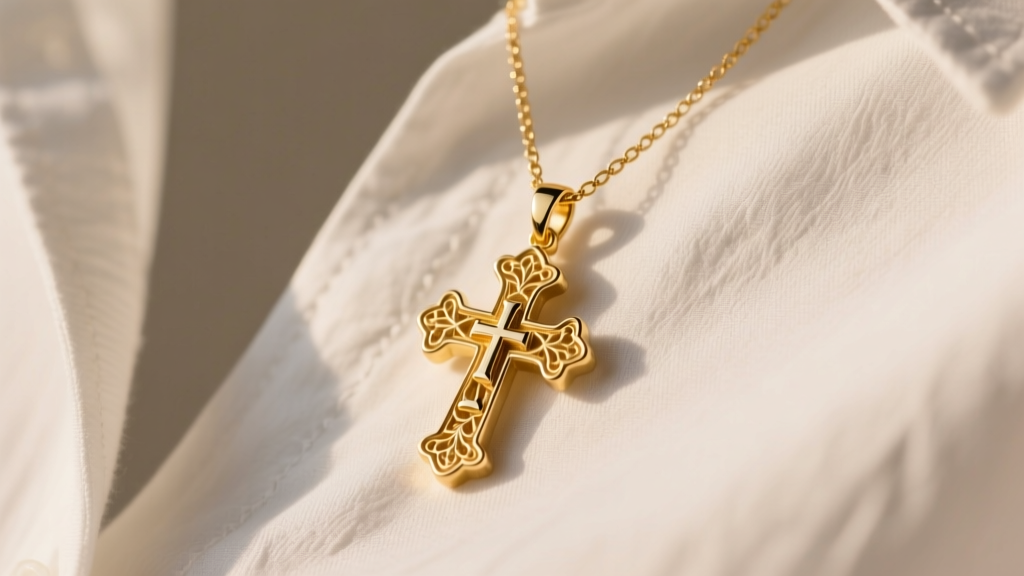
The bail (the loop that connects the pendant to the chain) on a Jerusalem cross is typically wide to accommodate the broad top arm of the cross. Therefore, you need a chain that slides easily through a wider bail while complementing the pendant's medieval aesthetic.
- Box Chain: The geometric, square links of a box chain beautifully mirror the structured, right-angle symmetry of the Jerusalem cross. A 1.5mm box chain in oxidized silver is a top-tier choice.
- Rope Chain: If you want to add a touch of elegance and light reflection, a twisted rope chain provides a beautiful contrast to the flat, milled surface of the pendant.
- Cable Chain: The classic, simple oval links of a standard cable chain keep the focus entirely on the pendant. It is the most traditional and historically appropriate pairing.
Modern Styling: How to Wear It Today
While its roots are ancient, the Jerusalem cross is highly versatile in modern wardrobes. For a contemporary look, embrace the art of necklace layering. Pair a 15mm oxidized silver Jerusalem cross on a 20-inch chain with a simple 18-inch silver herringbone choker and a 24-inch plain cable chain featuring a small signet ring or compass pendant. This staggered length technique creates depth and prevents the jewelry from tangling.
"The beauty of heraldic jewelry lies in its ability to bridge the gap between ancient storytelling and modern personal expression. A Jerusalem cross is not just an accessory; it is a wearable artifact."
Final Thoughts on Your Purchase
Understanding the jerusalem cross necklace meaning transforms it from a mere decorative object into a profound conversation piece. By paying close attention to the metal grade, opting for oxidized finishes to highlight the intricate crosslets, and matching the pendant's millimeter width to an appropriately gauged chain, you ensure your necklace will look intentional, balanced, and historically respectful. Whether you choose a budget-friendly 316L steel piece for daily wear or invest in a solid 14k gold heirloom, the Crusader's cross remains a timeless emblem of faith, history, and enduring style.


