How to Clean an Adjustable Chain Necklace Without Ruining It
Learn how to safely clean an adjustable chain necklace. Expert tips on maintaining slider tension, preventing tangles, and polishing metal components.

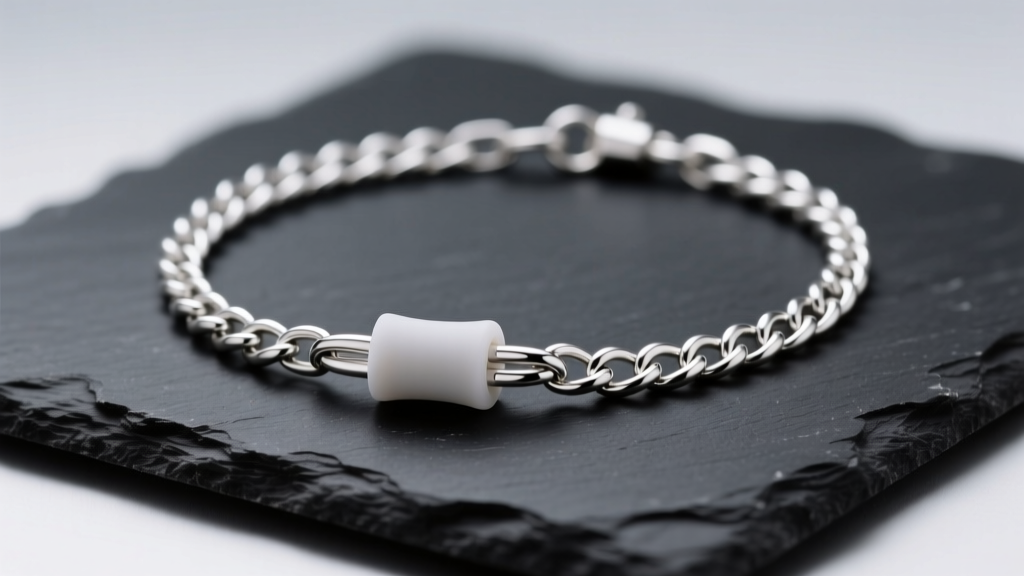
The adjustable chain necklace has fundamentally changed how we approach everyday jewelry styling. By eliminating the need for precise sizing and allowing for seamless layering across different necklines, these versatile pieces have become a staple in modern wardrobes. However, the very mechanism that makes them so functional—the sliding bead, bolo clasp, or spring-ring tensioner—is also their greatest vulnerability when it comes to care and maintenance.
Standard jewelry cleaning advice often falls short for adjustable pieces. Submerging a silicone-gripped slider in an ultrasonic cleaner or using harsh chemical dips can permanently destroy the tension mechanism, turning your perfectly adjustable necklace into a slipping, unwearable mess. In this comprehensive guide, we break down the exact metallurgy, mechanical failure points, and professional cleaning protocols required to maintain your adjustable chain necklaces in pristine condition.
The Anatomy of an Adjustable Chain (and Why It Dictates Cleaning)
Before applying any cleaning solution, you must identify the specific adjustment mechanism of your necklace. The maintenance protocol changes drastically depending on the hardware.
- Silicone O-Ring Sliders (Bolo Style): Common on cable and rolo chains. These rely on a hidden rubber or silicone O-ring inside a metal or ceramic bead to grip the chain links via friction.
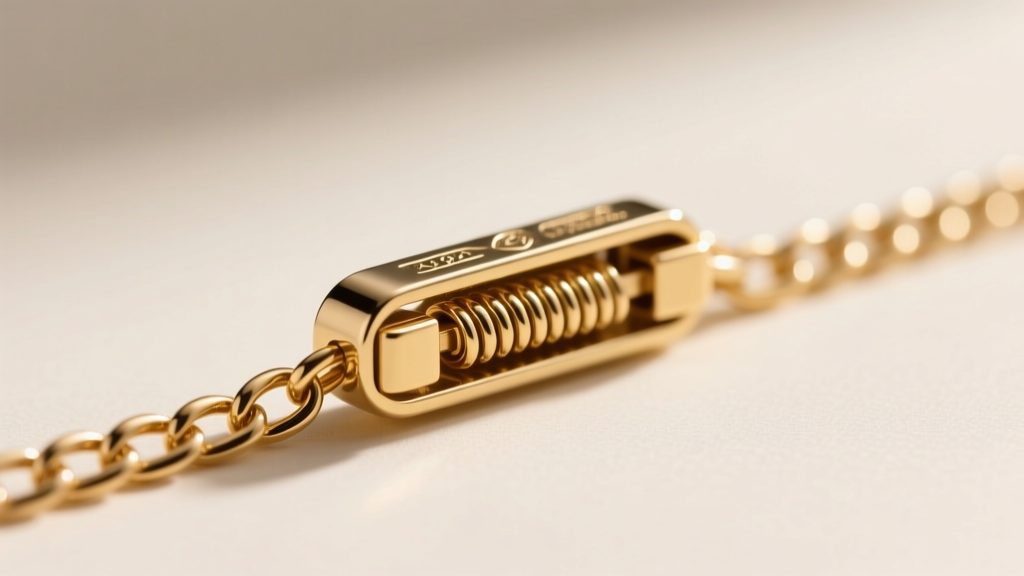
- Metal-on-Metal Friction Sliders: Often found on box chains. These utilize a tiny internal metal spring or tension clamp that physically bites into the flat surfaces of the chain links.
- Lobster Clasp & Jump Ring Extenders: A traditional clasp that hooks into a series of jump rings or a specialized extender chain at the nape of the neck.
The Hidden Danger: Ultrasonic Cleaners and Chemical Dips
According to the Gemological Institute of America (GIA), while ultrasonic cleaners are excellent for removing dirt from hard gemstones and solid metal settings, they are notoriously destructive to organic materials and flexible polymers.
The Silicone Degradation Factor
If your adjustable chain necklace features a silicone-lined bolo slider, never place it in an ultrasonic cleaner. The high-frequency vibrations and localized heat generated by cavitation will rapidly degrade the silicone O-ring. Over time, the rubber loses its elasticity, micro-tears develop, and the slider will no longer grip the chain. Similarly, liquid silver dips and ammonia-based cleaners will dry out and crack the silicone insert.
Metal-on-Metal Abrasive Wear
For metal tension sliders, the risk isn't chemical degradation, but abrasive wear. Using stiff-bristled brushes or harsh polishing compounds inside the slider mechanism can bend the microscopic internal spring. If the spring bends, the slider will either lock up completely or fail to grip the box chain, causing the necklace to constantly slip to one side.
Step-by-Step Cleaning Protocol for Adjustable Chains
To safely clean your adjustable chain necklace without compromising the slider tension, follow this professional jeweler's protocol. This method is safe for sterling silver, gold vermeil, and solid gold chains.
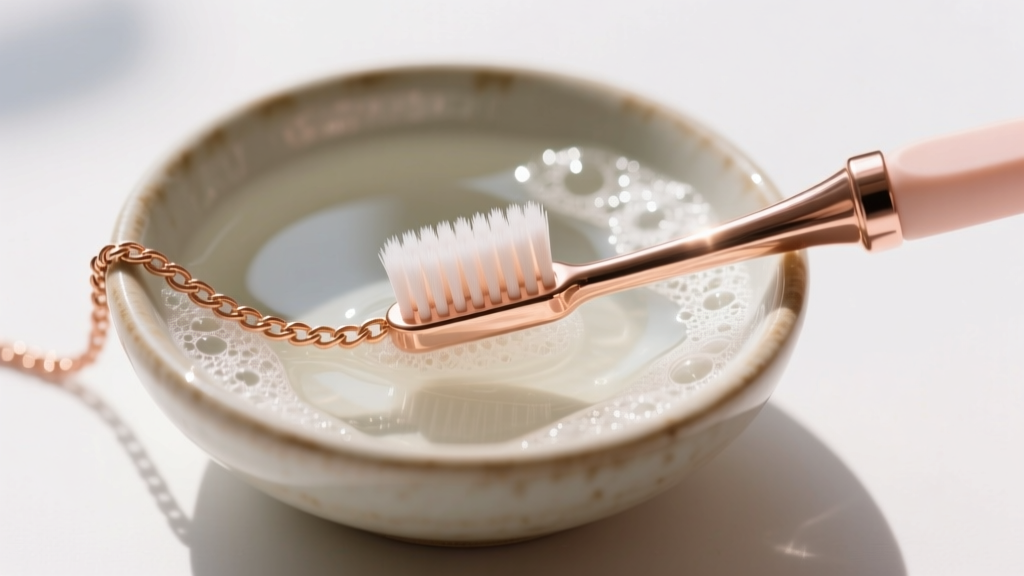
- Prepare a Mild Surfactant Bath: Mix a few drops of phosphate-free dish soap (like Dawn) into a bowl of lukewarm distilled water. Distilled water is critical here; tap water contains chlorine and hard minerals that can leave micro-deposits on the chain links and accelerate tarnishing on sterling silver.
- Isolate the Slider (If Possible): Slide the adjustable bead to the very end of the chain, near the clasp, to keep it out of the primary soaking area.
- Targeted Agitation: Submerge the chain for 3 to 5 minutes. Use an extra-soft baby toothbrush (with 0.1mm bristles) to gently agitate the chain links. Never scrub the inside of the slider mechanism with a brush.
- The Slider Flush: Instead of brushing the slider, use a jewelry syringe or a soft squeeze bottle to flush the soapy water directly through the slider's channel. This dislodges trapped skin oils and dead skin cells without stressing the internal O-ring or spring.
- Distilled Rinse & Dry: Rinse the entire piece in a second bowl of clean distilled water. Pat dry with a lint-free microfiber cloth. Allow the necklace to air dry completely in a flat position before storing to prevent water spots.
Maintenance Matrix: Chain Gauge and Slider Compatibility
Understanding the relationship between your chain's gauge (thickness) and the slider mechanism is vital for long-term maintenance. A mismatched gauge is the leading cause of premature slider failure.
| Chain Type | Optimal Gauge | Slider Type | Cleaning Risk Level | Primary Failure Mode |
|---|---|---|---|---|
| Box Chain | 1.0mm - 1.5mm | Metal Spring Ring | Low | Spring fatigue from pulling at angles |
| Cable / Rolo Chain | 0.8mm - 1.2mm | Silicone Bolo Bead | High (Ultrasonic) | Silicone O-ring tearing and drying out |
| Snake Chain | 1.5mm - 2.0mm | Metal Tube Slider | Medium (Kinking) | Chain kinking if bent past 45 degrees |
| Wheat Chain | 1.2mm - 1.8mm | Silicone or Metal | Medium (Trapped Dirt) | Dirt trapped in woven links |
Troubleshooting Common Adjustable Chain Failures
Even with meticulous care, adjustable necklaces can develop mechanical issues. Here is how to troubleshoot the most common problems without resorting to replacing the entire piece.
The Slider Won't Grip (Slipping)
If your bolo slider slides down the chain on its own, the issue is usually a buildup of sebum (skin oils) and cosmetics on the chain links, which acts as a lubricant. The Fix: Take a wooden toothpick, dip it lightly in 90% isopropyl alcohol, and gently swab the inside channel of the silicone slider. Let it dry completely. The alcohol evaporates quickly and strips the microscopic oil layer without degrading the rubber. For the chain itself, wipe down the links with an alcohol prep pad to restore friction.
The Slider is Too Tight (Stuck)
If you have to yank the chain to adjust it, you risk stretching the links or snapping the clasp. This usually happens when soap residue or hard water minerals calcify inside the slider. The Fix: Apply a microscopic drop of synthetic watch oil or jewelry-specific lubricant to the chain right where it enters the slider. Work the slider back and forth gently to distribute the lubricant, then wipe away any excess with a microfiber cloth.
The Chain Snags or Kinks
Snake chains and fine box chains are notorious for kinking. The Jewelers of America recommends against attempting to bend a kinked snake chain back into place with your fingers, as this will cause permanent metal fatigue and snapping. The Fix: Lay the chain flat on a hard surface. Use a smooth, cylindrical object like a glass bottle or a specialized jewelry rolling pin to gently roll over the kinked area. This applies even pressure and coaxes the metal links back into alignment without stressing a single focal point.
Pro-Tip: Never pull an adjustable chain at a sharp angle. Always slide the mechanism while holding the chain perfectly straight. Pulling at a 45-degree angle forces the internal silicone or metal spring to bite unevenly into the chain links, causing rapid, asymmetric wear.
Expert Storage Solutions to Prevent Micro-Tangles
Because adjustable chains are often worn at varying lengths and feature sliding components, they are highly susceptible to tangling when tossed into a jewelry box. A tangled adjustable chain is a nightmare to untangle without stressing the slider mechanism.
- The Hanging Method: The absolute best way to store adjustable necklaces is hanging them on a multi-tier jewelry tree or wall-mounted hooks. Gravity keeps the chain links aligned and prevents the slider from migrating to the bottom of the loop.
- The Straw Trick for Travel: When packing, thread one end of the necklace through a plastic or silicone straw and clasp it. This forces the chain to remain rigid and completely eliminates the possibility of knotting in your luggage.
- Anti-Tarnish Environments: For sterling silver adjustable chains, store them in individual ziplock bags lined with Pacific Silvercloth or 3M anti-tarnish strips. This neutralizes sulfur compounds in the air, drastically reducing the need for abrasive polishing in the future.
Conclusion
An adjustable chain necklace is a marvel of functional jewelry design, but it requires a more nuanced approach to care than a standard fixed-length chain. By understanding the specific mechanics of your slider, avoiding the destructive convenience of ultrasonic cleaners, and utilizing targeted, gentle cleaning agents, you can preserve both the brilliant shine of the metal and the vital tension of the adjustment mechanism. Treat the slider with the same respect you would a delicate gemstone setting, and your necklace will remain a versatile, flawless staple in your collection for years to come.


