Jerusalem Cross Necklace: 2026 Style & Trend Guide
Discover how the Jerusalem cross necklace is evolving in 2026. Explore styling frameworks, material grades, and layering techniques for this historic motif.

The Evolution of the Jerusalem Cross in Modern Jewelry
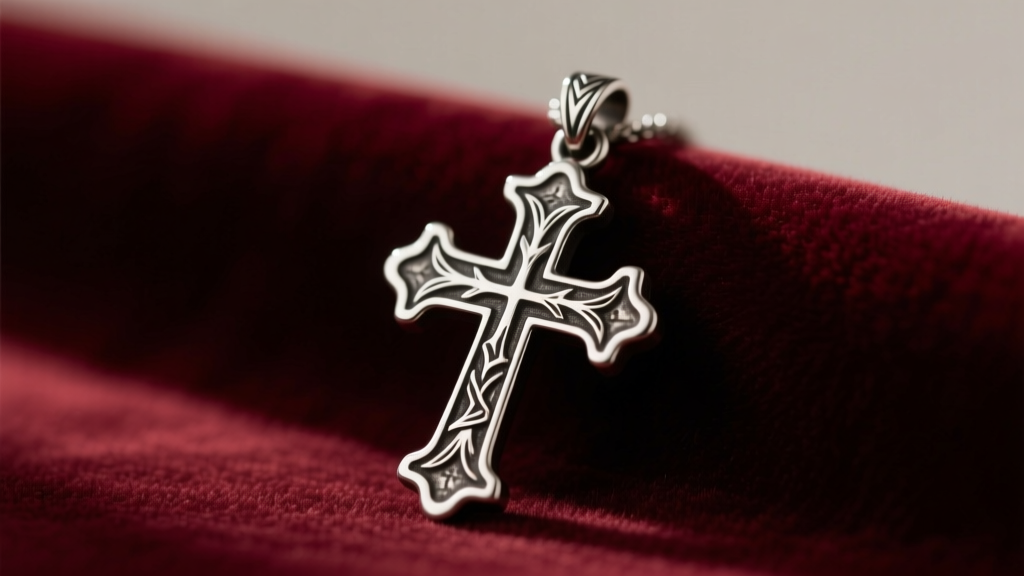
The Jerusalem cross necklace, historically recognized as the Crusader’s cross or the Five-Fold cross, has experienced a massive stylistic renaissance as we move through 2026. Originally popularized in the 11th century and heavily associated with Godfrey of Bouillon and the Kingdom of Jerusalem, the motif features one large central cross potent surrounded by four smaller crosslets. According to historical archives at The Metropolitan Museum of Art, these five crosses traditionally symbolized the five wounds of Christ or the spread of the gospel to the four corners of the earth. However, the modern jewelry market has largely divorced the design from strictly religious contexts, repositioning it as a cornerstone of vintage-inspired streetwear, brutalist fashion, and neo-antiquity aesthetics.
In 2026, the trend analysis points toward a rejection of hyper-polished, mass-produced religious jewelry. Consumers and bespoke jewelers alike are favoring heavy, tactile pieces that look as though they were unearthed from an archaeological dig. This means sharp, unpolished edges, deep recessed oxidation, and a deliberate move away from the pristine, high-shine finishes that dominated the early 2010s. The Jerusalem cross pendant has become a canvas for experimental metallurgy, bridging the gap between historical artifact and contemporary fashion statement.
Material Breakdown and Metallurgy
Choosing the right metal for a Jerusalem cross necklace is critical, as the intricate geometry of the five crosses requires a material that can hold sharp cast lines or precise hand-engraving. Below is a technical breakdown of the most prominent materials used in 2026, detailing their specific advantages and wear characteristics.
| Material Grade | Composition & Finish | Durability & Wear | Best For |
|---|---|---|---|
| Oxidized 925 Sterling | 92.5% Silver, 7.5% Copper; treated with liver of sulfur for blackened recesses. | Prone to scratching but develops a rich, personalized patina over time. | Brutalist, gothic, or antique-revival aesthetics. |
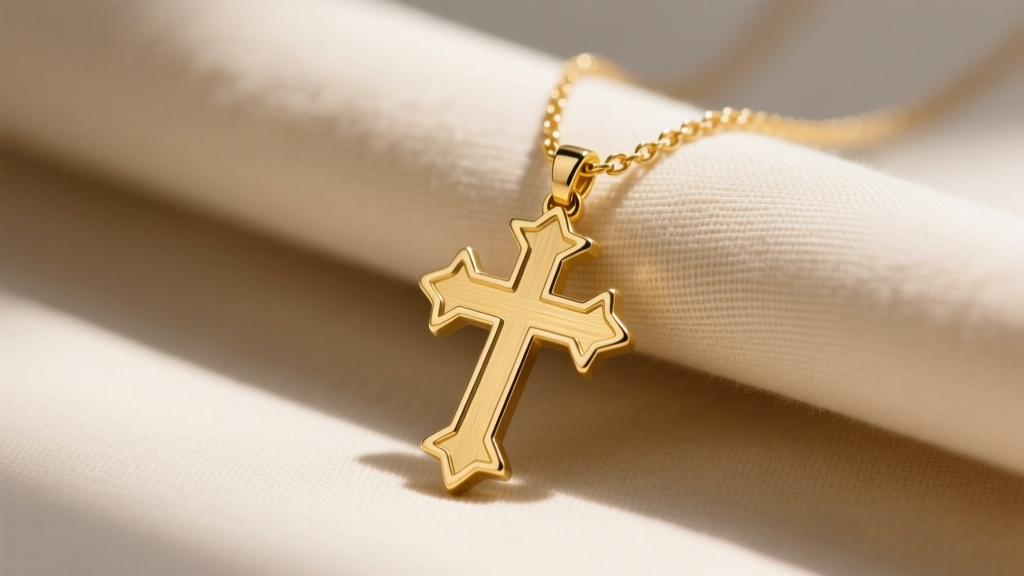
| 14k Solid Yellow Gold | 58.5% Gold alloyed with copper and silver; usually finished with a brushed or matte texture. | Highly durable, resists tarnishing, maintains structural integrity in thin casts. | Everyday luxury, demi-fine layering, and warm skin tones. |
| 18k Solid Gold | 75% Gold; richer color but softer alloy. | More susceptible to denting on heavy, chunky pendants; requires careful wear. | High-end heritage pieces and investment-grade fine jewelry. |
| Grade 5 Titanium | Aerospace-grade Ti-6Al-4V; anodized or bead-blasted. | Extremely lightweight, hypoallergenic, virtually indestructible. | Minimalist, ultra-modern, or streetwear interpretations. |
As noted by gemological and metallurgical experts at the Gemological Institute of America (GIA), the alloy composition in gold significantly dictates the pendant's longevity. For a heavy Jerusalem cross pendant that will be worn daily, 14k gold is vastly superior to 18k or 24k due to the higher presence of strengthening alloys like copper and zinc, which prevent the bail and cross arms from warping under tension.
The Geometry of Proportions: Sizing and Chain Pairings
A common failure point in styling historical pendants is a mismatch between the pendant's visual weight and the chain's gauge. The Jerusalem cross is inherently 'busy' due to its five distinct elements. If the pendant is too small, the design becomes muddy and illegible. If it is too large, it risks looking like a theatrical costume piece rather than a refined accessory.
The Sweet Spot for Pendant Dimensions
For unisex, everyday wear in 2026, the optimal width for a Jerusalem cross pendant sits between 18mm and 24mm. This dimension provides enough surface area for the four smaller crosslets to be distinctly visible without overwhelming the collarbone. For statement or outerwear layering, dimensions pushing 30mm to 35mm are acceptable, provided the metal is hollowed or cast thinly to prevent the piece from weighing over 25 grams, which causes chain fatigue and neck strain.
Chain Pairings and Bail Mechanics
The bail (the loop connecting the pendant to the chain) must be proportionate to the cross. Avoid hidden bails on heavy crosses, as the glue or small tension pins often fail. Instead, opt for a solid, soldered loop bail. Chain selection should follow the rule of contrast:
- For Oxidized Silver: Pair with a 2.0mm to 3.0mm oxidized box chain or a thick, blackened rope chain. The geometric links of a box chain complement the rigid angles of the cross.
- For 14k/18k Gold: A 1.5mm to 2.0mm solid cable chain or a flat 2.5mm curb chain provides a sleek, modern contrast to the historical weight of the pendant.
- Length Guidelines: An 18-inch chain places the cross at the collarbone (ideal for t-shirts), while a 22-inch to 24-inch chain drops it to the sternum (perfect for layering over hoodies or button-downs).
2026 Styling and Layering Frameworks
Layering a Jerusalem cross necklace requires a strategic approach to avoid visual clutter. Because the pendant itself contains five distinct crosses, it already commands significant visual real estate. The prevailing trend in 2026 is 'anchored minimalism,' where the cross serves as the heavy focal point, supported by much subtler secondary chains.
The Rule of Thirds in Layering
When building a necklace stack around a Jerusalem cross, utilize a three-tier length strategy to create depth without tangling:
- The Anchor (16-18 inches): A simple, unadorned 1.0mm herringbone or snake chain that sits high on the neck, catching the light and providing a metallic base layer.
- The Focal Point (20-22 inches): Your 18mm-24mm Jerusalem cross pendant on a textured 2.0mm chain. This is the centerpiece of the stack.
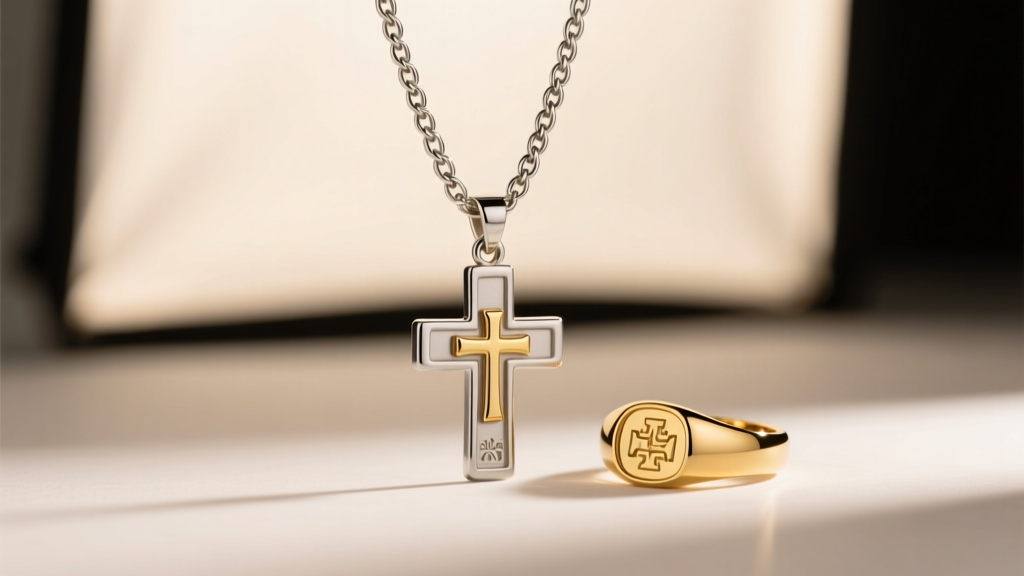
- The Terminator (24-26 inches): A longer, heavier chain featuring a singular, non-competing geometric pendant—such as a plain gold signet ring on a chain, a simple horizontal bar, or an unadorned pearl. This draws the eye downward and elongates the torso.
Furthermore, contemporary style editors emphasize mixing metals intentionally. Wearing a heavily oxidized silver Jerusalem cross with a warm 14k gold secondary chain creates a curated, vintage-flea-market aesthetic that is highly prized in current streetwear circles. This deliberate clashing signals a high level of sartorial confidence and moves the piece away from traditional, matched-set religious jewelry.
Market Pricing and Investment Value
Understanding the pricing tiers of the Jerusalem cross necklace is essential for buyers looking to balance budget with longevity. The market in 2026 is distinctly segmented:
Fashion and Fast Jewelry ($30 - $80): Typically made from brass or stainless steel with a thin gold or silver plating (often under 0.5 microns). These pieces will tarnish, and the plating will wear off the high-relief crosses within months of daily wear. They are suitable only for temporary trend experimentation.
Demi-Fine ($150 - $450): The sweet spot for most consumers. These pieces are cast in solid 925 sterling silver or 10k/14k gold vermeil (with a heavy 2.5-micron gold layer). Independent jewelers on platforms like Etsy or specialized boutique brands dominate this space, offering hand-finished oxidation and custom sizing.
Fine and Heritage ($800 - $3,000+): Solid 14k or 18k gold, often featuring hand-engraved detailing rather than simple cast molds. High-end designers may incorporate accent stones, such as flush-set black diamonds or rubies in the center of the four smaller crosslets. These pieces hold intrinsic metal value and are designed to be passed down as heirlooms.
Ultimately, the Jerusalem cross necklace in 2026 is a testament to the cyclical nature of jewelry trends. By understanding the metallurgy, mastering the proportions, and applying modern layering frameworks, you can transform this ancient symbol into a deeply personal, contemporary style anchor.


