Jes Maharry Necklace Aesthetic: 2026 Sculptural Jewelry Trends
Explore the Jes Maharry necklace aesthetic in 2026. Discover styling tips, metalwork techniques, and pricing for sculptural artisan jewelry.

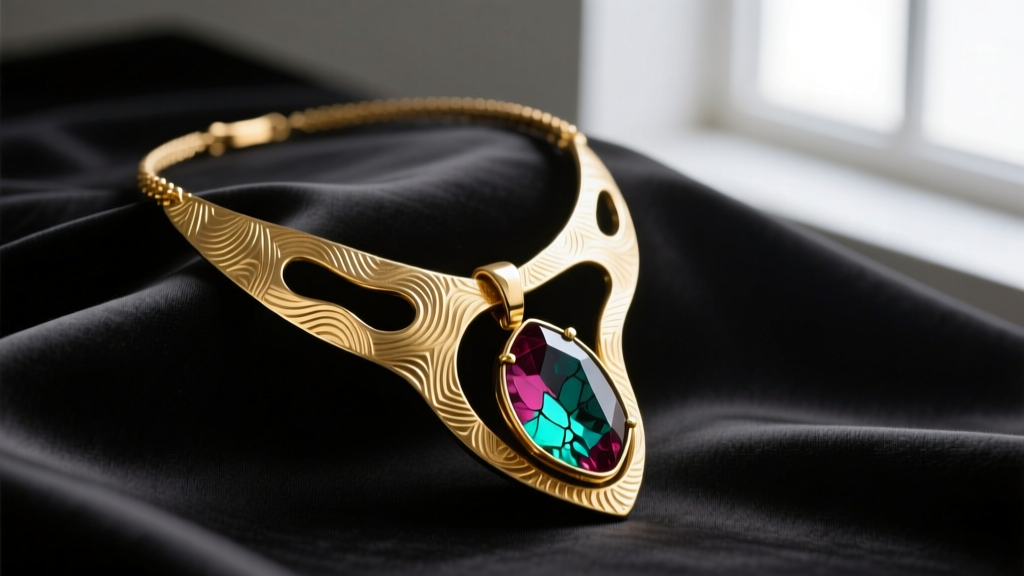
The landscape of fine jewelry has undergone a radical transformation as we move through 2026. After a decade dominated by hyper-polished, minimalist paperclip chains and uniform geometric pendants, the market is aggressively pivoting toward the hyper-artisanal. At the forefront of this movement is the Jes Maharry necklace aesthetic—a masterclass in sculptural, hand-forged metalwork that celebrates organic imperfection, tactile surfaces, and wearable art. For collectors and style enthusiasts, understanding the metallurgy, styling frameworks, and investment value of this aesthetic is essential for navigating the modern luxury jewelry market.
The Shift from Minimalism to Tactile Sculpturalism
Minimalism served its purpose, offering versatile, everyday layering pieces. However, the 2026 consumer is seeking emotional resonance and physical weight in their adornments. The Jes Maharry necklace style represents a rebellion against the sterile perfection of CAD/CAM (Computer-Aided Design and Manufacturing) casting. Instead of uniform, machine-milled surfaces, these pieces rely on ancient, labor-intensive metalsmithing techniques that yield unpredictable, lunar-like textures. According to trend forecasts highlighted by Vogue Jewelry Trends, the modern luxury buyer is increasingly prioritizing 'wearable sculpture' that serves as a standalone focal point rather than a mere accessory.
This shift is not merely visual; it is deeply tactile. A true sculptural necklace invites touch. The deep crevices of reticulated gold or the undulating waves of fold-formed silver create a sensory experience that flat, polished chains simply cannot replicate. This demand for high-relief, three-dimensional metalwork has pushed artisan jewelers to experiment with heavier gauges and mixed-metal patinas, resulting in pieces that feel substantial against the collarbone.
Deconstructing the Artisan Metalwork Techniques
To truly appreciate the value of a Jes Maharry necklace, one must understand the intense physical labor and metallurgical knowledge required to create it. These are not simply cast from wax models; they are coaxed into shape through extreme heat and kinetic force.
Reticulation and Surface Topography
Reticulation is a hallmark of the sculptural necklace trend. This technique involves repeatedly heating and quenching a sheet of high-karat gold (usually 18k or 22k) or sterling silver to bring the fine silver or pure gold to the surface. The jeweler then applies a highly focused torch flame, melting the core of the metal while the higher-melting-point surface skin remains solid. As the core liquefies, the surface buckles, tears, and folds into dramatic, organic ridges. The resulting topography is entirely unique to that specific piece of metal, making exact duplication impossible.
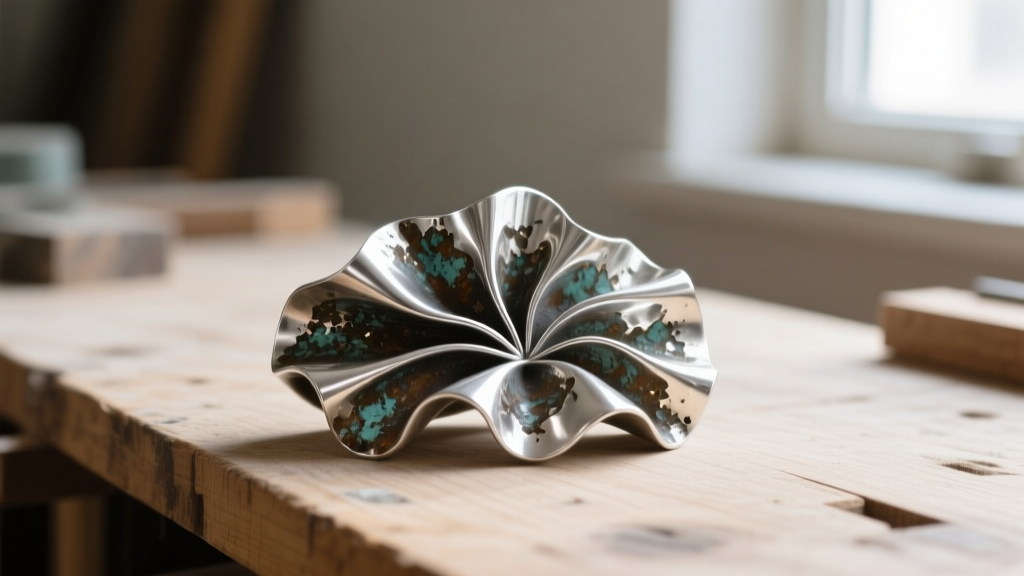
Fold-Forming and Kinetic Shaping
Unlike traditional fabrication that relies on soldering multiple flat components together, fold-forming manipulates a single sheet of 18-gauge or 20-gauge metal. The artisan heats, folds, and hammers the metal, creating complex, multi-dimensional structures that possess the structural integrity of a shell. When applied to pendant design or collar construction, fold-forming allows for dramatic, sweeping curves that contour perfectly to the human anatomy without the need for rigid, uncomfortable armatures.
Material Grades and Artisan Pricing Tiers
Investing in sculptural, hand-forged jewelry requires an understanding of how material choices impact both the aesthetic outcome and the final price point. The table below outlines the standard material configurations found in high-end artisan necklaces in 2026.
| Material Configuration | Metallurgical Traits | Average Artisan Price Range | Maintenance Profile |
|---|---|---|---|
| Oxidized Sterling Silver (925) | High work-hardening rate; takes deep liver of sulfur patinas well to highlight textures. | $450 - $1,200 | High; patina wears off on high-contact points, requiring periodic re-oxidation. |
| 14k Recycled Yellow Gold | Higher Vickers hardness; holds crisp fold-formed edges but yields shallower reticulation. | $1,800 - $3,200 | Low; highly resistant to tarnish and structural deformation. |
| 18k Gold with Raw Uncut Gems | Soother, richer reticulation; often bezel-set with raw tourmaline or sapphire for contrast. | $3,500 - $6,500+ | Moderate; raw gems require careful cleaning to avoid trapping oils in natural inclusions. |
For those looking to verify the authenticity and material integrity of artisan pieces, the GIA Gem Encyclopedia remains an indispensable resource for understanding how different alloy compositions react to extreme heat treatments and chemical patinas.
Styling Frameworks for Heavy Sculptural Collars
A common mistake when styling heavy, asymmetric sculptural necklaces is treating them like delicate pendants. A Jes Maharry-style collar demands a deliberate styling framework to balance its visual weight. In 2026, the most compelling styling approaches rely on architectural tailoring and negative space.
- The Asymmetrical Neckline: Sculptural pendants with off-center weight distribution pair flawlessly with one-shoulder tops or asymmetrical draped silk blouses. The fabric's drape mirrors the organic flow of the metalwork.
- Structured Contrast: Pairing a heavily textured, raw-edged gold collar with a sharply tailored, structured ivory linen blazer creates a masterful tension between organic chaos and rigid order. The deep lapels provide a 'frame' for the necklace.
- The Deep V-Anchor: For shorter, heavier choker-style sculptural pieces, a deep V-neckline elongates the neck, preventing the heavy metal from visually 'choking' the wearer's proportions.
- Avoid Competing Patterns: The intricate micro-textures of reticulated metal act as a visual pattern themselves. Wearing these pieces over busy prints or heavy embroidery dilutes their impact. Stick to solid, matte fabrics like crepe, heavy silk, or fine-gauge merino wool.

Authentication: Hand-Forged vs. CAD-Cast Imitations
As the sculptural jewelry trend has gained momentum, mass-market manufacturers have attempted to replicate the Jes Maharry necklace aesthetic using CAD/CAM milling and rubber mold casting. While these imitations may look similar in flat photographs, they fail under close physical inspection.
True hand-reticulated metal exhibits 'micro-tearing'—tiny, sharp fissures along the ridges where the metal skin literally pulled apart under heat. CAD-cast imitations, by contrast, feature smoothed, rounded valleys and uniform ridge patterns that lack the violent, organic energy of real fire and hammer. Furthermore, genuine artisan pieces often feature asymmetrical weight distribution and custom-forged clasps that integrate seamlessly into the collar's design, whereas cast replicas often rely on standardized, mass-produced lobster clasps soldered onto the ends. When investing in artisan jewelry, platforms like 1stDibs offer verified provenance and detailed macro-photography that allows buyers to inspect these crucial metallurgical hallmarks before purchasing.
The Future of Wearable Art
The dominance of the Jes Maharry necklace aesthetic in 2026 signals a permanent shift in how we define luxury. It is no longer about the flawless, mirror-like polish of mass-produced gold, but rather the visible hand of the maker, the scars of the torch, and the unyielding weight of the hammer. For the modern collector, these sculptural pieces are not just accessories; they are intimate, wearable archives of human craftsmanship.


