Jesus on Cross Necklace Value Guide: Materials & Pricing
Discover the true value of a jesus on cross necklace. Compare materials, pricing tiers, chain gauges, and craftsmanship to make a smart investment.

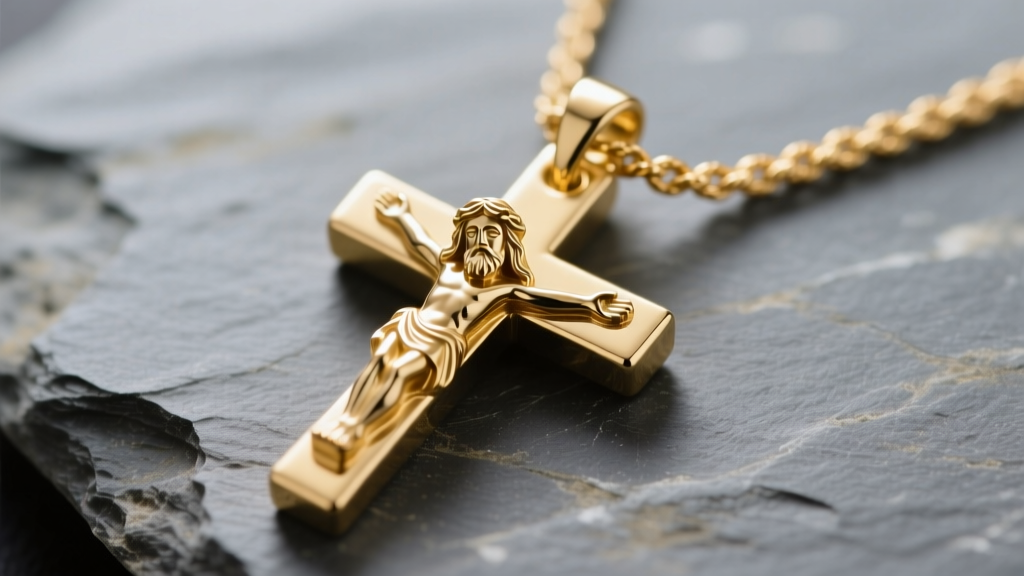
The True Cost of Faith: Assessing Value in 2026
The jesus on cross necklace—traditionally known as a crucifix pendant—is one of the most enduring and deeply personal jewelry staples in the world. However, the modern jewelry market is saturated with misleading marketing, inflated retail markups, and confusing metallurgical jargon. As we navigate the 2026 precious metals market, where gold spot prices remain historically elevated, understanding the intrinsic value versus the retail markup of a crucifix necklace is critical for any buyer.
Whether you are purchasing a piece for daily wear, a religious milestone, or as an heirloom investment, this comprehensive value assessment will break down exact material grades, structural failure points, and realistic pricing tiers. We will strip away the fluff and focus on the hard data you need to make an informed purchase.
The Material Hierarchy: Intrinsic Value vs. Retail Markup
The foundation of any necklace's value lies in its metallurgy. When evaluating a jesus on cross necklace, you must look past the aesthetic finish and examine the core alloy. According to the Gemological Institute of America (GIA), the durability and color of gold alloys are dictated by their secondary metals (copper, silver, zinc), which directly impacts both longevity and intrinsic scrap value.
Base Metals & Plating (The Depreciation Tier)
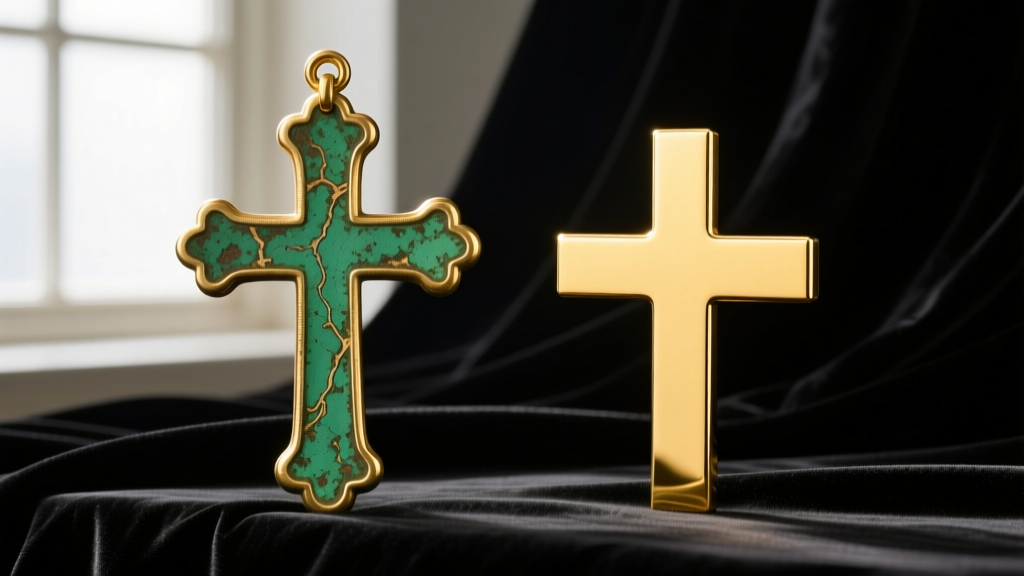
- Brass/Zinc Alloys: Often sold for $20–$50. These hold zero intrinsic value and are prone to rapid oxidation, leaving green marks on the skin.
- 316L Stainless Steel: Highly durable and hypoallergenic, but intrinsically worthless. A steel crucifix should never cost more than $30–$60, regardless of brand hype.
- Gold-Plated Brass: A thin layer of gold (usually under 0.5 microns) over base metal. This will wear off within months of daily friction.
Sterling Silver & Vermeil (The Mid-Tier)
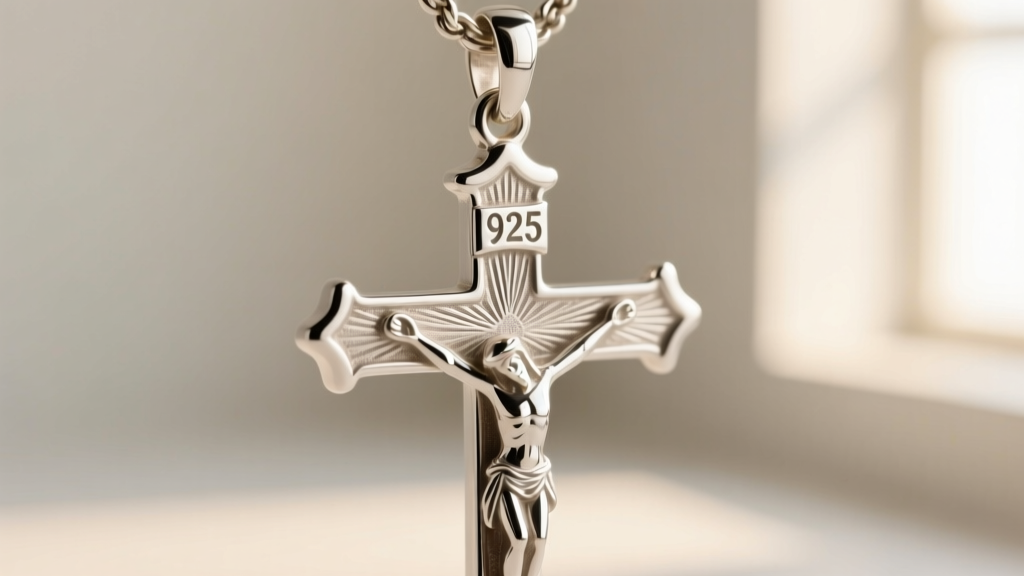
Sterling silver (92.5% pure silver, 7.5% copper) is a fantastic budget option for a jesus on cross necklace, typically ranging from $60 to $150. However, silver tarnishes and is relatively soft. To combat this, many jewelers offer Gold Vermeil. The Federal Trade Commission (FTC) strictly mandates that for a piece to be legally sold as "vermeil" in the United States, it must feature a sterling silver base plated with at least 2.5 microns of 10k gold or higher. Anything less is merely "gold-plated silver" and will degrade rapidly.
Solid Gold (The Investment Tier)
For a piece meant to last generations, solid gold is mandatory. The GIA notes that 14k gold (58.5% pure gold) offers the optimal balance of rich color, structural tensile strength, and intrinsic value. 18k gold (75% pure) offers a deeper yellow hue but is softer, making it more susceptible to scratching and bending on heavy pendants.
2026 Pricing Matrix: What Should You Actually Pay?
To assess true value, we must separate the raw material cost from the artisan labor and brand markup. Below is a realistic pricing framework for a standard 1.5-inch to 2-inch crucifix pendant paired with a 20-inch chain, based on early 2026 market conditions.
| Value Tier | Material Specification | Expected Price Range | Lifespan | Intrinsic Resale Value |
|---|---|---|---|---|
| Budget | 316L Stainless Steel or 925 Silver (Oxidized) | $45 – $120 | 5–10 Years | Negligible / Melt Value Only |
| Mid-Range | 925 Silver with 2.5μ+ Gold Vermeil | $130 – $280 | 2–5 Years (Daily Wear) | Low (Silver Scrap) |
| Investment | Solid 10k or 14k Gold (Cast or Die-Struck) | $450 – $1,200+ | Lifetime / Heirloom | High (Tied to Gold Spot) |
| Premium | Solid 18k Gold or Platinum | $1,800 – $4,000+ | Lifetime / Heirloom | Very High |
Expert Tip: If a retailer is selling a "solid gold" jesus on cross necklace for under $250 in 2026, it is almost certainly hollowed out (electroformed) or mislabeled. Always demand the exact gram weight before purchasing.
Chain Mechanics: Hidden Failure Points
A common mistake buyers make is investing heavily in a solid gold crucifix pendant, only to hang it on a flimsy, lightweight chain. A solid cast 2-inch crucifix can easily weigh between 6 and 14 grams. If suspended on a 1.0mm or 1.2mm cable chain, the tensile stress at the clasp and the bail (the loop connecting the pendant to the chain) will eventually cause a catastrophic failure.
Gauge Thickness & Chain Styles
For pendants weighing over 5 grams, you need a chain with a minimum thickness of 2.0mm to 3.0mm. The structural integrity of the chain style also matters immensely:
- Rope Chains: Excellent tensile strength and beautiful light reflection, but if a link snaps, they are notoriously difficult to repair seamlessly.
- Figaro & Curb Chains: Highly durable, flat against the chest, and easier for a bench jeweler to solder if a link fails.
- Box Chains: Offer a modern, geometric look but are prone to kinking if bent at sharp angles, which compromises their structural integrity over time.
The Clasp Imperative
Never trust a heavy jesus on cross necklace to a standard spring-ring clasp. The internal spring mechanism is weak and prone to catching on clothing. Always insist on a solid lobster clasp or a locking box clasp with a figure-eight safety catch for any chain exceeding 2.0mm in thickness.
Craftsmanship Red Flags: Casting Porosity & Detail Loss
When assessing the value of the pendant itself, you must examine the manufacturing method. Most commercial crucifix pendants are created via lost-wax casting. While this allows for intricate three-dimensional detailing of the corpus, it introduces specific vulnerabilities.
Cheap, mass-produced castings often suffer from porosity—tiny microscopic air bubbles trapped in the metal during the cooling process. On the surface, this looks like pitting or dull spots, particularly in the deep crevices of the facial features and hands. High-value pieces are either cast in a vacuum/centrifuge environment to eliminate porosity or are die-struck, a process that compresses the metal under immense pressure, resulting in a denser, harder, and more reflective finish.
Furthermore, examine the "bail" (the loop at the top). A high-quality pendant will feature a reinforced, soldered bail with a smooth interior to prevent it from acting like a saw blade against your chain. If the bail has a visible seam or rough interior edges, the chain will eventually wear through and snap.
The Smart Buying Framework
Before finalizing your purchase of a jesus on cross necklace, run the piece through this rapid value-assessment checklist:
- Verify the Hallmark: Look for "925", "10k", "14k", or "18k" stamped directly on the metal, not just printed on the packaging.
- Request the Gram Weight: Calculate the raw melt value using a live gold spot calculator. If the retail markup is over 400% of the melt value, you are paying for brand hype, not craftsmanship.
- Inspect the Bail: Ensure the loop is fully closed (soldered) and smooth on the inside.
- Match the Chain: Ensure the chain gauge is at least 2.0mm and features a lobster clasp if the pendant exceeds 5 grams.
- Check the Vermeil Thickness: If buying gold over silver, demand written confirmation that the plating is at least 2.5 microns thick.
By prioritizing metallurgical integrity and structural mechanics over fleeting brand trends, you ensure that your jesus on cross necklace remains a lasting symbol of faith and a sound financial asset for decades to come.


