Jewish Necklace Troubleshooting: Fix Tarnish and Breakage
Troubleshoot common issues with your Jewish necklace. Learn how to fix tarnished Star of David pendants, repair broken chains, and choose the right bail.

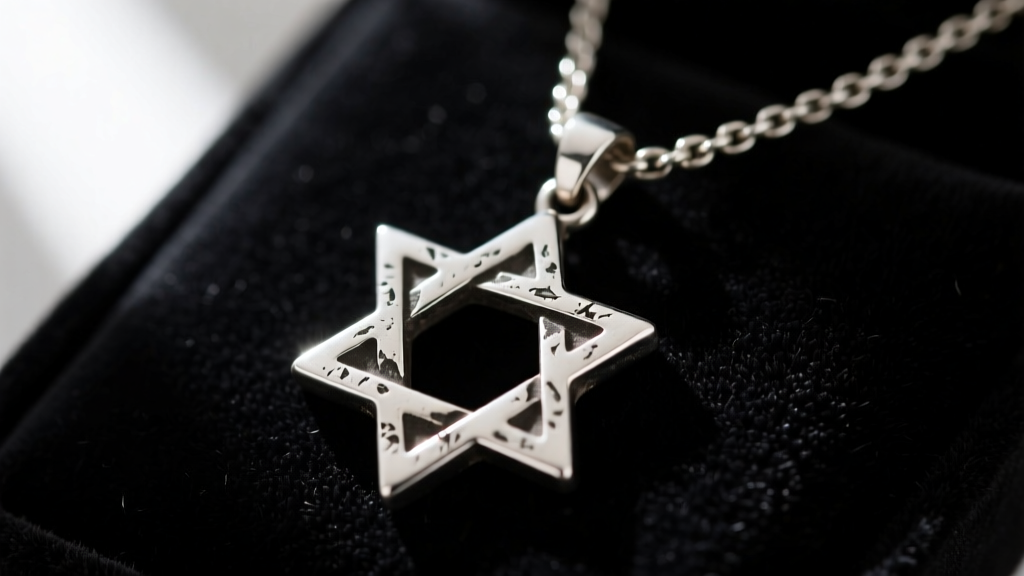
Jewish necklaces, whether featuring a Magen David (Star of David), Chai (Life), Hamsa, or a miniature Mezuzah, are profound symbols of faith, heritage, and identity. Because these pieces are often worn daily as talismans or reminders of heritage, they endure constant exposure to sweat, cosmetics, friction, and environmental pollutants. Over time, even high-quality precious metals encounter structural and cosmetic issues that can compromise both the beauty and the security of the pendant.
As a senior jewelry specialist, I frequently see cherished heirloom and everyday Jewish pendants brought in for repair due to preventable damage. From snapped chains unable to support heavy solid gold pendants to ruined kosher scrolls inside poorly sealed Mezuzah necklaces, the problems are highly specific. This comprehensive troubleshooting guide provides expert-level solutions for the most common issues plaguing Jewish necklaces, ensuring your meaningful jewelry remains intact and brilliant for generations.
Diagnosing and Reversing Silver Tarnish on Magen David Pendants
Sterling silver (stamped 925) is the most popular metal for Jewish pendants due to its affordability and bright luster. However, sterling silver is an alloy composed of 92.5% pure silver and 7.5% copper. According to the Gemological Institute of America (GIA), it is the copper content that reacts with sulfur compounds in the air and on human skin, creating silver sulfide—the blackish-purple layer we recognize as tarnish.
The Danger of Commercial Silver Dips
Many well-meaning owners ruin their Star of David pendants by submerging them in commercial chemical silver dips. While these thiourea-based solutions remove tarnish instantly, they also strip away intentional oxidation. Many high-end Jewish pendants feature "antiqued" or "oxidized" crevices, where the jeweler has intentionally darkened the recessed areas of the Star of David to make the geometric lines pop. A chemical dip will strip this contrast, leaving the piece looking flat, overly bright, and cheap.
The Electrolytic Cleaning Method
For heavily tarnished silver Chai or Magen David pendants without intentional antiquing, use the electrolytic baking soda method. This reverses the chemical reaction without abrasive scrubbing:
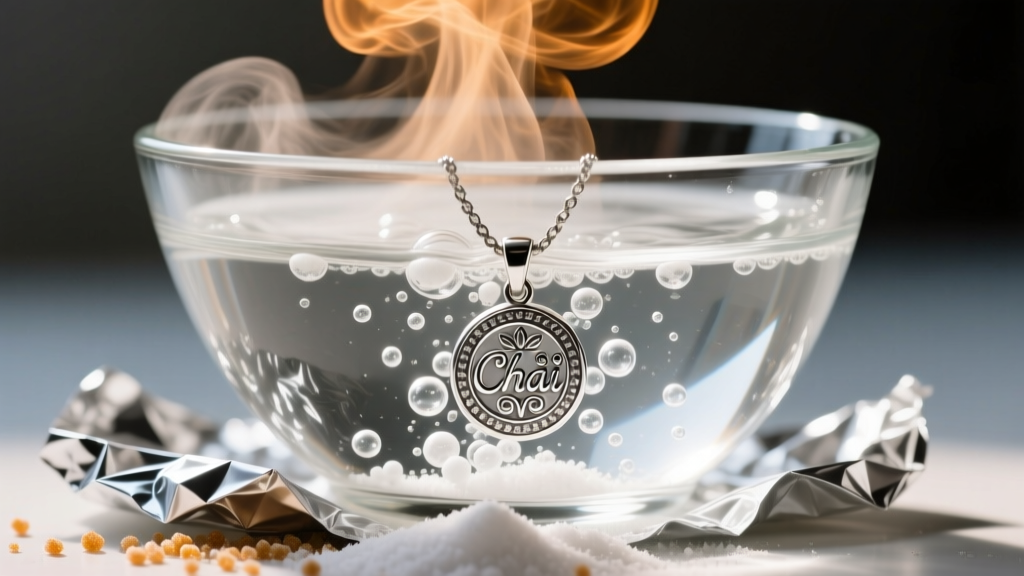
- Line a glass bowl with aluminum foil, shiny side up.
- Place the silver necklace on the foil, ensuring direct contact.
- Sprinkle two tablespoons of baking soda over the jewelry.
- Pour boiling water into the bowl to submerge the piece. The water will bubble as the sulfur transfers from the silver to the aluminum.
- After 3 minutes, remove with wooden tongs, rinse in distilled water, and buff dry with a microfiber cloth.
Chain Breakage: Matching Pendant Weight to Chain Gauge
A frequent and heartbreaking issue is a heavy pendant snapping a delicate chain, resulting in a lost heirloom. A standard 1-inch Star of David pendant in solid 925 silver weighs roughly 4 to 6 grams. However, if it is a thick, cast 14k or 18k gold piece, it can easily exceed 12 to 15 grams. Pairing a 15-gram pendant with a 0.8mm cable chain is a recipe for disaster. The Jewelers of America consistently emphasizes matching chain tensile strength to pendant mass.
Chain Style and Gauge Matrix
Not all chain weaves are created equal. Rope chains, while beautiful, have high surface friction and can snag on clothing, transferring sudden kinetic shock to the clasp. Box chains and wheat (spiga) chains offer superior structural integrity for heavy pendants because their interlocking links distribute weight evenly.
| Pendant Weight | Recommended Chain Type | Minimum Gauge (Thickness) | Recommended Clasp |
|---|---|---|---|
| Under 3g (Delicate Chai) | Cable or Curb | 0.8mm - 1.0mm | 4mm Spring Ring |
| 3g - 8g (Standard Silver) | Box or Wheat | 1.1mm - 1.3mm | 6mm Lobster Claw |
| 8g - 15g (Heavy Gold) | Wheat or Cuban Link | 1.5mm - 2.0mm | 10mm Lobster Claw |
| 15g+ (Oversized/Thick) | Solid Cuban or Figaro | 2.5mm+ | 12mm Lobster or Box Clasp |
Clasp Failure Troubleshooting
If your necklace keeps slipping off, inspect the clasp. Spring rings contain a tiny internal spring that frequently fails or gets clogged with lotion. Always upgrade heavy Jewish pendants to a lobster claw clasp, which features a solid internal lever mechanism and a much higher tensile threshold. For chains over 2.5mm, consider a box clasp with a figure-eight safety latch for ultimate security.
Bail Sizing and Bail Loop Wear
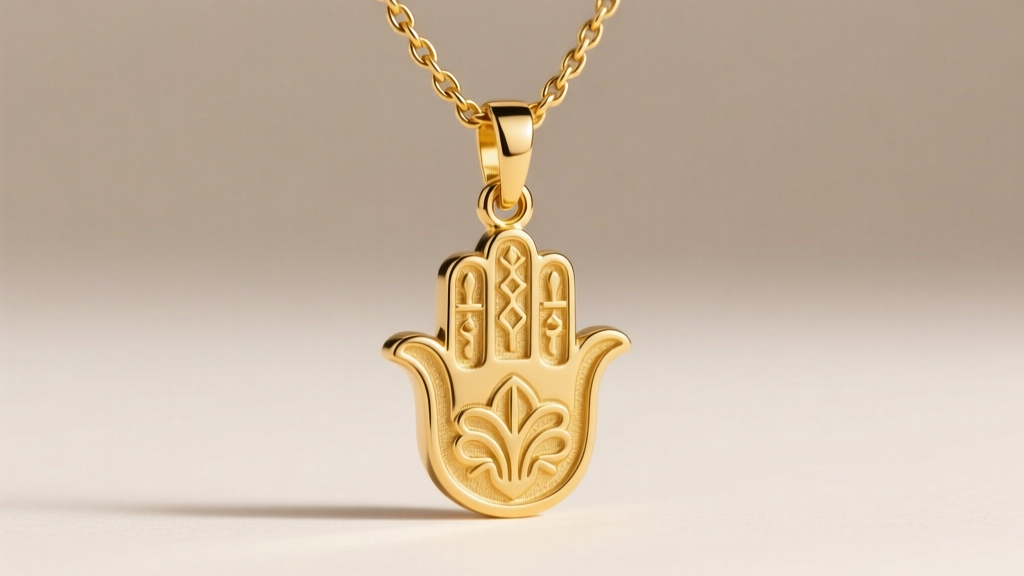
The bail is the loop at the top of the pendant through which the chain passes. Over years of daily wear, the friction between the metal chain and the bail can act like a slow-moving saw, eventually wearing a hole completely through the silver or gold. This is especially common with Hamsa pendants, which often feature small, integrated cast bails.
Solutions for Bail Wear
If you notice a deep groove forming inside the bail, take the piece to a jeweler immediately. They can solder a hardened steel or platinum "bail insert" inside the loop. Because platinum and steel are significantly harder than 14k gold or sterling silver, the chain will wear against the insert rather than the pendant itself. Alternatively, if the bail is too small to accommodate a thicker, safer chain (like a 2mm wheat chain), a jeweler can remove the integrated bail and solder on a heavy-duty "hidden bail" or a reinforced 5mm jump ring, allowing the pendant to hang securely on a thicker, weight-appropriate chain.
Protecting Kosher Scrolls in Mezuzah Pendants
A unique troubleshooting scenario applies exclusively to Jewish jewelry: the Mezuzah pendant. Many observant Jews wear a miniature Mezuzah case containing a real, handwritten kosher parchment scroll (klaf). The primary threat to these necklaces is water damage. If worn in the shower or pool, water can seep into the case, causing the ink on the parchment to run and rendering the scroll invalid (pasul).
Sealing the Mezuzah Case
Most commercial Mezuzah pendants feature a friction-fit push-back or a simple threaded screw-top. Neither is inherently waterproof. To troubleshoot this:
- For Screw-Tops: Apply a microscopic amount of clear, jewelry-grade silicone sealant or a tiny rubber O-ring gasket to the threads before screwing the cap shut. This creates a watertight seal while still allowing a rabbi or scribe (sofer) to open it for inspection.
- For Friction-Fit Backs: Do not rely on the tight fit alone. Seal the seam with a micro-drop of clear beeswax or museum wax. This prevents moisture ingress but can be carefully scraped away with a wooden toothpick if the scroll needs to be removed.
Skin Allergies and Metal Reactions
If your skin turns green or develops a red, itchy rash beneath your necklace, you are likely experiencing a reaction to alloy metals. Pure 24k gold is hypoallergenic but too soft for jewelry. Therefore, 14k and 18k white gold are alloyed with metals like nickel, zinc, or palladium to achieve a silver color and structural hardness. Nickel is a notorious contact allergen.
The Fix: If you have a white gold Star of David that irritates your skin, have it professionally rhodium plated. Rhodium is a platinum-group metal that creates an inert, hypoallergenic barrier between the nickel alloy and your skin. Note that rhodium plating on a necklace chain will eventually wear off at the back of the neck due to friction, requiring re-plating every 12 to 18 months. For a permanent, maintenance-free solution, consider remounting your pendant on a platinum or 14k yellow gold chain, which typically uses copper and silver alloys instead of nickel.
Authenticity Troubleshooting: Spotting Fake Hallmarks
When purchasing vintage or second-hand Jewish jewelry, verifying the metal purity is crucial. Counterfeiters often stamp base metals with "925" or "14k". A genuine 925 stamp should be crisp, cleanly struck, and often accompanied by a maker's mark. If the stamp looks blurred, stamped over a seam, or is the only marking on a suspiciously lightweight piece, proceed with caution. For definitive verification, a professional jeweler can perform a non-destructive X-ray fluorescence (XRF) test or a traditional touchstone acid test to confirm the exact elemental composition of your cherished necklace.


