How to Choose the Perfect Light Necklace by Material
Discover the science behind the perfect light necklace. Compare titanium, aluminum, carbon fiber, and hollow gold for ultimate all-day comfort.

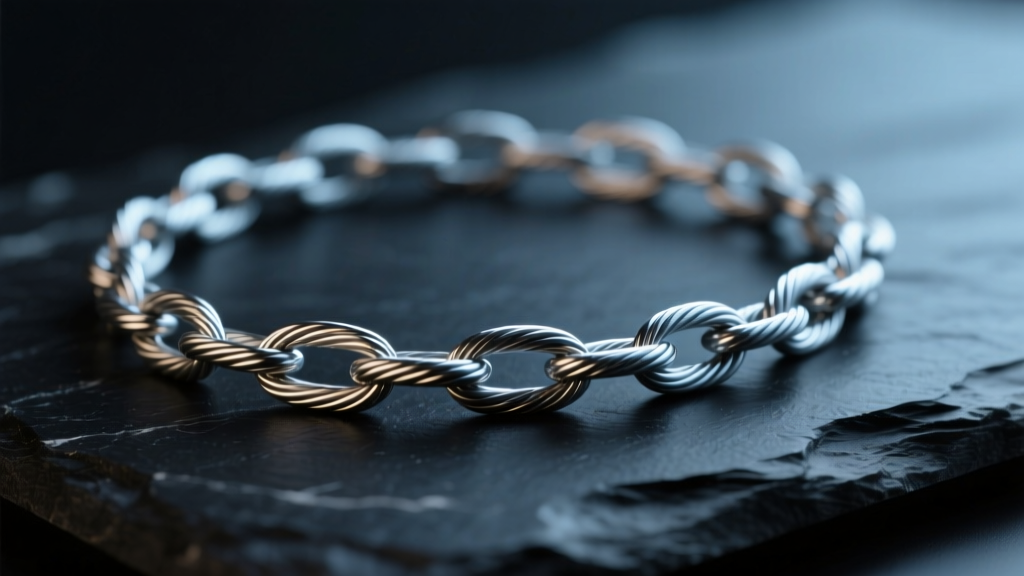
When searching for the perfect light necklace, most shoppers focus solely on chain thickness or pendant size. However, true all-day comfort is dictated by material science—specifically, the density and structural geometry of the metals and composites used. A delicate-looking 14k gold chain can feel surprisingly heavy and cause neck fatigue, while a visually substantial titanium or carbon fiber piece can feel virtually weightless.
In this comprehensive guide, we break down the metallurgy, specific gravity, and failure modes of the lightest jewelry materials on the market, helping you choose a light necklace that balances featherweight comfort with lifelong durability.
The Science of Necklace Weight: Specific Gravity Explained
In jewelry manufacturing, weight is determined by specific gravity (SG)—the ratio of a material's density compared to water. The higher the SG, the heavier the necklace will feel against your collarbone, regardless of how thin the chain is forged. According to data from Hoover & Strong Refiners, traditional precious metals are remarkably dense.
| Material | Specific Gravity (SG) | Relative Weight Feel |
|---|---|---|
| Carbon Fiber Composite | 1.55 - 1.60 | Ultra-Light (Floats on water) |
| Aluminum (Alloy 6061) | 2.70 | Featherlight |
| Titanium (Grade 5) | 4.43 | Lightweight |
| Stainless Steel (316L) | 8.00 | Medium-Heavy |
| 14k Yellow Gold | 13.50 | Heavy |
| Platinum (950) | 21.45 | Extremely Heavy |
As the table illustrates, a solid 14k gold chain is roughly five times heavier than a carbon fiber chain of the exact same dimensions. If your primary goal is a light necklace for 24/7 wear, you must look beyond traditional precious metals or explore specialized construction techniques.
Top Materials for a Featherlight Necklace
Titanium: The Hypoallergenic Powerhouse
Titanium is the gold standard for lightweight, durable jewelry. However, not all titanium is created equal. Grade 2 Commercially Pure (CP) Titanium is softer and easier to polish but prone to scratching. For a light necklace that will not stretch or snap, look for Grade 5 Titanium (Ti-6Al-4V). This aerospace-grade alloy is four times stronger than Grade 2, allowing jewelers to mill exceptionally thin, lightweight links that maintain immense tensile strength. Furthermore, titanium is entirely nickel-free, making it a top recommendation by the Gemological Institute of America (GIA) for sensitive skin.
Aluminum: The Budget Ultra-Light
With an SG of just 2.70, aluminum offers an incredibly light necklace experience at a fraction of the cost of titanium. Anodized aluminum can be dyed in vibrant, fade-resistant colors. The Trade-Off: Aluminum has low tensile strength and a Mohs hardness of just 2.5 to 3. Over time, the friction between links will cause an aluminum chain to stretch, especially if paired with a heavy pendant. Pro Tip: Never hang a pendant heavier than 5 grams on a standard aluminum cable chain.
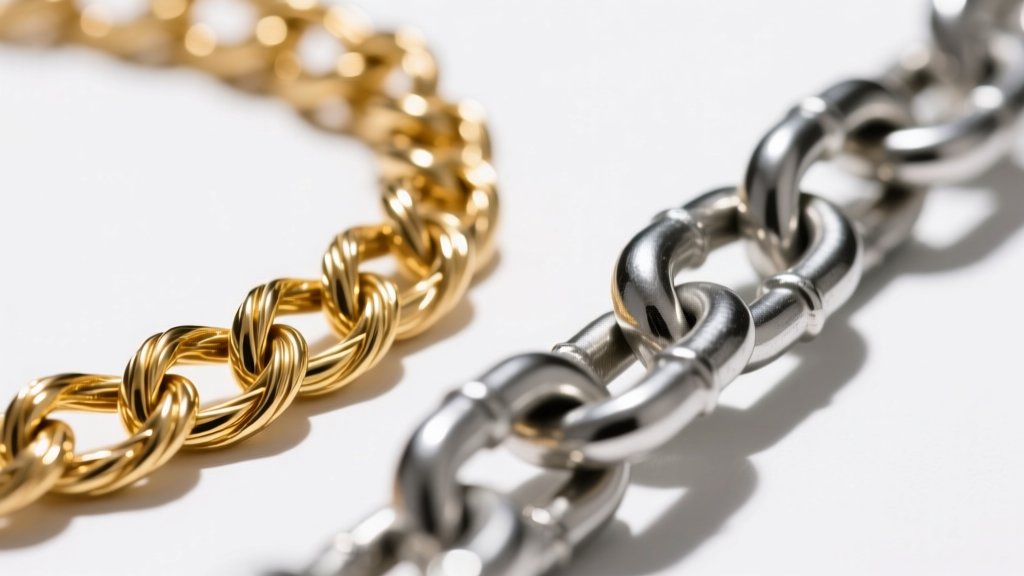
Carbon Fiber: The Modern Marvel
Carbon fiber composites boast an SG of roughly 1.6, meaning they are technically light enough to float. Woven carbon fiber sheets encased in medical-grade resin create a striking, matte-black aesthetic that is completely impervious to tarnish, sweat, and water. Because it is a composite rather than a malleable metal, carbon fiber chains are often constructed with interlocking geometric plates or titanium hinge-cores rather than traditional drawn wire.
The Traditional Compromise: Hollow and Electroformed Gold
If you refuse to compromise on the prestige and warm luster of real gold, the industry solution is the hollow gold chain. These are manufactured using a process called electroforming, where gold is deposited over a wax or resin mandrel, which is subsequently melted or burned out, leaving a hollow gold shell.
Warning: While electroformed gold chains look identical to solid gold and weigh up to 70% less, their structural integrity is severely compromised. The gold walls are often less than 0.2mm thick. Sleeping in a hollow gold chain or catching it on clothing will result in irreversible crushing and kinking that cannot be repaired by a standard jeweler.
Chain Geometry: How Link Style Dictates Weight
Even within the same material, the physical architecture of the chain drastically alters its weight and drape. When designing or buying a light necklace, consider the following link geometries:
- Cable & Box Chains: The lightest traditional options. Their simple, open-link structures use the least amount of raw wire per inch.
- Mariner (Anchor) Chains: Moderate weight. The crossbar in the center of each oval link adds structural rigidity but increases overall mass.
- Snake & Herringbone Chains: The heaviest profiles. These consist of tightly interlocking, flush-mounted bands that leave zero empty space, resulting in a dense, fluid, but surprisingly heavy drape even in lightweight metals like titanium.
Durability vs. Weight: The Decision Matrix
Choosing the right light necklace requires balancing your desire for weightlessness with your lifestyle's demand for durability. Use this matrix to find your ideal match:
| Material | Weight Profile | Tensile Strength | Scratch Resistance | Best Use Case |
|---|---|---|---|---|
| Grade 5 Titanium | Light | Exceptional | High | Active lifestyles, 24/7 wear, heavy pendants |
| Carbon Fiber | Ultra-Light | High (Rigid) | Exceptional | Statement pieces, modern minimalist aesthetics |
| Anodized Aluminum | Featherlight | Low | Low | Occasional wear, fashion jewelry, lightweight pendants |
| Hollow 14k Gold | Light (for Gold) | Very Low | Medium | Special occasions, careful desk-to-dinner wear |
Maintenance and Care for Lightweight Metals
Lightweight materials require specific care routines to prevent catastrophic failure. Never use ultrasonic cleaners on hollow gold or aluminum chains; the high-frequency vibrations can shake loose delicate solder joints or cause micro-fractures in thin-walled electroformed links. Instead, clean your light necklace using a few drops of mild dish soap, warm water, and a soft-bristled baby toothbrush. For titanium and carbon fiber, a simple wipe-down with a microfiber cloth and isopropyl alcohol will safely remove body oils and restore the factory finish without risking structural damage.
Ultimately, the perfect light necklace is an intersection of advanced metallurgy and smart design. By prioritizing low specific gravity materials like Grade 5 titanium or carbon fiber, and pairing them with open-link geometries, you can achieve a luxurious, substantial look that feels like absolutely nothing at all.


