Protecting Necklace Meaning: Care & Cleaning Heirloom Pendants
Learn to safely clean and store sentimental jewelry. Discover expert care tips to preserve your necklace meaning, from vintage lockets to evil eye pendants.

The Intersection of Sentiment and Material Science
When we discuss necklace meaning, we are rarely talking about mere carat weights or metal purities. The true value of a sentimental pendant—whether it is a generational locket, a protective evil eye amulet, or a porous birthstone gifted by a loved one—lies in its emotional and symbolic resonance. However, preserving this necklace meaning requires a deep understanding of material science. Standard commercial jewelry cleaning methods can easily destroy the delicate components that give these heirlooms their significance.
A $50 silver pendant might be financially modest but emotionally irreplaceable. Yet, many well-intentioned owners accidentally ruin these pieces by using harsh chemical dips or ultrasonic cleaners. To protect the physical vessel of your sentimental jewelry, you must adopt a conservationist mindset, treating your daily wearables with the same care a museum archivist would apply to historical artifacts.
Material-Specific Care for Symbolic Pendants
Vintage Lockets and Guilloché Enamel
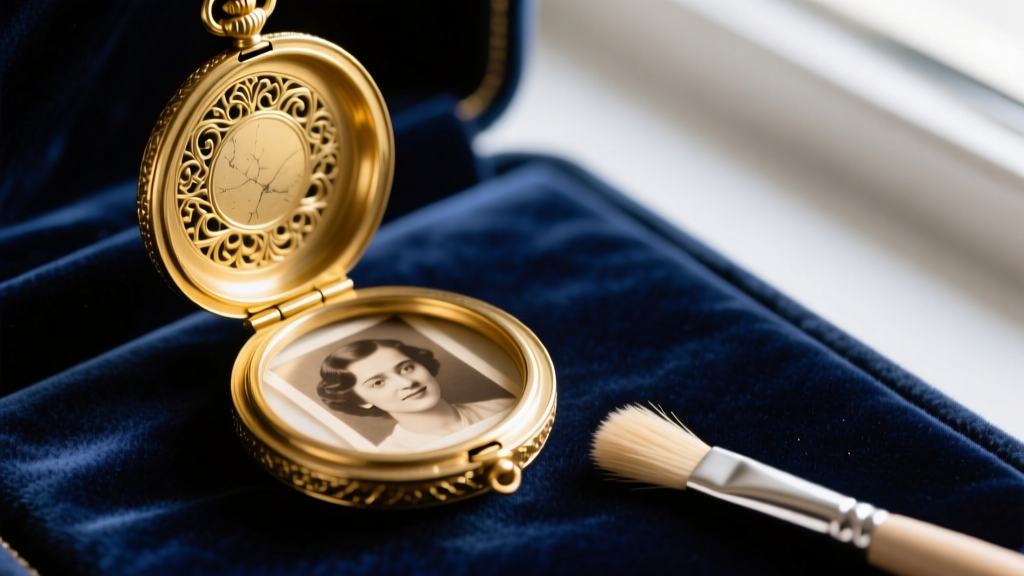
Lockets are the ultimate physical manifestation of necklace meaning, designed to hold photographs, hair, or ashes. Many antique lockets (circa 1890–1940) feature guilloché enamel—a technique where translucent enamel is fired over engine-turned, geometrically grooved metal. Failure Mode: Submerging a guilloché locket in commercial silver dip or placing it in a 40kHz ultrasonic cleaner will cause the enamel to fracture, cloud, or flake off entirely due to high-frequency vibrations and acidic corrosion.
Expert Protocol: Clean the exterior of enamel lockets using only a dry, soft-bristled makeup brush to dislodge dust from the crevices. If the metal framework requires polishing, apply a microscopic amount of non-abrasive jeweler's rouge to a cotton swab, carefully avoiding the enamel. For the hinge, never use household lubricants like WD-40, which contain solvents that degrade internal paper photos. Instead, use a 0.8mm jeweler's oiler to apply a single drop of synthetic watch oil (such as Moebius 9010) to the hinge pin.
The Evil Eye (Nazar) and Layered Glass
The Nazar bead, traditionally crafted from layered cobalt blue, white, and black glass, is worn to absorb negative energy. Physically, however, it absorbs skin oils, lotions, and environmental pollutants. Because these beads are made of fused glass layers with slightly different thermal expansion rates, sudden temperature changes are catastrophic.
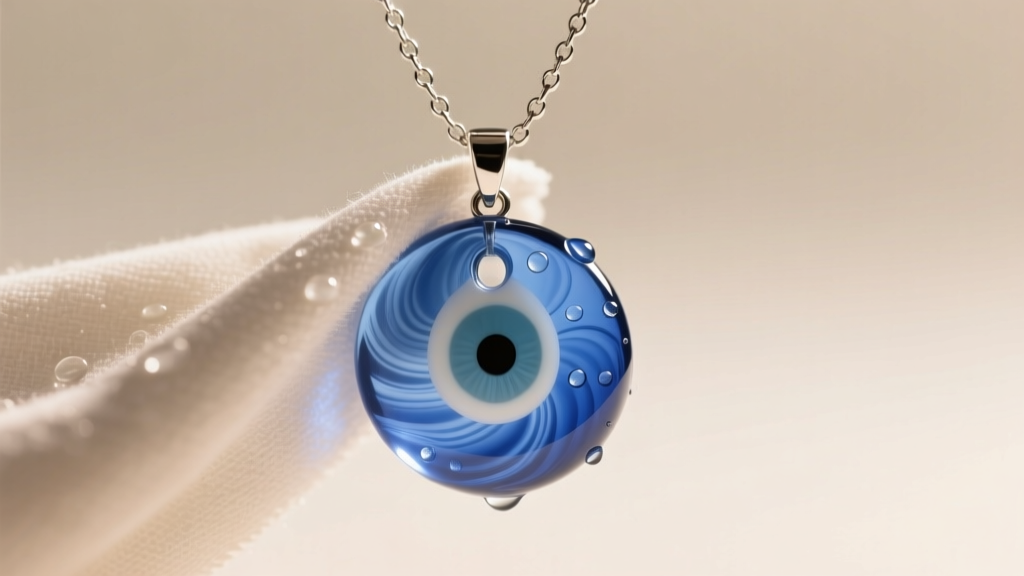
Failure Mode: Using a steam cleaner or hot water will cause the glass layers to delaminate or crack. Furthermore, alcohol-based cleaners will degrade the epoxy resin often used to secure the glass bead into its metal bezel setting.
Expert Protocol: Wipe the glass gently with a microfiber cloth lightly dampened with distilled water. Dry immediately. If the silver setting tarnishes, polish the metal with a treated cloth (like a Sunshine cloth) while strictly avoiding contact with the glass eye.
Porous Birthstones and Organic Gems
Birthstone necklaces carry deep personal meaning, but stones like turquoise, opals, and pearls are highly vulnerable. According to the Gemological Institute of America (GIA), pearls rank at just 2.5 on the Mohs hardness scale and are highly sensitive to acids. Turquoise (Mohs 5-6) is porous and will absorb oils, permanently darkening or changing color.
Expert Protocol: Never submerge porous stones. Wipe pearls with a damp cloth after every wear to remove acidic sweat, which dissolves the nacre over time. The American Gem Society strongly advises against using ammonia or ultrasonic cleaners on any organic or porous gemstone. If your pearl necklace is strung on silk, have it professionally re-strung every 1 to 2 years if worn weekly, as silk stretches and degrades from skin oils.
The Ultimate Cleaning Protocol for Heirloom Necklaces
For standard precious metal pendants (gold, platinum, and non-porous gemstones like diamonds or sapphires) that hold sentimental value, follow this safe, step-by-step conservation protocol:
- Step 1: Dry Dusting. Use a clean, soft hake brush (traditionally used in photography conservation) to remove loose abrasive dust before applying any moisture.
- Step 2: The Distilled Bath. Mix a few drops of pH-neutral, ammonia-free dish soap (like original Dawn) into a bowl of distilled water. Tap water contains chlorine and hard minerals that can cause micro-abrasions on high-polish gold.
- Step 3: Gentle Agitation. Soak the metal pendant (excluding any porous stones or glued components) for 3–5 minutes. Gently agitate with a baby toothbrush, brushing in one direction to avoid cross-hatching the metal.
- Step 4: Rinsing and Drying. Rinse under a slow stream of distilled water. Pat dry with a lint-free microfiber cloth and allow to air dry completely in a low-humidity environment before storing.
Cleaning Methods by Symbolic Material
Use this reference chart to ensure your cleaning method aligns with the material properties of your symbolic jewelry.
| Material | Symbolic Meaning | Safe Cleaning Agent | Tools to Strictly Avoid |
|---|---|---|---|
| Guilloché Enamel | Romantic / Heirloom | Dry microfiber / Soft brush | Ultrasonic, Silver Dip, Steam |
| Layered Glass | Protection (Nazar) | Distilled water only | Alcohol, Ammonia, Hot Water |
| Natural Pearl | Purity / Birthstone | Damp cloth (no soap) | Ultrasonic, Steam, Acids |
| Oxidized Silver | Antique / Gothic | Mild soap, quick rinse | Baking soda, Polishing cloths |
| Turquoise | Healing / Wisdom | Dry, soft cotton cloth | Water, Oils, Chemical dips |
Storage: Protecting the Physical and Emotional Value
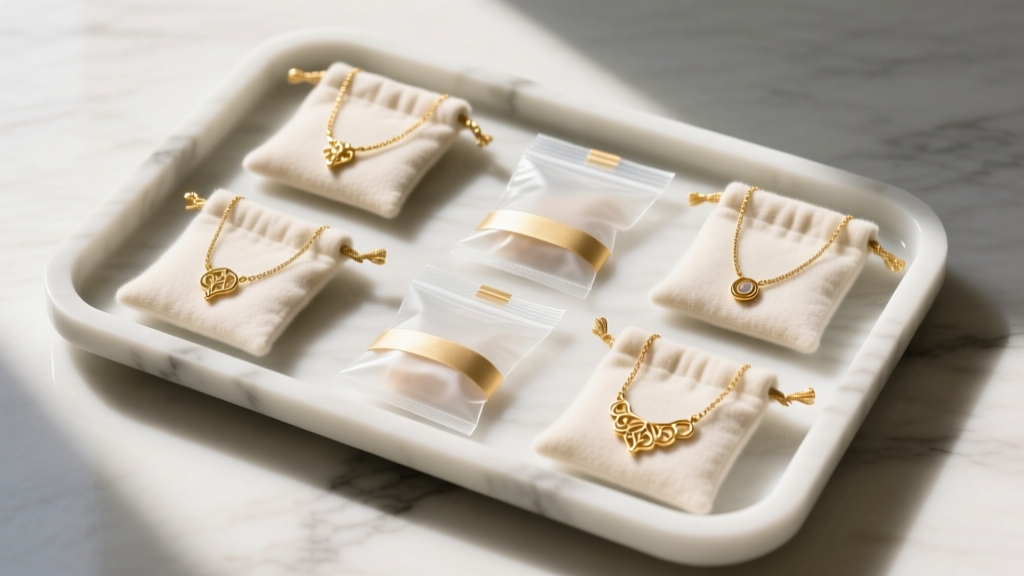
Preserving your necklace meaning extends far beyond the cleaning process; improper storage is the silent killer of heirloom jewelry. Tarnish on silver is not dirt—it is a chemical reaction between the silver alloy and sulfur compounds in the air. To halt this reaction, store your sentimental pendants in individual, unbleached cotton flannel pouches or polyethylene zip bags.
Include a 3M anti-tarnish strip or Pacific Silvercloth in each storage compartment. These strips absorb atmospheric sulfur and must be replaced every 6 months to remain effective. Furthermore, keep symbolic gemstones like amethyst, kunzite, and rose quartz away from direct UV light and prolonged sunlight, which will cause their delicate crystal lattice colors to fade irreversibly over time. By mastering these material-specific care techniques, you ensure that the physical beauty of your jewelry endures just as long as the profound necklace meaning it represents.


