The Joan Rivers Heart Necklace: A Beginner's Style Guide
Discover how to identify, style, and value vintage Joan Rivers heart necklaces. Expert tips on materials, authentication, and pricing for collectors.

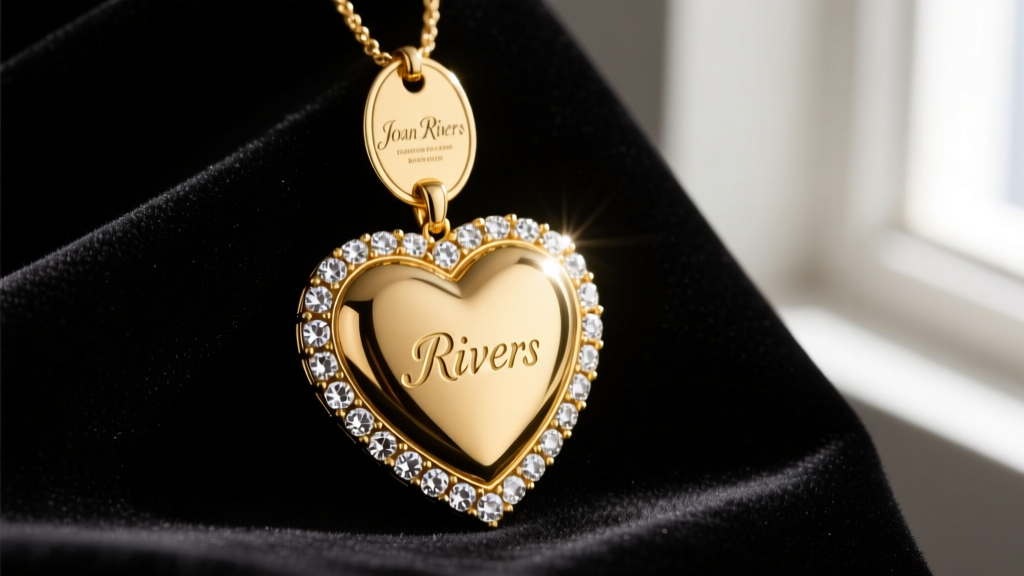
The Legacy of the Joan Rivers Heart Necklace
When discussing iconic vintage costume jewelry, the Joan Rivers heart necklace stands out as a quintessential piece of 1990s and 2000s fashion history. While Joan Rivers is globally remembered for her razor-sharp comedy, she was also a passionate, highly knowledgeable collector of fine jewelry. Her personal collection included rare Fabergé eggs and bespoke Cartier pieces. In 1993, she leveraged this expertise to launch her own jewelry line on QVC, translating high-end historical designs into accessible, meticulously crafted costume jewelry.
The heart motif was a recurring theme in her collections, symbolizing romance, Victorian sentimentality, and bold glamour. Unlike flimsy fast-fashion accessories, Rivers demanded that her pieces possess the weight, sparkle, and structural integrity of fine jewelry. For beginners entering the vintage market, understanding the nuances of her heart pendants is the first step toward building a valuable, stylish collection. According to Christie's, who auctioned her personal estate, her eye for design and historical reproduction left a lasting mark on the costume jewelry industry.
Anatomy of a Vintage Joan Rivers Heart Pendant
To appreciate a Joan Rivers heart necklace, you must look past the surface sparkle and examine the construction. Rivers famously despised "lightweight" jewelry. Her pieces were designed to drape heavily and catch the light from every angle. Here is a breakdown of the materials and construction methods typically found in her heart-themed pendants:
| Component | Typical Material | Expert Insight & Quality Indicator |
|---|---|---|
| Base Metal | Brass or Zinc Alloy | Provides a substantial, fine-jewelry weight. Prone to oxidation if the outer plating is compromised. |
| Plating | 14k/18k Gold Vermeil or Rhodium | Vermeil is significantly thicker than standard flash-plating, offering years of wear before base metal shows. |
| Crystals | Austrian Crystal & Glass Cabochons | Often foil-backed and hand-set in prongs rather than glued, maximizing the refractive index to mimic diamonds. |
| Clasps & Findings | Fold-over or Lobster Claw | Early 90s pieces frequently used fold-over clasps; later iterations adopted sturdy lobster claws with extender chains. |
The use of Austrian crystals was a hallmark of her brand. These precision-cut crystals offer a brilliance that rivals Swarovski, and when set in a pavé arrangement across a heart-shaped pendant, they create a continuous field of light. The prong-setting technique, rather than simple adhesive, is a major reason why so many of these necklaces survive in excellent condition today.
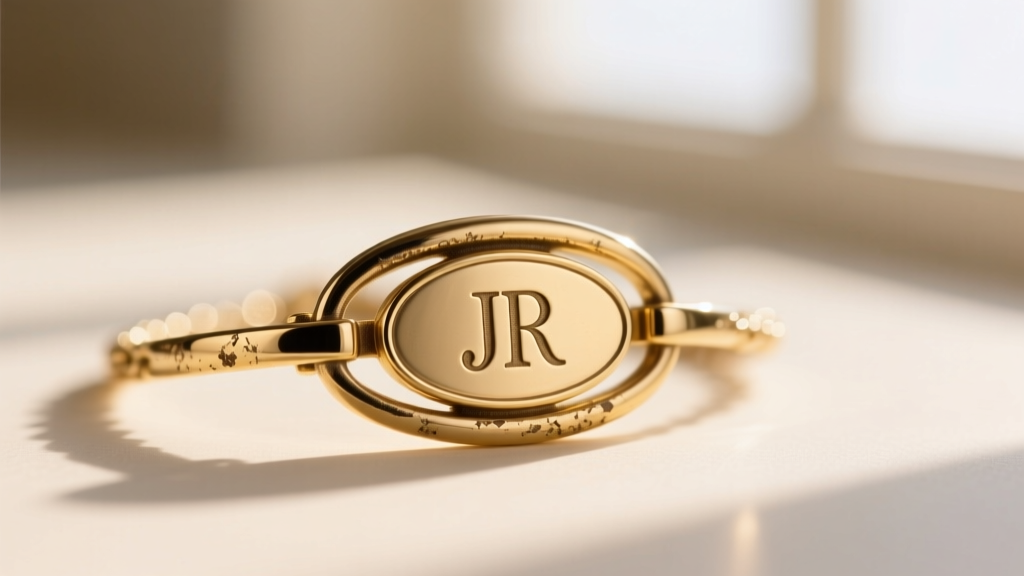
Authentication: Spotting the Real Deal
As the secondary market for vintage costume jewelry booms, so does the presence of counterfeit or misattributed pieces. Authenticating a Joan Rivers heart necklace requires a keen eye for specific hallmarks. The most critical indicator is the signature hangtag. Most authentic pieces feature a small, oval metal tag attached near the clasp, engraved with the "Joan Rivers" script font.
However, beginners should note that very early pieces from her initial QVC runs, or specific limited-edition collections, might feature a different hallmark, such as a stamped "JR" or a copyright symbol (©) directly on the back of the pendant. As noted in Invaluable's vintage jewelry guide, maker's marks evolved over the decades, so the absence of an oval tag does not automatically mean a piece is fake, provided the weight, crystal quality, and clasp hardware align with her brand's manufacturing standards.
Common Failure Modes & Troubleshooting
Buying vintage means accepting a certain level of wear. When evaluating a Joan Rivers heart necklace, inspect it for these specific failure modes:
- Foil-Back Degradation: Many Austrian crystals rely on a foil backing to reflect light. If the necklace has been exposed to moisture, the foil can oxidize, turning the stone black or dull. This is irreversible and significantly drops the value.
- Prong Snagging: Because the stones are prong-set, check the metal claws holding the crystals. If a prong is lifted, the stone is at risk of falling out. A jeweler can easily push the prong back down with a bezel pusher tool.
- Vermeil Rub-Through: Check the back of the heart pendant where it rests against the skin. Friction and body oils can wear away the gold vermeil, exposing the brassy base metal beneath.
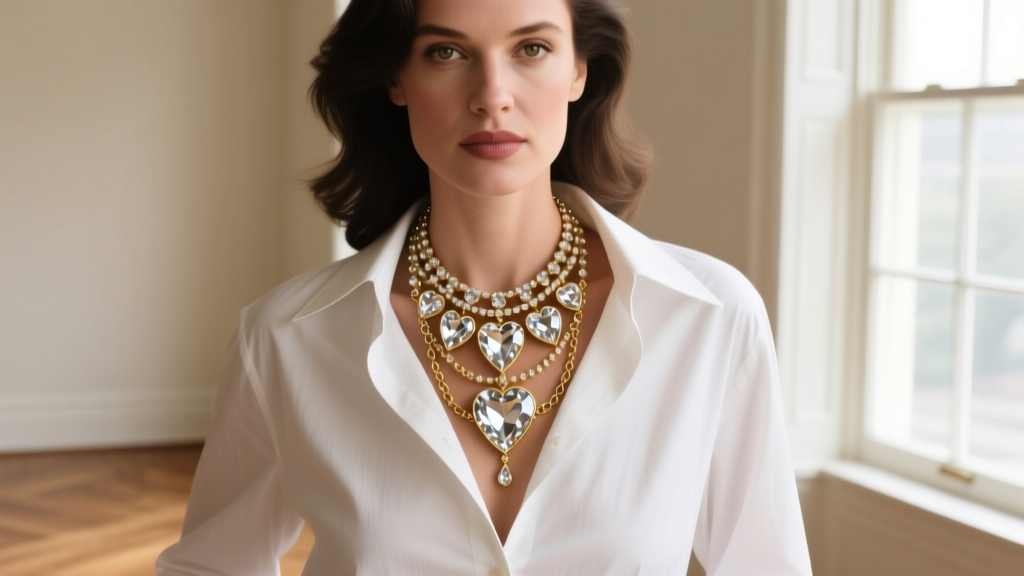
Styling Your Heart Necklace for Modern Wardrobes
The maximalist aesthetic of the 1990s has evolved, but the Joan Rivers heart necklace remains remarkably versatile. The key to styling vintage costume jewelry today is juxtaposition. Because the pendant is inherently bold and heavily crystallized, it pairs beautifully with structured, minimalist clothing.
For a modern office look, layer a 24-inch Joan Rivers gold-tone crystal heart necklace over a crisp, oversized white button-down shirt. The deep V created by the unbuttoned collar frames the pendant perfectly, allowing the vintage gold and sparkling crystals to pop against the matte cotton. Alternatively, for evening wear, pair a shorter 18-inch choker-style heart pendant with a sleek, black velvet scoop-neck dress. The texture of the velvet absorbs light, forcing all attention onto the refractive brilliance of the Austrian crystals.
Collector’s Pricing Guide & Market Value
The market for Joan Rivers jewelry is highly active, with prices varying wildly based on rarity, condition, and the specific collection the heart pendant belongs to. Here is a general pricing framework for the current vintage market:
- Tier 1: Enamel & Simple Metal Hearts ($30 - $55) These pieces feature opaque enamel fills (often red or black) or simple textured gold-tone metal without extensive crystal work. They are great entry-level pieces for beginners.
- Tier 2: Crystal Pavé & Faux Pearl Hearts ($65 - $130) The most common and sought-after tier. These feature fully paved Austrian crystals, sometimes accented with faux pearls or ruby-colored glass cabochons in the center of the heart.
- Tier 3: Rare & Limited Edition ($150 - $350+) Pieces from her highly coveted "Russian Collection" or intricate Victorian-revival lockets shaped like hearts with detailed enamel portraiture or guilloché work command premium prices at auction and on specialized vintage platforms.
Care and Maintenance for Costume Crystals
Never use ultrasonic cleaners, silver dip, or harsh chemical polishes on a Joan Rivers heart necklace. The vibrations can shake loose the adhesive securing the foil backs, and chemicals will strip the gold vermeil plating instantly. Instead, use a dry, ultra-soft microfiber cloth to gently buff the crystals after each wear to remove skin oils. Store the necklace flat in a velvet-lined box with anti-tarnish silica packets to prevent the base metal from oxidizing and expanding, which can push the crystals out of their settings.
"Joan Rivers didn't just wear jewelry; she studied it. Her heart necklaces are a testament to her belief that every woman deserves to wear pieces that feel substantial, romantic, and unapologetically glamorous."


