Juicy Couture Chunky Necklace: 2026 Hardware & Authentication Guide
An expert technical breakdown of the Juicy Couture chunky necklace, covering alloy composition, clasp mechanics, authentication, and 2026 market values.

The Anatomy of a Y2K Icon: Material Composition and Weight
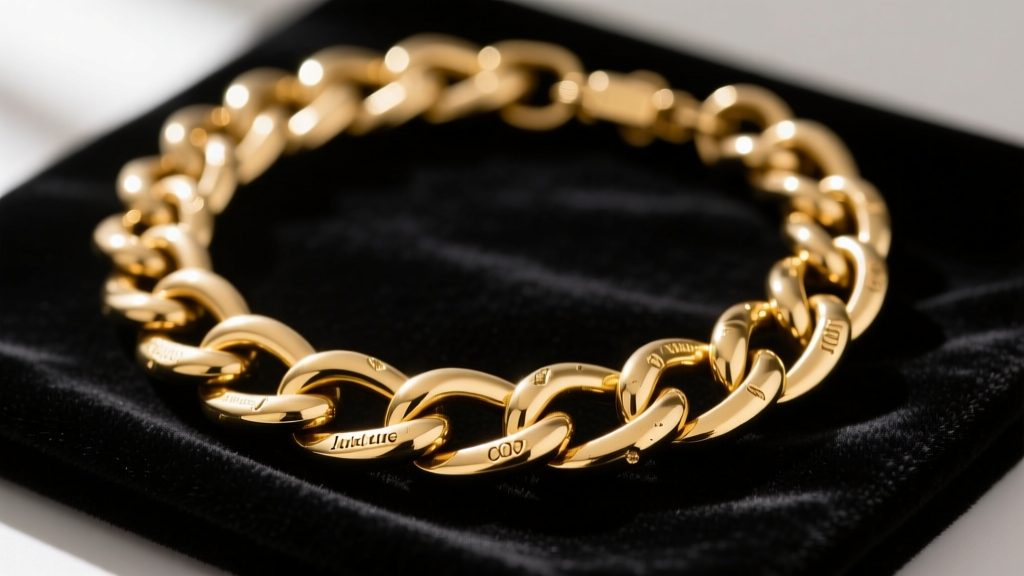
When evaluating a juicy couture chunky necklace, the first metric an authenticator checks is mass and metallurgical composition. During the brand's initial heyday (2001–2008), the iconic oversized chains and heart pendants were primarily cast from Zamak—a zinc alloy comprised of zinc, aluminum, magnesium, and copper. Zamak was chosen for its excellent fluidity in die-casting, allowing for the intricate, bubbly link designs and detailed pavé settings that defined the brand's maximalist aesthetic. However, Zamak is inherently porous, requiring a barrier layer of copper or nickel before the final flash-plating of 14k gold-tone or rhodium.
The most reliable physical indicator of authenticity is weight. A genuine vintage Juicy Couture chunky chain necklace with a standard heart pendant typically weighs between 95 grams and 145 grams. The density of the solid cast alloy gives the piece a distinct, heavy drape that is nearly impossible to replicate cheaply. In contrast, counterfeit versions produced for the fast-fashion market often utilize hollow aluminum or resin-filled links, resulting in a suspiciously light piece that rarely exceeds 45 grams. As the Y2K archival market matures in 2026, collectors use precision digital scales as their first line of defense against sophisticated fakes.
Hardware Deep Dive: Clasp Mechanics and Failure Modes
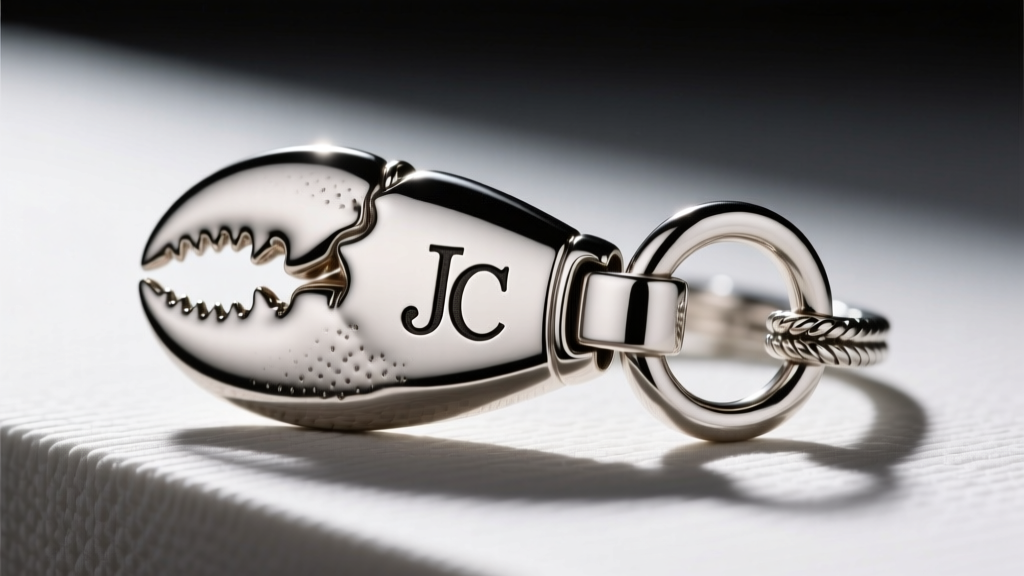
The hardware on a heavy statement piece is its most critical point of failure. The tension and sheer kinetic energy of a 140-gram chain swinging against the collarbone place immense stress on the terminal jump rings and the clasp spring. Vintage Juicy Couture pieces were typically fitted with heavy-duty lobster clasps featuring a stamped 'JC' or 'Juicy' hallmark on the lever. The jump rings connecting the clasp to the chain were usually 14-gauge (approximately 1.6mm thick).
Tensile Stress and Link Ovalization
A common failure mode in well-loved vintage pieces is 'ovalization'—the stretching of the circular jump rings into an oval shape due to the constant downward pull of the heavy Zamak links. When inspecting a potential purchase, examine the jump ring adjacent to the lobster clasp. If the gap in the ring has widened beyond 0.5mm, the structural integrity is compromised, and the necklace is at high risk of snapping during wear. Modern 2026 reissues and high-end archival restorations often upgrade these connection points to 12-gauge (2.0mm) soldered jump rings to eliminate this exact failure point.
Authentication Matrix: Vintage vs. 2026 Reissues vs. Counterfeits
With the resurgence of Y2K fashion, the market is flooded with both official brand reissues and unauthorized replicas. Below is a technical comparison matrix to help collectors and stylists accurately identify the origin of a juicy couture chunky necklace.
| Feature | Vintage (2001-2008) | 2026 Official Reissue | Counterfeit / Replica |
|---|---|---|---|
| Base Metal | Cast Zamak (Zinc Alloy) | Recycled Brass / Zamak Blend | Hollow Aluminum or Resin |
| Total Weight | 95g - 145g | 85g - 120g | 30g - 55g |
| Rhinestones | Foil-backed Acrylic | Precision-cut Glass | Glued-in Plastic (No Prongs) |
| Hallmark | Stamped 'JC' on clasp lever | Laser-etched on extended tag | Missing, or poorly cast blur |
| Plating | Flash-plated (prone to wear) | PVD Coated (highly durable) | Spray-painted or thin dip |
Gemology of the 'Juicy' Stones: Acrylic vs. Glass
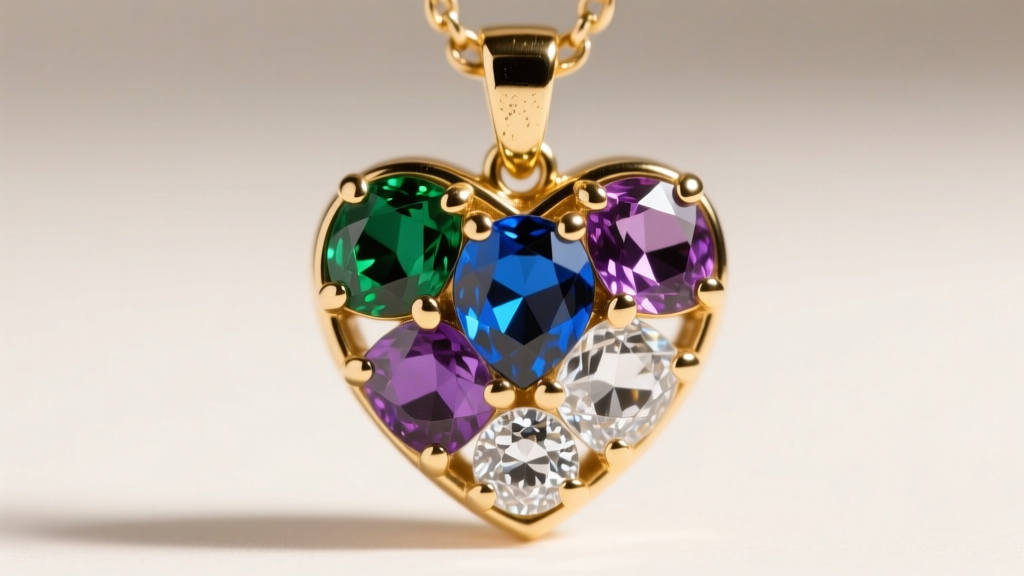
The pavé heart pendants and rhinestone-encrusted links are signature elements of the brand's jewelry line. According to gemological principles outlined by the Gemological Institute of America (GIA), differentiating between vintage acrylic rhinestones and modern glass alternatives requires an understanding of refractive indices and thermal conductivity. Vintage Juicy Couture pieces almost exclusively used high-quality, foil-backed acrylic stones. Acrylic has a refractive index of approximately 1.49 and feels warm to the touch.
In contrast, official 2026 reissues and high-tier counterfeits often use glass or crystal, which has a higher refractive index (1.52+) and feels distinctly cold when placed against the skin or lip. Furthermore, authentic vintage stones are secured using four-prong metal settings that are mechanically bent over the stone's girdle. Fakes frequently rely on industrial adhesives to hold plastic stones in place, which can be identified by examining the setting under a 10x jeweler's loupe for visible glue residue or lack of metal prongs.
Restoration and Maintenance Protocols
Maintaining a vintage juicy couture chunky necklace requires specialized care, primarily due to the fragility of the foil backing on the acrylic rhinestones. The most catastrophic mistake a collector can make is placing these pieces in an ultrasonic jewelry cleaner. The high-frequency acoustic cavitation will instantly shatter the delicate metallic foil backing the stones, resulting in the 'dead stone' effect—where the rhinestone loses its sparkle and turns opaque, gray, or black.
For safe cleaning, use a solution of mild, phosphate-free dish soap and distilled water. Gently agitate the surface with a soft-bristled baby toothbrush, taking care not to snag the prongs. Dry immediately with a microfiber cloth to prevent water spots on the Zamak base. If the gold-tone plating has worn away to reveal the dull gray zinc alloy beneath, professional electroplating is required. However, the piece must be completely stripped and the stones removed or masked, as the plating salts will permanently cloud the acrylic. For everyday storage, keep the necklace in an anti-tarnish flannel bag with silica gel packets to mitigate oxidation caused by ambient humidity and skin pH acids.
Market Valuation and Sourcing in 2026
As noted by industry analysts at The Business of Fashion, the archival jewelry market has seen a massive stabilization, with Y2K statement pieces holding their value exceptionally well. In 2026, a pristine, heavy-weight vintage Juicy Couture chunky chain with the iconic pavé heart pendant commands between $180 and $350 on specialized archival platforms, depending on the condition of the plating and the completeness of the original foil backing on the stones. Pieces featuring rare colorways, such as the original aurora borealis (AB) or jet hematite stones, can push past the $500 mark among dedicated collectors.
When sourcing, avoid generalized fast-fashion resale apps where authentication is lax. Instead, rely on vetted vintage jewelry dealers who provide macro-photography of the clasp hallmarks, jump ring thickness, and stone prongs. Understanding the metallurgical and gemological realities of these pieces transforms the buying process from a gamble into a precise, expert-level acquisition.
'The true value of a Y2K archival piece lies not just in the logo, but in the heavy, unapologetic materiality of its construction—a stark contrast to the lightweight, hollow jewelry produced in today's fast-fashion cycles.'


