Julia Roberts Re-Wears Pink Dress And Accessorizes With Expensive Necklace
Discover how Julia Roberts re-wears her pink dress and accessorizes with an expensive necklace. Learn beginner tips for styling high jewelry.

The Celebrity Blueprint: Why High Jewelry Elevates Re-Worn Fashion
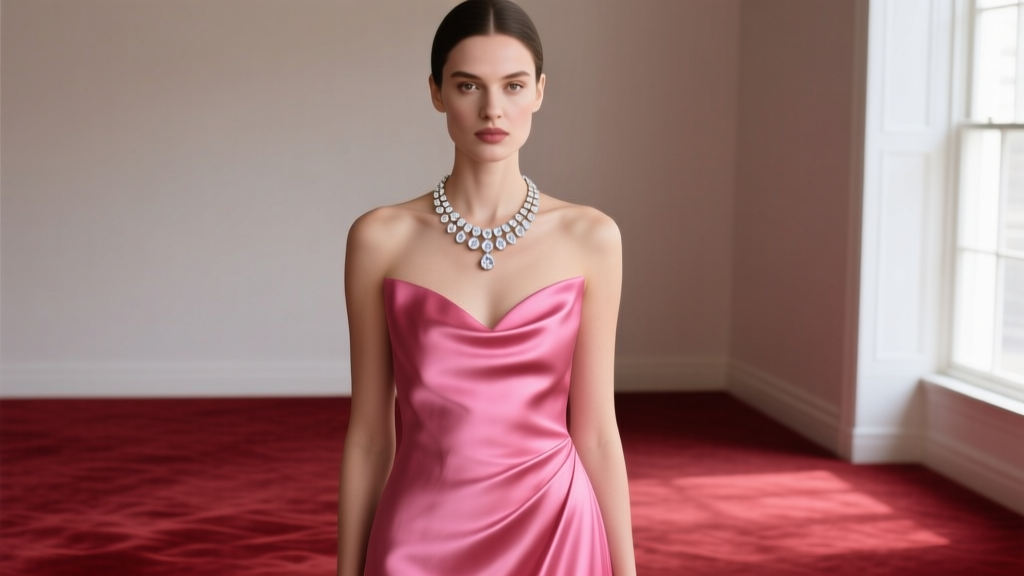
The recent viral headline noting how Julia Roberts re-wears pink dress and accessorizes with expensive necklace designs captures a pivotal shift in modern 2026 red-carpet styling. For decades, the unspoken rule of high-profile events was to never repeat a gown. Today, sustainability and archival fashion have rewritten that rule. The true masterclass here isn't just about re-wearing a stunning pink silk gown; it is about using high jewelry to completely transform the garment's visual impact. For beginners looking to understand the mechanics of luxury styling, this approach offers a perfect blueprint: invest in foundational, high-quality garments and let investment-grade necklaces dictate the mood, era, and formality of the look.
When styling a bold color like fuchsia or blush pink, the necklace must possess enough optical weight and material brilliance to avoid being swallowed by the fabric. This requires a deep understanding of what actually constitutes an "expensive" or high jewelry necklace, moving beyond commercial mall brands into the realm of archival and haute joaillerie pieces.
Decoding the Investment: What Makes a Necklace Truly "Expensive"?
To the untrained eye, a $2,000 diamond pendant and a $150,000 diamond rivière necklace might look similar from a distance. However, the chasm in pricing is driven by strict gemological standards, metal purity, and master craftsmanship. According to the Gemological Institute of America (GIA), high jewelry relies on the top 2% of all mined gemstones.
The 4Cs in High Jewelry Context
- Color: Investment necklaces exclusively use diamonds in the D, E, or F (Colorless) range. Any hint of yellow or brown destroys the icy brilliance required to pop against vibrant pink silk.
- Clarity: Stones are typically VVS1 to VS2. Inclusions must be invisible to the naked eye and, more importantly, must not compromise the structural integrity of the stone when set in delicate platinum prongs.
- Cut: High jewelry houses demand "Excellent" or "Ideal" cut grades, ensuring maximum light return. A poorly cut 3-carat diamond will look smaller and duller than a perfectly cut 2-carat stone.
- Carat Weight: While total carat weight matters, the matching of stones across a 40-stone necklace is what drives the price into the hundreds of thousands. Finding 40 diamonds with identical fluorescence, color, and cut is a logistical marvel.
High Jewelry Material & Pricing Tiers
| Tier | Materials & Purity | Typical Price Range | Best Use Case |
|---|---|---|---|
| Commercial Fine | 14k Gold (58.5%), SI1-SI2 Diamonds | $2,500 - $15,000 | Everyday luxury, office wear |
| Boutique High | 18k Gold (75%), VS1-VS2 Diamonds | $20,000 - $80,000 | Galas, weddings, milestone events |
| Haute Joaillerie | Platinum 950, D-F VVS Diamonds | $150,000 - $2M+ | Red carpets, archival collecting |
Color Theory: Pairing Metals with Pink Hues
One of the most common mistakes beginners make is ignoring the undertones of their dress when selecting a metal. A pink dress is not just "pink"—it carries specific undertones that dictate which metal will create a harmonious look.
The Metal Matching Matrix
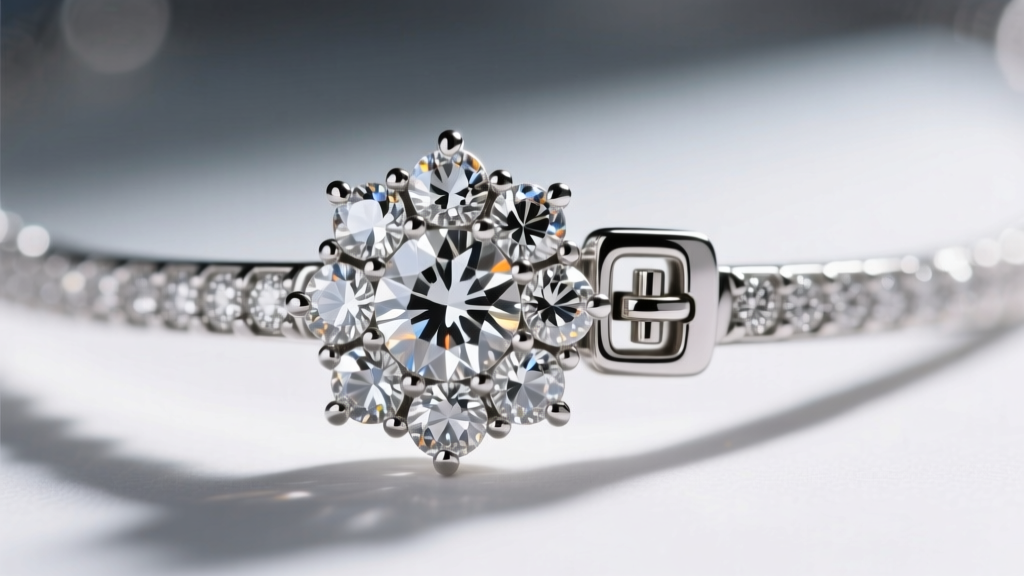
- Hot Pink / Fuchsia (Cool Undertones): Pairs flawlessly with Platinum or 18k White Gold. The icy, rhodium-plated finish of white metals provides a stark, modern contrast that makes the warm pink fabric vibrate visually. This is the exact combination often seen on A-listers.
- Blush / Dusty Rose (Warm/Neutral Undertones): Demands 18k Yellow Gold or Rose Gold. The warmth of the copper alloys in rose gold creates a romantic, monochromatic gradient that feels incredibly cohesive and vintage-inspired.
- Deep Magenta / Berry (Rich Undertones): Can handle high-contrast colored gemstones. Think of an 18k yellow gold necklace featuring deep green Colombian emeralds or royal blue Ceylon sapphires. The color-blocking effect is a hallmark of heritage houses like Bulgari and Cartier.
Neckline Framework: Where Should the Necklace Sit?
A statement necklace can ruin a silhouette if the length clashes with the dress's neckline. As Vogue frequently highlights in their red-carpet breakdowns, the negative space between the jawline and the collarbone is sacred real estate.
"The goal of a high jewelry necklace is not to compete with the dress, but to frame the face and complete the geometry of the neckline. A 16-inch rivière on a sweetheart neckline is a masterclass in proportion." — High Jewelry Stylist
Length Guide for Statement Gowns
- Collar (14-15 inches): Best for high-neck halter gowns or off-the-shoulder architectural dresses. Requires a flexible, multi-strand mesh or a rigid gold collar.
- Choker (16 inches): The universal red-carpet standard. Sits perfectly at the base of the throat, ideal for scoop necks, V-necks, and sweetheart necklines. Leaves exactly two inches of skin between the diamonds and the fabric hem.
- Princess (18 inches): Falls on the upper chest. Best for modest, high-collar pink gowns where the necklace needs to rest on the fabric rather than the skin.
- Matinee (20-24 inches): Rarely used with statement gowns unless it is a specific Y-drop or lariat style designed to elongate the torso.
The Anatomy of Security: High-End Clasps
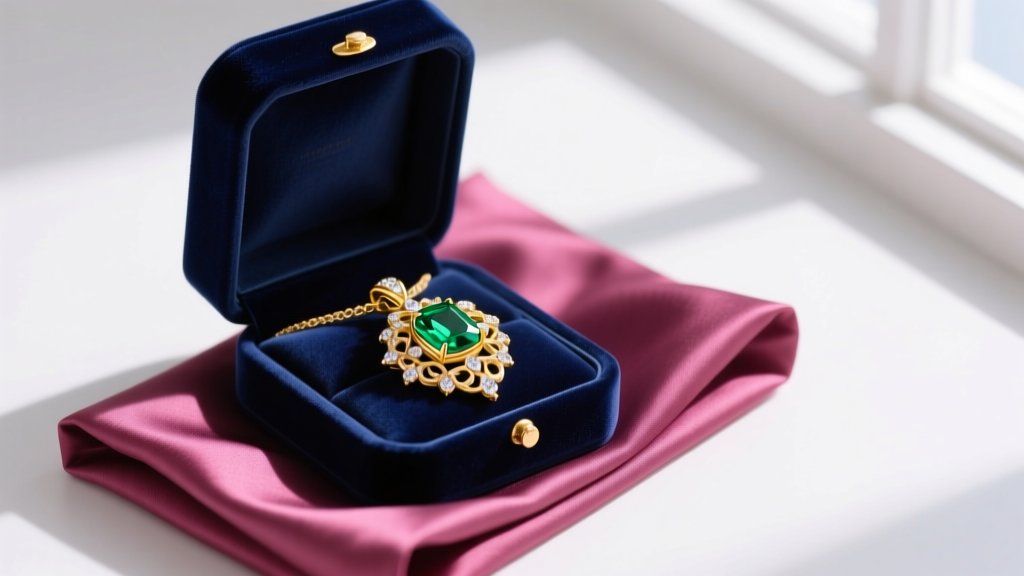
When you invest in a necklace worth the price of a luxury car, the clasp is the most critical component. Commercial jewelry relies on simple lobster clasps or spring rings, which are notorious for failing under the weight of heavy diamonds. High jewelry utilizes the tongue-in-groove box clasp. This mechanism features a V-shaped piece of metal that compresses and slides into a box, snapping securely into place. Furthermore, true investment pieces will feature dual figure-8 safety latches on the exterior of the clasp, ensuring that even if the primary box mechanism is snagged on a silk gown, the necklace remains tethered to the neck.
Protecting Your Investment: Insurance and Care
Styling an expensive necklace is only half the battle; protecting it is paramount. Standard homeowner's or renter's insurance policies typically cap jewelry payouts at a mere $1,500 to $2,500. According to Jewelers of America, any piece exceeding $5,000 must be scheduled as a "Personal Articles Floater" (PAF) or covered by a specialized high-net-worth insurer like Chubb or AIG.
Maintenance Protocol for High Jewelry
- Bi-Annual Prong Checks: Platinum prongs are durable but can bend if caught on heavy lace or silk threading. A master jeweler must inspect the prongs under 10x magnification every six months.
- Ultrasonic Caution: While ultrasonic cleaners are great for plain diamond solitaires, they can shake loose fracture-filled diamonds or damage delicate enamel work often found in vintage high jewelry. Stick to professional steam cleaning or mild dish soap and a soft baby toothbrush.
- Storage: Never store a diamond rivière necklace in a pile with other jewelry. Diamonds are a 10 on the Mohs hardness scale and will effortlessly scratch the 18k gold links or platinum settings of adjacent pieces. Store flat in a suede-lined, individual compartment box.
Final Takeaways for Aspiring Collectors
The moment Julia Roberts re-wears pink dress and accessorizes with expensive necklace staples, she proves that true style is about curation, not constant consumption. By understanding the gemological standards of high jewelry, mastering the color theory between metals and vibrant fabrics, and respecting the engineering of luxury clasps, beginners can elevate their own styling strategies. Whether you are investing in a $20,000 boutique piece or admiring from afar, recognizing the craftsmanship behind these masterpieces transforms how you view the intersection of fashion and fine jewelry.


