Juliette Cross Necklace Materials: A Metallurgy & Style Guide
Compare sterling silver, surgical steel, and gold for your Juliette cross necklace. Discover which metal best preserves intricate filigree details.

The Anatomy of a Juliette Cross Pendant
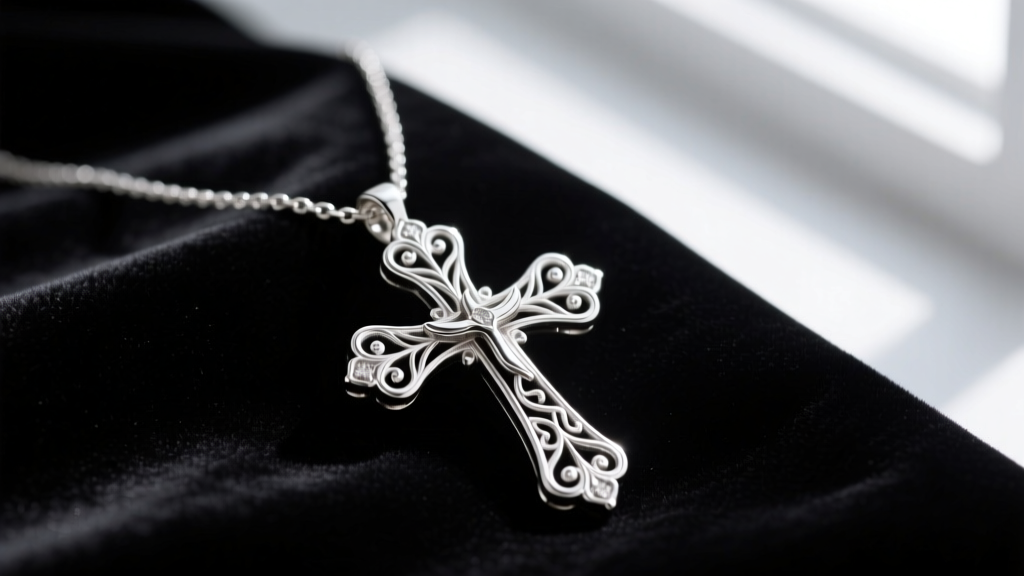
The Juliette cross is not merely a religious symbol; it is a masterclass in romantic, gothic, and Victorian revival jewelry design. Characterized by elongated lower arms, dagger-like or fleur-de-lis terminals, and dense, high-relief filigree scrollwork, this specific pendant style demands exceptional craftsmanship. When shopping for a Juliette cross necklace, the aesthetic appeal is only half the equation. The underlying metallurgy dictates how well those intricate crevices hold their shape, how the metal reacts to your skin's chemistry, and whether the piece will survive daily wear without losing its signature antique charm.
Because the Juliette design relies heavily on deep recesses and sharp, ornate edges to create its dramatic light-and-shadow interplay, the choice of metal is critical. A material that casts poorly or wears down quickly will turn a stunning gothic masterpiece into a blurred, indistinct lump. In this comprehensive guide, we break down the material properties of the most common metals used for Juliette cross necklaces, evaluating them on detail resolution, tarnish resistance, and structural integrity.
Material Breakdown: How Metals Handle Intricate Castings
Sterling Silver (925): The Traditional Standard
Sterling silver remains the undisputed champion for vintage-inspired and romantic jewelry designs. Composed of 92.5% pure silver and 7.5% copper (or sometimes zinc), this alloy offers a relatively low melting point of approximately 893°C (1639°F). In the context of investment casting—the primary method for producing detailed Juliette crosses—this lower melting point allows the molten silver to flow seamlessly into the finest crevices of a silicone mold. The result is exceptional detail resolution, capturing the sharpest edges of filigree and scrollwork.
However, the copper content makes sterling silver prone to oxidation. According to The London Assay Office, this reaction with atmospheric sulfur is what causes tarnish. Interestingly, many jewelers intentionally use liver of sulfur to oxidize the recesses of a Juliette cross, creating a darkened background that makes the polished high-relief elements pop. While beautiful, this requires occasional maintenance to prevent the entire piece from turning black.
316L Surgical Steel: The Modern Workhorse
For those seeking a hypoallergenic, low-maintenance alternative, 316L surgical steel is heavily marketed in alternative and gothic jewelry spaces. The 'L' stands for low carbon, and the inclusion of molybdenum provides superior resistance to localized corrosion. From a biological standpoint, it is highly inert, making it an excellent choice for wearers with contact dermatitis or nickel allergies, a topic extensively covered by the Gemological Institute of America (GIA).
The drawback lies in its fabrication. Steel melts at over 1400°C (2552°F), making traditional wax-investment casting highly challenging and often resulting in a slight loss of micro-detail. To achieve the sharp edges required for a Juliette cross, manufacturers often rely on CNC milling or stamping, which can limit the complexity of the undercuts and scrollwork compared to cast silver. Furthermore, steel cannot be chemically antiqued like silver; black accents must be achieved via PVD coating or enamel, which can chip out of deep crevices over time.
White Gold (14k/18k): The Luxury Investment
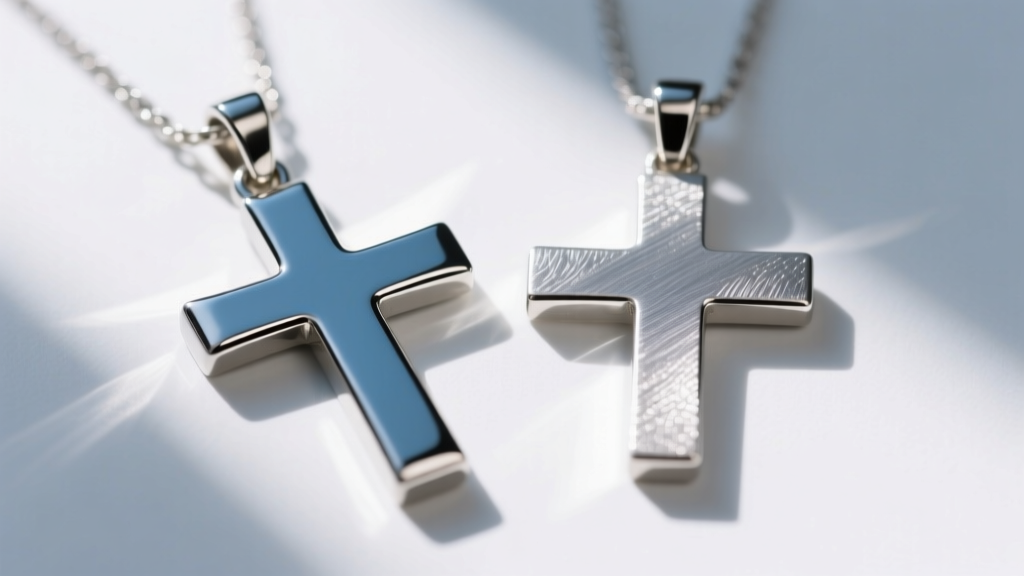
If budget permits, 14k or 18k white gold offers unparalleled prestige and longevity. White gold is an alloy of pure gold mixed with white metals like nickel, palladium, or silver, and is almost always plated with rhodium to achieve a brilliant, mirror-like finish. Gold alloys cast beautifully, retaining the sharpest details of a Juliette cross design while offering significant weight and a premium hand-feel.
The primary maintenance issue with white gold in high-relief pendants is rhodium wear. Because a Juliette cross features deep valleys and raised peaks, the rhodium plating will inevitably wear off the high-contact edges first, revealing the slightly yellowish or greyish undertone of the base alloy. Re-plating a highly detailed filigree cross is also more expensive, as the jeweler must take extreme care not to pool the rhodium in the intricate scrollwork, which would obscure the design.
Pewter and Zinc Alloys: The Fast-Fashion Trap
Often found in mass-market costume jewelry, pewter and zinc alloys are cast at very low temperatures and are incredibly cheap to produce. While they can initially mimic the look of a Juliette cross, these base metals are soft, highly reactive, and prone to catastrophic failure. Zinc alloys suffer from 'zinc pest' (intergranular corrosion) over time, and the thin electroplated silver or gold finishes will rub off within months, exposing skin-irritating base metals. Avoid these materials entirely for heirloom-quality gothic or romantic pieces.
Comparative Data: Tarnish, Weight, and Detail Resolution
To make an informed purchasing decision, it is vital to compare these materials across the specific metrics that matter most for ornate pendant designs. The table below synthesizes the metallurgical properties relevant to the Juliette cross aesthetic.
| Material | Detail Resolution | Tarnish / Corrosion | Mohs Hardness | Average Price Range |
|---|---|---|---|---|
| Sterling Silver (925) | Exceptional (Casts sharply) | High (Requires polishing/antiquing) | 2.5 - 3.0 | $80 - $250 |
| 316L Surgical Steel | Moderate (Edges may soften) | Very Low (Highly inert) | 5.5 - 6.3 | $25 - $75 |
| 14k White Gold | Exceptional (Premium casting) | Low (Rhodium wears in crevices) | 3.5 - 4.0 | $450 - $1,200+ |
| Zinc Alloy / Pewter | Poor (Details blur quickly) | High (Plating flakes, base corrodes) | 1.5 - 2.0 | $10 - $30 |
Chain Pairing: Matching Metallurgy to the Pendant
A common mistake when assembling a Juliette cross necklace is ignoring the galvanic and mechanical interactions between the pendant bail and the chain. The bail (the loop connecting the cross to the chain) experiences constant friction. If you pair a relatively soft sterling silver pendant with a hardened steel chain, the steel will act like a file, slowly grinding away the silver bail until the pendant snaps and is lost.
Furthermore, mixing dissimilar metals in the presence of moisture (sweat) can create a mild galvanic cell, accelerating the localized corrosion of the more anodic metal. To preserve your Juliette cross, always match the chain material to the pendant material. For heavy, ornate silver crosses, opt for a sturdy 925 silver curb or rope chain (1.5mm to 2.5mm thickness) that can support the pendant's weight without kinking or snapping under the pendulum effect of daily movement.
Care Protocols for High-Relief Cross Pendants
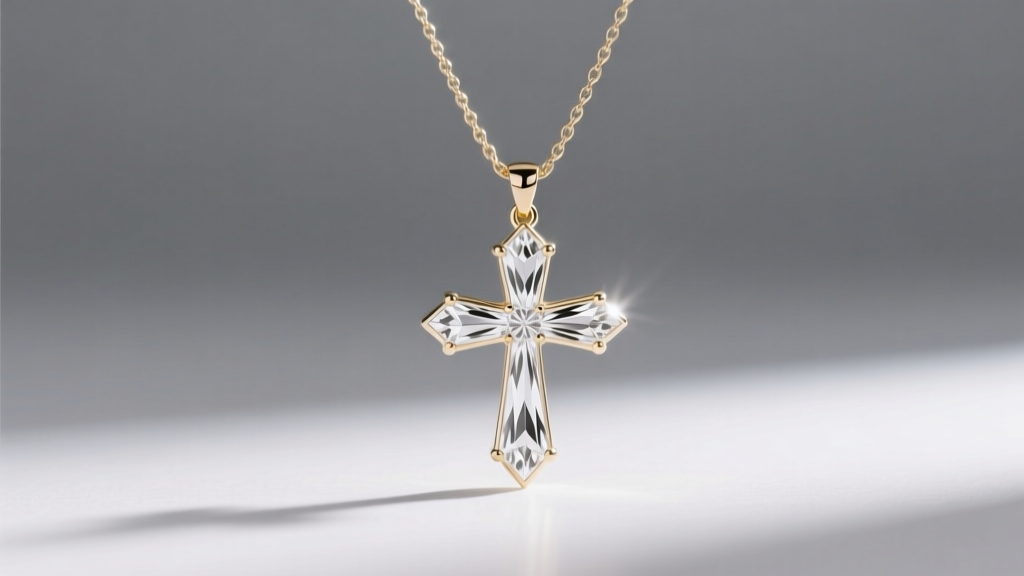
The intricate scrollwork and dagger points of a Juliette cross make it a magnet for skin oils, lotions, and environmental dust, which pack into the recesses and dull the piece. Standard polishing cloths cannot reach these deep crevices. Follow these expert care protocols:
- Ultrasonic Cleaning: Safe for solid silver, steel, and plain gold Juliette crosses. The cavitation bubbles will blast debris out of the filigree. Warning: Never use ultrasonic cleaners if your cross features tension-set gemstones, glued-in enamel, or intentional chemical antiquing, as the vibrations and heat will strip the dark patina or shatter the stones.
- Soft-Brush Agitation: For antiqued silver crosses, use a drop of mild dish soap, warm water, and an extra-soft baby toothbrush. Gently agitate the bristles into the scrollwork, rinse thoroughly, and dry immediately with a microfiber cloth to prevent water spots in the recesses.
- Chemical Dips: Avoid commercial silver dip solutions. They are highly acidic and will strip the intentional oxidation from the deep crevices of your Juliette cross, leaving it looking flat, stark white, and devoid of its gothic character.
Final Verdict: Which Metal Should You Choose?
The ideal material for your Juliette cross necklace depends entirely on your lifestyle and aesthetic priorities. If you value historical accuracy, maximum filigree sharpness, and the ability to develop a personalized antique patina, Sterling Silver (925) is the superior choice. It captures the romantic essence of the design flawlessly. If you have severe metal allergies, work in humid environments, or prefer a strictly modern, zero-maintenance piece, 316L Surgical Steel is your best bet, provided you accept a slight compromise in micro-detail sharpness. For those building a luxury, heirloom-quality collection, 14k White Gold offers unmatched prestige and weight, though it requires a commitment to periodic rhodium maintenance to keep the intricate peaks gleaming.


