How Much Is Justin Jefferson's Necklace Worth? Elite Care Guide
Discover how much Justin Jefferson's necklace is worth and learn elite cleaning, maintenance, and storage tips for high-end diamond chains.

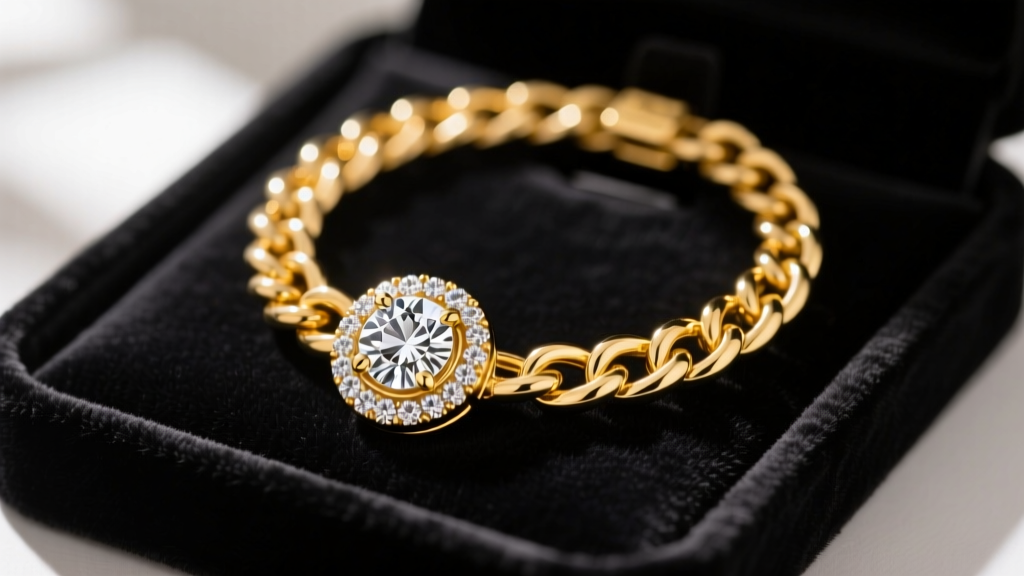
When it comes to NFL swagger, Minnesota Vikings wide receiver Justin Jefferson is in a league of his own. His on-field dominance is matched only by his elite jewelry collection, which features heavy, custom-designed diamond chains and pendants. But beyond the flash and the touchdowns, high-karat gold and VVS diamonds require meticulous, professional-grade maintenance to retain their value and brilliance. In this comprehensive guide, we break down the valuation of these iconic pieces and provide an elite care, maintenance, and cleaning protocol for six-figure jewelry investments.
The Valuation: How Much Is Justin Jefferson's Necklace Worth?
When fans and collectors search how much is justin jefferson's necklace worth, they are usually referring to one of his standout custom pieces, such as the infamous "Grinch" pendant, his massive medallion chains, or his heavy diamond-encrusted Cuban links. While exact appraisals are kept private between the athlete and his insurers, jewelry industry experts and celebrity jewelers like Greg Yüna estimate that Jefferson's individual custom chains range from $80,000 to over $250,000 per piece.
The valuation of an "iced-out" chain of this caliber is determined by a strict formula:
- Gold Weight and Purity: Heavy chains can weigh between 150 to 300 grams. With gold prices surging in the mid-2020s, the raw metal value alone is substantial.
- Diamond Carat Total Weight (CTW): A fully paved chain can feature 30 to 60+ carats of diamonds. Jefferson typically wears high-clarity stones (VVS1 or VS1) in the G-H color range.
- Custom Design and Labor: Hand-setting hundreds of micro-prongs and crafting custom 3D pendants (like the Grinch or Viking logos) adds tens of thousands of dollars in artisan labor.
Protecting an asset of this magnitude goes far beyond a simple wipe-down. It requires an understanding of metallurgy, gemology, and structural integrity.
Anatomy of an Iced-Out Chain: Materials and Failure Points
Before applying any cleaning solution, you must understand the structural vulnerabilities of heavy diamond chains. According to the Gemological Institute of America (GIA), while diamonds are the hardest natural substance (10 on the Mohs scale), the metals holding them are not indestructible.
14k vs. 18k Gold: The Durability Trade-Off
Most high-end celebrity chains are crafted in 14k or 18k gold. 18k gold (75% pure gold) offers a richer, deeper yellow hue but is significantly softer. 14k gold (58.5% pure gold) is alloyed with copper, silver, and zinc, making it much more resistant to the daily wear-and-tear of a heavy chain. The primary failure point in 18k chains is prong degradation; the soft metal can wear down or bend upon impact, leading to lost diamonds.
Link Tensile Strength
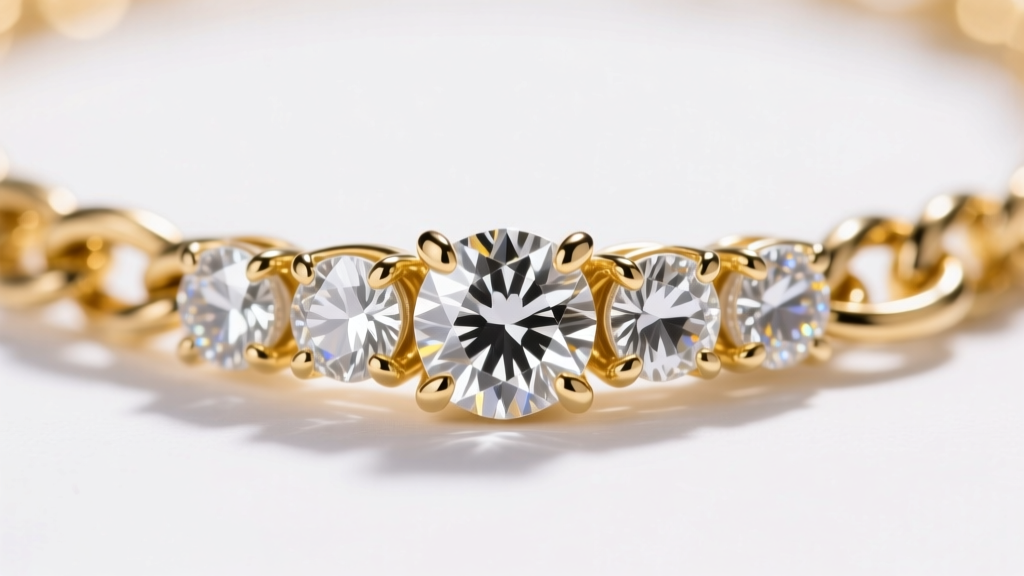
Jefferson often wears thick Cuban links and Franco chains. Franco chains, with their V-shaped interlocking links, offer superior tensile strength and are less prone to stretching than traditional Cuban links. However, the clasps (usually box clasps with double safety catches) are the most common mechanical failure points on chains weighing over 200 grams.
Elite Cleaning Protocols for High-Carat Gold and Pavé Diamonds
Sweat, body oils, lotions, and environmental dust create a microscopic film over diamond tables, drastically reducing their light return and brilliance. For chains valued in the hundreds of thousands, standard jewelry wipes are insufficient. Here is the professional protocol for restoring and maintaining high-end pavé diamond chains.
The Daily Wipe-Down
After wearing a heavy chain, especially during events or travel, use a clean, untreated microfiber cloth to gently wipe the surface. This removes acidic sweat and body oils that can cause stress corrosion cracking in the copper alloys of 14k gold over time. Never use paper towels, as the wood fibers can cause micro-scratches on polished gold surfaces.
The Deep Clean: Ultrasonic vs. Steam
For a thorough cleaning, professional jewelers rely on a two-step process. However, you must exercise extreme caution with pavé settings.
- Ultrasonic Cleaners (40kHz Frequency): An ultrasonic cleaner uses high-frequency sound waves to create microscopic cavitation bubbles that blast dirt from under the diamond girdles. Warning: Only use ultrasonics on natural, untreated VVS/VS diamonds. If your chain features fracture-filled diamonds or secondary gemstones like emeralds or opals, the vibrations will shatter them. Always use a professional, ammonia-free ultrasonic solution.
- Steam Cleaning: A high-pressure jewelry steamer is the secret to the "showroom shine." The blast of hot steam removes the final layer of microscopic film. However, if the micro-prongs on your pavé chain are already loose, the high-pressure steam can bend them further or dislodge the stones entirely. Always inspect prongs under a 10x jeweler's loupe before steaming.
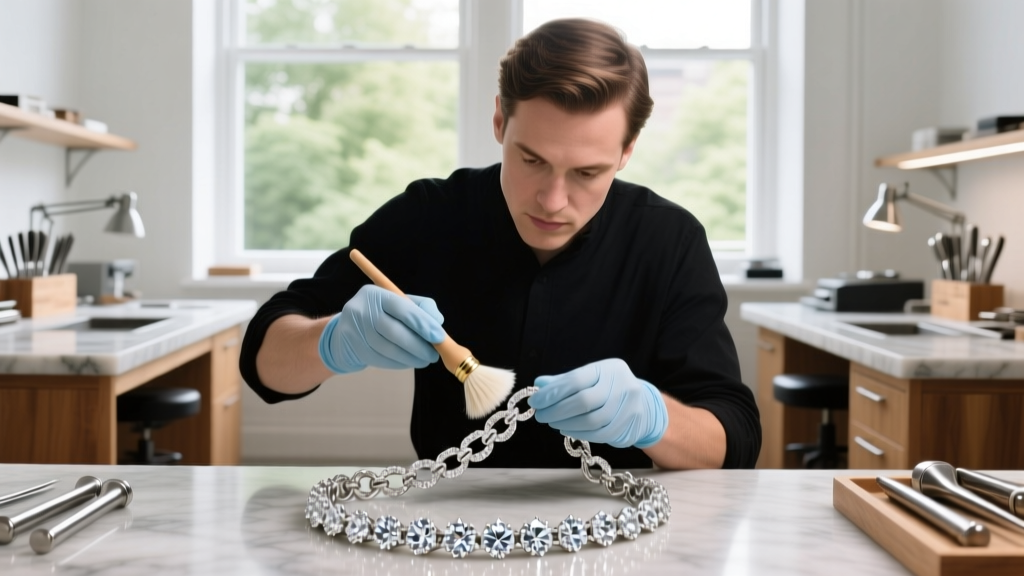
For at-home deep cleaning without machinery, the Jewelers of America recommends soaking the chain in a bowl of warm water mixed with a few drops of mild, phosphate-free dish soap for 20 minutes. Gently agitate with a soft-bristled baby toothbrush, paying special attention to the underside of the links where dirt accumulates.
Maintenance Schedule for Heavy Custom Pendants
Maintenance is not just about cleaning; it is about preventative structural care. A six-figure chain requires a strict, scheduled maintenance routine to ensure the clasp holds and the diamonds stay secure.
| Frequency | Task | Actionable Details |
|---|---|---|
| Daily | Surface Wipe | Use untreated microfiber to remove sweat, oils, and lotions immediately after wear. |
| Weekly | Mild Soap Soak | Soak in warm water and phosphate-free dish soap; gently brush link undersides with a soft baby toothbrush. |
| Monthly | Clasp Inspection | Test the box clasp and safety catches. Ensure the tongue clicks firmly and the safety hinges are not bent. |
| Bi-Annually | Professional Prong Check | Take to a certified gemologist to inspect pavé micro-prongs under magnification and re-tip worn prongs. |
| Annually | Professional Polish & Rhodium | If the chain is white gold, it will need re-rhodium plating. Yellow gold may need a light professional polish. |
Chemical Hazards: What to Avoid at All Costs
The fastest way to destroy the value of a $150,000 custom chain is through chemical exposure. Chlorine is the absolute enemy of gold alloys. When 14k or 18k gold is exposed to chlorine (found in hot tubs, swimming pools, and harsh household bleach), it causes a chemical reaction that leads to stress corrosion cracking. This makes the metal brittle, causing links to snap and prongs to disintegrate without warning. Always remove your chain before entering a pool, hot tub, or using cleaning chemicals.
Furthermore, avoid wearing heavy diamond chains while applying cosmetics, hairspray, or sunscreen. These products contain chemical compounds that will permanently cloud the surface of the diamonds, requiring professional steaming to restore their light performance.
Storage and Travel: Protecting Six-Figure Investments
How you store your chain when it is not around your neck is just as critical as how you clean it. Diamonds are incredibly hard and will easily scratch the gold links of your chain—or even other diamonds—if stored improperly.
- Individual Pouches: Never throw a heavy chain into a communal jewelry box. Store it in a dedicated, soft microfiber or felt-lined pouch to prevent the diamond pavé from scratching the polished gold surfaces.
- Lay Flat or Hang: Heavy chains should either be laid completely flat in a wide drawer or hung on a thick, padded jewelry stand. Hanging them on thin hooks can cause stress on the top links and clasp over time.
- Climate Control: When traveling, use a hard-shell, velvet-lined travel case. Silica gel packets should be placed inside the case to control humidity and prevent tarnishing of the alloy metals.
Conclusion
Understanding how much Justin Jefferson's necklace is worth is only the first step in appreciating high-end custom jewelry. The true value of these pieces lies in their craftsmanship, material purity, and the meticulous care they receive over time. By implementing professional-grade cleaning protocols, adhering to a strict maintenance schedule, and avoiding chemical hazards, you can ensure that a six-figure diamond chain retains its blinding brilliance and structural integrity for decades to come.


