Beginner's Guide to Wearing a Buddhist Prayer Beads Necklace
Discover how to choose, wear, and care for a Buddhist prayer beads necklace. Explore materials, bead counts, and knotting techniques.

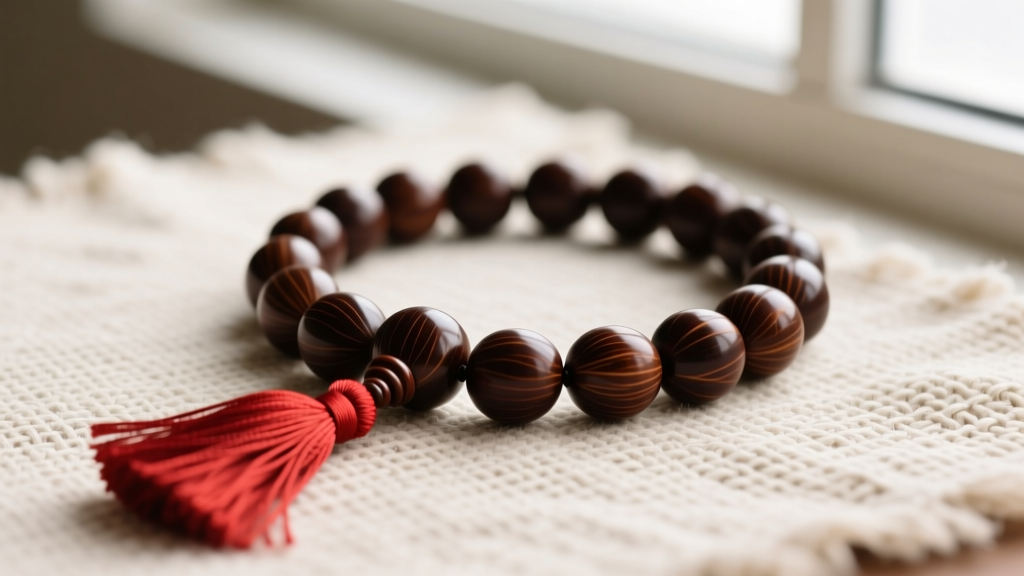
When exploring spiritual and mindfulness-inspired jewelry, few pieces carry as much historical weight and stylistic versatility as the buddhist prayer beads necklace. Commonly known as a mala (Sanskrit for "garland"), this accessory bridges the gap between ancient meditative tools and modern bohemian fashion. However, navigating the vast market of malas can be overwhelming for beginners. From bead counts and stringing materials to proper care and styling, understanding the anatomy of these necklaces ensures you choose a piece that is both authentic and aesthetically pleasing.
Decoding the Anatomy of a Mala Necklace
A traditional buddhist prayer beads necklace is not merely a string of beads; it is a precisely engineered tool for japa (mantra meditation). While fashion jewelry often prioritizes symmetry, a mala is built around specific structural components that dictate its flow and function.
- The 108 Beads: The standard full-size mala contains 108 counting beads. This number is deeply rooted in Eastern cosmology, representing the 108 earthly desires or the distance between the earth and the sun in ancient measurements. When strung with 8mm beads, a 108-bead necklace yields a circumference of roughly 864mm (about 34 inches), classifying it as a "rope" length necklace in traditional jewelry terms.
- The Guru Bead (Meru): This is the 109th bead, usually larger or distinctly shaped (often a stupa or teardrop). It acts as a tactile marker to signal the completion of a meditation cycle. In jewelry design, it serves as the focal pendant stone.
- The Tassel: Attached below the guru bead, the silk or cotton tassel represents the lotus blossom and enlightenment. From a stylistic perspective, it adds 2 to 4 inches of vertical movement, drawing the eye downward and elongating the torso.
Material Guide: Choosing Your Bead Composition
The material of your buddhist prayer beads necklace drastically affects its weight, drape, and maintenance requirements. Semi-precious stones offer a heavier, cooler drape, while organic seeds provide a lightweight, earthy feel. According to Lion's Roar, the material often aligns with the specific intention or mantra of the wearer.
| Material | Properties & Hardness | Best For | Price Range |
|---|---|---|---|
| Bodhi Seed | Organic; porous; darkens with skin oils over time. | Traditionalists; daily wearers seeking a patina. | $15 - $45 |
| Rudraksha | Textured seed (Elaeocarpus ganitrus); highly durable. | Grounding practices; masculine or rugged styling. | $25 - $80 |
| Sandalwood | Aromatic softwood; Mohs 1.5; susceptible to scratching. | Calming meditation; subtle, natural aesthetics. | $30 - $90 |
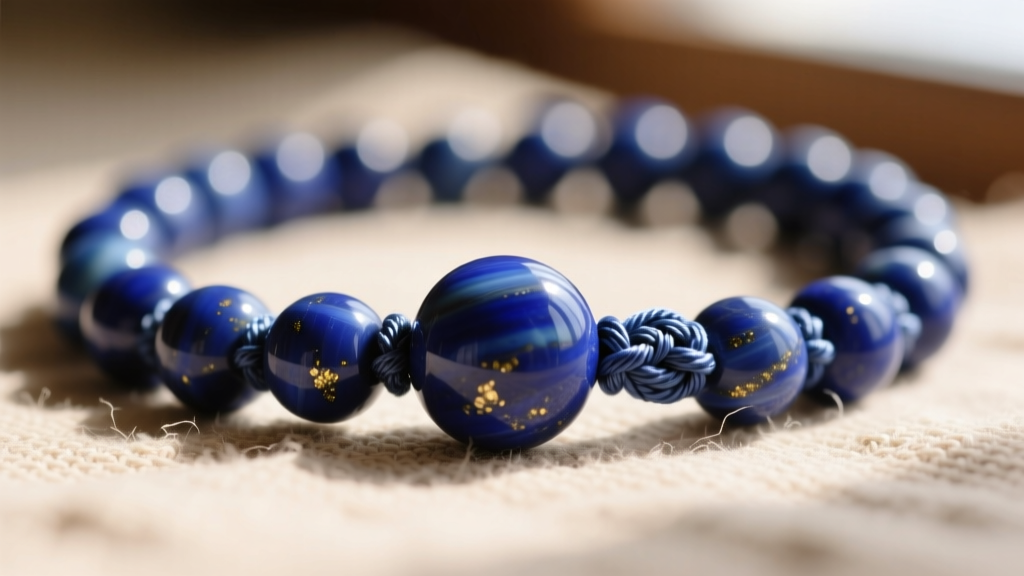
| Lapis Lazuli | Semi-precious stone; Mohs 5-6; heavy, cool to touch. | Statement fashion; wisdom and truth intentions. | $60 - $150 |
| Amethyst | Quartz variety; Mohs 7; highly durable and faceted. | Layering with fine jewelry; spiritual protection. | $50 - $120 |
Stringing, Knotting, and Structural Integrity
A critical, often overlooked aspect of a high-quality buddhist prayer beads necklace is the stringing method. Cheap, mass-produced malas use continuous elastic cord with beads resting flush against one another. This causes friction, which quickly degrades softer materials like sandalwood and Bodhi seeds.
The Importance of Macrame Knotting
Expert artisans use 0.8mm to 1.0mm Chinese knotting cord (a braided nylon or silk blend) and tie individual overhand or macrame square knots between every single bead. This technique provides three major benefits:
- Friction Prevention: Knots act as buffers, preserving the integrity of organic beads.
- Tactile Feedback: The raised knots allow practitioners to count beads blindly during deep meditation without looking down.
- Security: If the cord snaps, the knots prevent all 108 beads from scattering across the floor—a common and frustrating failure mode with unknotted elastic malas.
Styling and Neckline Pairings
Because a standard 108-bead mala hangs at 34 inches (plus the tassel), it falls well below the bust line. This extreme length requires strategic styling to avoid looking tangled or overwhelming your silhouette.
- The Deep V-Neck: A mala perfectly mirrors the geometry of a deep V-neck blouse or wrap dress, creating a cohesive, elongating vertical line.
- The Turtleneck / Boat Neck: Wearing a long mala over a high, solid-colored neckline (like a black turtleneck) provides a striking contrast and anchors the outfit, allowing the guru bead and tassel to act as a statement pendant.
- Layering Framework: To balance the extreme length of a mala, layer it with a 16-inch choker and a 22-inch pendant chain. This tiered approach fills the negative space on the chest and integrates the spiritual piece into a curated, modern jewelry stack.
For those who find the 34-inch rope length too cumbersome for daily office wear, consider a 54-bead half-mala. These hang at approximately 17 to 18 inches, resting perfectly at the collarbone (princess length) and functioning identically to a standard pendant necklace.
Care and Maintenance Protocols
Treating your buddhist prayer beads necklace correctly ensures its longevity, especially when dealing with porous organic materials. Publications like Tricycle: The Buddhist Review emphasize that malas absorb the energy and physical environment of the user.
Cleaning Organic Seeds and Woods
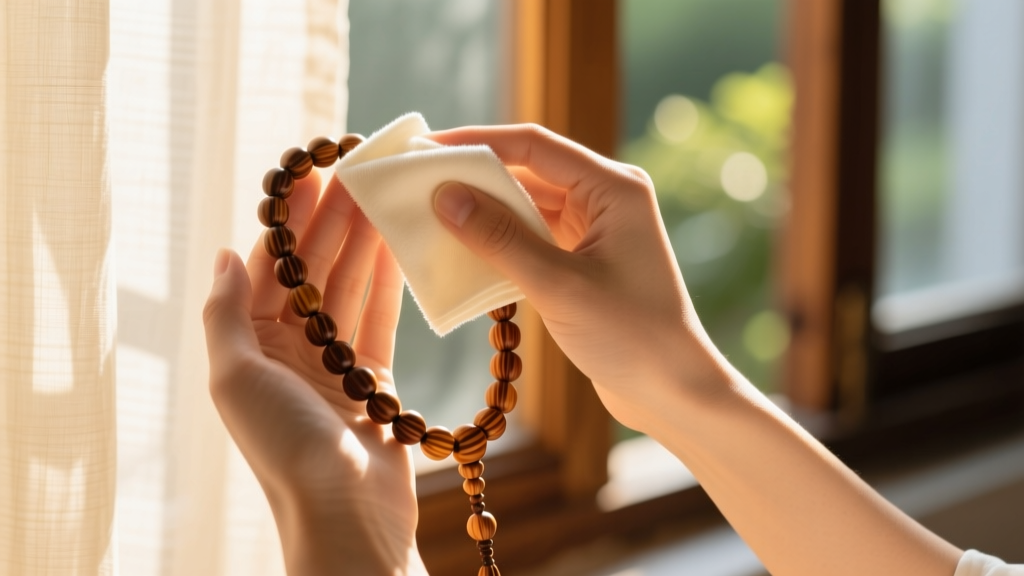
Never wash Bodhi seeds, Rudraksha, or Sandalwood with soap or submerge them in water. Soap strips the natural sebum (skin oils) that creates the prized, glossy patina on Bodhi seeds. Instead, wipe them gently with a dry, soft microfiber cloth. If your Rudraksha beads accumulate dust in their deep grooves (mukhis), use a soft-bristled jewelry brush or a clean, dry toothbrush to dislodge debris.
Caring for Semi-Precious Stones
Stones like Lapis Lazuli are porous and can be damaged by harsh chemicals, perfumes, or prolonged sun exposure, which may cause the vibrant blue to fade. Wipe stone malas with a slightly damp cloth and dry them immediately. Always put your mala on after applying cosmetics and fragrances to protect both the stones and the silk tassel from chemical degradation.
Summary Checklist for Beginners
Before purchasing your first buddhist prayer beads necklace, verify the bead count, inspect the knotting quality, and ensure the material aligns with your lifestyle and styling preferences. A well-chosen mala is both a profound spiritual tool and a timeless sartorial staple.


