KA 1772 Italy 925 White Gold Necklace: 2026 Buying Guide
Discover what the KA 1772 Italy 925 hallmark really means. Our 2026 buying guide reveals the truth about white gold plated silver necklaces.

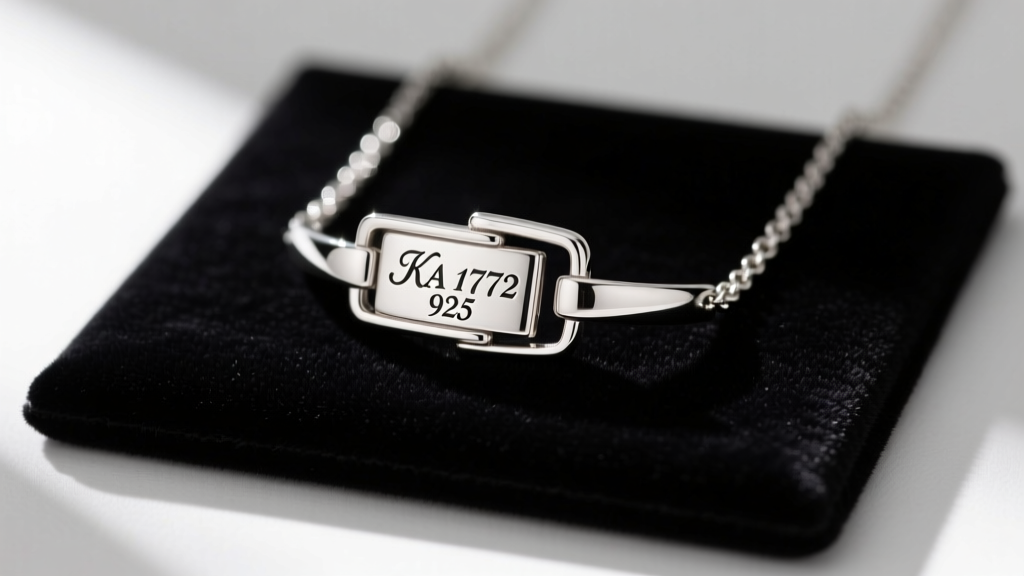
When shopping for fine jewelry, few hallmarks generate as much confusion—and intrigue—as the KA 1772 Italy 925 white gold necklace stamp. If you have encountered this specific string of markings on a vintage estate piece, an online marketplace listing, or a boutique display, you are likely grappling with a metallurgical paradox. How can a piece be stamped "925" (the universal standard for sterling silver) and simultaneously be described as "white gold"?
As we navigate the 2026 jewelry market, where advanced plating techniques and heritage Italian craftsmanship intersect, understanding the exact anatomy of your necklace is critical. This comprehensive buying guide decodes the Italian hallmarking system, exposes the "white gold" misnomer, and provides a strict authentication framework to ensure you are paying a fair price for genuine Italian artistry.
Decoding the Hallmark: What "KA 1772 Italy 925" Actually Means
To understand the value of your necklace, we must first break down the legal and historical context of its stamps. Italy has some of the strictest precious metal laws in the world, governed currently by Legislative Decree 251/1999, which updated the historic 1968 hallmarking laws.
- 925: This is the millesimal fineness mark indicating Sterling Silver. It guarantees the alloy is exactly 92.5% pure silver and 7.5% copper or other base metals for structural integrity. According to The Silver Institute, this is the global benchmark for high-quality silver jewelry.
- Italy: The country of origin, denoting that the chain was manufactured, assembled, and assayed within Italian borders—likely in renowned goldsmithing hubs like Arezzo, Vicenza, or Valenza.
- 1772: Under Italian law, every registered manufacturer is assigned a unique numerical identification code paired with a provincial abbreviation (e.g., 1772 AR for Arezzo or 1772 VI for Vicenza). The number 1772 identifies the specific factory or silversmith responsible for the chain's creation.
- KA: This is typically a brand trademark, an importer's mark, or a secondary maker's mark (such as Karizia or a specific design house) stamped alongside the legal state-mandated numerical code.
The "White Gold" Paradox: Plating vs. Diamond-Cutting
Here is the most critical piece of E-E-A-T insight for buyers: Solid 925 white gold does not exist. White gold is an alloy of pure yellow gold mixed with white metals like palladium or nickel (usually stamped 14K or 18K). Therefore, a necklace stamped "925" that possesses a white gold appearance relies on one of two optical illusions perfected by Italian jewelers.
1. Rhodium or White Gold Flash Plating
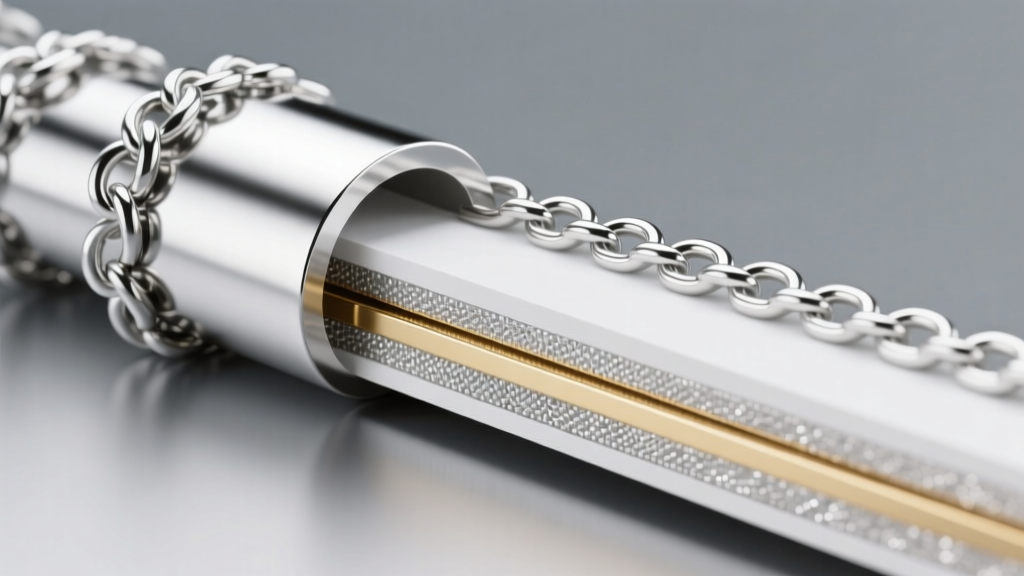
Most "925 white gold" necklaces are actually sterling silver chains plated with rhodium (a platinum group metal) or a microscopically thin layer of white gold to prevent tarnish and mimic the icy, reflective luster of solid white gold. The Gemological Institute of America (GIA) notes that rhodium plating is standard for white metals, but on silver, it is often marketed deceptively as "white gold finished." Standard flash plating is merely 0.1 to 0.5 microns thick and will wear off with friction, revealing the yellowish-white sterling silver beneath.
2. The Italian "Taglio Diamantato" (Diamond-Cut Faceting)
High-end Italian chains often bypass heavy plating in favor of taglio diamantato. Master jewelers use precision diamond-tipped lathes to slice microscopic, flat facets into the surface of the silver links. These facets catch and refract light so intensely that the naked eye perceives the bright, white sparkle of solid white gold, even if the chain is entirely unplated bare silver.
Authentication Checklist: Spotting Genuine Italian Craftsmanship
Because the "KA 1772 Italy 925" stamp denotes high-value European craftsmanship, it is frequently counterfeited by overseas mass-producers. Use this structural checklist to verify authenticity before purchasing.
| Feature | Genuine Italian 1772 Chain | Counterfeit / Mass-Produced Fake |
|---|---|---|
| Link Welding | Laser-welded or seamlessly soldered links; no visible gaps or pinching. | Links are simply bent closed; visible seams that catch on fabrics. |
| Hallmark Precision | Stamps are blurry, shallow, or look like they were scratched on by hand. | |
| Clasp Mechanism | Heavy-duty lobster or Italian box clasp, often bearing a secondary "925" or maker mark. | Flimsy spring-ring clasps made of magnetic base metals. |
| Magnetism | Strictly non-magnetic (silver and gold are paramagnetic/diamagnetic). | Clasp spring may be steel, but the chain itself should never pull a magnet. |
Pricing and Value: What Should You Pay in 2026?
Understanding the exact manufacturing technique of your KA 1772 necklace dictates its fair market value. Do not pay solid white gold prices for a plated silver chain. Here is the 2026 pricing matrix for Italian 925 chains weighing between 15 and 25 grams:
- Flash-Plated 925 Silver (0.2 microns): $45 – $90 USD. The plating will likely wear off within 6 to 12 months of daily wear.
- Heavy-Plated / Vermeil 925 Silver (1.5 - 2.5 microns): $110 – $180 USD. Offers years of tarnish resistance and a true white-gold aesthetic.
- Unplated Diamond-Cut 925 Silver: $80 – $150 USD. Valued purely for the labor-intensive faceting and the intrinsic silver weight.
- Solid 14K White Gold (For Comparison): $650 – $1,200+ USD. If a seller is asking these prices for a "925" stamp, walk away immediately.
Care and Maintenance for Plated Italian Chains
If your KA 1772 necklace relies on rhodium or white gold plating to achieve its color, your maintenance routine must be radically different from that of bare sterling silver. The biggest mistake buyers make is using abrasive silver polishing cloths on plated jewelry.
Expert Warning: Never use liquid silver dips or abrasive polishing pads on a plated 925 chain. These chemicals and micro-abrasives will strip the rhodium or white gold plating in seconds, permanently exposing the underlying sterling silver to oxidation.

To maintain the icy white luster of your Italian chain, follow these strict protocols:
- 清洗 (Cleaning): Use only lukewarm water, a drop of phosphate-free dish soap, and an ultra-soft baby toothbrush. Rinse thoroughly and pat dry with a microfiber cloth.
- Chemical Avoidance: Remove the necklace before entering chlorinated pools or hot tubs. Chlorine reacts violently with the copper alloy in 925 silver, causing rapid blackening beneath the plating.
- Storage: Store in an anti-tarnish flannel pouch. Even though the plating protects the silver, microscopic pores in the metal can still allow sulfur in the air to cause subsurface tarnishing over time.
Final Verdict: Is It Worth the Investment?
A genuine KA 1772 Italy 925 white gold necklace is a masterclass in accessible luxury. You are not buying solid gold, but you are investing in centuries of Arezzo and Vicenza metallurgical heritage. The diamond-cutting techniques and precision laser-welding of authentic Italian chains vastly outperform mass-market alternatives in both durability and light performance.
As long as you verify the crispness of the hallmark, confirm the non-magnetic nature of the chain, and price it according to its plated silver reality rather than a solid gold fantasy, a KA 1772 piece remains one of the most elegant, high-value additions to any 2026 jewelry wardrobe. For further reading on identifying global jewelry stamps, the Lang Antiques University offers an excellent visual database of historical and modern maker's marks.


