Kate Spade Gatsby Dot Mini Scatter Necklace: An Expert Review
An expert metallurgical and styling deep dive into the Kate Spade Gatsby Dot Mini Scatter Necklace, covering plating, enamel durability, and layering.

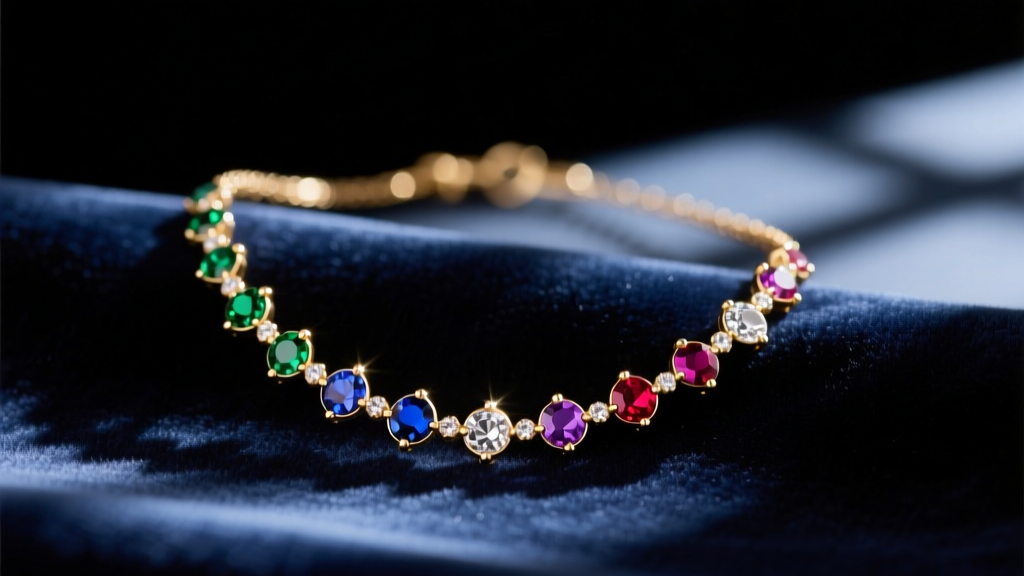
Metallurgical Breakdown: Base Alloys and Plating Thickness
When evaluating fashion jewelry from a technical perspective, understanding the substrate and the plating methodology is paramount. The Kate Spade Gatsby Dot Mini Scatter Necklace is constructed from a lead-free, nickel-free brass alloy. Brass, primarily a copper-zinc (Cu/Zn) composite, is favored in mid-tier fashion jewelry for its excellent malleability, high tensile strength, and ability to take a high-polish finish before electroplating. However, because copper is highly reactive to atmospheric oxygen and human sebum, the protective topcoat is the single most critical factor in the piece's longevity.
The gold-tone finish on this specific scatter necklace is achieved via electroplating. Unlike fine jewelry which might feature heavy vermeil (a minimum of 2.5 microns of gold over sterling silver), fashion brass pieces typically utilize a flash plating or standard commercial plating process ranging from 0.5 to 1.5 microns in thickness. This thin layer provides the initial brilliant luster but is inherently vulnerable to friction wear. Once the gold-tone plating breaches the 0.2-micron threshold on high-contact areas (such as the back of the pendant dots and the chain links resting against the clavicle), the underlying copper will begin to oxidize, leading to the familiar greenish patina on the wearer's skin.
Chain Architecture and Tensile Integrity
The "scatter" design relies heavily on the structural integrity of its chain, as the visual weight is distributed across multiple micro-elements rather than a single centralized pendant. This necklace utilizes a standard cable chain, measuring approximately 1.2mm to 1.4mm in width. Cable chains are composed of uniform oval links connected in a simple, alternating pattern. While aesthetically classic, the tensile strength of a 1.2mm brass cable chain is relatively low—typically maxing out around 3 to 5 pounds of force before link deformation occurs.
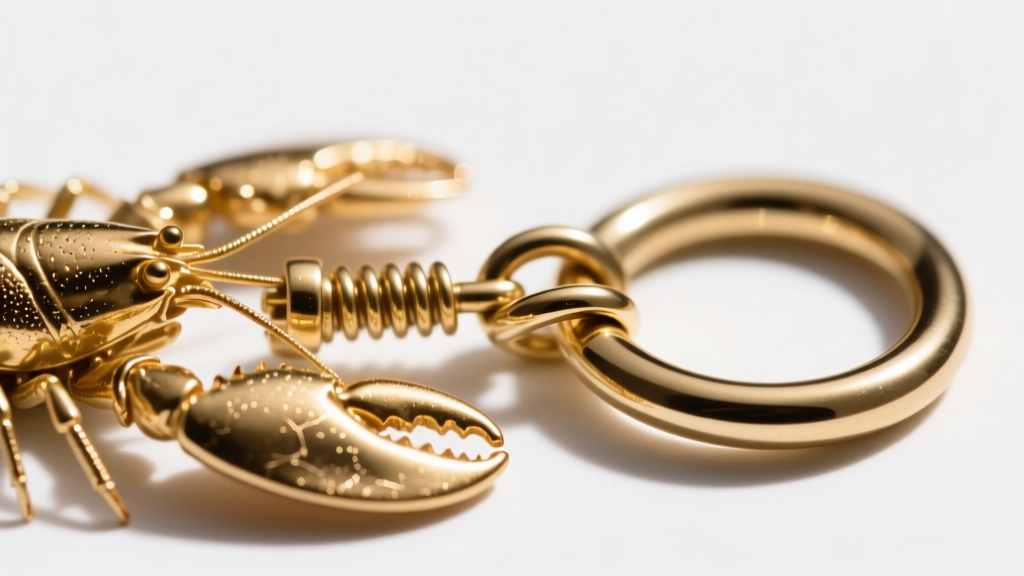
The most common mechanical failure points on this architecture are the unsoldered jump rings connecting the lobster clasp and the extender chain. Over time, the repetitive lateral torque applied when putting on or removing the necklace can cause these jump rings to gap. Furthermore, the internal spring mechanism of the lobster clasp is subject to fatigue. If the lever becomes sluggish or fails to snap back against the catch, it is usually due to the accumulation of microscopic debris or lotion residue inside the spring housing, rather than a failure of the metal itself.
The "Scatter" Motif: Cold Enamel vs. Vitreous Enamel
The defining characteristic of the Gatsby Dot Mini Scatter Necklace is the distribution of small, contrasting dots along the chain. It is vital for collectors and daily wearers to understand that these dots are not finished in traditional kiln-fired vitreous enamel. Instead, they utilize a cold enamel process, which is technically a two-part epoxy resin tinted with pigments.
From a materials science standpoint, this distinction dictates the care regimen. Vitreous enamel sits at roughly 5.5 to 6.0 on the Mohs hardness scale, making it highly resistant to scratching. Cold enamel (epoxy resin), however, ranks much lower, typically between 2.5 and 3.0 on the Mohs scale. Because everyday household dust contains microscopic particles of quartz (which ranks at 7.0 on the Mohs scale), wiping the necklace with a dry, abrasive cloth will inevitably introduce micro-scratches into the resin dots, eventually dulling their high-gloss finish and causing them to appear cloudy.
| Component | Material / Method | Hardness / Thickness | Primary Failure Mode |
|---|---|---|---|
| Base Chain | Lead-Free Brass Alloy | ~3.0 Mohs | Tensile snapping at unsoldered jump rings |
| Gold-Tone Finish | Electroplated Brass | 0.5 - 1.5 Microns | Friction wear exposing reactive copper base |
| Scatter Dots | Cold Enamel (Epoxy) | 2.5 - 3.0 Mohs | Micro-scratching and chemical clouding |
| Clasp Mechanism | Brass with Steel Spring | N/A | Spring fatigue and debris obstruction |
Styling Frameworks: Necklines and Layering Metrics
Because the Gatsby Dot Mini Scatter Necklace is designed to sit closely to the collarbone (typically featuring a 16-inch base length with a 2-inch extender), it requires strategic pairing with garments and other jewelry to prevent visual clutter and physical tangling. From a styling perspective, this piece thrives when anchored by structured necklines.

When layering, the primary enemy is friction tangling, which occurs when two chains of similar length and link size interlock. To safely layer this scatter necklace, you must adhere to the 4-Inch Drop Differential Rule. If the Kate Spade necklace is worn at its standard 16-inch length, the secondary chain must be a minimum of 20 inches. Furthermore, the secondary chain should feature a distinctly different link architecture—such as a 2.5mm rolo chain or a flat box chain—to ensure the physical profiles do not mesh. According to styling guidelines referenced by the Kate Spade Customer Service styling archives, pairing delicate scatter pieces with heavier, longer anchor chains creates a balanced, cascading silhouette without compromising the structural integrity of the finer chain.
Long-Term Maintenance and Chemical Vulnerabilities
Preserving the metallurgical and aesthetic integrity of this necklace requires a strict maintenance protocol. The epoxy resin dots are highly susceptible to chemical degradation from common cosmetic ingredients, particularly alcohol-based perfumes, aerosol hairsprays, and lotions containing alpha-hydroxy acids (AHAs). Prolonged exposure to these compounds will break down the cross-linked polymers in the cold enamel, leading to irreversible pitting and discoloration.
"Gold-plated jewelry requires gentle care to maintain its luster. Avoid exposure to harsh chemicals, chlorinated water, and abrasive cleaning agents, as these will strip the delicate outer plating layer and expose the base metal beneath." — Gemological Institute of America (GIA)
Expert Cleaning Protocol:
- Solution: Mix three drops of mild, phosphate-free dish soap (pH neutral) into a bowl of lukewarm distilled water. Avoid tap water, as dissolved chlorine and fluoride can accelerate brass oxidation.
- Agitation: Submerge the necklace for no more than 60 seconds. Use an extra-soft, single-tufted dental brush to gently sweep dust from the crevices around the scatter dots. Never use a standard toothbrush, as the nylon bristles are stiff enough to scratch the 2.5 Mohs epoxy.
- Drying: Rinse briefly under a slow stream of distilled water. Pat dry immediately with a lint-free microfiber cloth. Air-drying will leave mineral deposits that etch into the gold plating over time.
- Storage: Store in an anti-tarnish flannel pouch with a 3M silica gel desiccant packet to control ambient humidity and prevent the copper substrate from oxidizing from the inside out.
By understanding the specific material limitations and structural engineering of the Kate Spade Gatsby Dot Mini Scatter Necklace, wearers can transition it from a fleeting seasonal accessory to a durable, long-term staple in their curated jewelry wardrobe.