Kate Spade Knot Necklace: 2026 Value & Material Guide
Is the Kate Spade knot necklace worth the price? We break down its brass base, gold plating thickness, and long-term value for 2026 buyers.

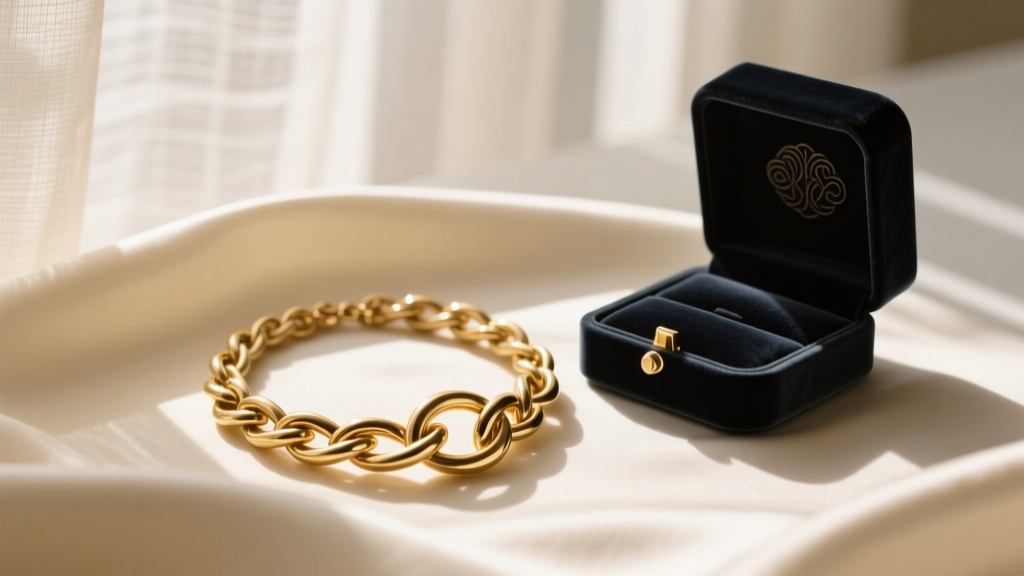
The Allure of the Knot: Design Heritage vs. Modern Reality
The knot motif has been a cornerstone of jewelry design since the Victorian era, symbolizing eternal connection, loyalty, and unbreakable bonds. In the contemporary accessible luxury market, the Kate Spade knot necklace has emerged as a ubiquitous gifting staple and a popular entry-level accessory. However, as consumers in 2026 become increasingly educated about metallurgy and jewelry sourcing, the question shifts from 'Is it cute?' to 'Is it a sound financial investment?'
To properly assess the budget and value of this specific piece, we must strip away the branded packaging and the iconic spade logo charm. A true value assessment requires a forensic look at the base alloys, the plating thickness, the mechanical integrity of the chain, and the inevitable trajectory of wear and tear. This guide provides a no-nonsense, metallurgical breakdown of what you are actually purchasing when you add this necklace to your cart.
Material Breakdown: What Are You Actually Paying For?
Kate Spade operates firmly within the 'fashion jewelry' tier, a category defined by its use of non-precious base metals and decorative finishes. Understanding this distinction is critical for managing your expectations regarding longevity and resale value.
The Brass Base and Electroplating Reality
The core of the Kate Spade knot pendant and its accompanying chain is typically cast brass—an alloy primarily composed of copper and zinc. Brass is favored in fashion jewelry because it is inexpensive, highly malleable for intricate casting (like the twisted knot design), and provides a smooth surface for plating. However, it is fundamentally a reactive metal.
The golden hue is achieved through electroplating. According to the Federal Trade Commission (FTC) Jewelry Guides, terms like 'gold electroplate' require a minimum thickness of 0.175 microns of gold. Kate Spade's standard gold-tone pieces generally fall into this thin 'flash plating' category, rather than the 2.5-micron threshold required to be legally classified as 'heavy gold electroplate' or 'gold vermeil' (which also mandates a sterling silver base). This thin layer means the gold finish is essentially a surface-level cosmetic treatment rather than a durable, structural coating.
Chain Gauge and Clasp Mechanics
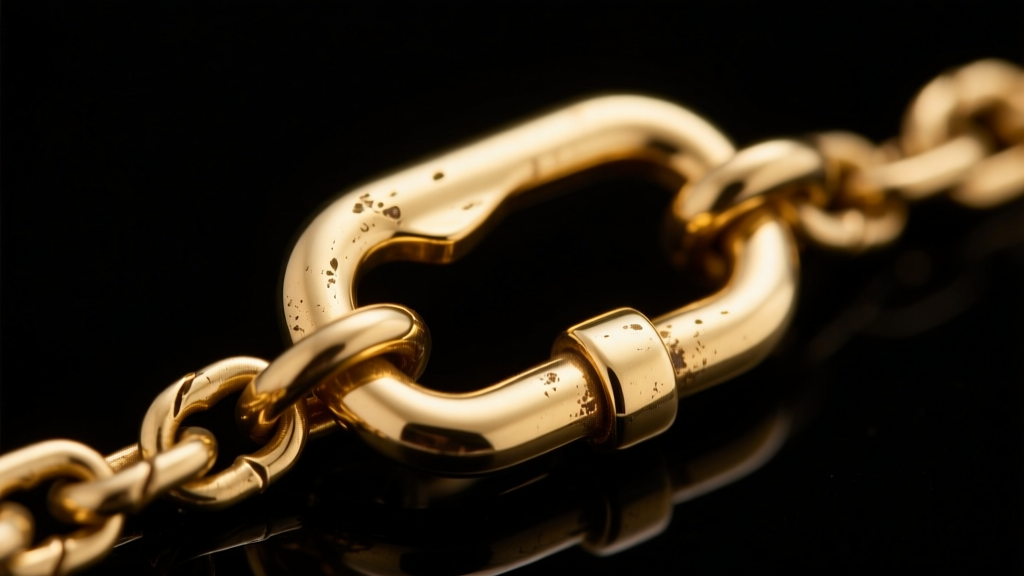
The necklace usually features a delicate 1.2mm cable chain. While this gauge provides a feminine, lightweight drape that complements the roughly 15mm by 12mm knot pendant, it is highly susceptible to kinking and tangling. The clasp is a standard lobster claw mechanism. While the exterior is plated brass to match the chain, the internal spring is typically stainless steel. Over time, the friction point where the clasp meets the jump ring is the first area to show brass bleed-through due to repetitive metal-on-metal contact.
2026 Pricing Analysis: Retail vs. Resale Value
When evaluating the budget for the Kate Spade knot necklace, it is essential to contextualize its retail price against the broader jewelry market. Retail prices generally fluctuate between $55 and $85, depending on seasonal sales, outlet pricing, and whether the piece features additional enamel or crystal accents.
| Brand / Tier | Base Material | Plating / Purity | Avg. Retail Price | Estimated Lifespan | Resale Value |
|---|---|---|---|---|---|
| Kate Spade (Fashion) | Brass / Zinc Alloy | Gold Electroplate (<0.5μm) | $55 - $85 | 1 - 3 Years | Negligible ($5-$15) |
| Mejuri / Gorjana (Demi-Fine) | Sterling Silver (925) | Gold Vermeil (2.5μm) | $90 - $130 | 3 - 7 Years | Low ($20-$40) |
| Independent Fine Jewelers | Solid 10k / 14k Gold | Solid Alloy (No plating) | $180 - $300+ | Lifetime / Heirloom | High (Melt + Craft Value) |
As the data illustrates, you are paying a premium for the Kate Spade brand equity and the specific aesthetic design, not for intrinsic material wealth. The secondary market (platforms like Poshmark or Mercari) is saturated with pre-owned Kate Spade jewelry, driving the resale value down to mere single digits unless the item is New With Tags (NWT) and in pristine condition.
Longevity and the Tarnish Timeline
The most common complaint regarding fashion jewelry is the dreaded 'green skin' effect. This is not an allergic reaction, but a basic chemical process. When the thin gold plating on the Kate Spade knot necklace inevitably wears away at high-friction points (like the back of the pendant resting against the collarbone), the underlying brass is exposed.
The copper in the brass reacts with the chlorides, sulfides, and moisture in human sweat to create copper chloride and copper sulfide—compounds that manifest as a green or blackish residue on the skin. In high-humidity environments or for individuals with highly acidic skin pH, this tarnishing process can begin within just a few months of daily wear.
Proactive Preservation: A 5-Step Protocol
If you choose to invest in this piece, implementing a strict care regimen can significantly extend the life of the plating. The Jewelers of America recommends specific protocols for plated jewelry that differ vastly from solid gold care:
- The 'Last On, First Off' Rule: Always apply perfumes, lotions, and hairsprays before putting on the necklace. The alcohol and volatile organic compounds (VOCs) in cosmetics can rapidly degrade thin electroplating.
- Microfiber Wiping: After every wear, gently wipe the pendant and chain with a clean, dry microfiber cloth to remove skin oils and microscopic sweat residues before storing.
- Avoid Ultrasonic Cleaners: Never use ultrasonic jewelry cleaners or harsh chemical dips (like silver polish). The high-frequency vibrations and abrasive chemicals will strip the gold plating instantly, leaving you with a raw brass necklace.
- Anti-Tarnish Storage: Store the necklace in an airtight, anti-tarnish ziplock bag with a small silica gel packet to control ambient humidity. Keep it laid flat to prevent the 1.2mm cable chain from knotting.
- Barrier Coatings: For maximum longevity, apply a microscopic layer of museum-grade conservation wax (such as Renaissance Wax) to the back of the pendant. This creates an invisible, inert barrier between the brass and your skin.

The Verdict: Who Should Buy the Kate Spade Knot Necklace?
From a strict budget and intrinsic value perspective, the Kate Spade knot necklace is not a financial investment. It is a consumable fashion accessory. If your goal is to acquire a piece of jewelry that will retain its finish for a decade, be passed down as an heirloom, or hold resale value, your budget is better allocated toward a solid 14k gold knot pendant from an independent jeweler or a heavy gold vermeil piece from a demi-fine brand.
However, if your budget is strictly capped under $80, and you prioritize brand recognition, giftable packaging, and a specific, trendy aesthetic for seasonal wear, the Kate Spade knot necklace delivers exactly what it promises. It is an excellent choice for a thoughtful, low-stakes gift, a temporary layering piece for a specific outfit, or a sentimental token where the symbolic meaning of the knot outweighs the metallurgical reality of the brass beneath the gold.


