Restore a Kate Spade Lady Marmalade Pearl Necklace: Repair Guide
Learn how to clean, restore, and troubleshoot common issues with your Kate Spade Lady Marmalade pearl necklace, from enamel chips to clasp fixes.

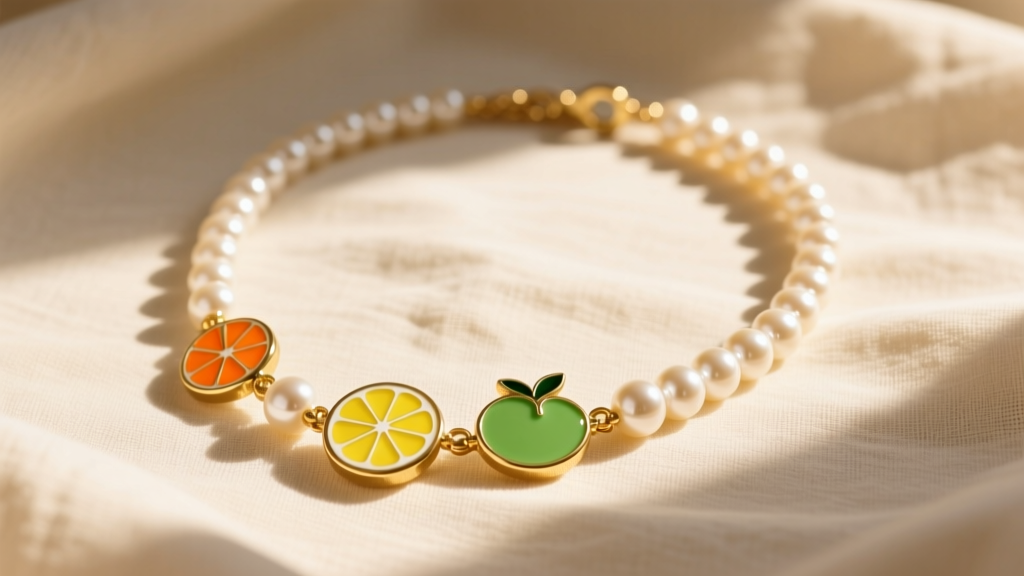
The Kate Spade Lady Marmalade collection is beloved for its whimsical citrus motifs, vibrant enamel work, and classic pearl accents. However, like most fashion jewelry, these pieces are subject to the realities of daily wear. The combination of gold-tone plated brass, cold enamel, and faux or glass pearls creates a unique set of maintenance challenges. Over time, you might notice the gold plating rubbing off, the bright yellow and orange enamel chipping, or the pearls losing their signature luster.
Instead of retiring your favorite piece to the back of your jewelry box, you can tackle these issues head-on. This comprehensive troubleshooting guide will walk you through the exact materials, techniques, and preventive measures needed to restore your necklace to its original glory. Whether you are dealing with a stubborn clasp or a cloudy pearl, these expert-level repair strategies will help you salvage your accessory.
Diagnosing Gold-Tone Plating and Brass Base Issues
The foundation of most Kate Spade fashion jewelry is a brass base metal coated with a thin layer of gold-tone plating. This plating typically ranges from 0.5 to 1.5 microns in thickness. When your necklace begins to look dull or discolored, it is crucial to determine whether you are dealing with surface tarnish or actual plating loss.
Surface Tarnish vs. Plating Wear
Tarnish occurs when the brass beneath the plating reacts with sulfur and moisture in the air, creating a dark, cloudy film that bleeds through microscopic pores in the gold. Plating wear, on the other hand, happens when friction physically removes the gold layer, exposing the raw, pale-yellow brass underneath. If the metal feels smooth but looks dark, it is tarnish. If the metal looks brassy and feels slightly pitted or rough, the plating has worn away.
- For Tarnish: Use a mild, non-abrasive jewelry polishing cloth. Avoid liquid silver dips or harsh chemical baths, as these will strip the remaining gold plating instantly.
- For Plating Loss: Polishing will not fix this. You will need to take the piece to a professional jeweler for electroplating, or use a DIY gold leaf pen for microscopic touch-ups on the citrus charms.
Restoring Chipped Cold Enamel on Citrus Charms
The vibrant lemon, lime, and orange charms on the Lady Marmalade necklace are created using cold enamel (essentially a hardened, pigmented epoxy resin) rather than traditional vitreous enamel, which requires kiln firing. Because cold enamel is essentially a hard plastic, it is prone to chipping if dropped on a hard surface like a bathroom tile floor.
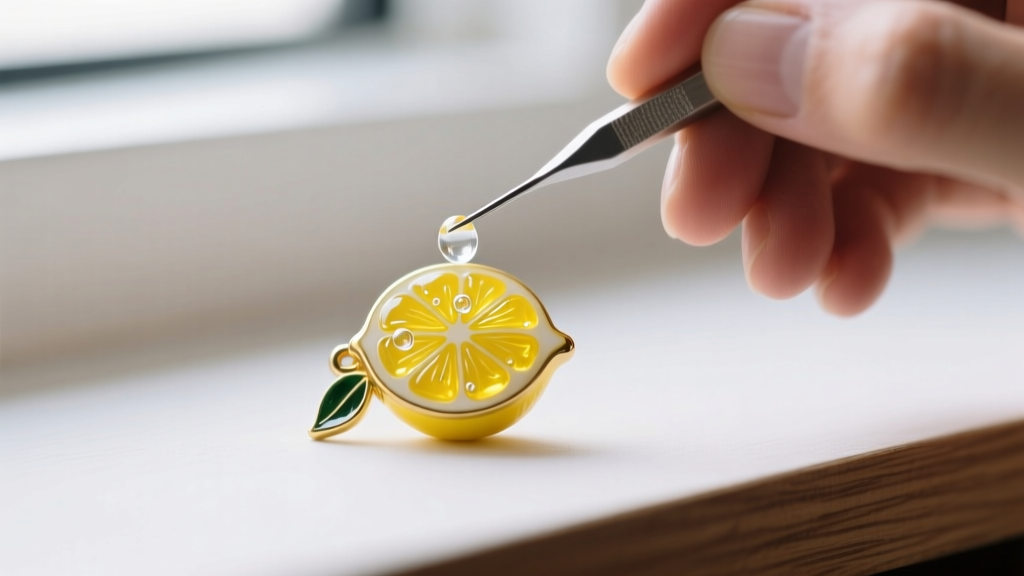
The UV Resin Repair Method
To fix a chip without sending the piece to a specialized factory, you can use jewelry-grade UV resin. According to experts at Rio Grande jewelry supply, UV-cured resins offer excellent clarity and durability for cold enamel repairs.
- Clean the Chip: Use a cotton swab dipped in isopropyl alcohol to remove any skin oils or lotion from the damaged area. Let it dry completely.
- Color Match (If Needed): If the chip exposes the bare brass, mix a tiny drop of alcohol ink (in lemon yellow or bright orange) into a small pool of clear UV resin on a silicone mat.
- Apply the Resin: Using a fine-tipped toothpick or a micro-dabber tool, carefully drop the resin into the chip. Do not overfill; let surface tension create a slight dome.
- Cure: Expose the charm to a 36W UV nail lamp for 60 to 90 seconds until the resin is completely hard and glass-like.
Cleaning and Brightening Faux and Glass Pearls
The pearls featured in the Lady Marmalade collection are typically high-quality glass beads coated with an iridescent finish, often referred to as 'essence d'orient' or a synthetic pearlescent lacquer. This coating is incredibly delicate. The most common problem owners face is 'clouding,' where the pearls turn chalky and lose their reflective shine due to exposure to acidic skin pH, perfume, or improper cleaning agents.
The Gemological Institute of America (GIA) strongly advises against using ultrasonic cleaners or ammonia-based solutions on any pearl, whether natural or faux, as the vibrations and chemicals will permanently strip the nacre or pearlescent coating.
| Cleaning Agent | Safety Status | Effect on Pearlescent Coating |
|---|---|---|
| Mild Dish Soap & Water | Safe | Gently removes oils without degrading the finish. |
| Microfiber Cloth | Safe | Polishes the surface without micro-scratching. |
| Jewelry Dip Solutions | Unsafe | Strips the pearlescent coating, leaving a dull glass bead. |
| Baking Soda Paste | Unsafe | Abrasive particles will permanently scratch the finish. |
| Isopropyl Alcohol | Unsafe | Dissolves the synthetic lacquer over time. |
To safely clean your pearls, mix a few drops of pH-neutral baby shampoo into lukewarm distilled water. Dampen a soft, lint-free cloth in the solution, wring it out until it is barely moist, and gently wipe each pearl individually. Dry them immediately with a separate soft cloth.
Fixing Lobster Clasp and Jump Ring Failures
The hardware on fashion jewelry is often the first point of mechanical failure. The standard lobster clasp used on these necklaces contains a tiny internal spring that can easily become dislodged or clogged with debris, causing the lever to stick or fail to snap shut. Furthermore, the jump rings connecting the clasp to the delicate cable chain are frequently left unsoldered, meaning they can pull apart under tension.
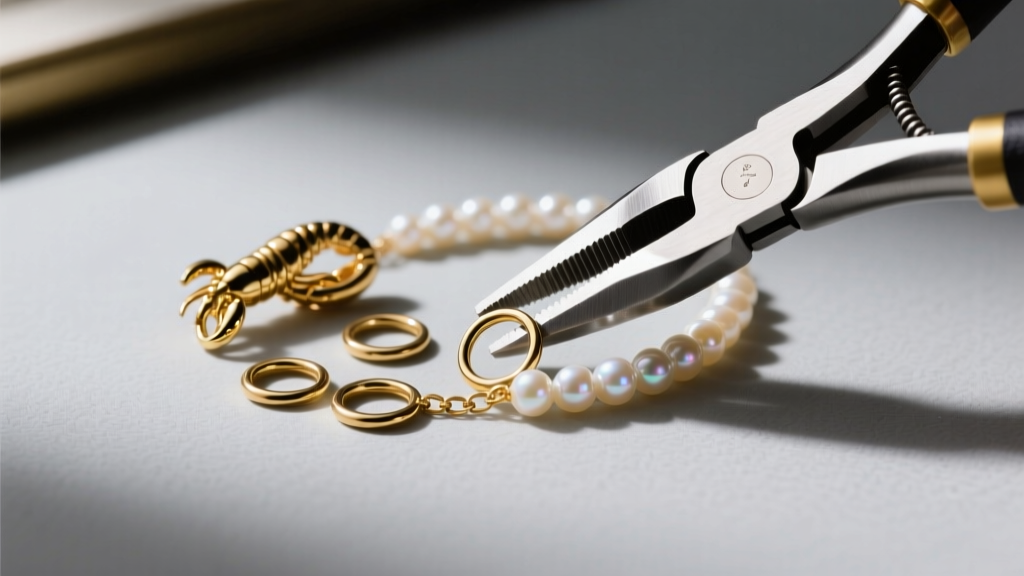
Replacing a Faulty Lobster Clasp
If your clasp is broken, do not attempt to bend the metal back into shape; the internal spring is likely compromised. You can easily replace it using basic tools available from suppliers like Fire Mountain Gems.
- Identify the Size: Most Kate Spade pendant necklaces use a 10mm or 12mm lobster clasp and 4mm or 5mm jump rings.
- Remove the Old Hardware: Use two pairs of flat-nose jewelry pliers to gently twist the jump ring open (always twist laterally, never pull the ends apart outward, which weakens the metal).
- Attach the New Clasp: Slide the new gold-tone 12mm lobster clasp onto the jump ring, then slide the jump ring back through the end link of the pearl chain.
- Secure the Ring: Twist the jump ring closed until you hear a faint 'click' or feel the ends perfectly align. For added security, apply a microscopic drop of jewelry adhesive to the seam of the jump ring.
Untangling Delicate Cable Chains Without Breaking Links
The fine cable chains used in the Lady Marmalade collection are notoriously prone to knotting. Pulling on a knot will permanently stretch the brass links, leading to chain breakage. Instead, lay the necklace flat on a smooth surface, apply a single drop of mineral oil or baby oil directly to the center of the knot, and use two fine sewing needles to gently tease the links apart from the outside in. Wipe away the oil with a soft cloth once the chain is free.
Long-Term Storage and Prevention Framework
Troubleshooting is only half the battle; preventing degradation is where true jewelry care lies. The enemies of gold-tone brass and cold enamel are humidity, friction, and airborne sulfur.
Never store your necklace in the bathroom, as the constant fluctuations in heat and humidity will accelerate brass oxidation. Instead, store the piece in an airtight polyethylene ziplock bag. Place a small square of 3M anti-tarnish paper inside the bag; these papers absorb sulfur compounds from the air and can protect the gold plating for up to six months. Finally, always lay the necklace flat or hang it from a padded jewelry stand to prevent the chain from tangling and the enamel charms from scratching against one another.
By understanding the specific material composition of your Kate Spade Lady Marmalade pearl necklace and applying these targeted repair techniques, you can ensure that this vibrant, statement-making piece remains a staple in your wardrobe for years to come.


