How to Clean and Maintain Different Types of Necklaces
Discover expert cleaning and maintenance protocols for all types of necklaces. Learn material-specific care, chain repair, and storage tips.

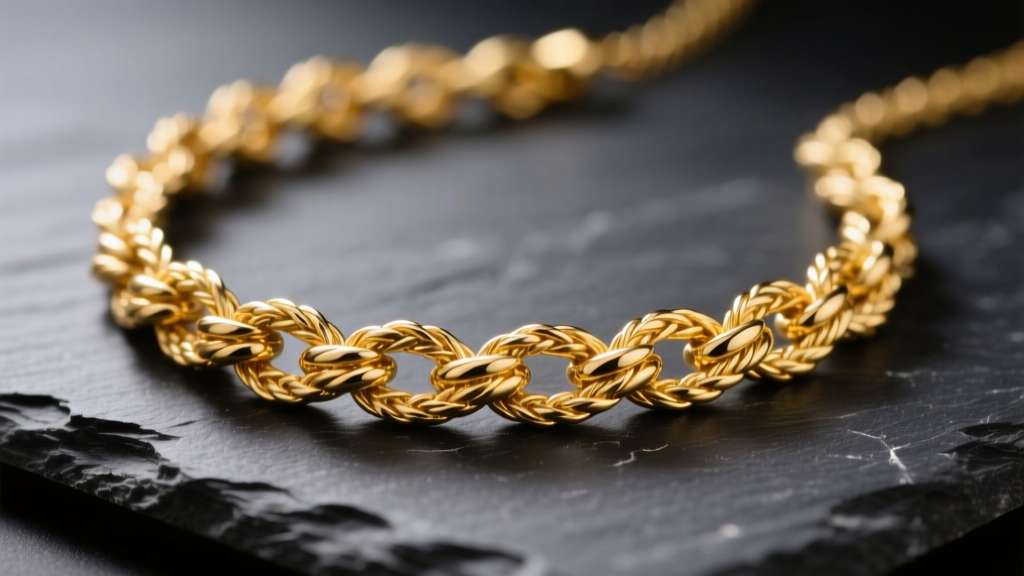
When building a curated jewelry collection, understanding how to properly care for the types of necklaces you own is just as critical as knowing how to style them. A delicate 18k gold vermeil choker and a heavy sterling silver chain link necklace require vastly different maintenance protocols. Using the wrong cleaning solution or mechanical action can strip micron-thin plating, shatter porous gemstones, or permanently kink intricate chain weaves.
In this comprehensive guide, we break down the metallurgical chemistry of jewelry degradation, provide material-specific cleaning frameworks, and offer advanced troubleshooting for common necklace disasters. Whether you are maintaining a vintage locket or a modern minimalist pendant, these expert-level protocols will preserve the structural integrity and brilliance of your pieces.
The Chemistry of Tarnish and Metal Degradation
Before applying any cleaning agent, it is vital to understand why necklaces degrade. Pure 24k gold and pure platinum are highly unreactive, but jewelry is rarely made from pure metals due to their softness.
- Sterling Silver (925): Contains 7.5% copper. Tarnish is not dirt; it is a chemical reaction between the copper/silver alloy and hydrogen sulfide in the air, creating a layer of silver sulfide (Ag2S). High humidity and sulfur-rich environments (like hot springs or urban pollution) accelerate this process.
- 14k and 18k Gold: Alloyed with copper, zinc, and silver. While gold itself does not tarnish, the copper alloys can oxidize when exposed to chlorine, leading to a phenomenon called stress corrosion cracking, which makes the chain brittle and prone to snapping.
- Gold Vermeil & Plated: Vermeil requires a minimum of 2.5 microns of gold over a sterling silver base. Standard gold plating is often less than 0.5 microns. Aggressive polishing or ultrasonic cleaners will physically strip these microscopic layers, exposing the base metal.
Material-Specific Cleaning Protocols
Solid Gold and Platinum
For solid gold (10k, 14k, 18k) and platinum necklaces without porous gemstones, a mild surfactant is the safest approach. Mix a few drops of phosphate-free dish soap in warm (not hot) distilled water. Soak the necklace for 15 minutes to break down sebum and cosmetic residues. Use a baby hairbrush—its ultra-soft bristles can reach into chain links without scratching the metal. Rinse with distilled water and dry with a microfiber cloth. According to the Gemological Institute of America (GIA), avoiding tap water prevents hard water mineral deposits from dulling the metal's finish.
Sterling Silver and Argentium
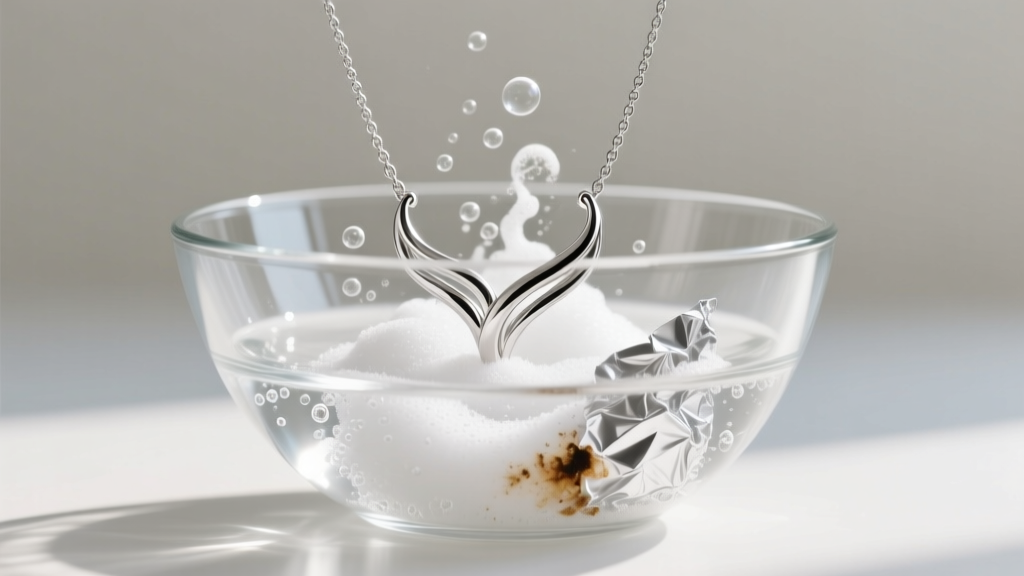
For heavy silver tarnish, skip the abrasive silver dips, which strip the metal's patina and leave it porous. Instead, use an electrochemical ion-exchange bath. Line a glass bowl with aluminum foil (shiny side up), add one tablespoon of baking soda and a pinch of salt, and pour in boiling water. Submerge your silver necklace so it touches the foil. The aluminum, being more anodic, sacrifices its electrons to reduce the silver sulfide back into pure silver. You will smell sulfur (rotten eggs) as the tarnish transfers to the foil. Rinse and buff. Note: Never use this method on oxidized (blackened) silver designs or pieces with glued-in gemstones.
Gold Vermeil and Gold Plated
Treat these pieces with extreme caution. Never use ultrasonic cleaners, polishing cloths infused with rouge, or chemical dips. Simply wipe them down with a damp, lint-free cotton cloth after each wear to remove acidic sweat and body oils, which eat through the gold layer over time. Allow them to air dry completely before storing.
Chain Link Vulnerabilities: Maintenance by Style
The architecture of your chain dictates its cleaning traps and failure points. Different types of necklaces feature distinct weaves that require specialized attention to prevent structural damage.
| Chain Style | Cleaning Difficulty | Primary Vulnerability & Maintenance Tip |
|---|---|---|
| Rope Chain | High | The twisted links trap lotion and dead skin deep within the core. Requires ultrasonic cleaning (40 kHz) if no gems are present. Prone to unraveling if a single solder joint fails. |
| Box Chain | Medium | Square links interlock tightly. Highly resistant to pulling, but if a link bends, the chain kinks and weakens. Use a soft brass brush to clean the flat inner surfaces. |
| Herringbone | Low | Lies flat but is notoriously fragile. Sleeping in it will permanently kink and flatten the links. Wipe only with a polishing cloth; never submerge, as water gets trapped between the flat links. |
| Snake Chain | High | Tightly joined rings create a smooth tube that easily traps oils and perfume. Prone to snapping if bent sharply. Clean with a soft cloth and mild soapy water; avoid brushing. |
| Cable / Link | Low | Simple oval links are easy to clean and highly durable. The main failure point is the lobster clasp spring mechanism, which clogs with hand cream. Flush the clasp with isopropyl alcohol. |
Gemstone and Pearl Pendant Care
When cleaning necklaces with pendants, the gemstone's Mohs hardness and porosity dictate the rules. The Jewelers of America strongly advises against using ultrasonic cleaners on organic or treated gems.
- Pearls and Coral: These organic gems are composed of calcium carbonate and rank a mere 2.5 to 4 on the Mohs scale. Acids, perfumes, and even mild vinegar will etch their surface. Always put pearls on last when dressing. Clean them only with a damp cloth and store them away from harder metals that will scratch them.
- Emeralds and Opals: Most commercial emeralds are fracture-filled with cedar oil or resin. Ultrasonic vibrations and warm soapy water will strip this oil, revealing internal fissures and turning the stone cloudy. Opals contain up to 20% water; heat and ultrasonic waves can cause them to craze or crack. Clean both with a dry, soft brush only.
- Diamonds, Sapphires, and Rubies: These rank 9 to 10 on the Mohs scale and are highly durable. They can withstand ultrasonic cleaners and mild chemical baths, making them the easiest pendants to maintain.
Advanced Storage Solutions to Prevent Micro-Scratches
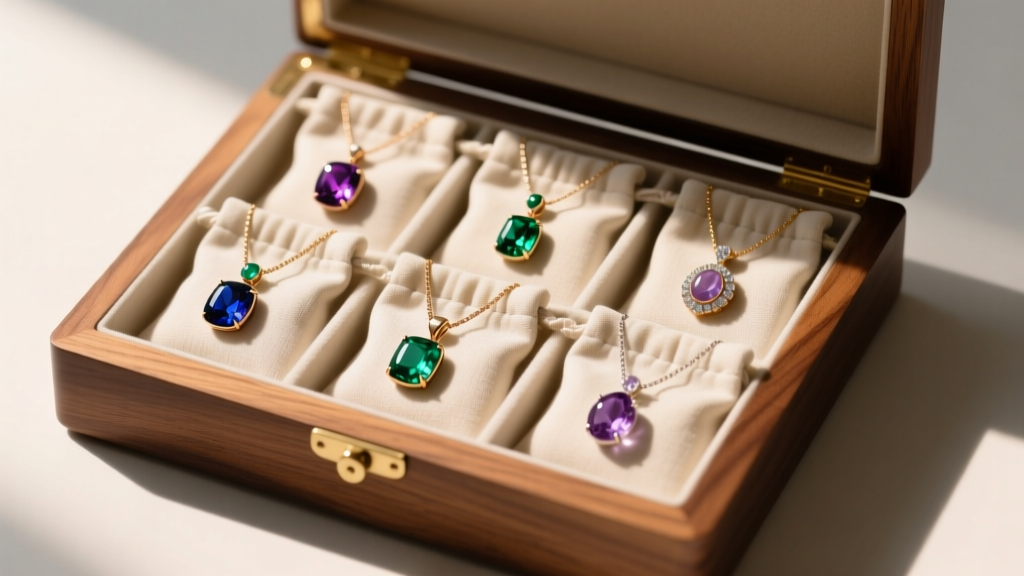
How you store your necklaces is just as important as how you clean them. Tossing multiple types of necklaces into a single drawer guarantees micro-scratches and tangled chains. Diamonds can easily scratch gold and silver, while silver chains can become hopelessly knotted.
Invest in individual, zip-seal polyethylene bags for each piece. Polyethylene does not emit the sulfur gases that PVC plastics do. For silver pieces, drop a 3M anti-tarnish strip into the bag; these strips absorb airborne sulfur compounds and can protect silver for up to 12 months. For necklaces prone to tangling, thread one end of the chain through a plastic straw before clasping it. This keeps the chain taut and physically prevents the links from looping back on themselves during transit or storage.
Troubleshooting Common Necklace Disasters
Micro-Knots in Fine Chains
Fine chains (0.9mm to 1.2mm) are notorious for developing microscopic knots. Do not pull them. Lay the necklace on a flat, hard surface. Apply a single drop of baby oil or olive oil directly to the knot to lubricate the metal. Take two sewing needles and gently work the tips into the center of the knot, wiggling them outward to loosen the tension. Once undone, wash the oil off with dish soap.
The 'Green Skin' Reaction
If a gold or silver necklace leaves a green or black mark on your neck, it is not necessarily fake jewelry. It is a galvanic reaction between the copper alloys in the metal and the acidic pH of your sweat, lotions, or perfumes. To temporarily halt this, paint the back of the pendant and the inner links of the chain with a thin layer of clear nail polish. For a permanent, professional solution, have a local jeweler rhodium-plate the piece, creating an inert, hypoallergenic barrier.
Clogged Clasp Mechanisms
Lobster and spring-ring clasps often fail to snap shut because the internal spring is clogged with dried hand sanitizer or lotion. Dip a cotton swab in 90% isopropyl alcohol and run it over the clasp lever, working the lever back and forth. The alcohol will dissolve the cosmetic buildup and evaporate quickly without rusting the internal steel spring.
Conclusion
Maintaining the diverse types of necklaces in your collection requires moving beyond generic jewelry wipes and adopting a material-specific mindset. By understanding the chemical vulnerabilities of your metals, respecting the physical limits of your chain weaves, and storing your pieces in controlled micro-environments, you ensure that your necklaces remain structurally sound and visually brilliant for generations.


