Kate Spade Pearl Necklace Materials: Simulated vs Cultured
Discover what a Kate Spade pearl necklace is really made of. We compare simulated glass pearls, shell pearls, and cultured freshwater properties.

The Anatomy of a Kate Spade Pearl Necklace
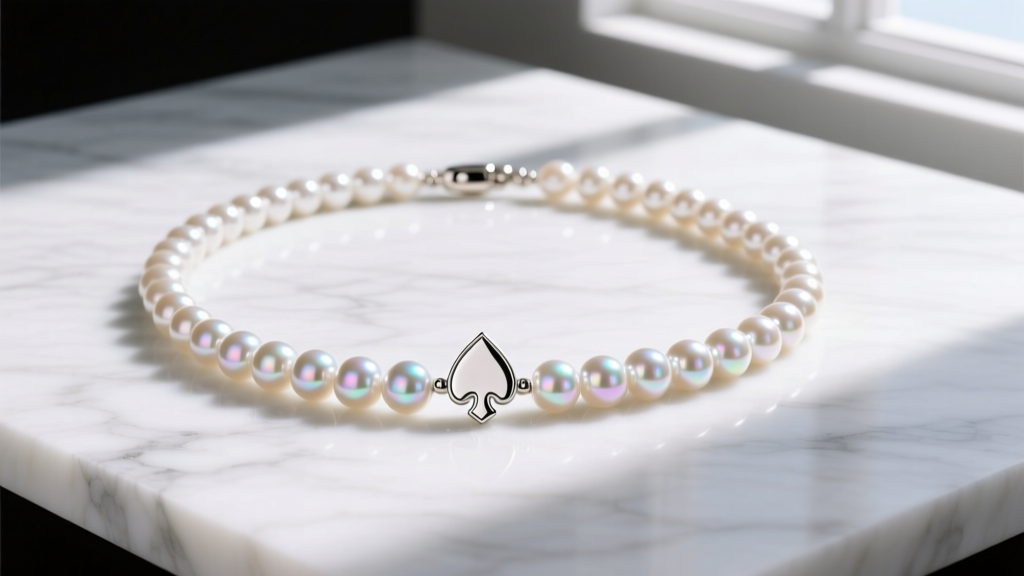
When shoppers search for a 'kate spade pearl necklace,' they are usually drawn to the brand's signature whimsical yet polished aesthetic. The juxtaposition of a classic pearl strand with a playful spade logo charm or a vibrant enamel pendant is a hallmark of the brand's identity. However, from a gemological and material science perspective, it is crucial to understand exactly what you are wearing. Unlike fine jewelry houses that specialize in organic gemstones, Kate Spade New York operates primarily in the fashion and bridge jewelry sector. This means the 'pearls' in these necklaces are rarely cultured freshwater or saltwater gems. Instead, they are meticulously crafted simulated pearls.
In this comprehensive material comparison for 2026, we will break down the exact properties of the pearls, base metals, and plating techniques used in Kate Spade necklaces. By comparing them to genuine cultured alternatives, you can make a highly informed purchasing decision based on material reality rather than just brand marketing.
Decoding the 'Pearl' Material: Glass vs. Shell
Most Kate Spade pearl necklaces utilize high-quality glass pearls or shell pearls. According to the Federal Trade Commission Jewelry Guides, retailers must clearly distinguish between natural/cultured pearls and simulated or imitation pearls. Kate Spade typically labels these as 'glass pearls' or 'simulated pearls' in their product specifications.
Glass Pearls
Glass pearls are created by dipping a solid glass bead into a specialized pearlescent coating. This coating often contains barium sulfate or synthetic titanium dioxide to mimic the refractive index of natural nacre. The glass core provides a satisfying weight and a perfectly spherical shape that is difficult to achieve with organic gems. However, the coating is essentially a type of enamel or lacquer, meaning it lacks the microscopic crystalline structure that gives real pearls their unique optical properties.
Shell Pearls
Some higher-tier fashion lines utilize shell pearls. These use a core of compressed mother-of-pearl (crushed oyster shell), which gives them a specific gravity and thermal conductivity much closer to a real pearl. The core is then coated with 'pearl essence'—a suspension of guanine crystals derived from fish scales or synthetic equivalents. While more expensive to produce than glass pearls, they are still classified as simulated by gemological laboratories.
Simulated vs. Cultured Freshwater: A Gemological Breakdown
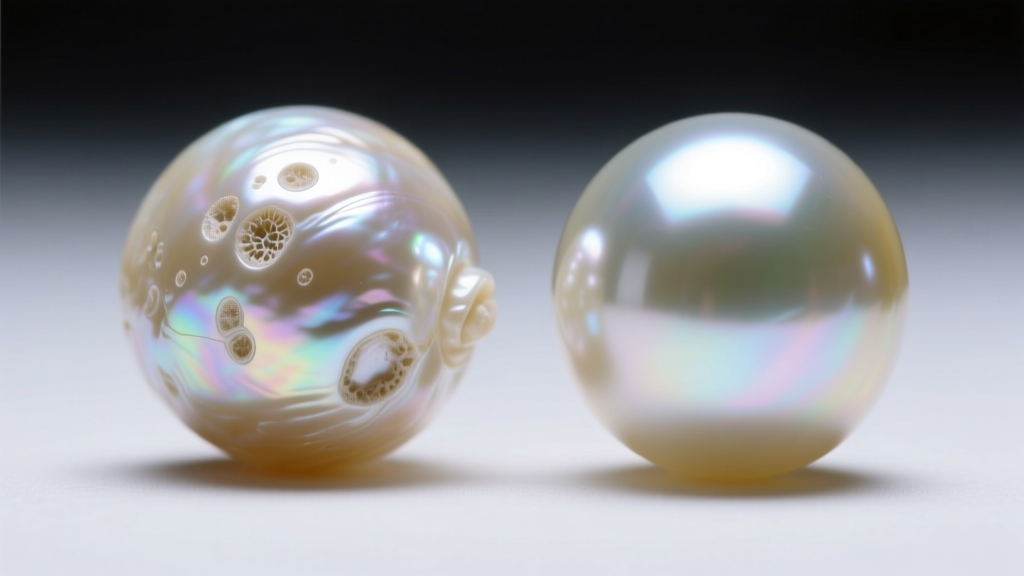
To truly understand the value of a kate spade pearl necklace, we must compare its materials to genuine cultured freshwater pearls. Cultured pearls are organic gemstones formed inside a living mollusk. The Gemological Institute of America (GIA) notes that freshwater pearls are composed almost entirely of nacre (calcium carbonate in the form of aragonite platelets), which gives them their unique, deep luster and 'orient'—the iridescent play of color seen just below the surface.
Luster and Optics
Glass pearls have a highly uniform, mirror-like luster. Because the coating is applied by machine, every bead in a Kate Spade strand will look identical, offering a flawless, hyper-polished aesthetic. Cultured freshwater pearls, however, have a softer, more complex luster due to the microscopic overlapping aragonite platelets. No two cultured pearls are exactly alike, and a natural strand will feature slight variations in color, overtone, and minor surface blemishes.
Durability and Hardness
Glass beads have a Mohs hardness of around 5.5 to 6.0, but the pearlescent coating is much softer (around 2.5 to 3.0). If dropped on a hard surface like tile, a glass pearl may shatter, or the coating may chip away, revealing the clear or milky glass underneath. Cultured freshwater pearls are slightly softer overall (2.5 to 3.0) but are solid nacre all the way through; they will not 'peel,' though they can scratch or lose their luster if exposed to harsh acids or prolonged friction.
| Property | Kate Spade Simulated (Glass) | Cultured Freshwater Pearl |
|---|---|---|
| Core Material | Silica Glass or Resin | Organic Mollusk Tissue |
| Surface Coating | Barium Sulfate / Titanium Dioxide Lacquer | Natural Nacre (Aragonite Platelets) |
| Specific Gravity | ~2.5 (Uniform) | 2.65 - 2.78 (Variable) |
| Mohs Hardness | 5.5 (Core) / 2.5 (Coating) | 2.5 - 3.0 (Solid throughout) |
| Average Retail Price (18-inch Strand) | $75 - $150 (Brand Premium) | $150 - $600+ (Material Value) |
Base Metals and Plating Standards
The chain and clasp of a Kate Spade pearl necklace are just as important as the pearls themselves. The brand predominantly uses brass or zinc-alloy bases for their fashion jewelry lines. To achieve the luxurious gold or silver finish, these base metals undergo electroplating.
Gold-plated styles typically feature a flash plating of 12k or 14k gold over a nickel-free barrier layer (often palladium or copper, as nickel allergies are a major concern in modern jewelry). The thickness of this plating usually ranges from 0.1 to 0.5 microns. While beautiful on day one, flash plating is susceptible to wear. Over a period of 1 to 3 years of daily wear, the friction from skin contact and exposure to sebum can wear through the gold layer, exposing the brass beneath, which may oxidize and cause skin discoloration.
Silver-toned necklaces are usually rhodium-plated brass. Rhodium is a platinum-group metal that provides a brilliant, tarnish-resistant white finish. However, like gold, it will eventually wear off at the friction points near the clasp, requiring professional re-plating if you wish to restore the original factory finish.
Care, Maintenance, and Degradation
Because the pearls are simulated and the metals are plated, the care regimen for a Kate Spade necklace differs vastly from fine jewelry. The GIA Pearl Care Guidelines emphasize that organic pearls need moisture and should never be stored in airtight plastic bags. Simulated glass pearls, conversely, do not need moisture, but their coatings are highly vulnerable to chemical degradation.
- Chemical Exposure: Perfumes, hairsprays, and lotions contain alcohols and solvents that can dissolve the binding agents in the simulated pearl coating, causing it to flake or yellow over time. Always follow the 'last on, first off' rule.
- Cleaning Methods: Never use ultrasonic cleaners or steam cleaners. The high-frequency vibrations will shatter the glass cores or strip the metallic plating from the spade charms and clasps.
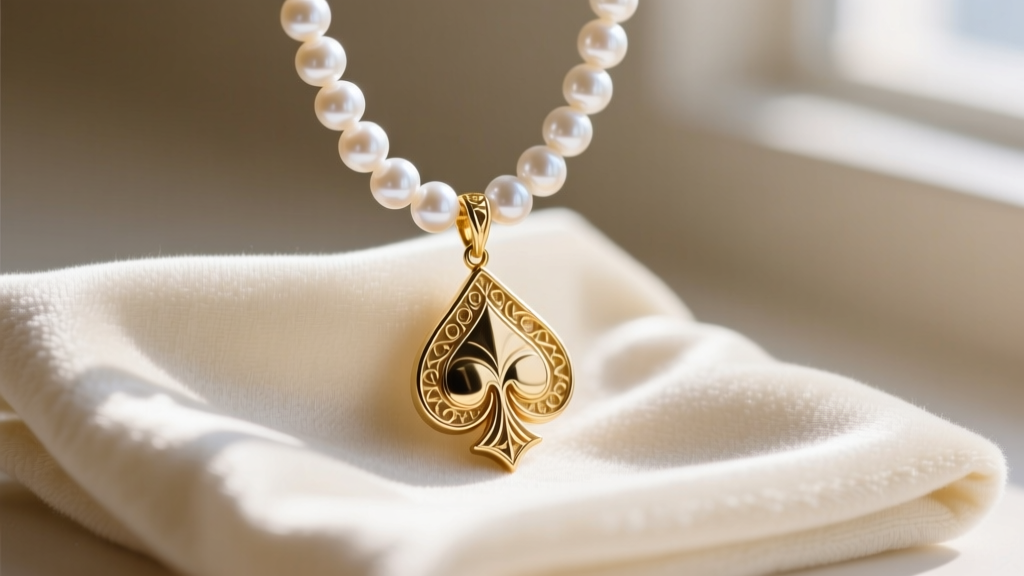
- Routine Maintenance: Use a slightly damp, lint-free microfiber cloth to gently wipe the pearls and metal after each wear to remove acidic skin oils and environmental pollutants.
- Storage: Store the necklace flat or hanging in a soft fabric pouch to prevent the metal clasp from scratching the softer pearlescent coating of the beads.
The Value Proposition: Aesthetic vs. Intrinsic Worth
When you purchase a kate spade pearl necklace, you are not paying for the intrinsic gemological value of the materials. A strand of high-quality, AAA-grade cultured freshwater pearls with a solid 14k gold clasp would retail for significantly more in the fine jewelry market. Instead, the Kate Spade price point reflects the brand's design intellectual property, the precision of their simulated pearl matching, strict quality control in manufacturing, and the aesthetic packaging.
For buyers seeking a trendy, uniform, and highly polished accessory that aligns perfectly with the brand's preppy-chic identity, the material trade-offs are a worthwhile compromise. The flawless uniformity of glass pearls offers a specific, graphic visual appeal that natural pearls simply cannot replicate. However, if your goal is to acquire an heirloom piece that will appreciate or retain intrinsic material value, you should redirect your budget toward solid gold and cultured saltwater or freshwater pearls from a dedicated gemological jeweler.


