The Ultimate Kawaii Necklace Value Guide: Budget vs Quality in 2026
Discover how to evaluate a kawaii necklace for true value in 2026. We break down materials, price tiers, and how to avoid cheap alloys that tarnish.

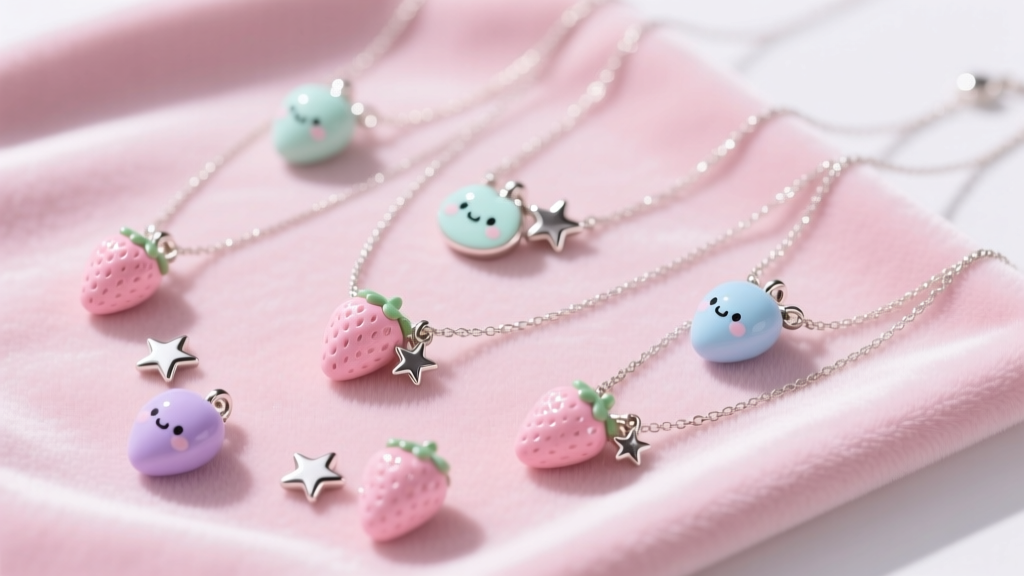
The Anatomy of a Kawaii Necklace: Where the Money Goes
The kawaii aesthetic—characterized by pastel hues, playful motifs like strawberries, stars, and magical girls, and an overall sense of nostalgic charm—has firmly cemented itself in mainstream jewelry. However, as the demand for a cute kawaii necklace surges, the market has been flooded with ultra-cheap, mass-produced alternatives that tarnish within weeks. In 2026, understanding the true value of kawaii jewelry requires looking past the adorable exterior and examining the metallurgy, plating thickness, and enamel quality beneath.
When assessing budget versus quality, the base metal is your primary indicator of longevity. Fast-fashion kawaii necklaces are almost exclusively cast from Zamak (a zinc alloy containing aluminum, magnesium, and copper). While Zamak is cheap and captures fine details in molds, it is highly porous and prone to oxidation. Mid-tier options utilize 316L surgical stainless steel or brass, offering better structural integrity. True high-value pieces are cast in 925 sterling silver, which provides a hypoallergenic, durable foundation that holds its intrinsic value over time.
Plating and Finish: Microns Matter
A major failure point in budget kawaii jewelry is the plating. To achieve those signature rose-gold or silver finishes over cheap base metals, manufacturers use flash plating. Flash plating is typically a mere 0.01 to 0.03 microns thick—essentially a microscopic wash of color that rubs off against the skin's natural oils and friction within a month.
For a kawaii necklace to be considered a high-value purchase, look for heavy gold electroplate (HGE) or vermeil, which legally requires a minimum of 2.5 microns of gold over a sterling silver base. Furthermore, high-quality pieces will feature an e-coating (electrophoretic deposition), a clear protective resin layer applied over the metal that prevents tarnishing and extends the lifespan of the plating by up to three years.
The 2026 Kawaii Necklace Value Matrix
To help you navigate the market, we have broken down the current pricing tiers and what you should realistically expect from your investment.
| Material Tier | Base Metal | Plating / Finish | Price Range | Expected Lifespan |
|---|---|---|---|---|
| Ultra-Budget | Zinc Alloy (Zamak) | Flash Plating (0.03µm) | $5 - $15 | 1 - 3 Months |
| Mid-Tier Value | 316L Stainless Steel | PVD Coating | $25 - $45 | 2 - 5 Years |
| Premium Artisan | 925 Sterling Silver | Vermeil / E-Coated | $60 - $120 | Lifetime (with care) |
Enamel vs. Resin: Decoding the Color
The vibrant, opaque pastel colors that define the kawaii aesthetic are achieved through either enamel or resin. Understanding the difference is crucial for budget assessment.
Cold Enamel (Epoxy Resin)
Most necklaces under the $30 mark use cold enamel, which is essentially a two-part epoxy resin poured into metal recesses. While it mimics the look of traditional enamel, epoxy is highly susceptible to UV degradation. If worn daily in sunlight, cold enamel will yellow and become brittle within 12 to 18 months. It is also prone to shrinking and pulling away from the metal bezels over time.
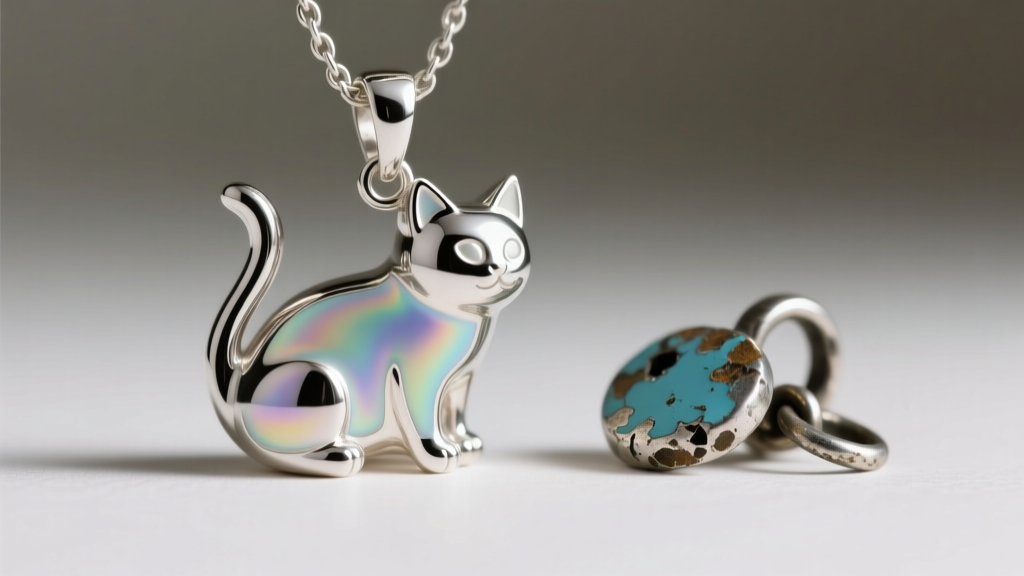
Vitreous Enamel
High-value kawaii pendants utilize vitreous (kiln-fired) enamel. This process involves fusing powdered glass to the metal base at temperatures exceeding 1,400°F (760°C). The result is a scratch-resistant, UV-stable, and permanently vibrant finish that will never yellow or peel. When evaluating a premium kawaii necklace, check the product specifications for "kiln-fired" or "vitreous" enamel to ensure you are paying for lasting quality.
UV-Cured Polyurethane Resin
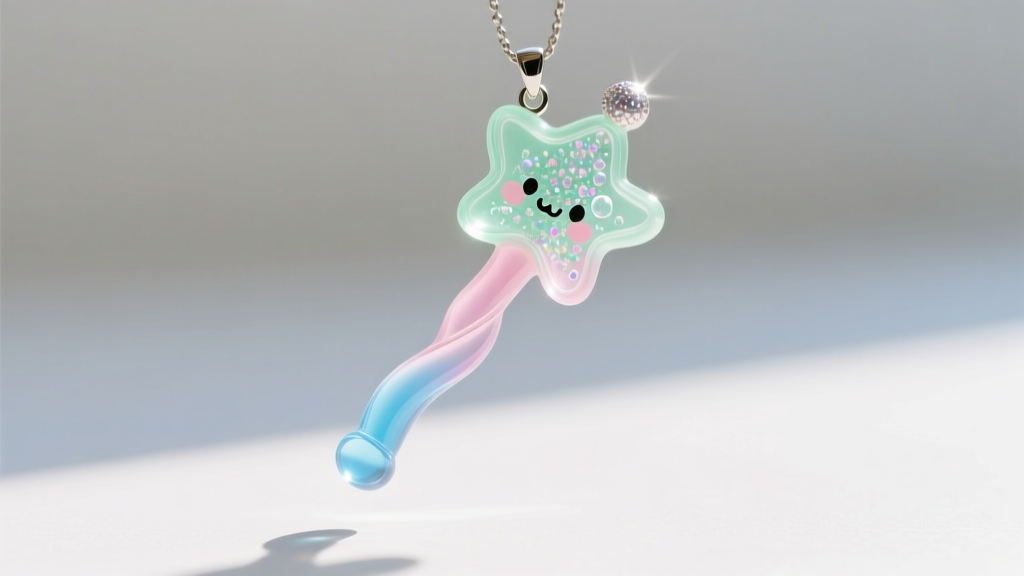
For translucent, "magical girl" style pendants that incorporate glitter, foils, or tiny dried flowers, UV-cured resin is the standard. Unlike cheap epoxy, high-grade UV resin cures with absolute clarity and resists yellowing. When shopping, look for artisans who explicitly state they use UV-stabilized polyurethane resin to avoid the dreaded "cloudy pendant" syndrome.
Red Flags: Spotting Low-Value Fast Fashion
When browsing online marketplaces for a kawaii necklace, be vigilant for these specific failure modes and red flags that indicate poor value:
- Seam Lines on Charms: Visible vertical lines running down the side of a metal charm indicate low-quality, unpolished die-casting. High-value pieces are tumbled and hand-polished to remove mold seams.
- Sloppy Paint Bleed: If the pastel paint spills over the raised metal borders of the charm, it indicates rushed, un-magnified assembly line work.
- Spring Ring Clasps on Heavy Chains: A tiny, hollow spring ring clasp paired with a thick chain is a structural liability. Premium pieces utilize solid lobster clasps that can withstand the tension of daily wear.
- Unsealed Iron Jump Rings: The tiny ring connecting the pendant to the chain should always be soldered shut or made of stainless steel/silver. Iron jump rings will rust and snap, resulting in a lost pendant.
Allergies and Safety: The Hidden Cost of Cheap Metals
Budget kawaii jewelry frequently skirts international safety regulations regarding heavy metals and nickel content. Nickel is a common hardener used in cheap zinc alloys and low-grade silver solders. According to the American Academy of Dermatology, nickel allergy is one of the most common causes of allergic contact dermatitis, resulting in itchy, red, and blistering skin where the jewelry rests.
To ensure safety and value, verify that the manufacturer complies with the EU Nickel Directive, which restricts nickel release to less than 0.5 µg/cm² per week. Reputable brands will explicitly label their items as "nickel-free" and "lead-free." If a $4 kawaii necklace leaves a green or black ring around your neck, it is not just a cosmetic annoyance; it is a chemical reaction between your sweat and the copper/nickel content in the unsealed base metal.
Chain Gauges and Hardware: The Unsung Heroes of Value
A pendant is only as good as the chain that holds it. Budget kawaii necklaces often pair heavy, oversized resin charms with ultra-thin, 0.5mm cable chains. This creates a severe weight imbalance, leading to chain stretching, kinking, and eventual snapping.
For optimal value and durability, match the chain gauge to the pendant weight:
- Lightweight Charms (Under 5g): A 0.8mm to 1.0mm cable or box chain is sufficient.
- Medium Resin Pendants (5g - 15g): Opt for a 1.2mm to 1.5mm rope or curb chain for added tensile strength.
- Heavy Statement Pieces (Over 15g): Require a minimum 2.0mm chain with a reinforced, soldered lobster clasp.
Furthermore, independent jewelry educators at Fire Mountain Gems note that box chains and wheat chains offer superior structural integrity compared to standard cable chains, as their interlocking geometric links distribute tension more evenly across the neckline.
Final Verdict: How to Allocate Your Budget
If you are building a kawaii jewelry collection in 2026, the smartest budget strategy is to save on trend-heavy, novelty acrylic pieces (which can be sourced from independent Etsy artists for $15-$25) and invest heavily in your core, everyday kawaii necklaces. Spend the $70-$120 range on 925 sterling silver bases with vitreous enamel and e-coated vermeil finishes. By prioritizing metallurgical integrity and UV-stable colorants over sheer volume, you ensure your favorite pastel pendants remain vibrant, safe, and structurally sound for years to come.


