Freshwater Cultured Pearls Necklace: 2026 Value & Budget Guide
Discover how to evaluate a freshwater cultured pearls necklace in 2026. Compare pricing, luster grades, and nacre quality to maximize your jewelry budget.

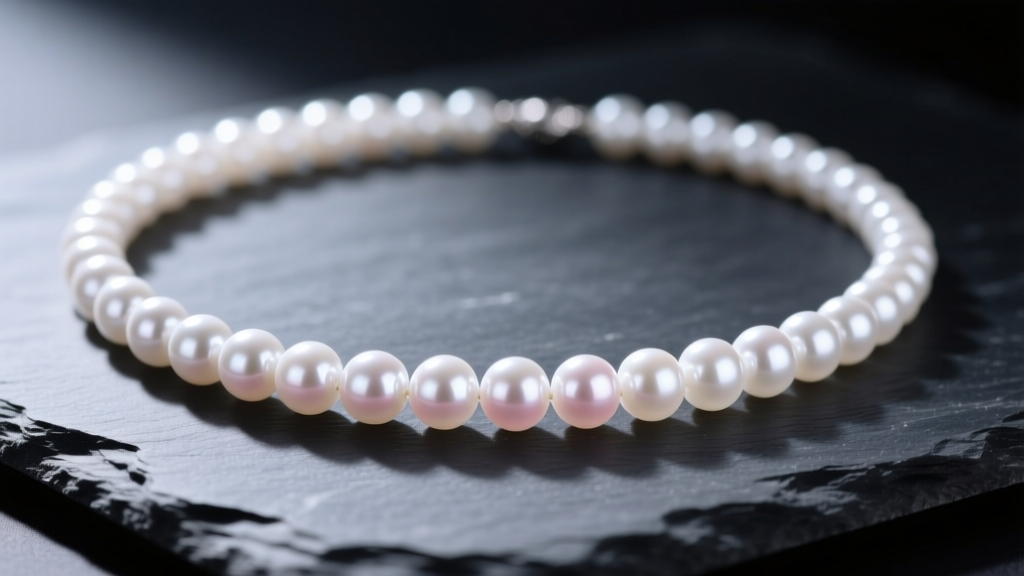
The Real Cost of Freshwater Cultured Pearls Necklaces in 2026
When evaluating a freshwater cultured pearls necklace, the gap between a $50 strand and a $2,500 masterpiece is rarely obvious to the untrained eye. In 2026, the freshwater pearl market has reached unprecedented levels of sophistication, blurring the lines between traditional freshwater varieties and their saltwater counterparts. For decades, freshwater pearls were dismissed as irregular, rice-shaped novelties. Today, advanced cultivation techniques—specifically the rise of bead-nucleated Edison pearls—have introduced perfectly spherical, highly lustrous gems that rival Akoya and South Sea pearls at a fraction of the cost.
However, this democratization of quality has also flooded the market with heavily treated, low-grade inventory disguised as premium jewelry. To make a smart budget assessment, buyers must look beyond the basic carat or millimeter size and scrutinize the nucleation method, luster sharpness, and surface cleanliness. Understanding these variables is the only way to ensure you are paying for genuine gemological value rather than clever marketing.
Decoding the Grading Systems: A-AAA vs. GIA Factors
Unlike diamonds, which are universally graded by the 4Cs, pearls lack a single, globally mandated grading system. Most retailers selling a freshwater cultured pearls necklace rely on the commercial A-AAA scale. While useful as a baseline, this system is largely unregulated, meaning one vendor's 'AAA' might be another's 'AA+'. To counter this, savvy buyers in 2026 cross-reference retail grades with the objective framework established by the GIA's Pearl Quality Factors.
The Gemological Institute of America (GIA) evaluates pearls based on seven distinct value factors: Size, Shape, Color, Luster, Surface Quality, Nacre Quality, and Matching. When assessing a necklace, luster and nacre quality should heavily outweigh minor surface blemishes. A strand with excellent, mirror-like luster and minor pin-prick blemishes will always hold its value better than a flawless but chalky, dull strand. According to the GIA Pearl Description guidelines, high-quality nacre is essential for the pearl's longevity; thin nacre can eventually peel or crack, rendering the necklace worthless.
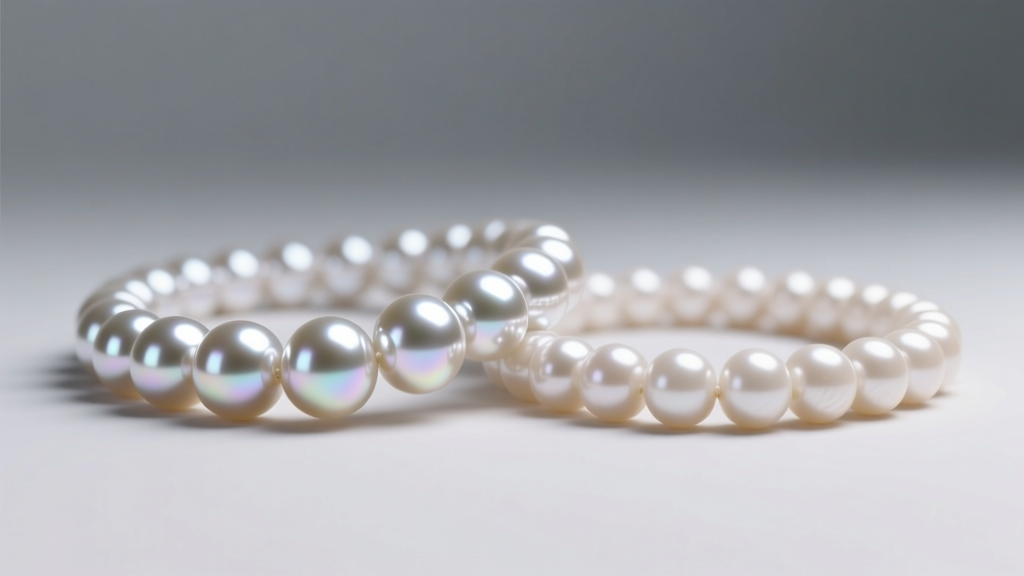
Price Bracket Breakdown: What Your Budget Actually Buys
To accurately assess value, we must segment the 2026 market into distinct pricing tiers. The table below outlines what you can realistically expect when shopping for an 18-inch princess-length freshwater cultured pearls necklace across different budget brackets.
| Budget Tier | Expected Grade | Nucleation Type | Luster Quality | 2026 Price Range |
|---|---|---|---|---|
| Entry-Level | A to A+ | Tissue-Nucleated | Fair to Good (Soft glow) | $45 – $120 |
| Mid-Range | AA+ | Tissue-Nucleated | Good to Very Good | $150 – $350 |
| Premium | AAA | Tissue or Bead | Very Good to Excellent | $400 – $850 |
| Gem-Grade | AAAA / Top 1% | Bead (Edison) | Excellent (Mirror-like) | $1,200 – $3,500+ |
Pro-Tip for Budget Buyers: The 'Mid-Range' tier offers the highest value-to-cost ratio for everyday wear. Tissue-nucleated pearls in the AA+ range are composed of solid nacre all the way through. While they may exhibit slight off-round shapes (near-round or oval) and minor surface wrinkling, their solid nacre composition means they will never peel, making them a highly durable, budget-friendly investment.
Nacre Thickness and Luster: The True Value Indicators
Luster is the soul of a pearl. It refers not just to the surface shine, but to the deep, inner glow created when light penetrates the translucent layers of nacre and reflects back from the crystalline aragonite platelets. In premium freshwater strands, you should be able to see a crisp, distinct reflection of yourself in the pearl's surface. If the reflection is blurry or hazy, the nacre is either too thin or of poor crystalline quality.
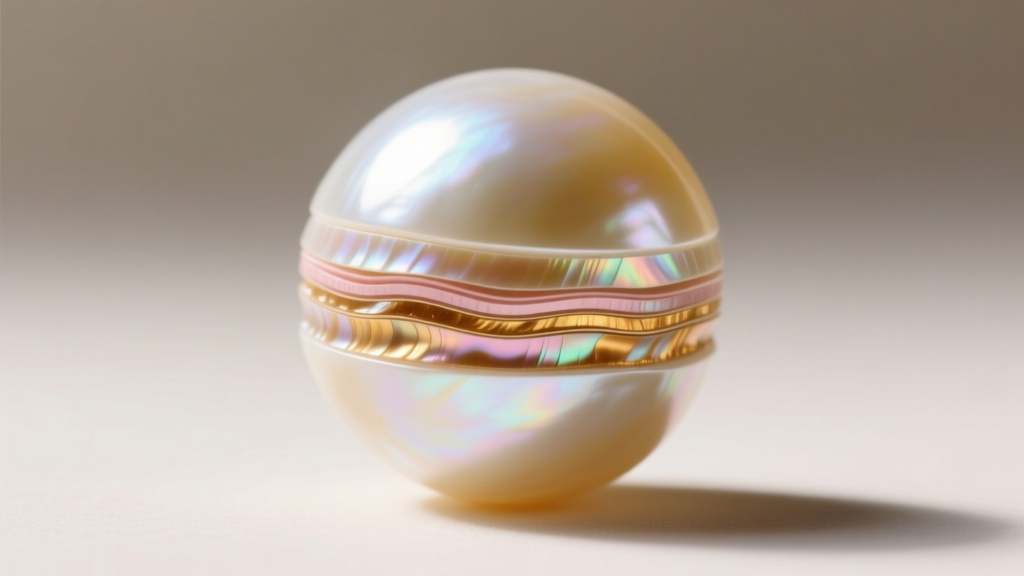
In recent years, bead-nucleated freshwater pearls (commonly known as Edison pearls) have disrupted the market. By inserting a round shell bead alongside a tissue graft, farmers can produce large (11mm-15mm), perfectly round pearls. However, buyers must verify nacre thickness. If a bead-nucleated pearl is harvested too early, the nacre layer may be less than 1mm thick, leading to a phenomenon called 'blinking,' where the underlying shell bead becomes visible through the nacre under certain lighting conditions.
Red Flags: Spotting Overpriced or Treated Pearls
When assessing the value of a freshwater cultured pearls necklace, beware of artificial enhancements designed to mask low-quality inventory. Common treatments include:
- Maeshori: A Japanese technique involving chemical baths and heat to tighten the nacre and artificially boost luster. While accepted in the Akoya market, heavy maeshori in freshwater pearls can make them brittle and prone to cracking over time.
- Bleaching and Dyeing: Lower-grade pearls are often bleached to remove yellowish hues and then dyed to mimic rare colors like Tahitian black or golden South Sea. You can often spot dyed pearls by examining the drill holes; if you see dark concentration rings of color around the hole, the pearl is likely dyed.
- Coating: Some ultra-cheap strands are coated in a pearlescent lacquer. These will feel unusually smooth and lack the deep, complex orient (the play of iridescent colors over the surface body color) of natural nacre.
Smart Sourcing: Where to Buy for Maximum Value
Where you purchase your necklace drastically impacts its true value. Traditional brick-and-mortar jewelers often apply markups ranging from 300% to 800% on freshwater pearls to cover overhead and sales commissions. Conversely, specialized online pearl retailers and direct-to-consumer farms offer vastly superior value. Industry veterans frequently point to resources like Pearl Paradise's Educational Guides to understand how direct sourcing eliminates middlemen, allowing buyers to acquire AAA-grade strands for mid-range prices.
When shopping online, always demand high-resolution, unedited macro photography and video. Stock photos are a major red flag. A reputable vendor will provide exact millimeter measurements, detail any treatments applied, and offer a robust return policy so you can inspect the luster and matching in natural daylight.
Final Verdict: Building a Timeless Investment
A freshwater cultured pearls necklace remains one of the most versatile and elegant additions to any jewelry collection. By shifting your focus away from perfect roundness and prioritizing exceptional luster, solid nacre, and transparent sourcing, you can secure a breathtaking piece that defies its price tag. Whether you opt for a durable, near-round tissue-nucleated strand for daily wear or a spectacular, mirror-like Edison pearl necklace for evening events, applying these 2026 value assessment frameworks ensures your budget is spent on genuine, lasting beauty.


