Beginner's Guide to Buying Your First Kay Diamond Necklace
Discover how to choose the perfect Kay diamond necklace. Learn about diamond grades, metal types, pricing strategies, and signature collections.

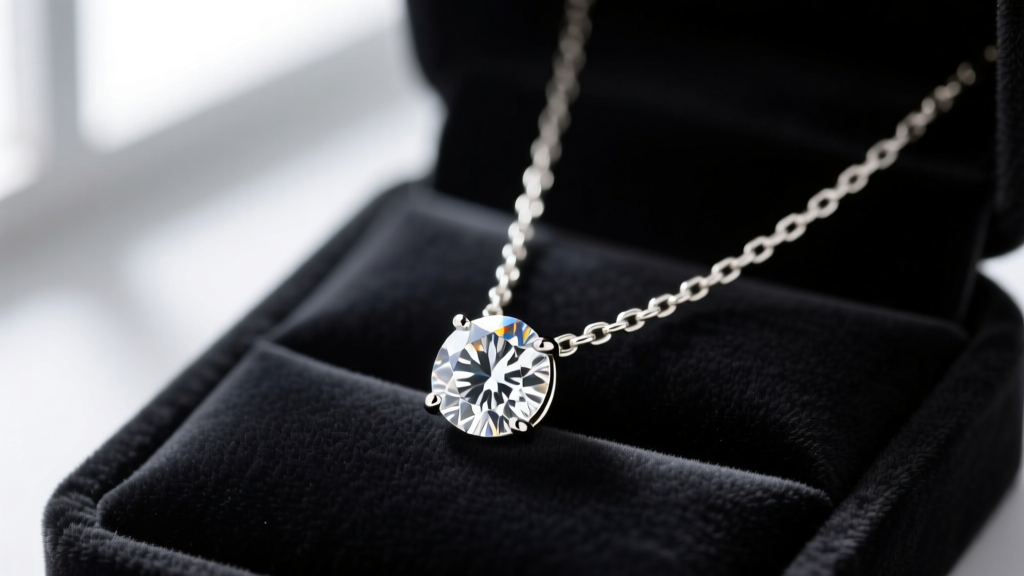
Walking into a mall jeweler can be an overwhelming experience, especially when you are shopping for your first fine jewelry piece. If you have your heart set on a kay diamond necklace, you are looking at one of the most recognizable retail jewelers in North America. Kay Jewelers offers a massive inventory ranging from affordable fashion diamond pendants to high-end bridal collections. However, navigating their specific grading standards, promotional pricing models, and metal options requires a bit of insider knowledge.
This beginner-friendly explainer will demystify the buying process. We will break down exactly what to expect regarding diamond clarity, decode the metal stamps, compare their signature collections, and reveal the pricing strategies you need to know before you hand over your credit card.
Understanding Kay Jewelers' Diamond Grading System
When evaluating any diamond, the industry relies on the 4Cs (Cut, Color, Clarity, and Carat), a system established by the Gemological Institute of America (GIA). However, mass-market retailers like Kay Jewelers operate within a specific segment of this grading scale to offer accessible price points.
The Reality of I1-I3 Clarity
The majority of entry-level and mid-tier diamond necklaces at Kay feature diamonds graded in the I1, I2, or I3 (Included) clarity range. This means the diamonds have inclusions that are visible to the naked eye. As a beginner, it is crucial to understand that 'included' does not necessarily mean 'fragile' or 'ugly.' In a 1/10 carat accent diamond on a halo pendant, I1 inclusions are virtually impossible to see without a jeweler's loupe. However, if you are buying a 1-carat total weight (ctw) solitaire, an I1 diamond will likely have visible black carbon spots or white feather fractures. Always ask to view the specific pendant under a 10x loupe before purchasing.
The Leo Diamond: 82 Facets of Scintillation
Kay’s flagship proprietary diamond is The Leo Diamond. While a standard round brilliant diamond has 57 or 58 facets, the Leo is cut with 82 facets. This modified round cut is engineered to maximize light return and scintillation (the flashes of light you see when the diamond moves). If maximum sparkle is your priority over strict color/clarity grades, a Leo Diamond pendant is a strong choice, as the intricate faceting pattern helps mask lower clarity grades by scattering light aggressively.
Decoding the Metal Options: 10K vs. 14K vs. Sterling Silver
The chain and pendant setting are just as important as the diamond. Kay typically offers necklaces in Sterling Silver, 10K Gold, and 14K Gold. Here is the metallurgical breakdown of what you are actually buying:
- Sterling Silver (925): Composed of 92.5% pure silver and 7.5% copper. It is highly affordable but prone to tarnishing and scratching. Best for occasional wear or fashion-forward pieces.
- 10K Gold (417): Contains 41.7% pure gold. It is the most durable and scratch-resistant gold option, making it excellent for everyday chain necklaces. However, the high alloy content (often zinc, nickel, or copper) can cause contact dermatitis for those with sensitive skin.
- 14K Gold (585): Contains 58.3% pure gold. This is the industry sweet spot for fine jewelry, offering a rich color, excellent durability, and high hypoallergenic properties. If you are buying white gold, note that it is rhodium-plated to achieve a bright white finish and will require re-plating every 12 to 18 months.
Navigating Kay's Signature Collections
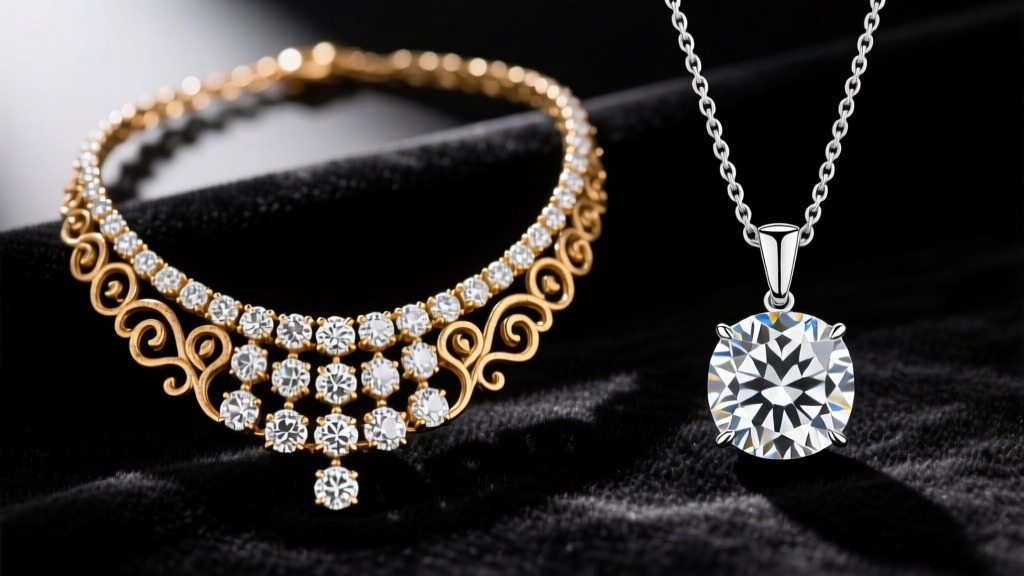
Kay Jewelers partners with several exclusive designers and brands. Choosing the right collection depends on your aesthetic preference and budget. Below is a comparison of their most prominent necklace lines.
| Collection | Signature Feature | Typical Clarity | Price Range | Best For |
|---|---|---|---|---|
| The Leo Diamond | 82-facet modified round cut | I1-I2 | $800 - $4,500 | Maximum sparkle and modern solitaires |
| Neil Lane Couture | Vintage milgrain detailing and halos | I1-I3 | $1,200 - $8,000 | Romantic, antique-inspired aesthetics |
| Kay Creation | Customizable birthstone and diamond accents | I2-I3 | $300 - $1,500 | Personalized gifts and everyday wear |
| Disney Enchanted | Character-inspired motifs with pave diamonds | I2-I3 | $400 - $2,000 | Fandom gifts and sentimental milestones |
Sizing, Chains, and Clasp Mechanics
A beautiful pendant will be ruined if it hangs on a poorly constructed chain. When selecting your kay diamond necklace, pay close attention to the chain style and the clasp.
Chain Styles That Last
For diamond pendants, the Box Chain and the Cable Chain are the most reliable. Box chains feature square links that lay flat and are highly resistant to kinking, making them ideal for supporting the weight of a diamond pendant. Avoid ultra-thin rope chains or herringbone chains for heavy pendants, as they are notorious for snagging on clothing and snapping under stress.
The Clasp Upgrade Trick
Most entry-level necklaces at Kay come standard with a spring ring clasp. These are small, circular clasps that are notoriously difficult to operate with one hand and are prone to mechanical failure over time. For an additional $15 to $25, ask the sales associate to swap the spring ring for a lobster claw clasp. Lobster clasps are significantly more secure, easier to fasten, and provide peace of mind when wearing a valuable diamond piece in public.
The Real Cost: Promotional Pricing vs. Everyday Value
Understanding mall jeweler pricing strategies is perhaps the most critical step for a beginner. Kay Jewelers operates on a 'High-Low' pricing model. This means the Manufacturer's Suggested Retail Price (MSRP) printed on the tag is often inflated by 100% to 200%.
You will frequently see promotions like 'Buy One, Get One 50% Off' or '30% Off All Fine Jewelry.' Never pay full MSRP for a Kay diamond necklace. If a piece is not currently on sale, wait for a major holiday weekend (Valentine's Day, Mother's Day, Black Friday) or ask the manager if there are any unadvertised store promotions. Furthermore, be highly cautious of the store credit card offers. While they may offer '12 Months No Interest,' the deferred interest APR often exceeds 29.99% if the balance is not paid in full by the exact expiration date, which can instantly double the cost of your necklace.
Care, Maintenance, and the Extended Warranty
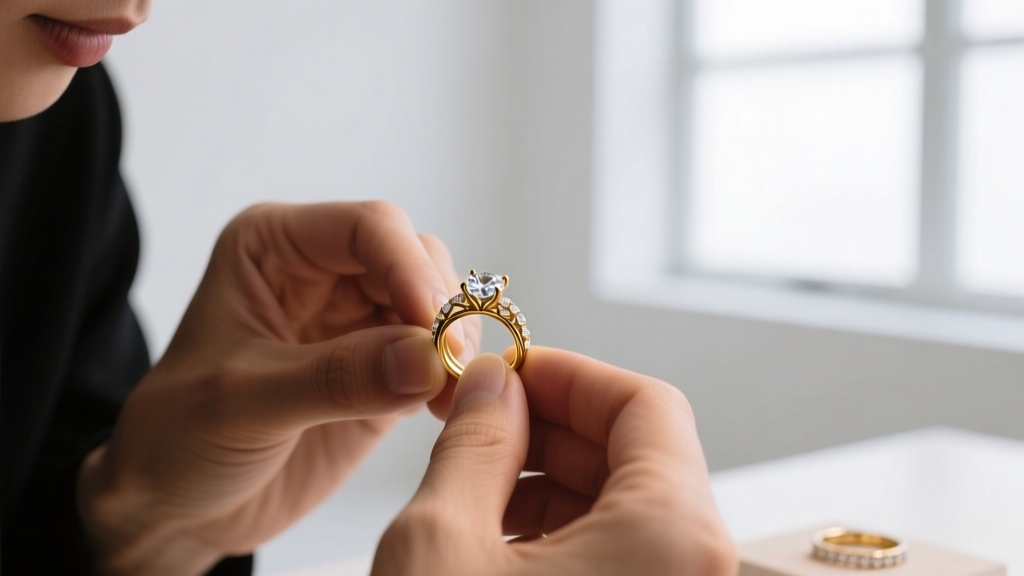
Diamonds are a 10 on the Mohs hardness scale, but the metal settings holding them are not. Proper maintenance is required to keep your necklace secure and sparkling.
At-Home Cleaning vs. Ultrasonic Risks
For routine cleaning, soak the necklace in a bowl of warm water with a few drops of mild dish soap for 20 minutes, then gently brush the back of the diamond (the pavilion) with a soft baby toothbrush. This removes lotion and sebum buildup that dulls the stone. Warning: If your necklace features fracture-filled diamonds or clarity-enhanced stones (common in lower-priced I3 diamonds), never put them in an ultrasonic cleaner. The high-frequency vibrations and heat can melt the glass-like fillers, leaving the diamond looking cloudy and cracked.
Is the Kay Jewelry Care Plan Worth It?
Kay offers an extended Jewelry Care Plan. As outlined by consumer protection guidelines from the Jewelers Vigilance Committee (JVC), buyers must understand exactly what warranties cover. Kay's plan is excellent for routine maintenance: it covers free prong tightening, rhodium re-plating for white gold, and professional polishing. However, it generally does not cover lost diamonds, broken chains due to accidental snagging, or cosmetic damage. If you are buying a delicate 10K chain with a heavy pendant, the plan will not save you if the chain snaps. Factor this into your decision when the cashier prompts you to add the warranty at checkout.
Final Thoughts for the First-Time Buyer
Purchasing a kay diamond necklace is a milestone event. By focusing on the structural integrity of the chain, understanding the visual impact of I-clarity diamonds, and strategically timing your purchase around promotional sales, you can secure a beautiful, meaningful piece of jewelry without falling into common retail traps. Take your time, use the jeweler's loupe, and prioritize the cut and sparkle over sheer carat weight to ensure your necklace shines brilliantly for decades to come.


