Kays Diamond Necklaces: 2026 Trend and Style Analysis
Explore 2026 trends for Kays diamond necklaces. We analyze lab-grown vs. natural clarity, metal grades, pricing, and expert layering techniques.

The 2026 Landscape: Evolution of the Mall Jeweler
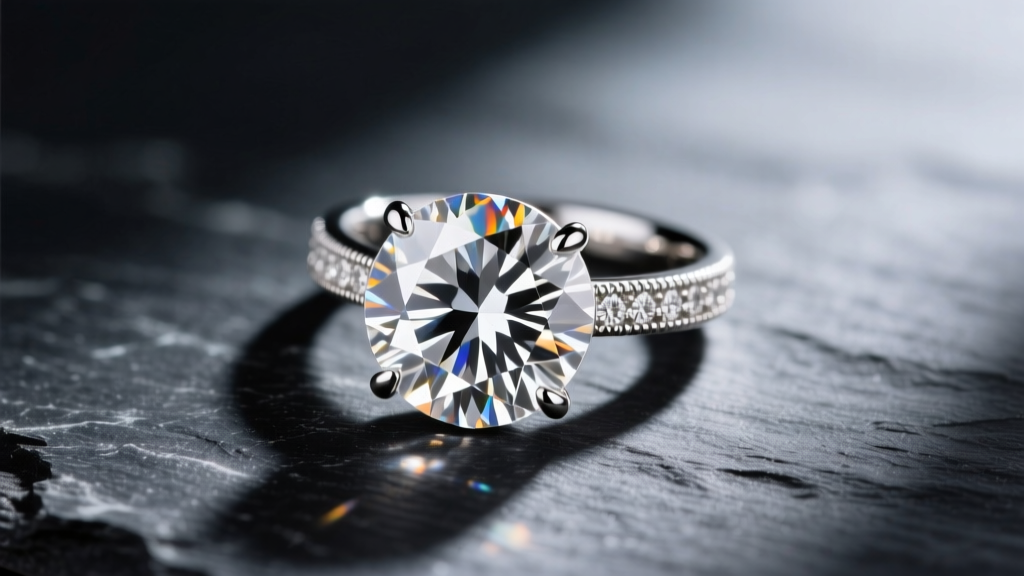
The landscape of accessible luxury jewelry has undergone a radical transformation over the last few years, and Kays diamond necklaces remain at the epicenter of this shift for mainstream American consumers. As we navigate 2026, the traditional mall jeweler model has adapted to a highly educated, digitally-native clientele that demands transparency in sourcing, metallurgy, and gemological grading. Kay Jewelers, leveraging its massive scale and exclusive partnerships (such as Le Vian and their proprietary lab-grown lines), has restructured its pendant and necklace offerings to bridge the gap between entry-level sentimentality and serious gemological investment.
For the modern buyer, understanding the nuances of Kays diamond necklaces requires looking past the brilliant storefront lighting and examining the actual specifications of the stones and settings. Whether you are evaluating a classic solitaire pendant for a milestone anniversary or layering delicate chains for everyday wear, the 2026 collections present a fascinating dichotomy between heavily discounted natural diamonds and premium lab-grown alternatives. This analysis breaks down the exact material grades, pricing architectures, and styling frameworks you need to make an informed purchase.
Decoding the Diamonds: Natural vs. Lab-Grown Realities
One of the most critical aspects of shopping for Kays diamond necklaces is understanding the stark contrast between their natural "promotional" diamonds and their lab-grown inventory. Historically, mall jewelers have relied heavily on I1 and I2 clarity natural diamonds to hit accessible price points (often between $300 and $800 for a 0.25ct to 0.50ct pendant). According to the GIA Diamond Clarity Grading Scale, I1 and I2 diamonds contain inclusions that are obvious under 10x magnification and often visible to the naked eye. These can manifest as dark carbon spots, opaque clouds, or structural feathers that interfere with light return, resulting in a "sleepy" or salt-and-pepper appearance.
Conversely, the 2026 push toward lab-grown diamonds at Kay has introduced VS1 and VS2 clarity stones at nearly identical price points to their lower-tier natural counterparts. Lab-grown diamonds possess the exact same chemical and optical properties as mined diamonds but are grown in controlled environments, drastically reducing the occurrence of heavy inclusions.
Specification Comparison: Kay's 2026 Pendant Inventory
| Feature | Natural (Promotional Tier) | Lab-Grown (Premium Tier) |
|---|---|---|
| Clarity Range | I1 - I2 (Visible Inclusions) | VS1 - VS2 (Eye-Clean) |
| Color Range | I - J (Faint Yellow/Brown Tint) | E - G (Colorless to Near-Colorless) |
| Avg. Price (0.50ct Solitaire) | $650 - $900 | $700 - $1,100 |
| Visual Performance | Moderate brilliance, visible flaws | Maximum light return, pristine facets |
| Best Use Case | Traditional sentiment, heirloom focus | Daily wear, modern luxury, visual impact |
Note: Always request the specific diamond dossier or IGI/GIA certificate when purchasing lab-grown pendants over 0.30ct to verify the cut grade, which dictates the stone's actual sparkle.
Trending Silhouettes: What is Moving in 2026
The era of the standard four-prong round brilliant solitaire as the only acceptable pendant is over. While it remains a staple, the 2026 trend data shows a massive surge in alternative silhouettes and setting styles within Kays diamond necklaces. Consumers are gravitating toward designs that offer both aesthetic uniqueness and practical durability for active, everyday lifestyles.
- Bezel-Set Ovals and Pears: Prong settings can snag on knitwear and activewear. The modern bezel setting, where a thin rim of metal completely encircles the diamond's girdle, offers superior protection. Oval and pear shapes in bezel settings provide an elongated, elegant profile that catches the light beautifully while minimizing the risk of chipping the stone's delicate points.
- East-West Marquise Pendants: Instead of hanging vertically, marquise and emerald-cut diamonds are being set horizontally (East-West) across the collarbone. This architectural, modernist approach transforms a traditional diamond shape into a striking, contemporary statement piece that sits flush against the skin.
- Toi et Moi (You and Me) Pendants: Featuring two distinct stones (often a mix of shapes, like a round brilliant paired with a pear, or a diamond paired with a sapphire), this romantic silhouette has dominated social media and translated heavily into Kay's premium collections. It allows for personalization and asymmetrical visual interest.
- Hidden Halos and Floating Bail Designs: Rather than a traditional visible halo that can look dated or bulky, 2026 designs feature "hidden halos" (diamonds set on the sides of the basket) or floating bails that allow the diamond to slide directly onto the chain, creating an illusion that the stone is hovering on the neckline.
Metallurgy and Maintenance: 10K vs. 14K vs. Platinum
The metal holding your diamond is just as critical as the stone itself. Kay Jewelers predominantly offers pendants in 10K gold, 14K gold, and occasionally platinum for high-ticket items. Understanding the metallurgical realities of these alloys is essential for long-term wearability and maintenance budgeting.
10K Gold (41.7% Pure Gold): Often used in Kay's entry-level promotional pendants. While highly durable and resistant to bending, 10K gold has a noticeably paler, less rich color than higher karats. More importantly, white 10K gold contains higher amounts of alloy metals like nickel, copper, and zinc, making it more prone to tarnishing and causing skin discoloration or allergic reactions in sensitive wearers.
14K Gold (58.3% Pure Gold): The sweet spot for fine jewelry. 14K white gold is Kay's most popular offering, but buyers must remember that white gold is naturally yellowish and is plated with rhodium to achieve a bright white finish. Expect to pay $50 to $80 every 12 to 18 months to have the pendant and chain re-plated as the rhodium wears off from friction and skin oils.
Platinum: Reserved for premium natural diamond pendants (usually 1.00ct and above). Platinum is naturally white, hypoallergenic, and incredibly dense. Instead of wearing away like gold, platinum develops a "patina" (a satin-like finish from microscopic scratches) which can be polished back to a high shine. It is heavier and more expensive, but requires less chemical maintenance over its lifespan.
Styling Frameworks: Chain Gauges and Layering Mechanics
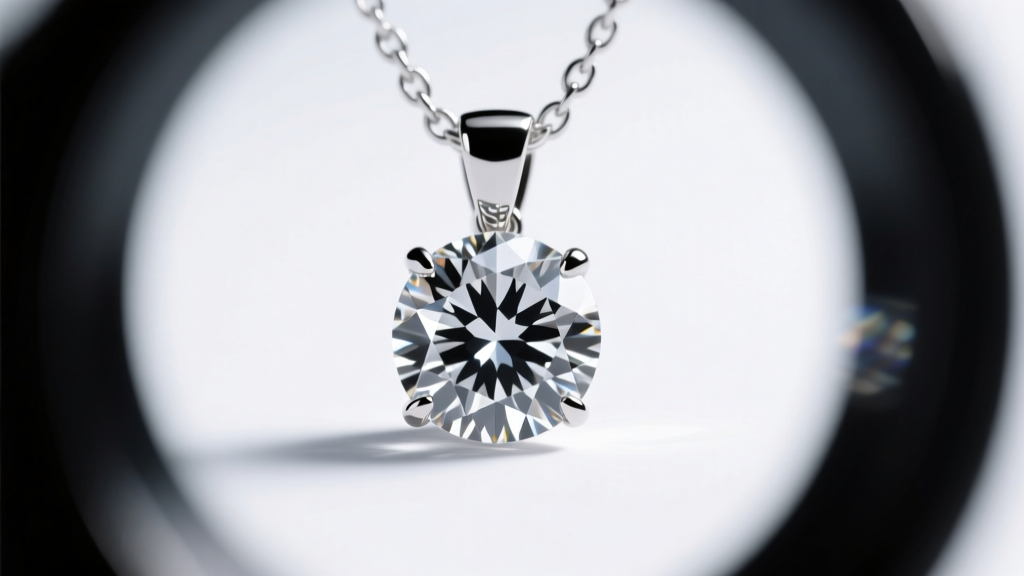
A common failure mode in commercial diamond necklaces is chain breakage caused by mismatched pendant weights and chain gauges. When styling Kays diamond necklaces, the structural integrity of the chain must be matched to the carat weight of the pendant.
Expert Sizing Rule: A standard 0.7mm to 0.9mm box chain is perfectly suited for lightweight pendants (0.10ct to 0.25ct). However, hanging a 0.75ct or 1.00ct diamond pendant on a 0.9mm chain will cause the metal bail to act like a saw, slowly grinding through the chain links due to friction. For pendants over 0.50ct, always upgrade to a 1.2mm to 1.5mm wheat, rope, or solid cable chain to ensure the tensile strength can support the pendant's dynamic movement.
The 2026 Layering Matrix
Layering remains a dominant trend, but the haphazard "tangle" look has been replaced by precise, mathematically spaced layering. To successfully layer Kays diamond pendants without them constantly flipping and tangling, follow this spacing framework:
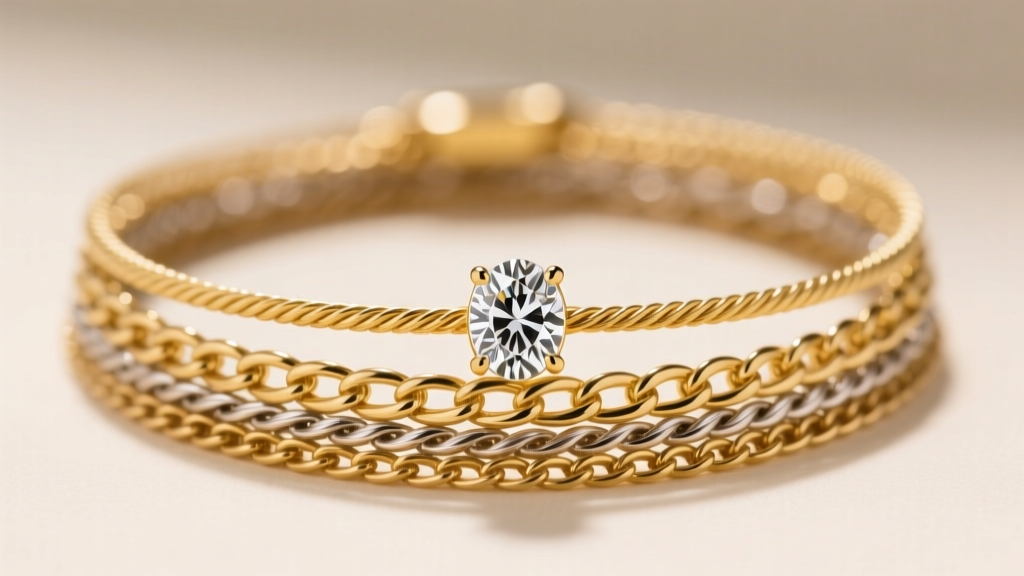
- Base Layer (15-16 inches): A delicate 14K gold chain featuring a micro-pave diamond station necklace or a tiny 0.05ct bezel solitaire. This sits high on the collarbone.
- Focal Layer (18-20 inches): The primary pendant. An East-West marquise or a 0.50ct oval bezel set on a slightly heavier 1.2mm chain. The 2-to-4 inch drop difference prevents the bails from catching on one another.
- Anchor Layer (22-24 inches): A heavier, textured chain (like a paperclip link or a thick rope chain) without a pendant, or featuring a simple, heavy gold medallion to ground the visual weight of the stack.
For further reading on how light performance and cut grades affect the visual size of a diamond in a pendant setting, the GIA Diamond Anatomy Guide provides essential foundational knowledge that applies directly to evaluating any jeweler's inventory.
The Verdict: Navigating Value and Sentiment
Kays diamond necklaces in 2026 offer a highly accessible entry point into fine jewelry, provided the buyer approaches the purchase with a clear understanding of gemological trade-offs. If your priority is maximum visual brilliance, eye-clean clarity, and modern color grades, Kay's lab-grown diamond pendants represent an exceptional value proposition, often outperforming their natural counterparts in the same price bracket. However, if you are purchasing for traditional sentiment and prefer the geological rarity of a mined stone, you must be prepared to scrutinize the stone for visible I1/I2 inclusions and factor in the long-term maintenance costs of rhodium-plated white gold settings. By prioritizing structural chain gauges, modern bezel silhouettes, and precise layering lengths, you can elevate a commercial mall-jeweler piece into a sophisticated, enduring element of your personal style wardrobe.


