Kay's Mother's Day Necklace Materials: 2026 Buyer's Guide
Compare metals, gemstones, and chain types in a Kay's Mother's Day necklace. Our 2026 material guide ensures you buy durable, lasting jewelry.

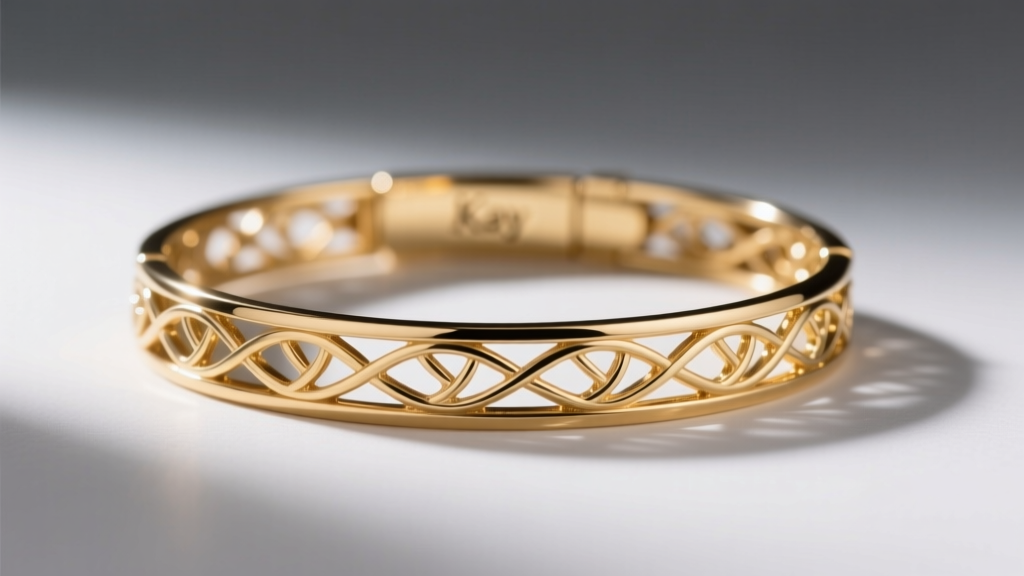
The Metallurgy of Sentiment: Decoding Kay's Signature Alloys
When shopping for a meaningful gift, a Kay's Mother's Day necklace often tops the list due to the retailer's vast selection of personalized pendants, birthstone lockets, and family tree motifs. However, the emotional value of these pieces must be matched by their physical durability. To make an informed purchase in 2026, you must look past the display case lighting and understand the specific metallurgical properties of the alloys used in Kay's signature collections.
Kay Jewelers primarily offers pendants and chains in three base metals: sterling silver, 10-karat gold, and 14-karat gold. Each possesses distinct structural characteristics that dictate how the necklace will age over decades of wear.
Sterling Silver and Rhodium Plating Dynamics
Sterling silver is an alloy consisting of 92.5% pure silver and 7.5% copper. While pure silver is too soft for daily jewelry, the copper addition provides necessary tensile strength. However, copper is highly reactive to sulfur and moisture in the air, leading to oxidation (tarnish). To combat this, Kay's silver necklaces are typically plated with rhodium, a rare platinum-group metal. This rhodium layer is usually applied at a thickness of 0.1 to 0.5 microns. While it provides a brilliant, tarnish-resistant white finish, friction from clothing and skin oils will eventually wear this microscopic layer away, requiring re-plating every few years to maintain the pristine look.
10K vs. 14K Gold: The Alloy Trade-Off
Gold purity is measured in karats, with 24K being pure gold. Pure gold is far too malleable for jewelry, so it is alloyed with metals like copper, zinc, and nickel. According to standards outlined by Jewelers of America, 14K gold contains 58.3% pure gold, offering an excellent balance of rich color, hypoallergenic properties, and scratch resistance.
Conversely, 10K gold contains only 41.7% pure gold. While 10K gold is technically harder and more resistant to denting due to its higher alloy content, it is significantly more prone to oxidation and can cause contact dermatitis in wearers with nickel or copper sensitivities. If you are purchasing a locket or pendant that will rest directly against the sensitive skin of the décolletage, 14K gold is the superior dermatological and metallurgical choice.
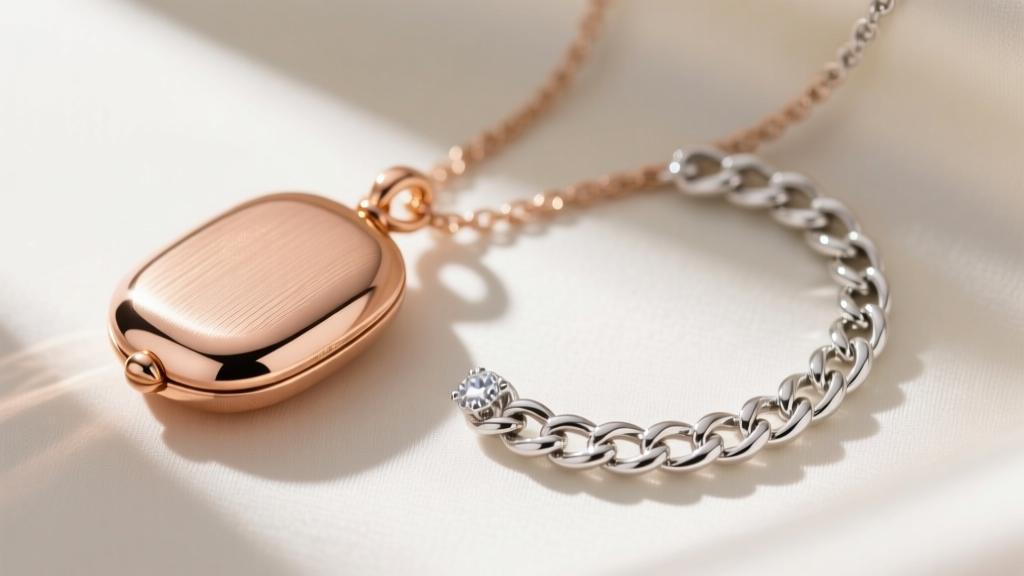
Gemstone Hardness: What Survives Daily Wear?
A major draw of a Kay's Mother's Day necklace is the inclusion of birthstones. Whether you are selecting a garnet for January, an amethyst for February, or a created sapphire for September, understanding the Mohs Hardness Scale is critical. The Mohs scale, developed by German geologist Friedrich Mohs, measures a mineral's resistance to scratching. While pendants do not endure the same blunt-force trauma as rings, they are still vulnerable to accidental impacts against countertops, seatbelts, and other jewelry.
The Cleavage and Fracture Factor
Hardness is only half the equation; toughness (resistance to breaking or chipping) is equally vital. For example, while a created diamond or sapphire ranks incredibly high on the Mohs scale, gemstones like topaz (Mohs 8) possess perfect basal cleavage, meaning a single sharp blow at the right angle can split the stone cleanly in half. According to the Gemological Institute of America (GIA), understanding a gem's internal crystal structure is just as important as its surface hardness when evaluating long-term wearability.
| Common Kay Birthstone | Mohs Hardness | Cleavage / Fracture Risk | Daily Wear Recommendation |
|---|---|---|---|
| Created Sapphire | 9.0 | No true cleavage; excellent toughness | Highly recommended for daily wear |
| Amethyst (Quartz) | 7.0 | Conchoidal fracture; moderate chipping risk | Good for daily wear; avoid hard impacts |
| Garnet | 6.5 - 7.5 | No cleavage; uneven fracture | Moderate; prone to surface abrasion over time |
| Opal (Doublet/Triplet) | 5.5 - 6.5 | Conchoidal fracture; high risk of cracking | Occasional wear only; highly sensitive to heat |
Lab-Created vs. Natural Diamonds in Kay's Pendants
In recent years, Kay Jewelers has heavily expanded its lab-created diamond inventory, particularly for Mother's Day pendants featuring diamond accents or solitaire stones. From a purely chemical standpoint, lab-created diamonds are identical to natural diamonds; both are composed of a crystalline carbon lattice. However, their formation processes result in different inclusion profiles and pricing structures.
Natural diamonds mined from the earth often contain inclusions like olivine, garnet, or sulfide minerals, which act as a geological fingerprint. Lab-created diamonds, grown via Chemical Vapor Deposition (CVD) or High Pressure High Temperature (HPHT) methods, may contain microscopic metallic flux inclusions or uncrystallized carbon spots. When selecting a diamond pendant from Kay, always request the grading report. A lab-created diamond will offer significantly higher clarity and color grades for the same price point as a lower-grade natural diamond, allowing you to maximize the optical brilliance of the pendant without compromising on material integrity.
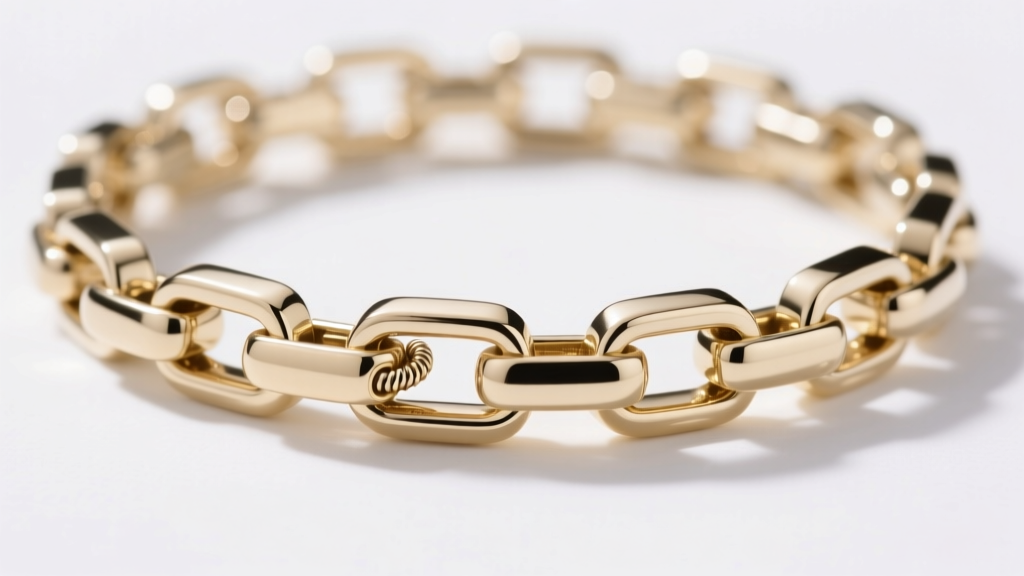
Chain Link Integrity: The Unsung Hero of Pendant Necklaces
The most common point of catastrophic failure in any necklace is not the pendant itself, but the chain and its clasp mechanism. Kay's Mother's Day necklace collections typically pair pendants with one of three chain styles: the cable chain, the box chain, or the rope chain. Each has distinct tensile properties and failure modes.
Evaluating Chain Structures
- Cable Chains: Composed of uniform oval links. While classic and lightweight, they are the weakest option. The single soldered joint on each link is a primary failure point, and they are highly prone to kinking and stretching if the pendant is too heavy for the chain's gauge.
- Box Chains: Made of interlocking square links that form a smooth, continuous box shape. These offer excellent tensile strength and lie flat against the skin. However, if a box chain kinks or is crushed, it is notoriously difficult for a jeweler to repair without replacing the entire section.
- Rope Chains: Constructed from twisted links that mimic a woven rope. Rope chains possess the highest tensile strength of the three and are incredibly resistant to snapping. The trade-off is that their complex, interwoven structure can trap skin oils and lotions, requiring more frequent ultrasonic cleaning to maintain their light-reflecting facets.
The Jump Ring and Clasp Vulnerability
Regardless of the chain style, the jump ring—the small circular wire that connects the pendant to the chain—and the spring ring clasp are the most vulnerable components. Ensure that the jump ring on your chosen Kay's necklace is fully soldered shut. An unsoldered jump ring will eventually warp open under the pendulum-like swinging motion of a pendant, leading to the loss of the jewelry. For 2026 purchases, opt for chains featuring a lobster clasp rather than a standard spring ring, as lobster clasps offer a more secure, spring-loaded locking mechanism that resists accidental unhooking.
Final Verdict: Maximizing Value for Your 2026 Purchase
Selecting the perfect Kay's Mother's Day necklace requires balancing aesthetic sentiment with material science. For a piece intended to be worn daily, prioritize a 14K gold setting over sterling silver to avoid the inevitable wear-through of rhodium plating. Pair it with a high-toughness gemstone like a created sapphire or a diamond, and ensure it is suspended from a soldered box or rope chain. By scrutinizing the alloy composition, gemological hardness, and structural integrity of the chain links, you ensure that your sentimental gift remains a durable, lasting heirloom for decades to come.


