Buying a Pearl Necklace: 2026 Budget & Value Assessment
Discover if buying a pearl necklace is worth your budget in 2026. We break down nacre grades, pricing tiers, and value retention for smart shoppers.

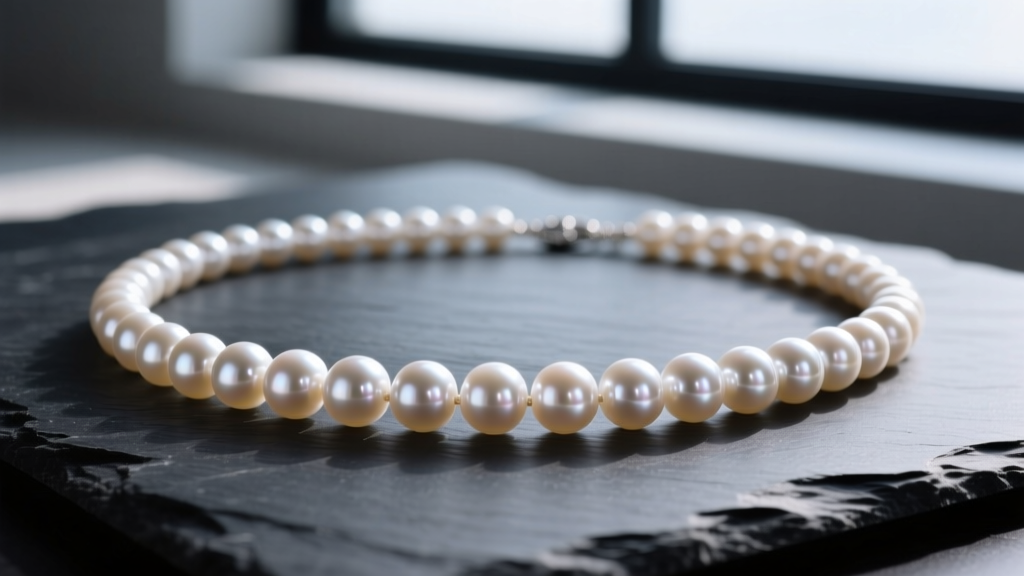
The True Cost of a Pearl Necklace in 2026
When you decide to invest in a pearl necklace, the market can feel overwhelmingly opaque. Prices for a seemingly identical 18-inch strand can range from $45 at a fast-fashion retailer to over $15,000 at a high-end jeweler. As we navigate the 2026 jewelry market, understanding the budget and value assessment of these organic gems is critical. Supply chain shifts, particularly the consolidation of freshwater pearl farming in China and the ongoing environmental impacts on Japanese Akoya oyster beds, have fundamentally altered pricing structures.
Unlike diamonds or gold, pearls are organic and inherently delicate. Their value is not just in their rarity, but in their luster, nacre thickness, and surface cleanliness. According to the Gemological Institute of America (GIA), pearl quality factors are distinctly different from the traditional 4Cs used for faceted gemstones. To determine if a pearl necklace is a sound financial and aesthetic investment, we must dissect what you are actually paying for.
Decoding Pearl Grades: Where Your Money Actually Goes
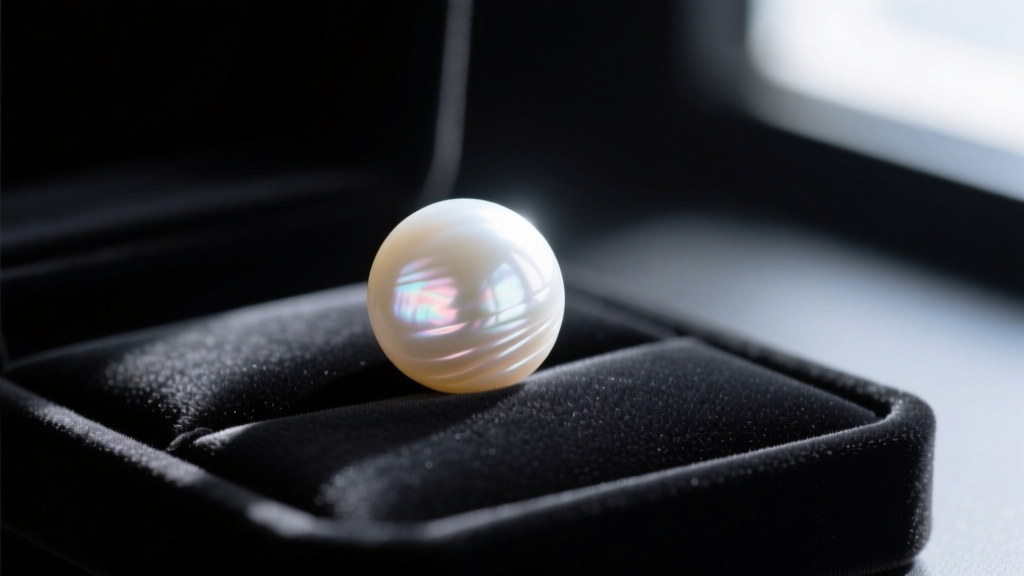
The primary driver of cost in any pearl strand is the nacre. Nacre is the iridescent substance secreted by the mollusk to coat a nucleus. The thickness and quality of this layer dictate the pearl's luster (how sharply it reflects light) and its durability.
The Nacre Thickness Threshold
Budget buyers often make the mistake of prioritizing size over nacre thickness. A 9mm bead-nucleated pearl with only 0.2mm of nacre will look chalky, lack depth, and eventually peel or flake off the bead nucleus. In contrast, a smaller 7mm pearl with 0.6mm of thick, gem-quality nacre will exhibit a sharp, mirror-like luster and last for generations.
- Under 0.3mm: Commercial grade. High risk of peeling. Avoid for long-term wear.
- 0.3mm to 0.5mm: Standard retail grade. Acceptable for occasional wear, but lacks deep luster.
- 0.6mm and above: Gem grade (e.g., Hanadama Akoya). Exceptional luster, high durability, and strong value retention.
It is worth noting that modern freshwater pearls are typically tissue-nucleated rather than bead-nucleated. This means they are composed of nearly 100% solid nacre, making them incredibly durable despite their lower price point, though they historically lack the perfect spherical roundness of bead-nucleated saltwater pearls.
2026 Pricing Matrix: Akoya vs. Freshwater vs. South Sea
To accurately assess value, you must compare apples to apples. Below is a comprehensive breakdown of the 2026 market pricing for an 18-inch, knotted strand of white pearls, categorized by type and quality tier.
| Pearl Type | Typical Size | Nacre Thickness | 2026 Price Range (18-inch) | Value Retention |
|---|---|---|---|---|
| Commercial Freshwater | 6mm - 8mm | Solid (Tissue) | $50 - $150 | Low |
| Gem-Grade Freshwater (Edison) | 9mm - 12mm | Solid (Bead/Tissue) | $300 - $800 | Medium |
| Standard Akoya | 6mm - 8mm | 0.3mm - 0.5mm | $400 - $1,200 | Medium |
| Hanadama Akoya (Certified) | 7mm - 9mm | 0.6mm+ | $1,500 - $4,500 | High |
| White South Sea | 10mm - 14mm | 2.0mm - 4.0mm | $3,000 - $15,000+ | Very High |
As highlighted by the American Gem Society, certified strands like Hanadama Akoya come with laboratory documentation verifying nacre thickness and luster quality, which justifies their premium pricing and protects the buyer's investment.
Red Flags: How to Avoid Overpaying for Treated Pearls
The pearl industry is rife with treatments designed to make low-quality pearls mimic high-quality ones. Being able to spot these treatments is the cornerstone of a solid budget assessment.
Maeshori and Heavy Bleaching
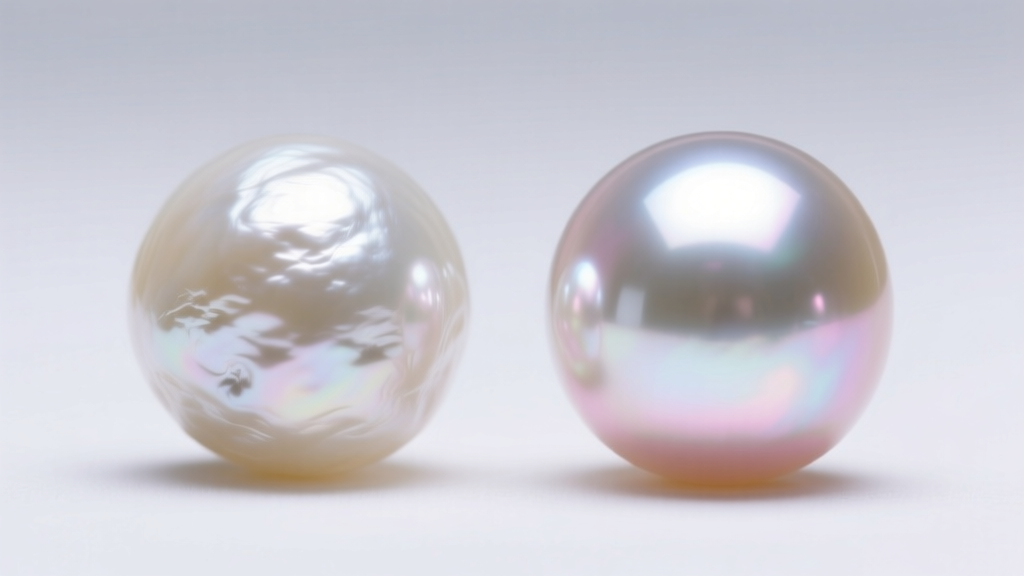
Almost all Akoya pearls undergo a mild, universally accepted pre-treatment called 'Maeshori' to tighten the nacre and enhance luster. However, aggressive bleaching and pink-dyeing (to mimic natural rose overtones) can weaken the nacre structure. If a strand of Akoya pearls looks uniformly, flatly pink with no depth or variation in the overtone, it has likely been heavily dyed.
The 'Chocolate' Pearl Deception
Naturally dark Tahitian pearls are highly valued. However, budget retailers often sell 'Chocolate' pearls, which are simply low-grade, blemished Tahitian pearls that have been heavily irradiated or dyed to achieve a uniform brown color. These treated pearls will fade over time and hold virtually zero resale value. Always demand disclosure of treatments before purchasing dark pearls.
Hidden Costs: Silk Knotting and Long-Term Maintenance
When budgeting for a pearl necklace, the initial purchase price is only half the equation. Pearls require specific maintenance to preserve their value and physical integrity.
- Silk Knotting: A genuine pearl necklace must be individually knotted on silk thread between every single pearl. This prevents the pearls from rubbing against each other (which causes nacre wear) and ensures that if the strand breaks, you only lose one pearl rather than all of them. If a retailer offers a 'budget' strand that is unknotted or strung on synthetic wire, walk away immediately.
- Restringing: Silk stretches and degrades from contact with skin oils and cosmetics. If you wear your necklace weekly, it must be professionally restrung every 1 to 2 years. Budget approximately $75 to $150 per restringing session, depending on the length of the strand and the jeweler's expertise.
- Cleaning Restrictions: Never put pearls in an ultrasonic cleaner or use commercial jewelry dips. The vibrations will shatter the nacre, and the chemicals will dissolve the pearl's surface. They must be wiped gently with a damp, lint-free cloth after every wear.
The Verdict: Assessing Long-Term Value
Is buying a pearl necklace a good financial investment? If your goal is strict financial appreciation, pearls generally do not appreciate in value like high-grade colored diamonds or antique gold. However, from a 'cost-per-wear' and heirloom-preservation perspective, a high-quality pearl necklace offers exceptional value.
A $2,000 Hanadama Akoya strand worn twice a week over 20 years costs roughly $0.96 per wear, excluding minor restringing fees. Conversely, a $150 commercial freshwater strand with thin, chalky nacre may begin to peel or lose its luster within three years, forcing a replacement. For the smart 2026 shopper, the budget strategy is clear: sacrifice size to afford superior nacre thickness, demand individual silk knotting, and prioritize certified luster over sheer carat weight. By focusing on structural integrity and optical performance, your pearl necklace will remain a timeless, valuable asset in your jewelry wardrobe for decades.


